

 Pregledaj u prostoru
 Pošalji
 Podeli
 Detalji o delu

 Преузми
 Slični predmeti
 Rendgenski snimak
 Slajdovi
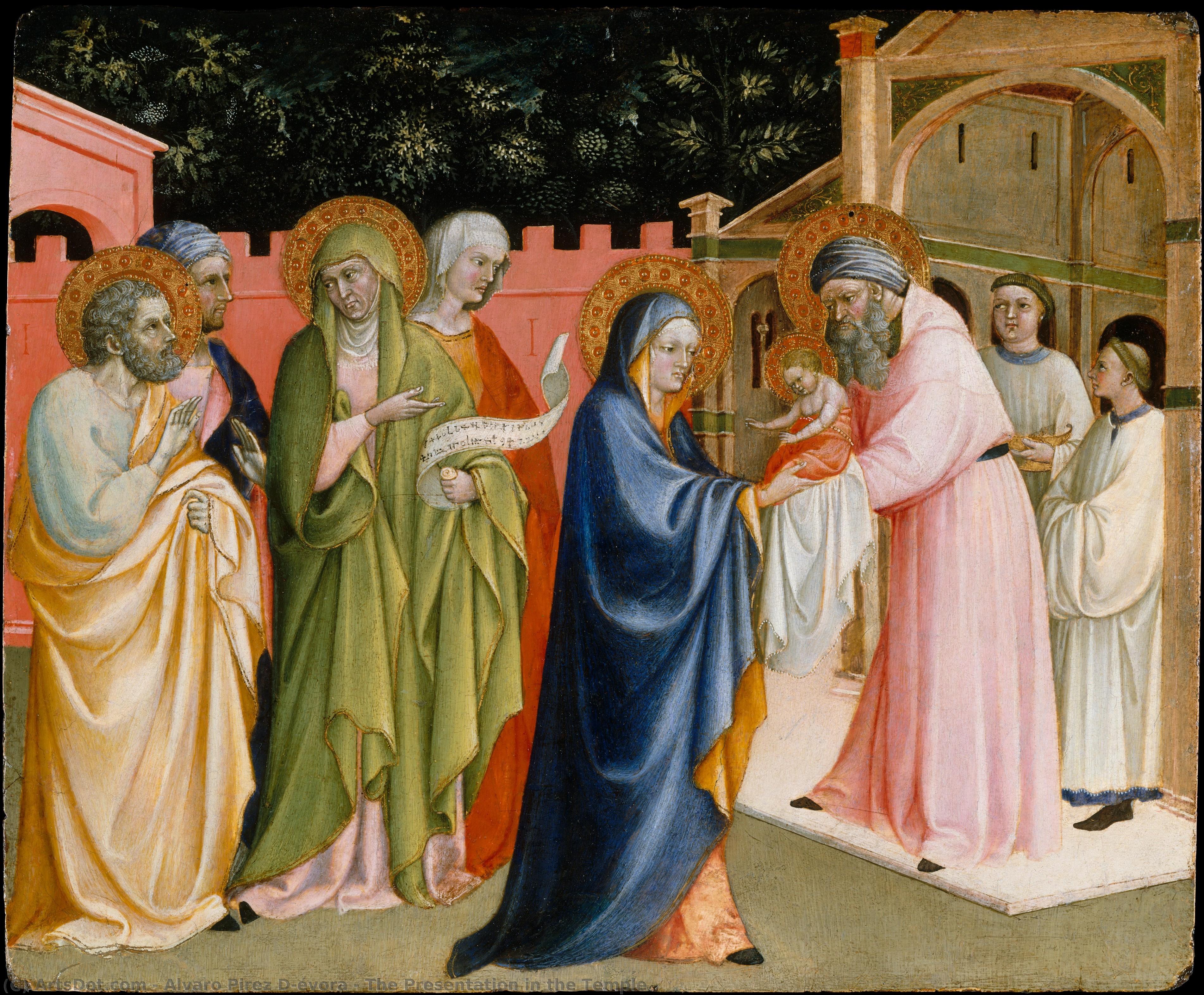
The Presentation in the Temple
 Acrylic On Canvas
- WallArt
- Early Renaissance
 1430
1430 34.0 x 40.0 cm
 Metropolitan Museum of Art
 Pročitaj više
Ručno rađena uljana reprodukcija
Ručno oslikano uljanim bojama na platnu u dimenzijama i okviru po vašem izboru, izrađeno po porudžbini od strane naših umetnika. ( Kupi print Kupi digitalnu sliku)




P118B $10

P118H $10

P118W $10

P438Z $10

P508JH $12

P508YH $12

P805H $10

P805Z $10

P919BZ $10

P919G $10

P919XJ $10

P959ZH $10

P968JZ $12

W106C $8

W218G $10

W218JH $8

W218Y $10

W307PJ $10

W316G $10

W316PJ $8

W316Y $10

W398PJ $8

W4111J $10

W500HY $15

W500JH $15

W692G $12

W849H $8

W940BG $15

W953PJ $8




Izaberite jednu od naših unapred definisanih veličina koje odgovaraju originalnim proporcijama umetničkog dela.

Можете унети сопствене димензије како бисте прилагодили дело одређеном оквиру или простору. Ако одабрана величина не одговара пропорцијама оригинала, слика ће бити исечена или проширена додатним елементима који се ручно насликавају. Дигитални prikaz ће вам бити послат на одобрење пре почетка производње.
Имајте на уму да преглед на екрану не одражава стварно исецање или проширење. Само приказ (mockup) ће тачно приказати коначну композицију.
Иако су доступне прилагођене величине, препоручујемо да одаберете димензију из дефинисане листе како бисте сачували оригиналне пропорције.
Nakon narudžbine, tim ArtsDot.com će klijentu putem e-pošte poslati uputstva i dostaviti prikaz predloženog rešenja
Isporuka širom sveta () za 3/4 nedelje umesto uobičajenih 5 nedelja. (21 август). Bez kompromisa po pitanju kvaliteta.

Besplatna ekspresna dostava širom sveta

Visokokvalitetno laneno platno

Kompletno osiguranje transporta

Garancija povraćaja carine i uvoznih dažbina

Garancija vernosti boja

Politika povrata u roku od 60 dana (samo u slučaju nedostataka)

Garancija povrata novca od 100%

Popust pri grupnoj kupovini
 Opcija sa staklom dostupna je samo za dimenzije manje od 110 cm

The Presentation in the Temple
Tehnika reprodukcije
Dimenzije reprodukcije
-


Konačna cena
$ 263
Opis umetničkog dela
A Moment of Grace: Unveiling Álvaro Pirez’s “The Presentation in the Temple”
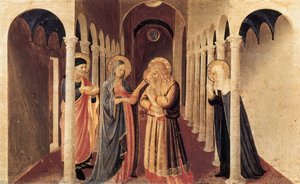
Álvaro Pirez de Évora's "The Presentation in the Temple," painted around 1430, isn’t merely a depiction of a biblical scene; it’s a window into the burgeoning artistic spirit of early Renaissance Tuscany. This panel, originally part of a complex altarpiece destined for a church in Pisa, possesses an immediacy and emotional depth that transcends its relatively modest size – measuring just 34 x 40 cm. It's a work brimming with color, a vibrant departure from the cooler palettes favored by some of his contemporaries, hinting at influences from masters like Giotto and Taddeo Bartoli, artists who were actively shaping the visual language of Florence during this transformative period.
The scene itself is deceptively simple: Mary, radiant in her youth, holds the infant Jesus close, while Joseph stands respectfully beside them. However, Pirez masterfully orchestrates a complex interplay of figures – the aged prophetess Anna, identified by her scroll and an expression of profound recognition; the watchful men surrounding the family, their faces reflecting a mixture of awe and reverence; and even subtle details like the birds perched near the upper corners, adding layers of symbolic richness. The backdrop, featuring a stylized castle-like structure, anchors the scene within a historical context, grounding the miraculous event in a tangible reality.
The Protoevangelium’s Legacy: A Story of Faith and Redemption
The narrative underpinning this painting is rooted in the *Protoevangelium of James*, an apocryphal text that provides a fascinating glimpse into early Christian beliefs. This account recounts Mary's presentation at the Temple, not as a formal ritual, but as a profound act of devotion – a dedication to God from her earliest years. The story, imbued with spiritual significance, speaks to themes of faith, divine providence, and the promise of redemption. Pirez skillfully captures this essence, imbuing the scene with an atmosphere of quiet grace and unwavering belief.
Anna’s recognition of Jesus as “the redeemer of Israel” is particularly poignant. It's a moment pregnant with prophecy, foreshadowing the future role of Christ in saving humanity. The artist doesn’t simply depict a historical event; he conveys the profound spiritual significance of this encounter, suggesting that Mary’s childhood was inextricably linked to God’s plan for salvation.
Technique and Style: A Tuscan Renaissance Voice
Pirez's style is characterized by a remarkable balance between realism and idealism. The figures are rendered with a sensitivity to anatomy and drapery, yet they possess an ethereal quality that elevates them beyond mere portraiture. His use of tempera on wood – a technique favored in the region at the time – contributes to the painting’s luminous surface and rich color palette. Notice particularly the vibrant blues and reds, employed not for decorative effect but to imbue the scene with warmth and vitality.
The artist's knowledge of Florentine artistic conventions is evident in his composition and use of perspective, yet he retains a distinctly Tuscan sensibility – a willingness to experiment with color and form that distinguishes his work from the more rigidly formal styles of Florence. He demonstrates an understanding of the leading painters of the time, including Lorenzo Monaco, suggesting a sophisticated artistic education.
A Timeless Symbol: The Presentation’s Enduring Power
“The Presentation in the Temple” is more than just a beautiful painting; it's a powerful symbol of faith, hope, and divine grace. It speaks to the enduring mystery of Mary’s role in salvation history and invites viewers to contemplate the profound significance of this pivotal moment in Christian theology. Its emotional resonance – the tenderness of mother and child, the reverence of onlookers, and the promise of redemption – continues to captivate audiences centuries after its creation. Reproductions offer a remarkable opportunity to bring this masterpiece into any space, allowing its timeless beauty and spiritual depth to enrich our lives.
Srodna umetnička dela
Biografija umetnika
A Portuguese Soul in the Heart of Tuscany
The story of Álvaro Pirez de Évora is one of remarkable movement and cultural synthesis, tracing a path from the sun-drenched landscapes of Portugal to the intellectual crucible of the Italian Renaissance. Known also as Alvaro di Piero, this pioneering artist emerged in the early 15th century as a rare bridge between the Iberian Peninsula and the burgeoning artistic revolution in Tuscany. While much of his early life remains shrouded in the mists of history, it is widely believed that he was born in Évora around 1411. His journey likely took him through Valencia, where he would have been immersed in the meticulous detail and expressive fresco traditions of the Valencian School, a training that provided him with a foundational mastery of color and form long before he ever set foot on Italian soil.
By approximately 1411, Álvaro had established himself in Pisa, marking the beginning of a prolific career that would leave an indelible mark on the Tuscan landscape. His arrival coincided with a period of profound transformation in art, as the heavy, static forms of the Middle Ages began to yield to the more humanistic and dynamic aesthetics of the early Renaissance. Moving through the artistic circles of Pisa and Volterra, he did not merely mimic the local masters but instead engaged in a sophisticated dialogue with them. His work reflects a deep-seated understanding of the stylistic currents flowing from Florence, absorbing the monumental gravity of Giotto and the nuanced elegance of Taddeo Bartoli.
The Brilliance of Color and Devotion
What truly distinguishes the oeuvre of Álvaro Pirez de Évora from his contemporaries is a certain luminous vitality. While many artists of the period favored more somber or muted palettes, Álvaro was celebrated for a brilliance of color that breathed life into his sacred subjects. This characteristic was noted even by the legendary historian Giorgio Vasari, who remarked upon the artist's ability to create more brilliant coloring than his peers. His technique often utilized tempera and gold ground on panel, a medium that allowed him to capture light in ways that felt both divine and tangibly present.
His religious panels were not merely objects of veneration but windows into profound theological narratives. In masterpieces such as “The Presentation in the Temple,” painted around 1430, one finds a breathtaking orchestration of emotion and symbolism. Within this small yet powerful panel, the infant Jesus is presented with an immediacy that transcends its modest dimensions. The interplay between the radiant Virgin Mary and the watchful, reverent figures surrounding her creates a sense of sacred intimacy. Through his brush, even subtle details—such as birds perched in the corners or the weathered face of the prophetess Anna—contribute to a larger tapestry of faith, redemption, and divine providence.
Legacy of a Renaissance Pioneer
The historical significance of Álvaro Pirez de Évora lies in his role as an early agent of internationalism within the Renaissance. His ability to transplant the expressive qualities of the Iberian and Valencian traditions into the heart of Tuscany helped enrich the very fabric of Italian art. His catalogue, which includes approximately eighty works such as the “Archangel Michael” and various triptychs, demonstrates a consistent mastery of portraying monumental figures endowed with dynamic movement and deep emotional resonance.
Though his life was relatively short—with records suggesting he was active until at least 1434—his impact endured through the many altarpieces and panels that graced the churches and aristocratic halls of Italy. He remains a testament to the era's spirit of exploration, proving that the Renaissance was not merely a localized Italian phenomenon, but a vibrant, interconnected movement fueled by the talents of artists who dared to cross borders and redefine the visual language of their time.
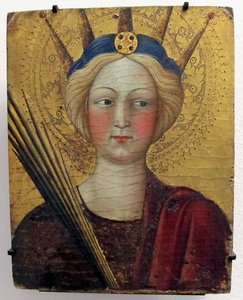
alvaro pirez d'évora
1411 - 1434 , Portugal
Osnovne informacije
- Artistic Movement Or Style: Late Gothic Painting
- Artists Or Movements Influenced By This Artist: ['Florence']
- Artists Who Influenced This Artist:
- Taddeo Bartoli
- Turino di Vanni
- Date Of Birth: Before 1411
- Date Of Death: After 1434
- Full Name: Álvaro Pires de Évora
- Nationality: Portuguese
- Notable Artworks:
- The Presentation in the Temple
- Archangel Michael
- Place Of Birth: Évora, Portugal
Povezani članci

Giotto di Bondone: 25 Remek-dela koji definišu renesansu | ArtsDot
Istražite 25 remek-dela Giotta di Bondonea i otkrijte renesansnu umetnost u punom sjaju. Freske, oltarske slike & istorija italijanske umetnosti na ArtsDot.com! Reprodukcije vrhunskog kvaliteta za vaš dom.

Jacob Henricus Maris: A Master of Dutch Atmospheric Realism & the Intimate Landscape
Explore the captivating world of Jacob Henricus Maris, a leading figure of the Dutch Hague School. Discover his atmospheric landscapes, signature brushstrokes & lasting influence on 19th-century art. Learn more at ArtsDot.

Fra Anđeo: 25 Remek-dela Renesansnog Duha za Vaš Dom | ArtsDot
Uronite u svet Fra Anđela – 25 remek-dela renesansnog slikara. Otkrijte priče iza njegovih čuvenih fresaka i oltarskih slika, inspiracija za enterijer i duhovni mir. Kupite reprodukcije vrhunskog kvaliteta na ArtsDot.com!
Sacred Narratives Embodied: A Comprehensive Exploration of Religious Iconography in Art History
Explore the rich history of religious iconography in art! Discover symbolism, movements & masterpieces from Byzantine to Renaissance periods. Expert insights for collectors and enthusiasts at ArtsDot.
Sacred Narratives on Canvas: Exploring Religious Painting Through History
Explore the rich history of religious painting with ArtsDot.com! Discover iconic artworks, symbolism & techniques from antiquity to the Renaissance. Enhance your art appreciation today.

