

 Pregledaj u prostoru
 Pošalji
 Podeli
 Detalji o delu

 Преузми
 Slični predmeti
 Rendgenski snimak
 Slajdovi
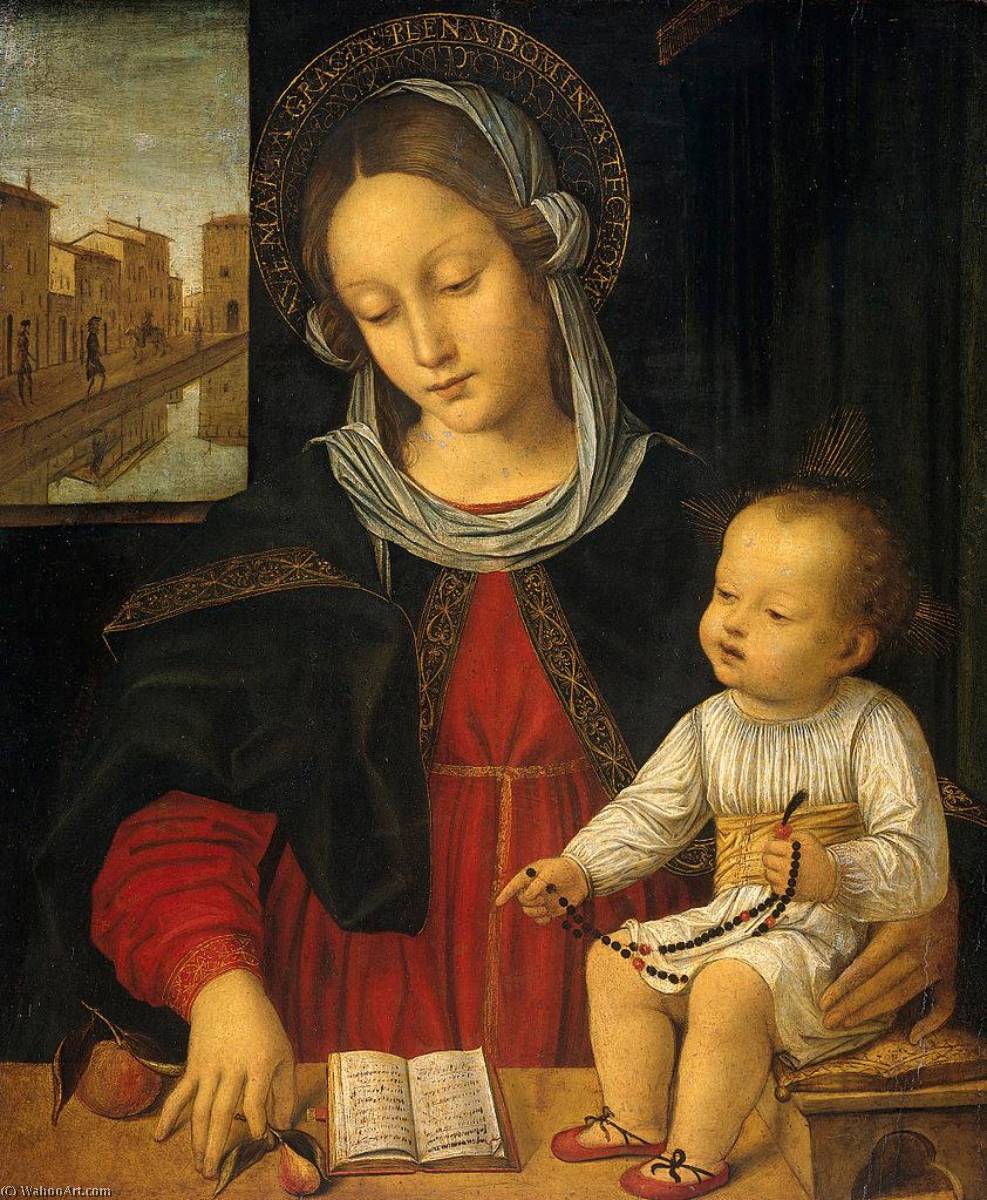
Madonna and Child
 Oil On Panel
- Renaissance
 1523
1523- Renaissance
 50.0 x 42.0 cm
 Rijksmuseum Amsterdam
 Pročitaj više
Ručno rađena uljana reprodukcija
Ručno oslikano uljanim bojama na platnu u dimenzijama i okviru po vašem izboru, izrađeno po porudžbini od strane naših umetnika. ( Kupi print Kupi digitalnu sliku)




P118B $10

P118H $10

P118W $10

P438Z $10

P508JH $12

P508YH $12

P805H $10

P805Z $10

P919BZ $10

P919G $10

P919XJ $10

P959ZH $10

P968JZ $12

W106C $8

W218G $10

W218JH $8

W218Y $10

W307PJ $10

W316G $10

W316PJ $8

W316Y $10

W398PJ $8

W4111J $10

W500HY $15

W500JH $15

W692G $12

W849H $8

W940BG $15

W953PJ $8




Izaberite jednu od naših unapred definisanih veličina koje odgovaraju originalnim proporcijama umetničkog dela.

Можете унети сопствене димензије како бисте прилагодили дело одређеном оквиру или простору. Ако одабрана величина не одговара пропорцијама оригинала, слика ће бити исечена или проширена додатним елементима који се ручно насликавају. Дигитални prikaz ће вам бити послат на одобрење пре почетка производње.
Имајте на уму да преглед на екрану не одражава стварно исецање или проширење. Само приказ (mockup) ће тачно приказати коначну композицију.
Иако су доступне прилагођене величине, препоручујемо да одаберете димензију из дефинисане листе како бисте сачували оригиналне пропорције.
Nakon narudžbine, tim ArtsDot.com će klijentu putem e-pošte poslati uputstva i dostaviti prikaz predloženog rešenja
Isporuka širom sveta () za 3/4 nedelje umesto uobičajenih 5 nedelja. (23 август). Bez kompromisa po pitanju kvaliteta.

Besplatna ekspresna dostava širom sveta

Visokokvalitetno laneno platno

Kompletno osiguranje transporta

Garancija povraćaja carine i uvoznih dažbina

Garancija vernosti boja

Politika povrata u roku od 60 dana (samo u slučaju nedostataka)

Garancija povrata novca od 100%

Popust pri grupnoj kupovini
 Opcija sa staklom dostupna je samo za dimenzije manje od 110 cm

Madonna and Child
Tehnika reprodukcije
Dimenzije reprodukcije
-


Konačna cena
$ 263
Opis umetničkog dela
A Vision of Maternal Grace: Ambrogio Da Fossano's Madonna and Child
To gaze upon this depiction of the Madonna and Child is to step into a moment suspended between divine serenity and earthly tenderness. Ambrogio Da Fossano, or Ambrogio Bergognone, captures not merely a portrait, but an enduring meditation on motherhood and divinity. The composition centers around Mary cradling her infant Jesus, a tableau rendered with a profound sense of quiet intimacy. Notice the exquisite detail in the child's white garments contrasted by the vibrant splash of red shoes—a deliberate artistic accent that draws the eye while maintaining the overall harmony of the scene. This painting, executed in 1523, speaks volumes about the devotional tastes and sophisticated artistry flourishing during the height of the Lombard Renaissance.
Mastery of Technique and Setting
The choice of medium, oil on panel, allows Bergognone to achieve a luminosity that seems almost breathable. His handling of light is masterful; it gently illuminates Mary’s features and the soft folds of her drapery, giving the figures a palpable sense of three-dimensionality. Beyond the immediate connection between mother and child, the background enriches the narrative significantly. The visible cityscape depicted on the wall behind them grounds this sacred moment within a recognizable, albeit idealized, urban reality. Furthermore, the inclusion of symbolic elements—the two apples placed strategically in the lower left and upper right corners, alongside a book resting near Mary’s lap—elevates the piece from simple portraiture to complex theological statement.
Symbolism Woven into Sacred Narrative
The symbolism within this work is rich for contemplation. The presence of the apples immediately evokes the Garden of Eden, prompting viewers to consider themes of temptation, knowledge, and redemption. Coupled with the book, which suggests scripture or divine wisdom, these objects invite a deeper scholarly engagement from the observer. Mary herself embodies both human grace and celestial purity; her posture speaks of acceptance, while the child gazes out with an unnerving intelligence that hints at his divine destiny. It is this careful layering—the domesticity juxtaposed against profound theological weight—that gives the piece its enduring emotional resonance.
Bringing Renaissance Piety Home
For those who seek to infuse a space with the quiet dignity and artistic depth of the Italian Renaissance, a reproduction of this Madonna and Child offers an unparalleled connection to history. The soft palette, combined with the narrative complexity, makes it a breathtaking focal point for any gallery wall or devotional corner. Owning a piece inspired by Bergognone allows one to curate not just decoration, but a conversation across centuries—a dialogue between the meticulous craftsmanship of 16th-century Milan and the modern appreciation for timeless beauty. It is an heirloom quality piece that promises both aesthetic splendor and spiritual contemplation.
Srodna umetnička dela
Biografija umetnika
The Serene Spirit of the Lombard Renaissance
In the golden age of the Italian Renaissance, few artists captured the quietude of devotion as profoundly as Ambrogio Bergognone, born Ambrogio da Fossano. A master whose brushwork breathed life into the spiritual landscapes of Lombardy, his name remains a testament to an era defined by both monumental ambition and intimate piety. While the precise details of his early years remain partially veiled by the mists of history, his artistic identity is inextricably linked to the fertile cultural soil of Northern Italy. Emerging from the traditions of the late 15th century, Bergognone developed a style that eschewed the dramatic turbulence found in other regions, opting instead for a luminous, contemplative grace that invited the viewer into a state of silent prayer.
The foundations of his technique were likely laid under the watchful eyes of masters such as Vincenzo Foppa and Bernardino Zenale. These influences instilled in him a deep respect for the Lombard tradition—a style characterized by a subtle use of light, a soft approach to form, and an extraordinary attention to the tactile reality of fabrics and landscapes. As he matured, his work began to reflect a unique synthesis of these inherited lessons and a personal quest for emotional clarity. His ability to render the divine not as something distant and terrifying, but as something present and tender, became the hallmark of his burgeoning career.
A Legacy Carved in Stone and Pigment
Perhaps no site serves as a more magnificent testament to Bergognone’s genius than the Certosa di Pavia. This monastic complex, a jewel of Renaissance architecture, provided the stage for some of his most ambitious collaborative endeavors. Working alongside his brother Bernardino and other luminaries like Bartolomeo Pola, he contributed to the creation of breathtakingly intricate decorations that transformed the space into a celestial vision on earth. His involvement in the monumental choir stall ensemble and the delicate frescoes within the basilica showcases a versatility that bridged the gap between large-scale architectural decoration and the fine, meticulous detail required for devotional panels.
His mastery is particularly evident when examining his religious compositions, where he often explored themes of compassion and divine presence. In works such as The Compassion of Christ between two angels, one can observe his unparalleled ability to use subtle tonal gradations to evoke a sense of profound melancholy and holiness. His paintings do not merely depict biblical events; they inhabit them. Through the careful arrangement of figures and the soft, atmospheric light that seems to emanates from within the canvas itself, Bergognone achieved a level of sfumato and emotional depth that resonated deeply with the spiritual sensibilities of his patrons, including the influential Ludovico Sforza.
The Enduring Resonance of a Master
As the tides of the Renaissance shifted toward the more complex and muscular styles of the High Renaissance, Bergognone’s commitment to a serene, devotional aesthetic ensured his place in the pantheon of great Lombard painters. His later years, spent navigating the shifting political landscapes of Milan, saw him continuing to secure prestigious commissions that allowed him to refine his expressive capabilities. Even as compositions became more sophisticated, the core of his work remained anchored in a profound sense of peace and a meticulous devotion to detail.
Today, the significance of Ambrogio Bergognone lies in his ability to act as a bridge between the structured traditions of the early Renaissance and the emotive potential of the centuries that followed. His oeuvre serves as a vital window into the soul of the Lombard Renaissance, offering a glimpse into a world where art was the ultimate vessel for the divine. To study his work is to experience a rare form of visual stillness, a reminder of the power of art to transcend time and touch the eternal through the simple, masterful rendering of light, shadow, and grace.
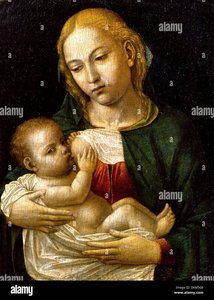
ambrogio da fossano (ambrogio bergognone)
1453 - 1523 , Italy
Osnovne informacije
- Artistic Movement Or Style: Renaissance Lombard Art
- Artists Or Movements Influenced By This Artist: ['Leonardo da Vinci']
- Artists Who Influenced This Artist:
- Vincenzo Foppa
- Bernardino Zenale
- Date Of Birth: c. 1470s
- Date Of Death: 1523/1524
- Full Name: Ambrogio Bergognone
- Nationality: Italian
- Notable Artworks:
- Madonna del Velo
- Christ Risen
- Place Of Birth: Fossano, Piedmont
Povezani članci
Leonardo da Vinci: 25 Remek-dela Genija za Vaš Dom | ArtsDot
Istražite 25 remek-dela Leonarda da Vince, od Mona Lize do Poslednje večere. Otkrijte priče iza slika renesanse i inspiraciju za dekoraciju enterijera. Kvalitetne reprodukcije na ArtsDot.com!

Giclée Prints: Archival Quality & Aesthetic Nuances for the Discerning Collector
Explore the world of giclée prints with ArtsDot. Learn about archival quality, aesthetic nuances & investment potential. Expert guidance for discerning art collectors seeking museum-quality reproductions and lasting value.

The Enduring Legacy of Fine Art Prints: Technique, History & Aesthetic Impact
Explore the rich history & techniques of fine art prints. Discover investment potential, assess authenticity, and learn how to preserve your collection with expert guidance. Trusted insights for discerning collectors.

Rafaela Sanzio: 25 Remek-dela Renesansnog Majstora za Vaš Dom | ArtsDot
Uronite u svet Rafaela Sanzija! Otkrijte 25 remek-dela renesansnog umetnika, od Madona do fresaka Vatikana. Inspiracija za dekoraciju enterijera i kupovina reprodukcija slika visoke rezolucije na ArtsDot.com.

Echoes of Time: Exploring the Enduring Appeal & Historical Context of Vintage Art Prints
Explore the captivating world of vintage art prints! Discover their history, collecting tips & enduring appeal. Expert insights on chromolithography and building a legacy collection with ArtsDot.

