

 Pregledaj u prostoru
 Pošalji
 Podeli
 Detalji o delu

 Преузми
 Slični predmeti
 Rendgenski snimak
 Slajdovi
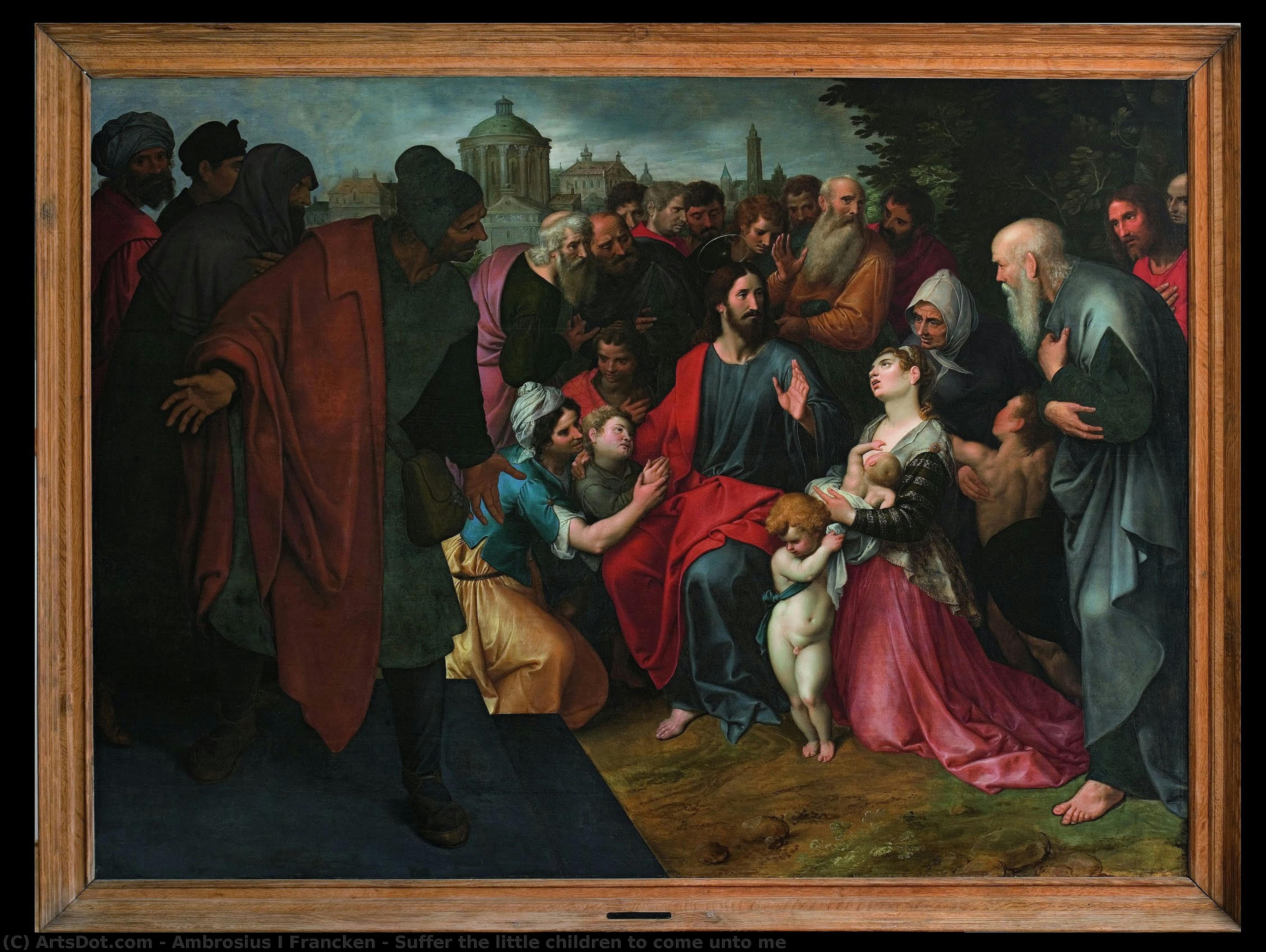
Suffer the little children to come unto me
 Acrylic On Canvas
- WallArt
- Northern Renaissance Revival
 1600
1600 179.0 x 236.0 cm
 Bonnefanten Museum
 Pročitaj više
Giclee štampa / Umetnički otisak
Giclée štampa ili print na platnu muzejskog kvaliteta uz brzu proizvodnju i fleksibilne opcije završne obrade. ( Kupi ručno naslikanu sliku Kupi digitalnu sliku)




P118B $10

P118H $10

P118W $10

P438Z $10

P508JH $12

P508YH $12

P805H $10

P805Z $10

P919BZ $10

P919G $10

P919XJ $10

P959ZH $10

P968JZ $12

W106C $8

W218G $10

W218JH $8

W218Y $10

W307PJ $10

W316G $10

W316PJ $8

W316Y $10

W398PJ $8

W4111J $10

W500HY $15

W500JH $15

W692G $12

W849H $8

W940BG $15

W953PJ $8




Izaberite jednu od naših unapred definisanih veličina koje odgovaraju originalnim proporcijama umetničkog dela.

Možete uneti sopstvene dimenzije kako biste umetničko delo prilagodili specifičnom okviru ili prostoru. Ako odabrani format ne odgovara proporcijama originalne slike, mi ćemo ili iscrtati deo dela ili proširiti sliku pomoću ogledane ivice ili jednobojnog popunjavanja. Digitalni prikaz će vam biti poslat na odobrenje pre početka proizvodnje.
Imajte na umu da pregled na ekranu ne odražava stvarno iscrtavanje ili proširivanje. Samo će prikaz (mockup) precizno pokazati finalnu kompoziciju.
Iako su prilagođene dimenzije dostupne, preporučujemo da odaberete dimenziju sa unapred definisane liste kako biste očuvali originalne proporcije.
Dostava širom sveta () za 2 nedelje umesto uobičajenih 4/5 nedelja. (4 септембар)

Besplatna ekspresna dostava širom sveta

Visokokvalitetno laneno platno

Kompletno osiguranje transporta

Garancija povraćaja carine i uvoznih dažbina

Garancija vernosti boja

Politika povrata u roku od 60 dana (samo u slučaju nedostataka)

Garancija povrata novca od 100%

Popust pri grupnoj kupovini
 Opcija sa staklom dostupna je samo za dimenzije manje od 110 cm

Suffer the little children to come unto me
Giclee štampa / Umetnički otisak
Dimenzije reprodukcije
-


Konačna cena
$ 62
A Window Into Faith and Renaissance Influence
The painting “Suffer the little children to come unto me,” attributed to Ambrosius Francken I (1545 – 1618), stands as a testament to the artistic fervor of Antwerp during the early Baroque period. Painted in 1600, this monumental oil on panel transcends mere depiction; it embodies a complex tapestry of religious devotion interwoven with echoes of Italian Renaissance grandeur. Francken’s masterful execution captures not just visual beauty but also profound spiritual contemplation—a characteristic deeply rooted in the intellectual currents shaping Europe at the time.- Subject Matter and Composition: At its core, the artwork portrays Jesus Christ seated centrally amidst a congregation of adults, notably mothers accompanied by their children. This deliberate arrangement underscores the importance of innocence and vulnerability within Christian faith—a theme prevalent throughout biblical narratives and powerfully conveyed through Francken’s careful composition. The figures are positioned in front of a classical temple reminiscent of Bramante's Tempietto in Rome, symbolizing spiritual aspiration and harking back to humanist ideals championed by Renaissance thinkers.
- Style and Technique: Francken’s style aligns seamlessly with the prevailing Baroque aesthetic—characterized by dramatic lighting, rich color palettes, and a heightened sense of realism. He skillfully employs chiaroscuro – the interplay between light and shadow – to sculpt form and imbue the scene with palpable emotion. The meticulous brushwork reveals an unwavering dedication to capturing nuanced textures and conveying depth of feeling.
Renaissance Echoes: Inspiration from Raphael and Michelangelo
Francken’s artistic vision wasn't born in isolation; it drew inspiration from luminaries of the Italian Renaissance. Specifically, Raphael’s celebrated tapestry depicting “The Miraculous Draught of Fishes,” from the series Acts of the Apostles, served as a significant catalyst for stylistic choices—particularly concerning spatial perspective and decorative ornamentation. Similarly, Michelangelo’s monumental statue “Madonna of Bruges,” which Francken undoubtedly observed during his travels, instilled in him an understanding of sculptural grandeur and emotive expression. These influences are subtly reflected in the temple architecture and the overall dynamism of the painting.- Symbolism: The inclusion of Jewish rabbis—identified by Hebrew text on their hats—represents a deliberate acknowledgment of religious diversity within Antwerp’s multicultural society. Isaiah, the prophet revered throughout Judaism and Christianity, underscores the universality of spiritual faith. Furthermore, the temple itself symbolizes divine presence and serves as a conduit for prayerful contemplation.
- Emotional Impact: “Suffer the little children to come unto me” succeeds in eliciting profound empathy and reverence. The tender depiction of mothers caring for their offspring evokes feelings of compassion and familial devotion—themes central to Christian morality. Francken’s masterful use of color and light amplifies these emotions, transporting viewers into a realm of spiritual serenity.
A Legacy of Flemish Artistry
Ambrosius Francken I's contribution to Flemish art is undeniable. As part of the prolific Francken dynasty—alongside his brothers Frans and Hieronymus—he established himself as one of Antwerp’s foremost painters, securing a prominent place in artistic history. His ability to synthesize humanist ideals with religious fervor exemplifies the spirit of the Baroque era and solidifies “Suffer the little children to come unto me” as an enduring masterpiece—a captivating portrayal of faith, compassion, and artistic brilliance.Srodna umetnička dela

Povezani članci
Rafaela Sanzio: 25 Remek-dela Renesansnog Majstora za Vaš Dom | ArtsDot
Uronite u svet Rafaela Sanzija! Otkrijte 25 remek-dela renesansnog umetnika, od Madona do fresaka Vatikana. Inspiracija za dekoraciju enterijera i kupovina reprodukcija slika visoke rezolucije na ArtsDot.com.
Michelangelo Buonarroti: 25 Remek-dela Renesansnog Genija za Vaš Dom | ArtsDot
Istražite 25 remek-dela Michelangela Buonarottija! Otkrijte priče iza Davida, Pietà i Sikstinske kapele. Reprodukcije slika vrhunskog kvaliteta za luksuzni dekor enterijera. Inspiracija & kupovina na ArtsDot.com
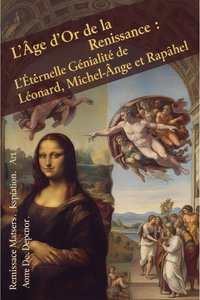
The Renaissance Titans: A Comparative Study of Leonardo, Michelangelo, and Raphael
Explore the genius of the High Renaissance. Compare the legendary works of Leonardo, Michelangelo, and Raphael through an expert art-historical lens. Discover how these titans shaped human creativity and learn to bring their timeless beauty into your modern home.
Michelangelo Buonarroti: A Renaissance Titan – Life, Works & Enduring Legacy
Explore the life, works & enduring legacy of Michelangelo Buonarroti, a Renaissance titan. Discover his iconic sculptures, frescoes, and architectural achievements. Expert art consultation & high-quality reproductions at ArtsDot.
25 Remek-dela Galerije Uffizi: Putovanje kroz renesansnu lepotu | ArtsDot.com
Istražite 25 remek-dela Galerije Uffizi u Firenci! Otkrijte priče iza slika Leonarda da Vinčija, Mikelanđela i Botticellija. Pronađite inspiraciju za dekoraciju enterijera i kupite reprodukcije vrhunske kvalitete na ArtsDot.com.

