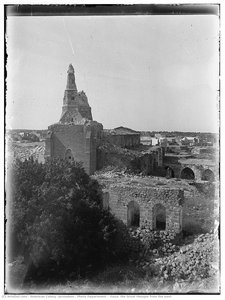
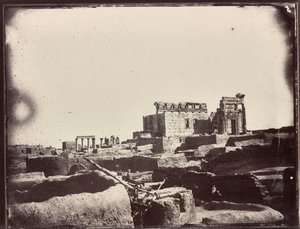
![[gaza, The Great Mosque From The East] — American Colony (jerusalem). Photo Department](/media/artworks/images-full/b5/c0/b5c0bf54fb0d68878cee6e8358377234.jpg)
 Pregledaj u prostoru
 Pošalji
 Podeli
 Detalji o delu

 Преузми
 Slični predmeti
 Rendgenski snimak
 Slajdovi
[Gaza, the Great Mosque from the east]


 Pročitaj više
Giclee štampa / Umetnički otisak
Giclée štampa ili print na platnu muzejskog kvaliteta uz brzu proizvodnju i fleksibilne opcije završne obrade. ( Kupi ručno naslikanu sliku Kupi digitalnu sliku)




































Izaberite jednu od naših unapred definisanih veličina koje odgovaraju originalnim proporcijama umetničkog dela.

Možete uneti sopstvene dimenzije kako biste umetničko delo prilagodili specifičnom okviru ili prostoru. Ako odabrani format ne odgovara proporcijama originalne slike, mi ćemo ili iscrtati deo dela ili proširiti sliku pomoću ogledane ivice ili jednobojnog popunjavanja. Digitalni prikaz će vam biti poslat na odobrenje pre početka proizvodnje.
Imajte na umu da pregled na ekranu ne odražava stvarno iscrtavanje ili proširivanje. Samo će prikaz (mockup) precizno pokazati finalnu kompoziciju.
Iako su prilagođene dimenzije dostupne, preporučujemo da odaberete dimenziju sa unapred definisane liste kako biste očuvali originalne proporcije.
Dostava širom sveta () za 2 nedelje umesto uobičajenih 4/5 nedelja. (3 септембар)

Besplatna ekspresna dostava širom sveta

Visokokvalitetno laneno platno

Kompletno osiguranje transporta

Garancija povraćaja carine i uvoznih dažbina

Garancija vernosti boja

Politika povrata u roku od 60 dana (samo u slučaju nedostataka)

Garancija povrata novca od 100%

Popust pri grupnoj kupovini
 Opcija sa staklom dostupna je samo za dimenzije manje od 110 cm

[Gaza, the Great Mosque from the east]
Giclee štampa / Umetnički otisak
Dimenzije reprodukcije
-


Konačna cena
$ 62
Srodna umetnička dela






Biografija umetnika
The American Colony: Documenting a Vanishing World
The story of the American Colony (Jerusalem) Photo Department is unlike that of most artistic collectives. It wasn’t born from shared aesthetic principles or formal training, but rather from a unique social experiment – and a profound sense of place. Founded in 1882 by a group of Americans seeking a utopian community based on biblical principles in Palestine, the Colony quickly became an enclave set apart from the rapidly changing political and cultural landscape of Jerusalem. While initially focused on agricultural pursuits and religious study, it was the advent of photography that would secure their lasting legacy, transforming them into chroniclers of a world on the cusp of irrevocable change.
The late 19th and early 20th centuries witnessed an explosion in photographic technology, and the Colony embraced it with fervor. Initially self-taught, members like John D. Whiting, Khalil Raad, and later Eric Matthiesen honed their skills, establishing a photo department that wasn’t merely about capturing images but about meticulously documenting life in Jerusalem and the surrounding regions. Their subjects weren't grand historical events or posed portraits of dignitaries; instead, they focused on the everyday – bustling marketplaces, religious processions, nomadic Bedouin tribes, the architectural splendor of ancient sites, and the faces of ordinary people from all walks of life. This dedication to portraying a comprehensive view of society, free from overt political agenda, is what sets their work apart.
A Style Rooted in Observation
The American Colony photographers didn’t strive for artistic embellishment or dramatic effect. Their aesthetic was one of precise observation, characterized by sharp focus, balanced compositions, and a commitment to natural light. They favored large-format cameras and painstakingly detailed printing processes, resulting in images that possess an almost palpable sense of realism. This wasn’t about creating art *about* the Middle East; it was about creating a visual record *of* it. Their photographs offer a rare glimpse into a time before mass tourism and modernization irrevocably altered the region's character.
The influence of early ethnographic photography is evident in their work, but they moved beyond simple documentation to capture a sense of humanity. Portraits are often remarkably intimate, revealing not just physical likenesses but also hints of personality and dignity. Their landscapes aren’t merely scenic views; they convey the harsh beauty and timeless quality of the land. The Colony photographers were keen observers of cultural practices, documenting festivals, rituals, and traditional crafts with respect and sensitivity.
Beyond Documentation: Archival Significance
The American Colony Photo Department's output wasn’t initially intended for widespread artistic recognition. Their photographs served a variety of practical purposes – illustrating books and articles about the Holy Land, providing images for postcards and souvenirs, and documenting the Colony’s own activities. However, over time, their archive grew into an invaluable historical resource.
- A Visual Time Capsule: The collection provides a unique visual record of Jerusalem and Palestine during a period of significant political and social upheaval, offering insights that written accounts often lack.
- Cultural Preservation: Their photographs documented traditions and ways of life that have since disappeared, preserving them for future generations.
- Architectural Record: The detailed images of historical sites serve as important records of architectural features and urban landscapes before modernization.
A Lasting Impression
Though the original American Colony community eventually dissolved, its Photo Department’s legacy endures. Their photographs continue to be studied by historians, art scholars, and anyone seeking a deeper understanding of the Middle East's rich cultural heritage. The work stands as a testament to the power of photography not just as an artistic medium but as a tool for preserving memory, fostering empathy, and documenting the human experience. Today, their images offer a poignant reminder of a world that is forever lost – and a powerful call to appreciate the beauty and fragility of cultural diversity.