 Pregledaj u prostoru
 Pošalji
 Podeli
 Detalji o delu

 Преузми
 Slični predmeti
 Rendgenski snimak
 Slajdovi
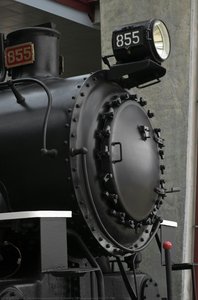
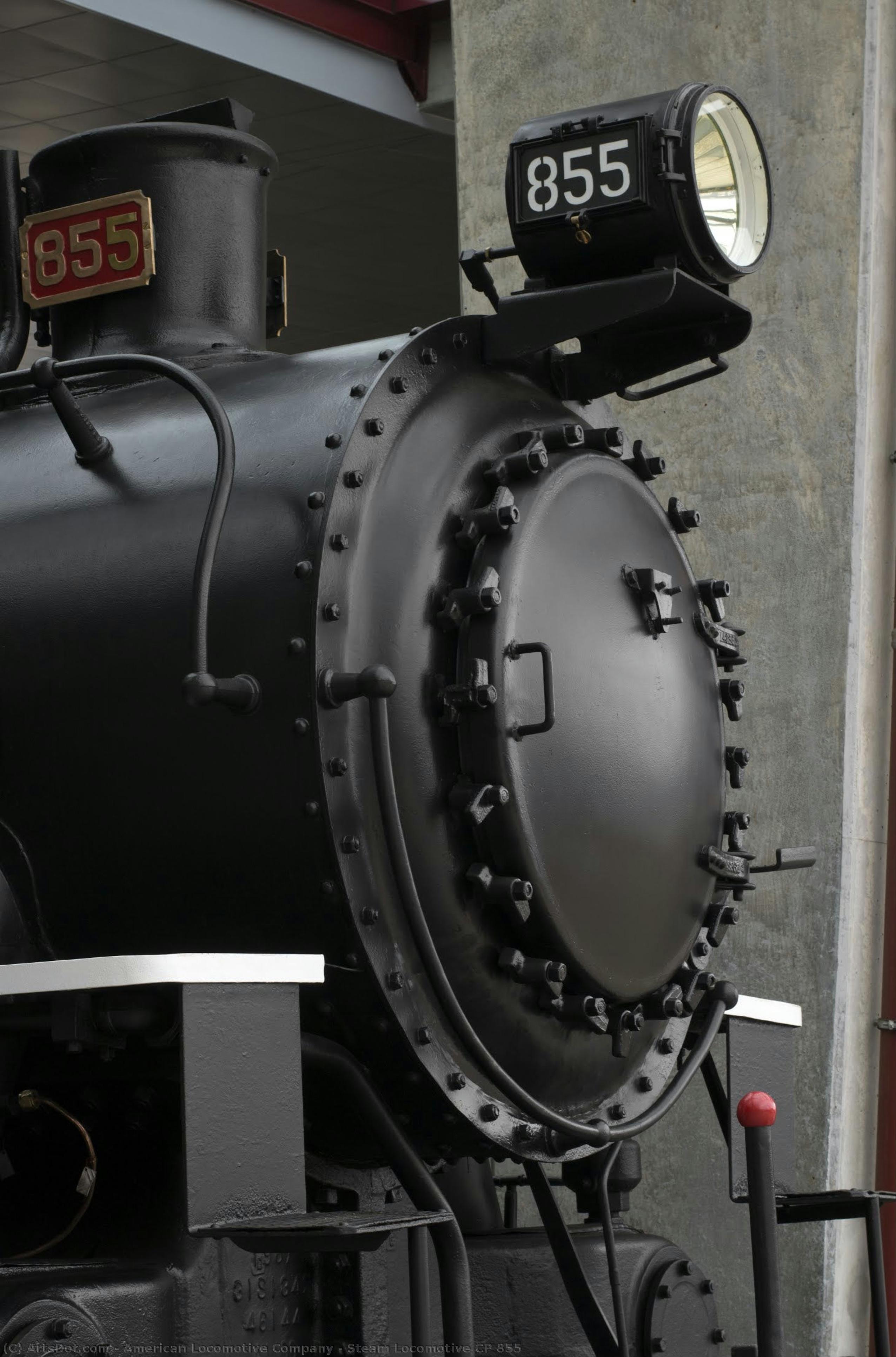
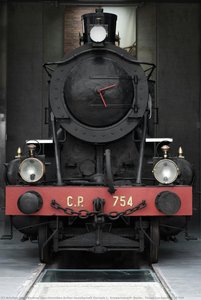
Steam Locomotive CP 855


 Pročitaj više
Giclee štampa / Umetnički otisak
Giclée štampa ili print na platnu muzejskog kvaliteta uz brzu proizvodnju i fleksibilne opcije završne obrade. ( Kupi ručno naslikanu sliku Kupi digitalnu sliku)




































Izaberite jednu od naših unapred definisanih veličina koje odgovaraju originalnim proporcijama umetničkog dela.

Možete uneti sopstvene dimenzije kako biste umetničko delo prilagodili specifičnom okviru ili prostoru. Ako odabrani format ne odgovara proporcijama originalne slike, mi ćemo ili iscrtati deo dela ili proširiti sliku pomoću ogledane ivice ili jednobojnog popunjavanja. Digitalni prikaz će vam biti poslat na odobrenje pre početka proizvodnje.
Imajte na umu da pregled na ekranu ne odražava stvarno iscrtavanje ili proširivanje. Samo će prikaz (mockup) precizno pokazati finalnu kompoziciju.
Iako su prilagođene dimenzije dostupne, preporučujemo da odaberete dimenziju sa unapred definisane liste kako biste očuvali originalne proporcije.
Dostava širom sveta () za 2 nedelje umesto uobičajenih 4/5 nedelja. (30 август)

Besplatna ekspresna dostava širom sveta

Visokokvalitetno laneno platno

Kompletno osiguranje transporta

Garancija povraćaja carine i uvoznih dažbina

Garancija vernosti boja

Politika povrata u roku od 60 dana (samo u slučaju nedostataka)

Garancija povrata novca od 100%

Popust pri grupnoj kupovini
 Opcija sa staklom dostupna je samo za dimenzije manje od 110 cm

Steam Locomotive CP 855
Giclee štampa / Umetnički otisak
Dimenzije reprodukcije
-


Konačna cena
$ 62
Srodna umetnička dela







Biografija umetnika
The Iron Horses of Progress: American Locomotive Company
The American Locomotive Company (ALCO), though not a name typically associated with fine art, represents a fascinating intersection of industrial might, engineering innovation, and the very spirit of American progress. Founded in 1901 through the merger of several established locomotive manufacturers – including Cooke Locomotive & Machine Works, Dickson Manufacturing Company, Pittsburgh Locomotive & Car Works, and Swiss Steel Works – ALCO quickly became one of the largest and most influential builders of steam locomotives in the world. To consider ALCO solely as a producer of machinery overlooks its profound impact on shaping landscapes, economies, and even the cultural imagination of the late 19th and early 20th centuries. Their creations weren't merely functional; they were symbols of power, speed, and the relentless drive to connect a burgeoning nation.From Industrial Consolidation to Railroad Dominance
The genesis of ALCO wasn’t about artistic vision in the traditional sense, but rather about survival in an increasingly competitive market. The late 1800s saw intense consolidation within American industry, and the locomotive building sector was no exception. By uniting these key players, ALCO aimed to streamline production, reduce costs, and better compete with rivals like Baldwin Locomotive Works. This strategic move proved remarkably successful. ALCO locomotives became ubiquitous across North America, powering everything from freight trains hauling vital resources to passenger lines whisking travelers across vast distances. The company’s early designs drew heavily on established engineering principles, but ALCO quickly distinguished itself through a commitment to research and development. They weren't content with simply replicating existing models; they sought continuous improvement in efficiency, power, and reliability. This dedication led to innovations in boiler design, valve gear mechanisms, and the use of new materials – all contributing to locomotives that were both more powerful and more economical to operate.Engineering as Art: The Aesthetics of Function
While ALCO engineers weren’t explicitly focused on aesthetics, their locomotives possessed a distinct visual character that resonated with the public. The sheer scale and imposing presence of these machines commanded attention. The elegant curves of the boiler, the gleaming brass fittings, the powerful driving wheels – all contributed to an impression of robust strength and technological mastery. The company’s designers often incorporated decorative elements into their locomotives, such as polished copper pipes, ornate nameplates, and carefully crafted paint schemes. These details weren't merely superficial; they reflected a sense of pride in craftsmanship and a desire to create machines that were not only functional but also visually appealing. The “Hudson” type locomotive, for example, became renowned for its streamlined appearance and powerful performance. It represented the pinnacle of steam locomotive design, embodying both form and function in perfect harmony.Beyond Steam: Diversification and Legacy
As diesel-electric technology emerged in the mid-20th century, ALCO recognized the inevitable shift away from steam power. The company diversified its operations, venturing into the production of diesel locomotives, industrial equipment, and even military vehicles during World War II. However, despite these efforts, ALCO struggled to regain its former dominance. The transition to diesel proved challenging, and competition from established players like General Motors’ Electro-Motive Division was fierce. In 1964, the company ceased locomotive production altogether. Despite this decline, ALCO's legacy endures.- Its locomotives played a pivotal role in shaping the American railroad system.
- The engineering innovations pioneered by ALCO continue to influence modern transportation technology.
- And perhaps most importantly, its creations remain potent symbols of an era defined by industrial ambition and relentless progress.