

 Pregledaj u prostoru
 Pošalji
 Podeli
 Detalji o delu

 Преузми
 Slični predmeti
 Rendgenski snimak
 Slajdovi
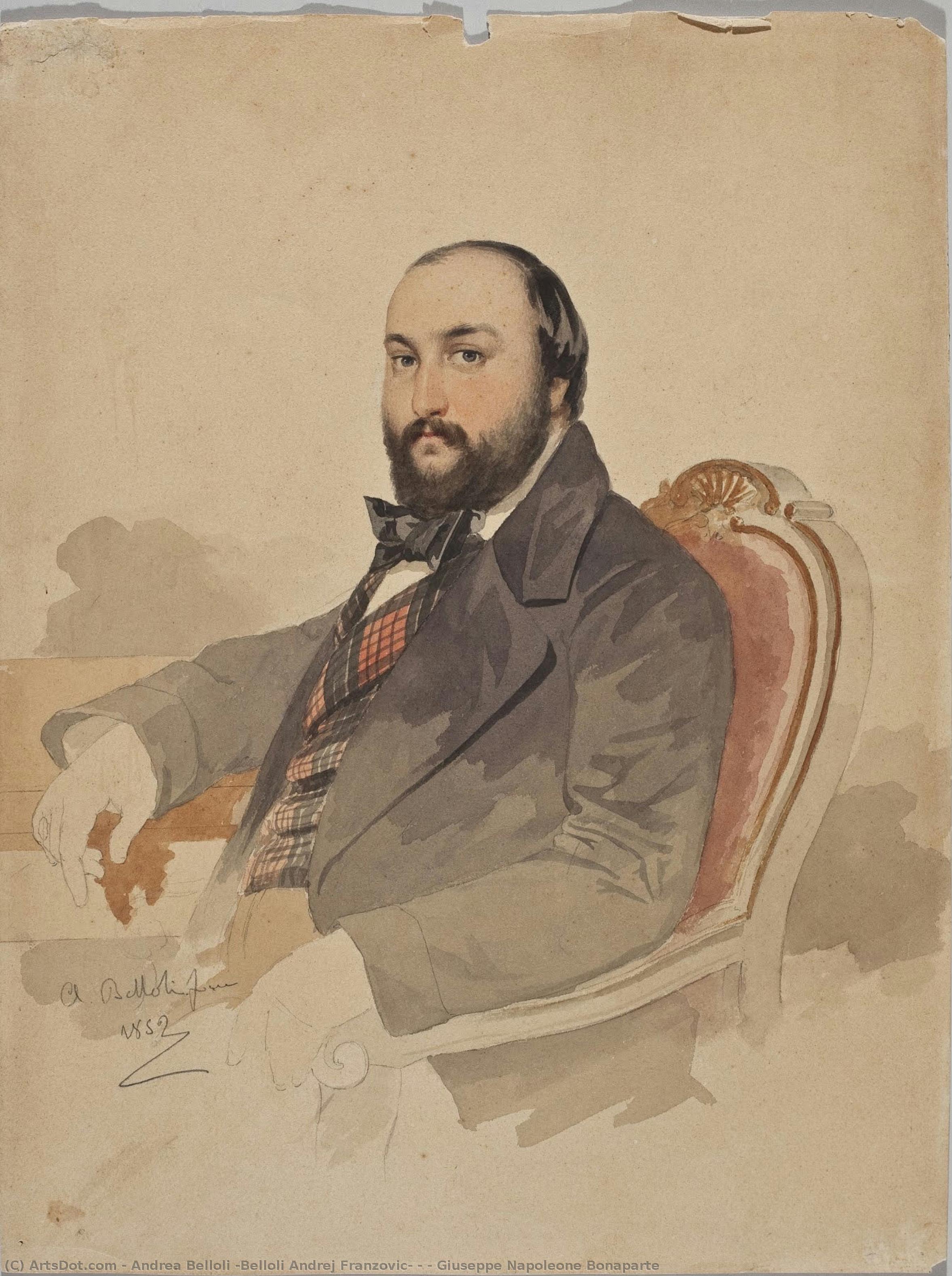
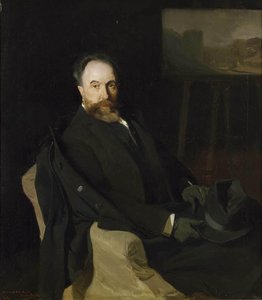
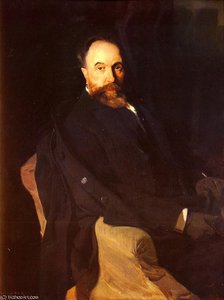
Giuseppe Napoleone Bonaparte


 Pročitaj više
Ručno rađena uljana reprodukcija
Ručno oslikano uljanim bojama na platnu u dimenzijama i okviru po vašem izboru, izrađeno po porudžbini od strane naših umetnika. ( Kupi print Kupi digitalnu sliku)




P118B $10

P118H $10

P118W $10

P438Z $10

P508JH $12

P508YH $12

P805H $10

P805Z $10

P919BZ $10

P919G $10

P919XJ $10

P959ZH $10

P968JZ $12

W106C $8

W218G $10

W218JH $8

W218Y $10

W307PJ $10

W316G $10

W316PJ $8

W316Y $10

W398PJ $8

W4111J $10

W500HY $15

W500JH $15

W692G $12

W849H $8

W940BG $15

W953PJ $8




Izaberite jednu od naših unapred definisanih veličina koje odgovaraju originalnim proporcijama umetničkog dela.

Можете унети сопствене димензије како бисте прилагодили дело одређеном оквиру или простору. Ако одабрана величина не одговара пропорцијама оригинала, слика ће бити исечена или проширена додатним елементима који се ручно насликавају. Дигитални prikaz ће вам бити послат на одобрење пре почетка производње.
Имајте на уму да преглед на екрану не одражава стварно исецање или проширење. Само приказ (mockup) ће тачно приказати коначну композицију.
Иако су доступне прилагођене величине, препоручујемо да одаберете димензију из дефинисане листе како бисте сачували оригиналне пропорције.
Nakon narudžbine, tim ArtsDot.com će klijentu putem e-pošte poslati uputstva i dostaviti prikaz predloženog rešenja
Isporuka širom sveta () za 3/4 nedelje umesto uobičajenih 5 nedelja. (7 септембар). Bez kompromisa po pitanju kvaliteta.

Besplatna ekspresna dostava širom sveta

Visokokvalitetno laneno platno

Kompletno osiguranje transporta

Garancija povraćaja carine i uvoznih dažbina

Garancija vernosti boja

Politika povraćaja u roku od 100 dana (isključivo u slučaju nedostataka)

Garancija povrata novca od 100%

Popust pri grupnoj kupovini
 Opcija sa staklom dostupna je samo za dimenzije manje od 110 cm

Giuseppe Napoleone Bonaparte
Tehnika reprodukcije
Dimenzije reprodukcije
-


Konačna cena
$ 263
Srodna umetnička dela

Biografija umetnika
Andrea Belloli: The Russian Nude and Imperial Grace
Born in Ronciglione, Italy, in 1820, Andrea Belloli (also known as Andrei Frantsevich Belloli) emerged from the vibrant artistic landscape of mid-19th century Rome to become a significant figure in the burgeoning world of Russian art. His journey took him across Europe before ultimately settling in Saint Petersburg, where he spent the latter half of his life and established himself as a respected portraitist and, most famously, a master of the female nude. Belloli’s career is a fascinating study in adaptation, reflecting both the evolving tastes of the era and his own artistic evolution.
Belloli's early training at the Accademia di San Luca provided him with a solid foundation in classical techniques – a crucial element that would later inform his academic style. However, it was the political upheavals of 1848, which swept across Italy, that propelled him to seek opportunities elsewhere. He arrived in Saint Petersburg in 1850, initially finding work as a decorative painter for churches and palaces, meticulously crafting intricate details on doors, ceilings, and other architectural elements. This early experience honed his technical skills and provided valuable exposure to the opulent world of Russian aristocracy.
The Rise of the Academic Portraitist
As Belloli’s reputation grew, he transitioned towards portraiture, quickly establishing a niche for himself by specializing in depictions of women – often nude or partially clothed. This choice was deeply influenced by the prevailing artistic trends of the time, particularly the influence of French academic painting. The Russian Academy of Arts, where he was admitted as an Academician in 1861, demanded adherence to strict stylistic conventions: idealized forms, precise anatomical detail, and a focus on historical or mythological subjects. Belloli embraced these standards with dedication, producing works that were technically proficient but often criticized for lacking emotional depth.
His portraits frequently showcased women in moments of repose – after bathing, reclining elegantly, or engaged in simple domestic activities. These scenes, rendered with meticulous attention to detail and a subtle use of light and shadow, captured the idealized beauty valued by the Russian elite. Belloli’s work was immensely popular within his circle, commissioned by wealthy patrons and displayed at prestigious exhibitions. He even organized his own exhibition in 1869, dedicating the proceeds to support aspiring artists and their families – a testament to his commitment to the artistic community.
The Influence of Russian Culture
Belloli’s time in Russia profoundly shaped his artistic practice. The influence of Russian culture is evident in his choice of subjects—the graceful figures of Russian women, often depicted with an air of quiet dignity and serenity. He also adopted certain compositional techniques and color palettes that were characteristic of the Russian academic style. Notably, he developed a distinctive approach to portraying the female nude, moving beyond mere anatomical accuracy to capture a sense of grace and sensuality.
His most celebrated works, such as “After the Bath” (1875) and “The Bather” (1871), exemplify this style. These paintings are characterized by their meticulous detail, harmonious color schemes, and an emphasis on capturing the subtle nuances of human form. The "Bather" in particular, purchased by Grand Duke Nicholas Konstantinovich, was later transferred to the Museum of Arts of Uzbekistan in Tashkent – a poignant reminder of Belloli’s connection to both Russia and Central Asia.
A Tragic End
Despite his success and recognition within the Russian art world, Belloli's life ended tragically. In 1881, at the age of 60, he committed suicide, a decision shrouded in mystery and speculation. Contemporary accounts suggest that he was struggling with personal difficulties and disillusionment, possibly exacerbated by critical reviews of his work. The writer Vsevolod Garshin famously dismissed his paintings as “nice, pretty ladies” lacking emotional resonance – a critique that may have contributed to Belloli’s despair.
Andrea Belloli remains a significant figure in the history of Russian art, representing a fascinating intersection of Italian artistic traditions and the evolving aesthetic sensibilities of 19th-century Russia. His legacy lies not only in his technically proficient portraits and nudes but also as a testament to an artist’s journey—a story marked by both success and ultimately, profound sadness.
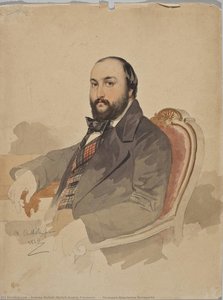
andrea belloli (belloli andrej franzovic) )
1881 , Italy
Osnovne informacije
- Artistic Movement Or Style: Russian Academic Painting
- Artists Or Movements Influenced By This Artist: ['Jean-Léon Gérôme']
- Artists Who Influenced This Artist: ['Accademia di San Luca']
- Date Of Birth: 1820
- Date Of Death: 1881
- Full Name: Andrei Frantsevich Belloli
- Nationality: Italian
- Notable Artworks:
- After the Bath
- The Bather
- Pope Pius IX
- Place Of Birth: Ronciglione, Italy
Povezani članci

Romantic Realism's Finest: 10 Masterpieces for Your Home | ArtsDot
Explore 10 defining masterpieces of Romantic Realism! Discover Courbet, Millet & Daumier's powerful paintings—capturing emotion and social realities. Find museum-quality reproductions for your home at ArtsDot.com.
The Evocative Embrace of Reality: Exploring Romantic Realism in 19th-Century Painting
Explore the captivating world of Romantic Realism! Discover key artists like Courbet & Millet, masterpieces, and the social context behind this influential art movement. Expert insights for collectors at ArtsDot.
The Poetic Truth of Observation: Exploring 19th-Century Realism in Painting
Explore the captivating world of 19th-century Realism! Discover key artists like Courbet & Millet, masterpieces, and the powerful social commentary behind this influential art movement. Expert insights at ArtsDot.
19th Century Masterpieces: 10 Paintings That Defined an Era | ArtsDot
Journey through 19th century art with ArtsDot! Explore 10 iconic paintings – from Monet & Renoir to Courbet – and discover the stories behind Romanticism, Realism & Impressionism. Find museum-quality reproductions for your home decor. Explore the full collection online!
Трајна башта реализма из 19. века: Огледало друштва и уметничка иновација
Истражите трајну башту реализма из 19. века! Откријте како је уметност одражавала друштвене промене, критиковала неправде и обликовала савремену културу. Детаљна анализа сликара, покрета и наслеђа.