

 Pregledaj u prostoru
 Pošalji
 Podeli
 Detalji o delu

 Преузми
 Slični predmeti
 Rendgenski snimak
 Slajdovi
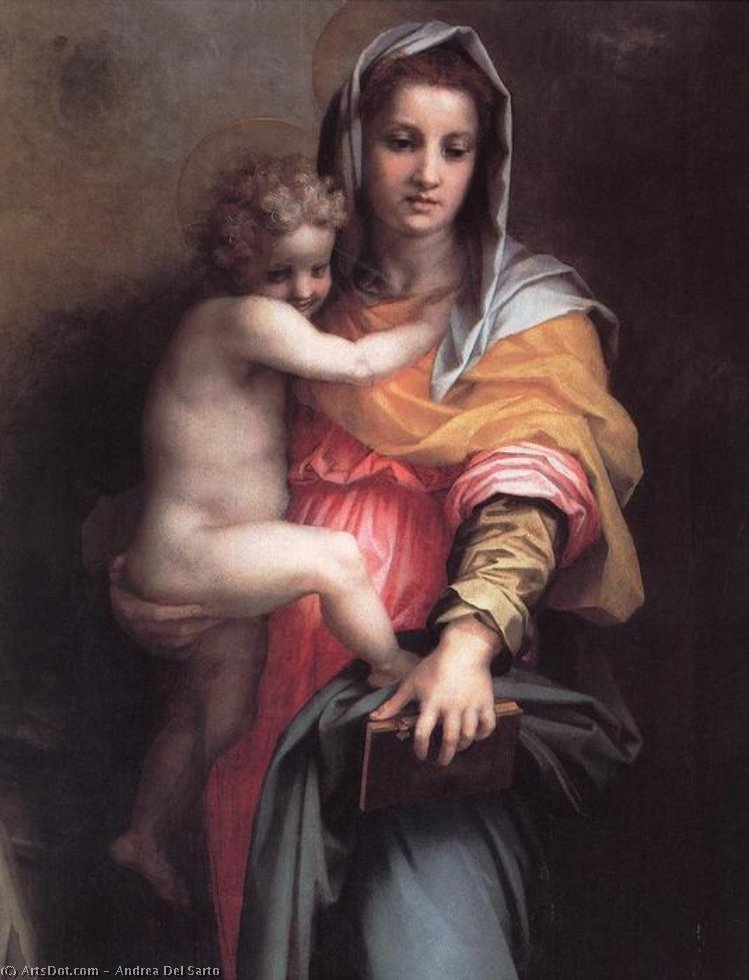
Madonna of the Harpies (detail)


 Pročitaj više
Ručno rađena uljana reprodukcija
Ručno oslikano uljanim bojama na platnu u dimenzijama i okviru po vašem izboru, izrađeno po porudžbini od strane naših umetnika. ( Kupi print Kupi digitalnu sliku)




P118B $10

P118H $10

P118W $10

P438Z $10

P508JH $12

P508YH $12

P805H $10

P805Z $10

P919BZ $10

P919G $10

P919XJ $10

P959ZH $10

P968JZ $12

W106C $8

W218G $10

W218JH $8

W218Y $10

W307PJ $10

W316G $10

W316PJ $8

W316Y $10

W398PJ $8

W4111J $10

W500HY $15

W500JH $15

W692G $12

W849H $8

W940BG $15

W953PJ $8




Izaberite jednu od naših unapred definisanih veličina koje odgovaraju originalnim proporcijama umetničkog dela.

Можете унети сопствене димензије како бисте прилагодили дело одређеном оквиру или простору. Ако одабрана величина не одговара пропорцијама оригинала, слика ће бити исечена или проширена додатним елементима који се ручно насликавају. Дигитални prikaz ће вам бити послат на одобрење пре почетка производње.
Имајте на уму да преглед на екрану не одражава стварно исецање или проширење. Само приказ (mockup) ће тачно приказати коначну композицију.
Иако су доступне прилагођене величине, препоручујемо да одаберете димензију из дефинисане листе како бисте сачували оригиналне пропорције.
Nakon narudžbine, tim ArtsDot.com će klijentu putem e-pošte poslati uputstva i dostaviti prikaz predloženog rešenja
Isporuka širom sveta () za 3/4 nedelje umesto uobičajenih 5 nedelja. (3 септембар). Bez kompromisa po pitanju kvaliteta.

Besplatna ekspresna dostava širom sveta

Visokokvalitetno laneno platno

Kompletno osiguranje transporta

Garancija povraćaja carine i uvoznih dažbina

Garancija vernosti boja

Politika povrata u roku od 60 dana (samo u slučaju nedostataka)

Garancija povrata novca od 100%

Popust pri grupnoj kupovini
 Opcija sa staklom dostupna je samo za dimenzije manje od 110 cm

Madonna of the Harpies (detail)
Tehnika reprodukcije
Dimenzije reprodukcije
-


Konačna cena
$ 288
A Divine Encounter: Andrea del Sarto’s ‘Madonna of the Harpies’
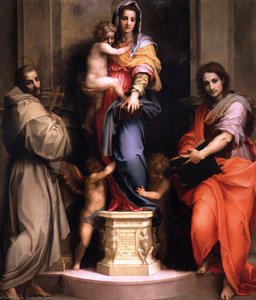
Andrea del Sarto's “Madonna of the Harpies,” painted in 1517, isn’t merely a depiction of the Virgin Mary and Child; it’s a carefully constructed dialogue between the sacred and the pagan, a testament to the artist’s profound understanding of both religious iconography and humanist ideals. This panel painting, originally residing within the Florentine church of San Francesco in Via de' Macci, now graces the collections of the Uffizi Gallery, offering viewers an intimate glimpse into the heart of Renaissance Florence. The work immediately draws the eye with its dramatic lighting – a strong light source originating from the upper left illuminates Mary and Christ, casting deep shadows that define their forms and imbue the scene with a palpable sense of depth. The composition itself is remarkably balanced, centering on the figures while the dark background serves to heighten their importance, creating an almost theatrical effect.
- Subject Matter: The iconic representation of the Madonna and Child remains at its core, symbolizing purity, faith, and divine love.
- Style: Firmly rooted in Renaissance realism, it prioritizes accurate depiction of human anatomy and naturalism – a hallmark of del Sarto’s approach.
Decoding the Symbolism: Harpies and Heavenly Guardians
The painting's title, “Madonna delle Arpie” (Madonna of the Harpies), immediately introduces an intriguing layer of complexity. The harpies – monstrous figures with the bodies of birds and the faces of humans – flanking the base of the Virgin’s pedestal are not simply decorative elements; they represent a deliberate juxtaposition of pagan mythology and Christian iconography. Traditionally, harpies were associated with chaos, theft, and destruction, yet here, they serve as guardians, supporting Mary and Christ. Giorgio Vasari, a contemporary art historian, famously struggled to decipher this symbolism, recognizing the painting’s layered meaning. Some scholars interpret them as alluding to the locusts of the Book of Revelation, suggesting a connection between earthly corruption and divine judgment. The inclusion of Saint John the Evangelist on Mary's right and Saint Francis of Assisi on her left further enriches the narrative, representing the Church and its patron saint respectively.
Symbolic Elements:- Book: Represents Mary’s role as a scholar and intermediary between God and humanity.
- Halo: Signifies Christ's divinity and grace.
- Harpies: A complex symbol representing both earthly chaos and divine protection.
The Art of Del Sarto: Technique and Detail
Andrea del Sarto’s mastery is evident in the meticulous detail and rich textures of “Madonna of the Harpies.” He employed a technique known as glazing, layering thin washes of translucent paint over one another to build up color and luminosity. This created a smooth, polished surface that reflects light beautifully – a characteristic often admired in his work. The artist’s attention to anatomical accuracy is remarkable, particularly in the rendering of Mary's drapery, which flows with an almost sculptural quality. The subtle variations in tone and overlapping forms create a convincing sense of depth, despite the painting’s relatively shallow perspective. The use of color is equally sophisticated, with a harmonious palette that evokes both serenity and drama.
A Legacy of Harmony: Del Sarto's Place in Renaissance Art
“Madonna of the Harpies” exemplifies Andrea del Sarto’s unique artistic vision – a synthesis of realism, symbolism, and humanist ideals. While he may not have achieved the same level of fame as Leonardo da Vinci or Michelangelo, his work demonstrates a profound understanding of color, composition, and human emotion. This painting stands as a testament to his skill and a captivating window into the world of Renaissance Florence. Today, reproductions of this masterpiece offer art lovers a chance to experience its beauty and complexity firsthand, bringing a touch of timeless elegance to any space.
Srodna umetnička dela
Biografija umetnika
rani život i obuka
Andrea del Sarto, istaknuta figura italijanske visoke renesanse, rođena je 16. jula 1486. godine u Gualfondi, blizu Firence. Njegovi rani životni putevi prvo su ga odveli u šegu zlatara, nakon čega je sledilo obučavanje pod vođstvom slikara i drvorezca Đana Barileja. Kasnije je svoje umetničko znanje usavršavao radeći sa majstorima kao što su Pjero di Kozimo i Rafaelino del Garbo.umetnička karijera
Andreaova saradnja sa Franciabigijom otvorila je vrata njihovom prvom zajedničkom projektu, Krštenju Hrista, urađenom za kongregaciju Scalzo u Firenci. Ovaj rad je označio početak dugog niza monohromatskih fresaka u tehnici grisaille. Kako je vreme prolazilo, Andrea je razvijao svoj jedinstveni stil, što je kulminiralo njegovim pridruživanjem esnafu arte dei medici e degli speziali još 1508. godine.značajna dela i porudžbine
- Sveta porodica, slika koju je naručio Zanobi Stroci za kapelu u njegovoj vili u Roveccanu, a koja se danas čuva u Pinacotece galerije nacionalne antičke umetnosti (Palazzo Barberini) u Rimu, Italija.
- Cenacolo di Andrea del Sarto, freska koja prekriva preko 40 kvadratnih metara, prikazujući Isusa i njegove učenike tokom Poslednje večere, smeštena u Muzeju Cenacola Andree del Sarta u Firenci.
- Priče o čudima Svetog Filipa Benizija, serija fresaka za lođu braće Marijanske, koja prikazuje njegov rani umeće u monohromatskoj grisaille tehnici.
nasleđe i uticaj
Iako su njegovo ime ponekad bile u senci veličanstvenih savremenika poput Leonarda da Vinčija, Mikelanga i Rafaela, rad Andree del Sarta odlikuje jedinstvena prožimanje visoke renesanse i manirizma. Njegovo neprolazno nasleđe može se videti u brojnim umetničkim delima koja je za sobom ostavio, gde svako predstavlja svedočanstvo njegove veštine kao slikara, dekoratera, portretiste i majstora boje. Pogledajte više dela Andree del Sarta na ArtsDot: [https://ArtsDot.com/@/andrea-del-sarto](https://ArtsDot.com/@/andrea-del-sarto) Istražite Pinacoteku galerije nacionalne antičke umetnosti (Palazzo Barberini) na ArtsDot: /sr/art/show/art-d3afwr-sr/ Pročitajte više o životu i delima Andree del Sarta na Wikipediji: [https://fr.wikipedia.org/wiki/andrea_del_sarto](https://fr.wikipedia.org/wiki/andrea_del_sarto)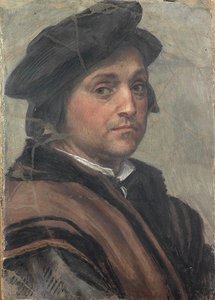
Андреа Дел Сарто
1486 - 1530 , Italija
Osnovne informacije
- Artistic Movement Or Style: Visoka renesansa & Manirizam
- Artists Or Movements Influenced By This Artist: ['Đorđo Vasari']
- Artists Who Influenced This Artist:
- Leonardo da Vinci
- Rafael
- Gian Barile
- Date Of Birth: 16. jul 1486.
- Date Of Death: 29. septembar 1530.
- Full Name: Andrea d'Agnolo di Francesco di Luca
- Nationality: Italijan
- Notable Artworks:
- Poslednja večera
- Sveta porodica
- Sveti Jovan Krstitelj
- Place Of Birth: Firenca, Italija
Povezani članci
Andrea del Sarto: Florentine Grace, Technical Mastery & Artistic Ambition
Explore the life & art of Andrea del Sarto, a Florentine Renaissance master renowned for harmonious compositions & technical brilliance. Discover his frescoes, portraits, and lasting influence on art history.
Rafaela Sanzio: 25 Remek-dela Renesansnog Majstora za Vaš Dom | ArtsDot
Uronite u svet Rafaela Sanzija! Otkrijte 25 remek-dela renesansnog umetnika, od Madona do fresaka Vatikana. Inspiracija za dekoraciju enterijera i kupovina reprodukcija slika visoke rezolucije na ArtsDot.com.
25 Remek-dela Galerije Uffizi: Putovanje kroz renesansnu lepotu | ArtsDot.com
Istražite 25 remek-dela Galerije Uffizi u Firenci! Otkrijte priče iza slika Leonarda da Vinčija, Mikelanđela i Botticellija. Pronađite inspiraciju za dekoraciju enterijera i kupite reprodukcije vrhunske kvalitete na ArtsDot.com.
Cecco del Caravaggio: Rediscovering the Shadowy Genius of Francesco Buoneri
Explore the captivating world of Cecco del Caravaggio (Francesco Buoneri), a pivotal Baroque artist. Discover his dramatic realism, mysterious life, and lasting legacy with ArtsDot's expert analysis.
Top 25 Remek-dela Prado Muzeja: Umetnička Baština Španije za Vaš Dom
Istražite 25 remek-dela Prado muzeja u Madridu! Otkrijte priče iza Velázqueza, Goye i El Greca. Pronađite inspiraciju za dekoraciju enterijera uz reprodukcije slika vrhunskog kvaliteta na ArtsDot.com.

