

 Pregledaj u prostoru
 Pošalji
 Podeli
 Detalji o delu

 Преузми
 Slični predmeti
 Rendgenski snimak
 Slajdovi
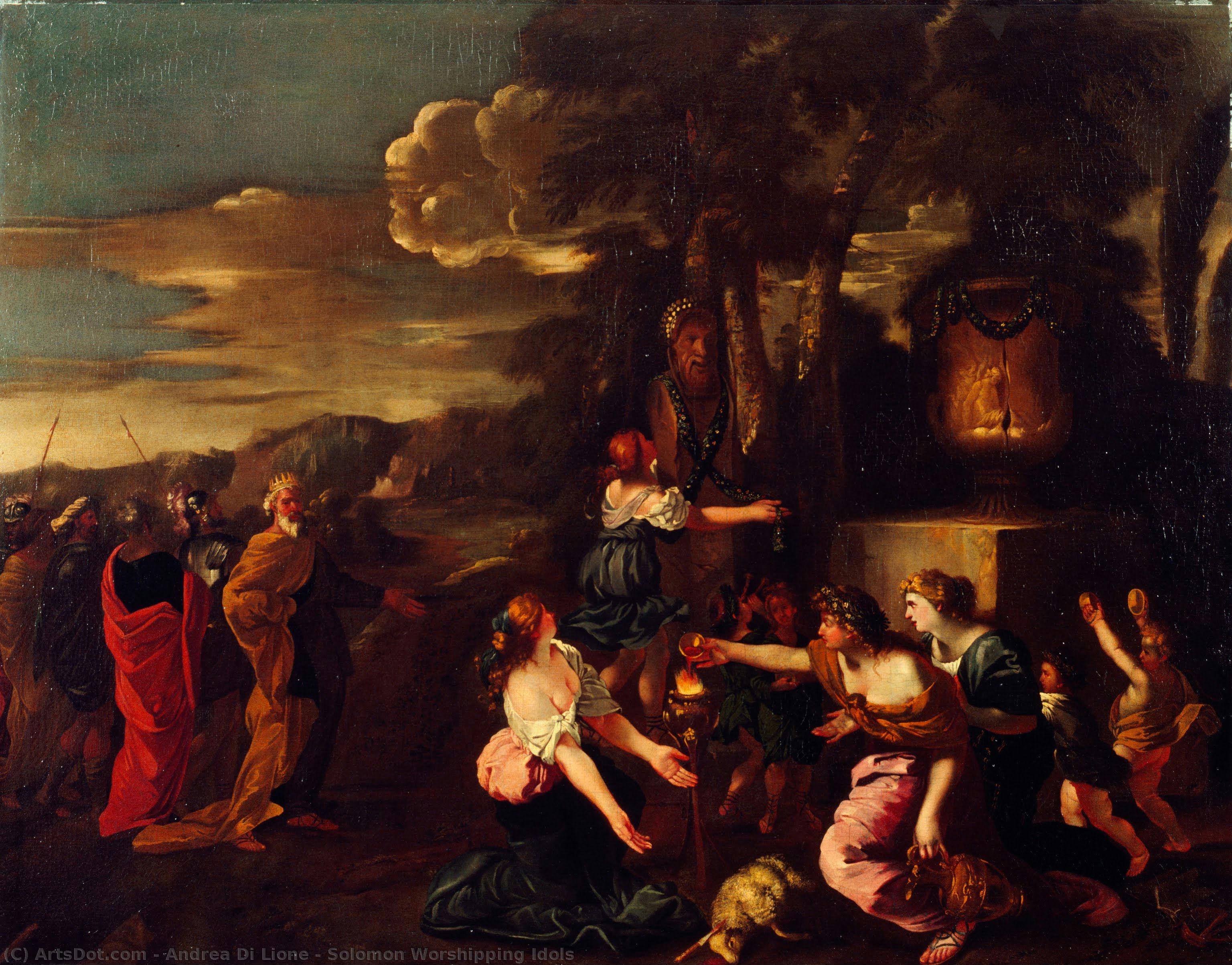
Solomon Worshipping Idols
 126.0 x 99.0 cm
 Fondazione Cariplo
 Pročitaj više
Kupite digitalnu sliku visoke rezolucije i poboljšanog kvaliteta, koja je znatno superiornija od onoga što vidite u online prikazu.
Svaka datoteka je pedantno pripremljena od strane naših stručnjaka koristeći napredne alate i profesionalnu ručnu retušu. Osiguravamo da svaka slika ima izuzetnu oštrinu, preciznu reprodukciju boja i fine detalje.
Konačna datoteka se dostavlja putem e-pošte u roku od 72 sata, optimizovana za neposrednu upotrebu u profesionalnim, izdavačkim i štamparskim okruženjima. To je isti kvalitet kojem veruju vrhunski studiji dizajna, izdavači i galerije.
Digitalna slika
Preuzmite datoteku visoke rezolucije za ličnu upotrebu, štampanje i kreativne projekte. ( Kupi print Kupi ručno naslikanu sliku)
Uključeno uz svaku porudžbinu digitalne slike
Profesionalna digitalna isporuka, zagarantovana
Kada odaberete ArtsDot.com, ne dobijate samo sliku – vi primate profesionalno unapređeno digitalno umetničko delo, izrađeno sa najvećom preciznošću i uz garanciju zadovoljstva. Evo svega što automatski dolazi uz vašu porudžbinu:

Brza dostava putem e-pošte
Vaša digitalna slika visoke rezolucije biće vam poslata putem e-pošte u roku od 72 sata od poručivanja – spremna za trenutnu upotrebu.

Digitalna datoteka unapređena veštačkom inteligencijom
Vaše umetničko delo je profesionalno optimizovano korišćenjem naprednih AI alata i ručne obrade, čime se osiguravaju maksimalni detalji, oštrina i preciznost boja.

Besplatna ponovna isporuka doživotno
Slučajno ste obrisali ili izgubili svoju datoteku? Ne brinite – poslaćemo vam je ponovo u bilo kom trenutku, potpuno besplatno.

Bez troškova uvoza – zauvek
Uživajte u svojim umetničkim delima trenutno, bez carine, dažbina ili troškova dostave – digitalni download je uvek bez poreza.

Garancija vernosti boja
Uz pomoć profesionalnih alata i upravljanja bojama, osiguravamo da vaša digitalna slika što vernije odražava originalne boje.

Garancija zadovoljstva u roku od 60 dana
Ako niste zadovoljni svojom digitalnom slikom, revidirat ćemo je ili vratiti 100% novca u roku od 60 dana – bez ikakvih pitanja.

100% garancija povrata novca
Niste zadovoljni? Obezbedite pun povrat novca u roku od 60 dana od trenutka kada ste primili svoju digitalnu datoteku – bez suvišnih pitanja.

Popusti na velike porudžbine
Kupite 3 slike, uštedite 10% - Kupite 5 slika, uštedite 15% - Kupite 10+ slika, uštedite 20%. Odlično za kreativne projekte, galerije i agencije.
Opis kolekcionarskog dela
Srodna umetnička dela





Biografija umetnika
Andrea di Lione: A Baroque Master of Battle and Faith
Andrea di Leone (8 September 1610 – 12 February 1685) was an Italian painter of the Baroque period, active in his native city of Naples. He stands as a testament to the artistic fervor of the era, embodying the grandeur and drama characteristic of Venetian and Roman art while retaining a distinctly Neapolitan sensibility. His legacy rests primarily on monumental battle scenes depicting biblical narratives and historical conflicts—works that continue to captivate audiences with their meticulous detail and emotive power.Early Life and Training
Born in Naples around 1610, Andrea di Leone’s formative years were steeped in the artistic traditions of his time. He received instruction from Belisario Corenzio, a prominent Neapolitan painter known for his allegorical frescoes and portraits, and Salvator Rosa, whose landscapes infused with spiritual contemplation profoundly impacted Leone's aesthetic sensibilities. These mentors instilled in him a disciplined approach to art—a cornerstone of his subsequent artistic endeavors. Notably, he collaborated closely with Corenzio on frescos illustrating biblical battles for the palace of the Viceroy, marking an early demonstration of his talent and establishing connections within Naples’s influential artistic circles.The Influence of Falcone and Academic Training
Leone's artistic trajectory took a decisive turn when he joined Aniello Falcone’s studio, where he underwent rigorous academic training—a crucial step in mastering the techniques demanded by Baroque painting. Falcone championed a style characterized by idealized forms and dramatic chiaroscuro, influencing Leone to prioritize realism alongside expressive emotion. This stylistic convergence would become a hallmark of his oeuvre.Notable Works: Biblical Narratives and Venetian Style
Leone’s artistic output is distinguished by its masterful execution of biblical narratives—particularly “Tobit Burying the Dead” and “Solomon Worshipping Idols”—which showcase his ability to convey profound spiritual themes through meticulously rendered figures and landscapes. His paintings frequently adopted a Venetian style, characterized by luminous colors and atmospheric perspective, reflecting the artistic currents circulating throughout Europe during his lifetime. The Cathedral of Naples houses several impressive canvases by Leone, demonstrating his commitment to religious art and cementing his reputation as one of Naples’s foremost painters. Similarly, “Venus and Adonis” exemplifies his skill in portraying mythological subjects with captivating dynamism and sensual beauty.Legacy and Historical Significance
Andrea di Lione's contribution to Baroque art extends beyond individual masterpieces; he helped shape the artistic landscape of Naples and influenced subsequent generations of artists. His battle scenes—particularly those adorning the palace of the Viceroy—became iconic representations of Venetian style, establishing a precedent for dramatic composition and emotive storytelling. He died in Naples in 1685, leaving behind an enduring legacy as a painter who skillfully blended technical virtuosity with spiritual contemplation—a testament to the artistic spirit of his era. His works continue to inspire admiration for their beauty and intellectual depth, securing his place among the most celebrated figures of Italian Baroque art.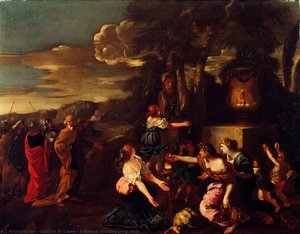
andrea di lione
1596 - 1675
Kratke činjenice
- Artistic Movement Or Style: Baroque
- Artists Or Movements Influenced By This Artist: ['Aniello Falcone']
- Artists Who Influenced This Artist:
- Belisario Corenzio
- Salvator Rosa
- Date Of Birth: September 8, 1610
- Date Of Death: February 12, 1685
- Full Name: Andrea di Leone
- Nationality: Italian
- Notable Artworks:
- Solomon Worshipping Idols
- Tobit Burying the Dead
- Venus and Adonis
- Place Of Birth: Naples, Italy

