

 Pregledaj u prostoru
 Pošalji
 Podeli
 Detalji o delu

 Преузми
 Slični predmeti
 Rendgenski snimak
 Slajdovi
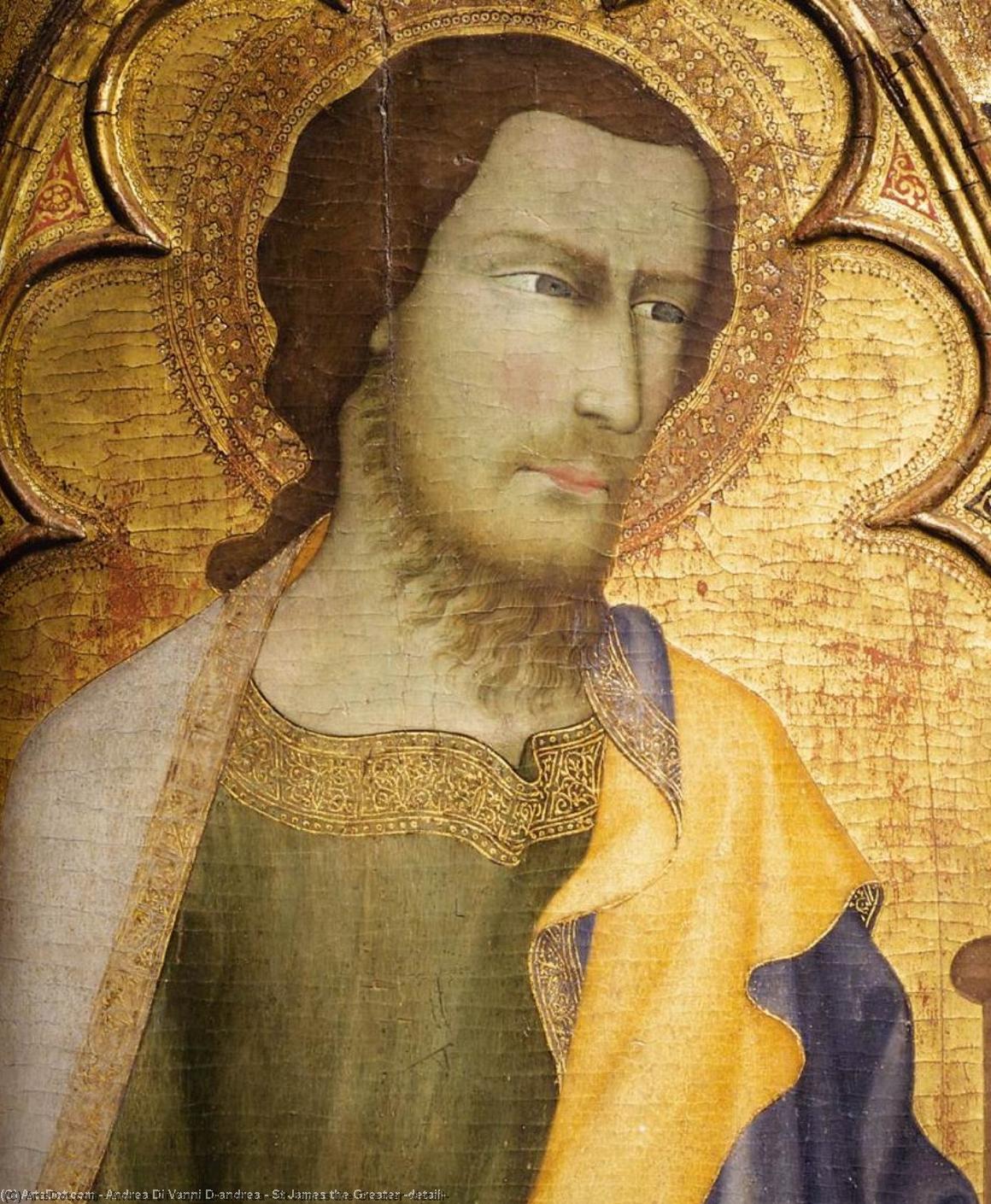
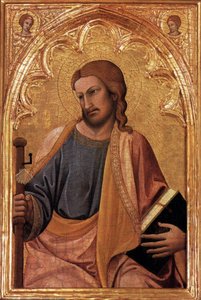
St James the Greater (detail)


 Pročitaj više
Kupite digitalnu sliku visoke rezolucije i poboljšanog kvaliteta, koja je znatno superiornija od onoga što vidite u online prikazu.
Svaka datoteka je pedantno pripremljena od strane naših stručnjaka koristeći napredne alate i profesionalnu ručnu retušu. Osiguravamo da svaka slika ima izuzetnu oštrinu, preciznu reprodukciju boja i fine detalje.
Konačna datoteka se dostavlja putem e-pošte u roku od 72 sata, optimizovana za neposrednu upotrebu u profesionalnim, izdavačkim i štamparskim okruženjima. To je isti kvalitet kojem veruju vrhunski studiji dizajna, izdavači i galerije.
Digitalna slika
Preuzmite datoteku visoke rezolucije za ličnu upotrebu, štampanje i kreativne projekte. ( Kupi print Kupi ručno naslikanu sliku)
Uključeno uz svaku porudžbinu digitalne slike
Profesionalna digitalna isporuka, zagarantovana
Kada odaberete ArtsDot.com, ne dobijate samo sliku – vi primate profesionalno unapređeno digitalno umetničko delo, izrađeno sa najvećom preciznošću i uz garanciju zadovoljstva. Evo svega što automatski dolazi uz vašu porudžbinu:

Brza dostava putem e-pošte
Vaša digitalna slika visoke rezolucije biće vam poslata putem e-pošte u roku od 72 sata od poručivanja – spremna za trenutnu upotrebu.

Digitalna datoteka unapređena veštačkom inteligencijom
Vaše umetničko delo je profesionalno optimizovano korišćenjem naprednih AI alata i ručne obrade, čime se osiguravaju maksimalni detalji, oštrina i preciznost boja.

Besplatna ponovna isporuka doživotno
Slučajno ste obrisali ili izgubili svoju datoteku? Ne brinite – poslaćemo vam je ponovo u bilo kom trenutku, potpuno besplatno.

Bez troškova uvoza – zauvek
Uživajte u svojim umetničkim delima trenutno, bez carine, dažbina ili troškova dostave – digitalni download je uvek bez poreza.

Garancija vernosti boja
Uz pomoć profesionalnih alata i upravljanja bojama, osiguravamo da vaša digitalna slika što vernije odražava originalne boje.

Garancija zadovoljstva u roku od 60 dana
Ako niste zadovoljni svojom digitalnom slikom, revidirat ćemo je ili vratiti 100% novca u roku od 60 dana – bez ikakvih pitanja.

100% garancija povrata novca
Niste zadovoljni? Obezbedite pun povrat novca u roku od 60 dana od trenutka kada ste primili svoju digitalnu datoteku – bez suvišnih pitanja.

Popusti na velike porudžbine
Kupite 3 slike, uštedite 10% - Kupite 5 slika, uštedite 15% - Kupite 10+ slika, uštedite 20%. Odlično za kreativne projekte, galerije i agencije.
Opis kolekcionarskog dela
A Glimpse of Saint James: Andrea di Vanni D’Andrea's Timeless Masterpiece
The world of 14th-century Siena pulsates with vibrant color and fervent devotion, a spirit captured in remarkable detail within Andrea di Vanni D’Andrea’s “St. James the Greater (detail).” This tempera panel painting, currently residing at the Museo Nazionale di Capodimonte in Naples, offers more than just a depiction of a revered biblical figure; it's a window into a specific moment in time – a testament to artistic skill, religious belief, and the burgeoning cultural landscape of Italy. The work immediately draws the eye with its rich palette, dominated by deep blues and golds that evoke both the solemnity of faith and the opulence associated with nobility.
D’Andrea's style skillfully blends elements of the late Gothic and early Renaissance, a period marked by experimentation and a renewed interest in classical forms. The meticulous rendering of St. James’s features – his beard meticulously sculpted, his gaze directed slightly off-center – speaks to the artist’s dedication to realism, yet simultaneously imbues the figure with an aura of dignified contemplation. Note the subtle folds of his robe, rendered with remarkable precision, and the way the light catches on the gold trim, hinting at the saint's elevated status within the Christian hierarchy. The background, a wash of golden hues, isn’t merely decorative; it subtly suggests a celestial realm, reinforcing the painting’s spiritual purpose.
The Techniques of Tempera: A Medium for Devotion
The choice of tempera on panel was particularly significant during this era. Unlike oil paints, which offered greater flexibility and luminosity, tempera provided a more durable and archival medium, ideal for religious works intended to endure for centuries. The layering technique employed by D’Andrea – applying thin washes of color over dried layers – created a remarkable depth and richness of tone. The artist's mastery is evident in the smooth transitions between colors and the subtle gradations of light and shadow, contributing to the painting’s overall sense of realism and three-dimensionality. The panel itself, likely poplar wood, provided a stable support for this delicate medium.
Symbolism and Spiritual Significance
Beyond its technical brilliance, “St. James the Greater” is laden with symbolic meaning. St. James himself represents faith, perseverance, and leadership within the Christian community. His beard and mustache, often associated with maturity and wisdom, underscore his role as a guide for believers. The gesture of his hand, slightly raised in what could be interpreted as prayer or blessing, invites contemplation on themes of divine grace and spiritual devotion. The inclusion of gold – a costly pigment reserved for important figures – further elevates St. James’s status, signifying his importance within the Christian narrative.
A Legacy Preserved: The Painting's Historical Context
Created in 1355, this painting reflects the vibrant artistic and social climate of Siena during the 14th century. Siena was a powerful city-state known for its wealth, political independence, and thriving art scene. D’Andrea’s work is part of a broader trend towards greater realism and naturalism in Italian painting, influenced by both Byzantine traditions and emerging classical ideals. The painting's eventual journey to the Museo Nazionale di Capodimonte speaks to the enduring value placed on this artwork throughout history. Further research reveals that similar panels were found in the Castle of Casaluce near Aversa, suggesting a possible origin point for this particular piece.
Bringing the Masterpiece Home: Reproductions and Beyond
For those captivated by the beauty and historical significance of “St. James the Greater,” high-quality reproductions offer an accessible way to experience this remarkable artwork firsthand. WGA’s image provides a detailed view, while other resources like Alamy showcase the painting's rich colors and intricate details. Consider commissioning a handmade oil painting reproduction – a faithful recreation that captures the essence of D’Andrea’s original masterpiece, allowing you to bring a touch of medieval artistry into your own space.
Srodna umetnička dela

Biografija umetnika
The Sienese Master: The Life and Legacy of Andrea di Vanni
In the golden light of the fourteenth century, within the winding, terracotta-hued streets of Siena, a painter emerged whose brush would capture the spiritual essence of the Early Renaissance. Andrea di Vanni d'Andrea, known simply as Andrea di Vanni, was more than just a practitioner of religious iconography; he was a man deeply woven into the very fabric of his city’s civic and spiritual identity. Born around 1332, Vanni’s life unfolded during a transformative era for Italian art, a period where the delicate elegance of the Gothic tradition began to meet the burgeoning structural ambitions of the Renaissance.
While historical records regarding his earliest years remain somewhat veiled in mystery, we first encounter his presence in the artistic landscape around 1353. During this formative period, he was associated with the esteemed painter Bartolo di Fredi, a connection that likely provided him with the technical foundation necessary to navigate the demanding workshops of Siena. However, Vanni was not merely a man of the studio; his life was marked by a remarkable duality between artistic creation and civic duty. He played an active role in the governance of Siena, holding prestigious offices such as gonfaloniero and serving as an envoy to the Papal court. This unique position allowed him to exist at the intersection of political power and religious devotion, a vantage point that undoubtedly informed the gravity and importance found within his compositions.
A Tapestry of Influence and Technique
To understand the visual language of Andrea di Vanni, one must look toward the masters who preceded him. His style breathes with the lingering grace of Simone Martini and Pietro Lorenzetti, the titans of Sienese painting. From Martini, Vanni inherited a penchant for lyrical lines and a certain ethereal quality, while from Lorenzetti, he drew a sense of weight and emotional presence. His work often eschews the heavy use of chiaroscuro—the dramatic play of light and shadow—in favor of a striking, almost silhouette-like design. This technique creates a powerful graphic impact, particularly when set against the luminous, unyielding gold backgrounds so characteristic of Sienese devotional art.
One of his most breathtaking achievements is the polyptych housed in the church of Santo Stefano alla Lizza. In this masterpiece, the viewer is confronted with a central portrait of the Virgin and Child that commands the space through sheer coloristic brilliance. The Madonna is rendered as a dark, elegant pattern against her gilded throne, creating a visual rhythm that feels both ancient and strikingly modern. This ability to balance intricate ornamentation with bold, simplified forms allowed his work to resonate deeply within the liturgical spaces of his era.
Fragments of a Vanished Splendor
The true breadth of Vanni’s oeuvre remains a poignant subject for art historians, as much of his legacy has been lost to the ravages of time. Many of his most ambitious projects, including portraits of Saint Catherine of Siena and scenes from the life of Saint James, have disappeared into the shadows of history. Yet, the fragments that remain—such as the Enthroned Madonna in the transept of San Francesco or the fragmented Crucifixion now held in the Istituto delle Belle Arti—serve as vital windows into his creative soul.
Even in these surviving pieces, we see a painter dedicated to the commemorative and the sacred. His work was often commissioned to honor saints and celebrate the continuity of faith within the Sienese community. Though he may not possess the global fame of some of his contemporaries, Andrea di Vanni d'Andrea remains an indispensable figure for understanding the evolution of the Sienese school. He stands as a testament to an era where art, politics, and piety were inextricably linked, leaving behind a visual heritage that continues to whisper the glories of the early Italian Renaissance.
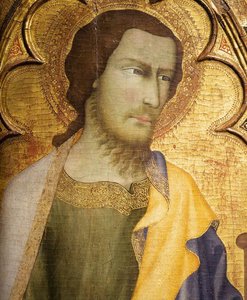
andrea di vanni d'andrea
1332 - 1414 , Italy
Kratke činjenice
- Artistic Movement Or Style: Early Renaissance
- Artists Who Influenced This Artist:
- Simone Martini
- Pietro Lorenzetti
- Date Of Birth: 1332
- Date Of Death: 1414
- Full Name: Andrea di Vanni d'Andrea
- Nationality: Italian
- Notable Artworks:
- Enthroned Madonna
- St. Paul
- Portrait of St. Catherine of Siena
- Polyptych in Santo Stefano alla Lizza
- Place Of Birth: Siena, Italy

