 Pregledaj u prostoru
 Pošalji
 Podeli
 Detalji o delu

 Преузми
 Slični predmeti
 Rendgenski snimak
 Slajdovi
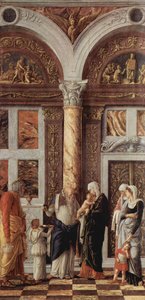
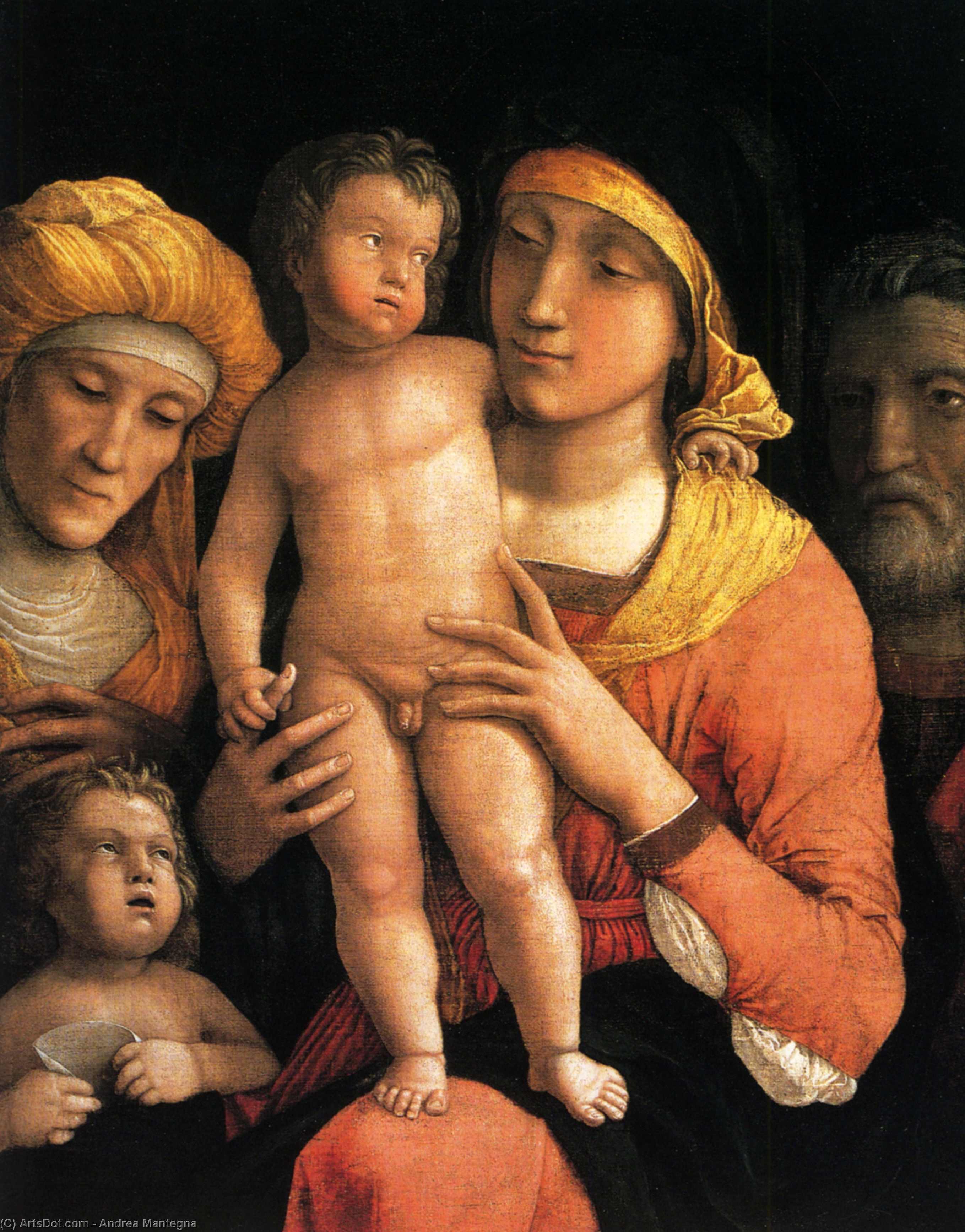
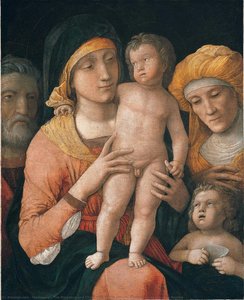
The Holy Family with Saint Elizabeth and the Infant John the Baptist


 Pročitaj više
Giclee štampa / Umetnički otisak
Giclée štampa ili print na platnu muzejskog kvaliteta uz brzu proizvodnju i fleksibilne opcije završne obrade. ( Kupi ručno naslikanu sliku Kupi digitalnu sliku)




P118B $10

P118H $10

P118W $10

P438Z $10

P508JH $12

P508YH $12

P805H $10

P805Z $10

P919BZ $10

P919G $10

P919XJ $10

P959ZH $10

P968JZ $12

W106C $8

W218G $10

W218JH $8

W218Y $10

W307PJ $10

W316G $10

W316PJ $8

W316Y $10

W398PJ $8

W4111J $10

W500HY $15

W500JH $15

W692G $12

W849H $8

W940BG $15

W953PJ $8




Izaberite jednu od naših unapred definisanih veličina koje odgovaraju originalnim proporcijama umetničkog dela.

Možete uneti sopstvene dimenzije kako biste umetničko delo prilagodili specifičnom okviru ili prostoru. Ako odabrani format ne odgovara proporcijama originalne slike, mi ćemo ili iscrtati deo dela ili proširiti sliku pomoću ogledane ivice ili jednobojnog popunjavanja. Digitalni prikaz će vam biti poslat na odobrenje pre početka proizvodnje.
Imajte na umu da pregled na ekranu ne odražava stvarno iscrtavanje ili proširivanje. Samo će prikaz (mockup) precizno pokazati finalnu kompoziciju.
Iako su prilagođene dimenzije dostupne, preporučujemo da odaberete dimenziju sa unapred definisane liste kako biste očuvali originalne proporcije.
Dostava širom sveta () za 2 nedelje umesto uobičajenih 4/5 nedelja. (1 септембар)

Besplatna ekspresna dostava širom sveta

Visokokvalitetno laneno platno

Kompletno osiguranje transporta

Garancija povraćaja carine i uvoznih dažbina

Garancija vernosti boja

Politika povrata u roku od 60 dana (samo u slučaju nedostataka)

Garancija povrata novca od 100%

Popust pri grupnoj kupovini
 Opcija sa staklom dostupna je samo za dimenzije manje od 110 cm

The Holy Family with Saint Elizabeth and the Infant John the Baptist
Giclee štampa / Umetnički otisak
Dimenzije reprodukcije
-


Konačna cena
$ 62
A Window into Renaissance Devotion: Mantegna’s “The Holy Family with Saint Elizabeth and the Infant John the Baptist”
Andrea Mantegna's "The Holy Family with Saint Elizabeth and the Infant John the Baptist" is more than just a depiction of a biblical scene; it’s a meticulously crafted meditation on family, faith, and the enduring power of maternal love. Completed around 1504-1506, this painting, currently residing in the Basilica di Sant'Andrea in Mantua, Italy, offers a rare glimpse into the artist’s distinctive vision – one deeply rooted in classical antiquity yet imbued with a profoundly human sensibility. Mantegna, a pivotal figure bridging the Early and High Renaissances, wasn’t simply replicating religious iconography; he was actively excavating the spirit of Rome itself, seeking to resurrect its grandeur within the burgeoning Italian artistic landscape. Unlike many of his contemporaries who relied solely on classical models, Mantegna possessed an almost obsessive fascination with archaeological accuracy, a passion fueled by his formative years spent studying Roman ruins and inscriptions under the tutelage of Francesco Squarcione – a painter and collector whose workshop functioned as a living museum dedicated to the remnants of a lost empire. This dedication is immediately apparent in the painting’s sculptural forms, dramatic perspective, and an overall sense of monumental stillness.- Compositional Innovation: Mantegna masterfully employs a radical, almost unsettling, perspective. The viewer isn't positioned as a passive observer but rather placed at the feet of Christ, creating an immediate and intimate connection with the central figure. This unconventional vantage point, coupled with the foreshortened figures, generates a powerful sense of drama and draws the eye into the heart of the scene.
- Color and Symbolism: The deliberate use of red clothing for all three principal figures – Mary, Elizabeth, and John – is profoundly significant. Red has long been associated with Christ’s sacrifice and his role as the Lamb of God within Christian tradition. This unified color scheme reinforces their sacred status and underscores the familial connection to the divine.
- Domesticity Amidst Divinity: Notice the subtle inclusion of domestic details—the two cups, a simple gesture that hints at a moment of respite within this deeply spiritual setting. These small touches ground the scene in a sense of everyday life, reminding us that even within the realm of faith, family and human connection remain central themes.
The Echoes of Antiquity: Mantegna’s Renaissance Vision
Mantegna's artistic approach was fundamentally shaped by his deep engagement with Roman antiquity. He wasn’t content to merely imitate classical forms; he sought to understand the underlying principles that governed their design and construction. This is evident in the painting’s meticulous attention to detail, its use of architectural elements reminiscent of Roman temples and basilicas, and its overall sense of monumentality. He deliberately lowered the horizon line – a technique borrowed from ancient Roman wall paintings – creating an illusion of greater height and grandeur. This departure from traditional Renaissance perspective demonstrates Mantegna's conscious effort to emulate the visual language of antiquity, imbuing his work with a timeless quality. The figures themselves possess a subtly sculptural quality, reminiscent of Roman statues, further emphasizing this connection to the classical world. Further Research:** Exploring Piazza Andrea Mantegna in Mantua offers a tangible link to the artist’s life and legacy. This square is named in his honor and houses significant buildings related to his work, including the Basilica di Sant'Andrea itself, where "The Holy Family" resides. The Museo Civico di Palazzo San Faustino also showcases a remarkable collection of Mantegna drawings and prints, providing invaluable insights into his artistic process.*Marian Art and Maternal Love
“The Holy Family with Saint Elizabeth and the Infant John the Baptist” firmly establishes itself within the rich tradition of Marian art – depictions of Mary, Jesus, and John the Baptist. This theme has been a cornerstone of Catholic iconography for centuries, serving as a powerful visual representation of the Virgin’s role as mother, mediator, and embodiment of divine grace. The scene powerfully emphasizes the concept of maternal love, with Mary cradling her infant son while Elizabeth offers support and guidance to the young mother. The intimate interaction between these three figures speaks volumes about the importance of family bonds within the Christian faith. It's a poignant reminder of the sacredness of motherhood and the enduring connection between generations. Additional Note:* The painting’s similarity to Bronzino’s “Holy Family with Saint Anne and the Infant Saint John” highlights a shared artistic language and reflects the influence of Mannerism, a style characterized by elongated figures, complex compositions, and an emphasis on emotional expression.*A Masterpiece for Reproduction: Bringing Mantegna's Vision Home
ArtsDot offers meticulously hand-painted reproductions of “The Holy Family with Saint Elizabeth and the Infant John the Baptist,” capturing the essence of Mantegna’s artistic genius. Our skilled artisans replicate every detail – from the subtle nuances of color to the intricate textures of the clothing – ensuring that your reproduction is a faithful representation of this iconic masterpiece. Whether you're seeking an exquisite addition to your art collection or a striking focal point for your interior design, our reproductions provide a beautiful and authentic way to experience the enduring power of Mantegna’s vision. Explore our gallery today and discover the perfect piece to illuminate your space with the spirit of Renaissance devotion.Srodna umetnička dela

Biografija umetnika
Andrea Mantegna: Arheolog i Vizionar Rane Renesanse
Andrea Mantegnjin život i delo predstavljaju fascinantan spoj arheološke strasti, vizionarske umetnosti i dubokog razumevanja klasične antike. Rođen oko 1431. godine u blizini Padove, na teritoriji tadašnje Republike Venecije, Mantegna je bio više od običnog slikara; on je bio iskreno posvećen revitalizaciji duha antičkog Rima u novom italijanskom društvu. Njegovo detinjstvo i rana mladost provedena su pod mentorstvom Franchesca Squarcionea, čija radionica nije bila samo škola slikarstva već i svojevrsni muzej drevnih reljefa, statua i natpisa. U tom okruženju, okružen fragmentima izgubljenog carstva, Mantegnjina umetnost počinje da se kristališe – karakteristična po skulpturalnim formama, dramatičnoj perspektivi i gotovo opsesivnom pogledu na detalje. Njegova rana ambicija i talenat bili su očigledni, a raskol sa Squarcioneom u mladosti svedoči o njegovoj odlučnosti da se oslobodi uticaja i krene sopstvenim putem.Mantua i Iluzionističko Majstorstvo
Karlovanje službe pod Gonzagama u Mantovi predstavljaju ključni trenutak u Mantegnjinoj karijeri. U ovom okruženju, dobio je neviđenu umetničku slobodu i priliku da realizuje svoje najambicioznije projekte. Najpoznatije od njih je svakako *Camera degli Sposi* (Venčana soba) u Palazzo Ducale – remek-delo koje prevazilazi granice obične dekoracije. To je potpuni iluzionistički prostor, gde se arhitektura i slika spajaju da bi stvorili produžen osećaj prostora. Freske prikazuju scene iz života porodice Gonzaga, sa neverovatno realističnim portretima koji angažuju gledaoca. Posebno impresivna je *di sotto in sù* (sa donjeg nivoa) perspektiva na plafonu, koja stvara iluziju otvorenog neba. Ova majstorska manipulacija perspektivom nije samo tehnička veština; ona gradi svet unutar sobe, bršeći granice između stvarnosti i reprezentacije. Osim *Camera degli Sposi*, Mantegna je za potrebe Gonzagove porodice stvarao i monumentalne serije kao što su *Trijumfi Cezara*. Ove slike, inspirisane rimskim trijumfalnim procesijama, nisu samo istorijski prikaz; one su složene alegorije koje slave moć i prestiž porodice Gonzaga, sa grandioznošću koja se meri s ambicijama drevnog Rima.Perspektiva, Anatomija i Klasicizam
Mantegnjine umetničke inovacije protežu se daleko izvan iluzionističkih prostora. On je bio pionir u korišćenju perspektive, često primenjujući tehnike koje su išle protiv konvencionalnih metoda kako bi postigao dramatične efekte. Često je podesio horizontu liniju, stvarajući osećaj monumentalnosti i impozantne skale. Ova tehnika, u kombinaciji sa njegovom pažnjom na detalje anatomije, daju figurama neuporedivo prisustvo i težinu. Njegova veština *trompe-l'oeil* – kreiranje iluzija koje su tako ubedljive da zavaravaju oko – dodatno je pojačala ovaj efekat, bršeći granice između slikarstva i stvarnosti. Ta posvećenost anatomskoj preciznosti nije samo tehnička veština; ona odražava njegovu duboku povezanost sa klasičnom skulpturom i želju da oponaša idealne oblike antike.Nasleđe i Trajni Uticaj
Andrea Mantegna je umro u Mantovi 1506. godine, ostavivši iza sebe nasleđe koje i danas inspirishe umetničke istoričare i ljubitelje umetnosti. Njegovo delo predstavlja ključni prekretnicu u istoriji renesansne umetnosti, premošćujući jaz između ranog i visokog perioda. On nije bio samo imitator antičkih formi; on je bio tumač, prilagođavajući drevne motive i tehnike da bi stvorio nešto potpuno novo i jedinstveno svoje. Njegova pažnja na detalje, majstorstvo perspektive i duboka povezanost sa antikom učinili su ga vodećom figurom svog vremena. Istraživanje klasične tematike pomoglo je da se obnovi interesovanje za drevnu umetnost i kulturu, otvarajući put umetničkim dostignućima Visoke renesanse. Njegov uticaj se može videti u delima bezbrojnih umetnika koji su ga sledili, od Raphaelove graciozne kompozicije do Michelangeloovih moćnih figura. Danas, njegove slike se nalaze u glavnim muzejima širom sveta, gde i dalje izazivaju divljenje i poštovanje.- Njegova inovativna upotreba perspektive nastavlja da se proučava od strane umetnika i istoričara umetnosti.
- Njegova anatomski preciznost ostaje merilo za realističku reprezentaciju.
- Njegova posvećenost klasičnim temama je oblikovala tok renesansne umetnosti.
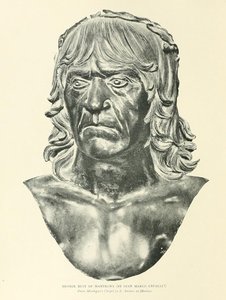
Андреа Мантења
1431 - 1506 , Италија
Osnovne informacije
- Datum Rođenja: c. 1431
- Izražajna Pokretanja: Rana renesansa
- Mesto Rođenja: Isola di Carturo, Italija
- Nacionalnost: Italijan
- Puno Ime: Andrea Mantegna
- Umetnici Pod Uticajem:
- Rafael
- Mihailo Anđelo
- Uticajni Umetnici:
- Donatello
- Jacopo Bellini
- Značajni Dela:
- San Zeno oltar
- Agonija u vrtu
- Kamera degli Sposi
- Trijumfi Cezara
Povezani članci
25 Remek-dela Džona Singera Sargenta: Portreti Elegancije i Svetlosti | ArtsDot
Uronite u svet Džona Singera Sargenta! Otkrijte 25 remek-dela impresionizma i realizma, od portreta Madame X do fascinantnih akvarela. Inspiracija za dekoraciju enterijera & luksuzne reprodukcije slika na ArtsDot.com.

25 Remek-dela Džona Konstebla: Lepota Engleske na Platnu | ArtsDot
Uronite u svet Džona Konstebla! Otkrijte 25 remek-dela engleskog pejzaža, romantizma i seoske idile. Kupite reprodukcije slika vrhunskog kvaliteta za dekoraciju enterijera na ArtsDot.com.
The Enduring Legacy of Family Portraiture: A Historical & Artistic Exploration
Explore the rich history of family portraiture with ArtsDot. Discover artistic styles, symbolism & collecting insights. Commission a custom oil painting or appraise your existing artwork today!
Evolving Portraits: Personalized Art as a Chronicle of Family Life Across Generations
Create a timeless family legacy with custom portraits! ArtsDot connects you with skilled artists for heirloom-quality paintings & prints. Explore styles, commission your unique artwork today.
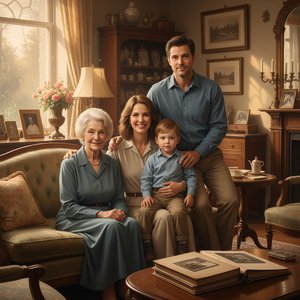
Porodica u sliku: Vekovni portret generacija – inspirativni vodič za mame
Otkrijte kako da sa profesionalnim umetnikom stvorite generacijski porodični portret koji čuva ličnu baštinu. Naš tim stručnjaka garantuje autentičnost, kvalitet i pouzdanost – vašim najdražim trenucima u platnom obliku.