

 Pregledaj u prostoru
 Pošalji
 Podeli
 Detalji o delu

 Преузми
 Slični predmeti
 Rendgenski snimak
 Slajdovi
 Stats
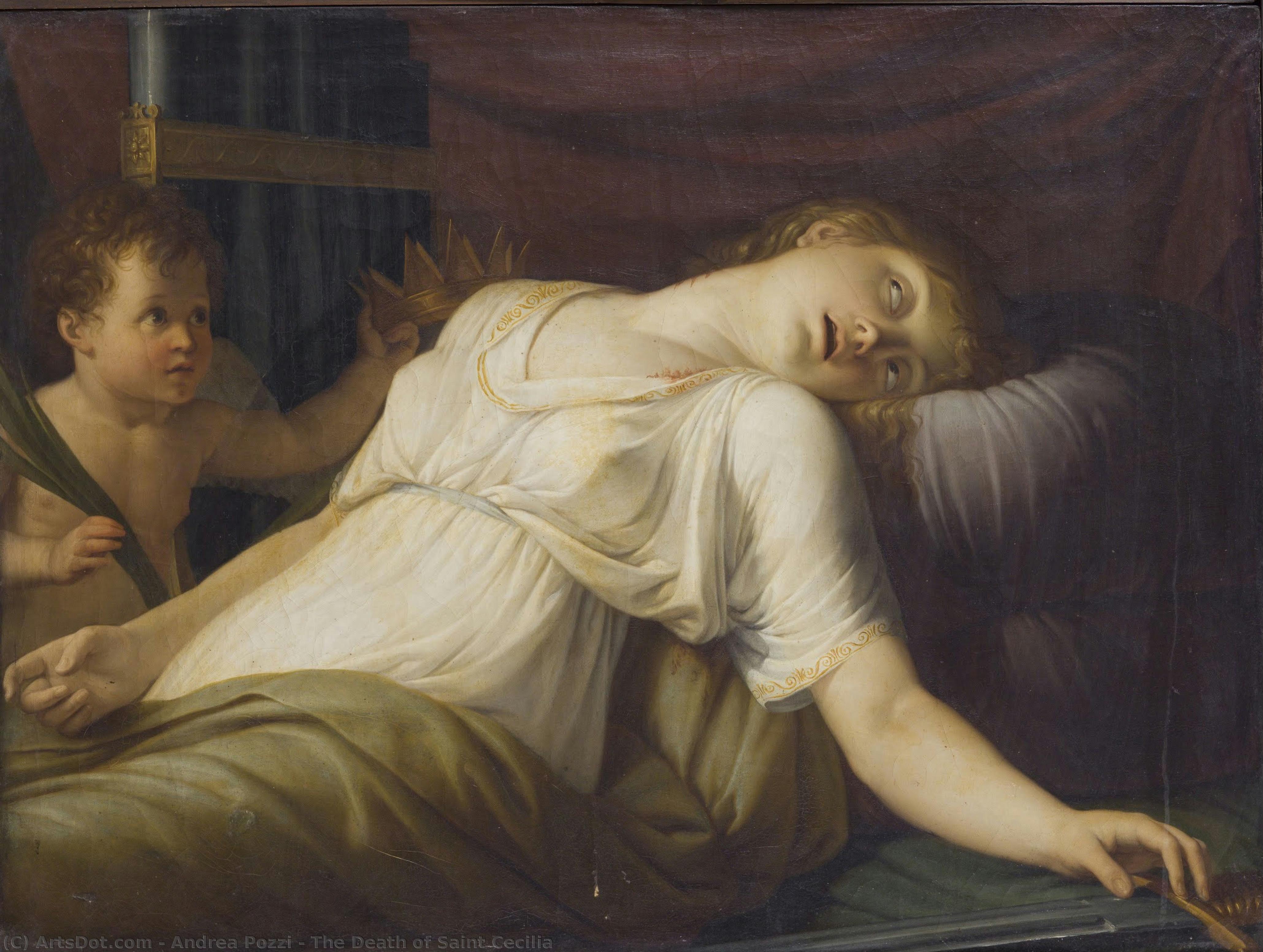
StatsThe Death of Saint Cecilia

 Pročitaj više
Giclee štampa / Umetnički otisak
Giclée štampa ili print na platnu muzejskog kvaliteta uz brzu proizvodnju i fleksibilne opcije završne obrade. ( Kupi ručno naslikanu sliku Switch to Digital Image)




































Izaberite jednu od naših unapred definisanih veličina koje odgovaraju originalnim proporcijama umetničkog dela.

Možete uneti sopstvene dimenzije kako biste umetničko delo prilagodili specifičnom okviru ili prostoru. Ako odabrani format ne odgovara proporcijama originalne slike, mi ćemo ili iscrtati deo dela ili proširiti sliku pomoću ogledane ivice ili jednobojnog popunjavanja. Digitalni prikaz će vam biti poslat na odobrenje pre početka proizvodnje.
Imajte na umu da pregled na ekranu ne odražava stvarno iscrtavanje ili proširivanje. Samo će prikaz (mockup) precizno pokazati finalnu kompoziciju.
Iako su prilagođene dimenzije dostupne, preporučujemo da odaberete dimenziju sa unapred definisane liste kako biste očuvali originalne proporcije.
Dostava širom sveta () za 2 nedelje umesto uobičajenih 4/5 nedelja. (8 септембар)

Besplatna ekspresna dostava širom sveta

Visokokvalitetno laneno platno

Kompletno osiguranje transporta

Garancija povraćaja carine i uvoznih dažbina

Garancija vernosti boja

Politika povraćaja u roku od 100 dana (isključivo u slučaju nedostataka)

Garancija povrata novca od 100%

Popust pri grupnoj kupovini
 Opcija sa staklom dostupna je samo za dimenzije manje od 110 cm

The Death of Saint Cecilia
Giclee štampa / Umetnički otisak
Dimenzije reprodukcije
-


Konačna cena
$ 62
Srodna umetnička dela



Biografija umetnika
Andrea Pozzi: A Master of Roman Illusion
Born in Rome in 1778, Andrea Pozzi emerged as a pivotal figure within the vibrant artistic landscape of early 19th-century Italy. His career, largely centered on the Eternal City, was defined by a masterful command of Baroque techniques and an innovative approach to perspective – a skill that would ultimately cement his legacy as one of Rome’s most celebrated illusionistic painters. Pozzi wasn't merely a recorder of religious and mythological scenes; he was a sculptor of space, transforming ordinary walls into breathtaking vistas.
Pozzi’s artistic journey began within the esteemed Accademia di San Luca, where he honed his skills under the tutelage of established masters. This rigorous training instilled in him a deep understanding of classical principles and a commitment to anatomical accuracy – qualities that underpinned his meticulous approach to painting. However, it was Pozzi's fascination with the possibilities of visual deception that truly set him apart. He wasn’t content with simply depicting reality; he sought to enhance it, to create an experience for the viewer that transcended the limitations of a single plane.
The Art of Illusion: Frescoes and Architectural Integration
Pozzi's most enduring achievements lie in his monumental frescoes, particularly those executed within churches and public buildings throughout Rome. His work on the Chiesa dei Santi Andrea e Stefano in Marciano della Chiana is a prime example of this innovative approach. Here, he didn’t just paint a ceiling; he created an illusion of depth, extending the church's interior space far beyond its physical boundaries. The perspective tricks, meticulously crafted through careful study and execution, are remarkably convincing – a testament to Pozzi’s genius.
Perhaps his most famous work is the ceiling fresco in the Chiesa di Sant'Andrea delle Boccase, often referred to as the “Cupola della Pigna” (Dome of the Pinecone). This masterpiece is considered a landmark achievement in Baroque illusionism. Pozzi cleverly concealed the fact that he was painting over an existing, smaller dome, transforming it into a grand, open space filled with architectural details and figures. The entire composition appears to float effortlessly within the confines of the ceiling, a breathtaking demonstration of his technical prowess and artistic vision.
Religious and Mythological Themes
While renowned for his illusionistic techniques, Pozzi’s output encompassed a diverse range of subjects. He frequently depicted scenes from the Bible – including works like ‘Virgin and Saints’ for the city of Camerino and ‘Martyrdom of St. Stephen’ – alongside mythological narratives drawn from classical antiquity. These religious and mythological commissions reflect the prevailing artistic tastes of his time, aligning with the Catholic Church's patronage and its desire to visually communicate profound theological concepts.
His depictions often combined a meticulous attention to detail with a dramatic use of light and shadow, characteristic of the Baroque style. Figures are rendered with lifelike realism, while architectural elements are imbued with a sense of grandeur and monumentality. Pozzi’s ability to seamlessly integrate these diverse elements into cohesive compositions is a hallmark of his artistic skill.
Legacy and Influence
Andrea Pozzi's impact on the art world extends far beyond his individual works. He served as president of the Accademia di San Luca for many years, contributing significantly to the development of artistic education in Rome. His innovative approach to perspective influenced subsequent generations of painters, particularly those working within the Baroque and Rococo styles. His legacy is not simply one of technical mastery but also of a profound understanding of how art can shape our perception of space and reality.
Pozzi’s work continues to captivate viewers today, offering a glimpse into the artistic brilliance of 18th-century Rome. His frescoes remain powerful testaments to his skill, imagination, and enduring contribution to the history of Italian art.

andrea pozzi
1778 - 1833 , Italy
Osnovne informacije
- Artistic Movement Or Style: Baroque
- Date Of Birth: Rome, Italy 1778
- Date Of Death: 1833
- Full Name: Andrea Pozzi
- Nationality: Italian
- Notable Artworks:
- Virgin and Saints
- Martyrdom of St. Stephen
- Place Of Birth: Rome, Italy