

 Pregledaj u prostoru
 Pošalji
 Podeli
 Detalji o delu

 Преузми
 Slični predmeti
 Rendgenski snimak
 Slajdovi
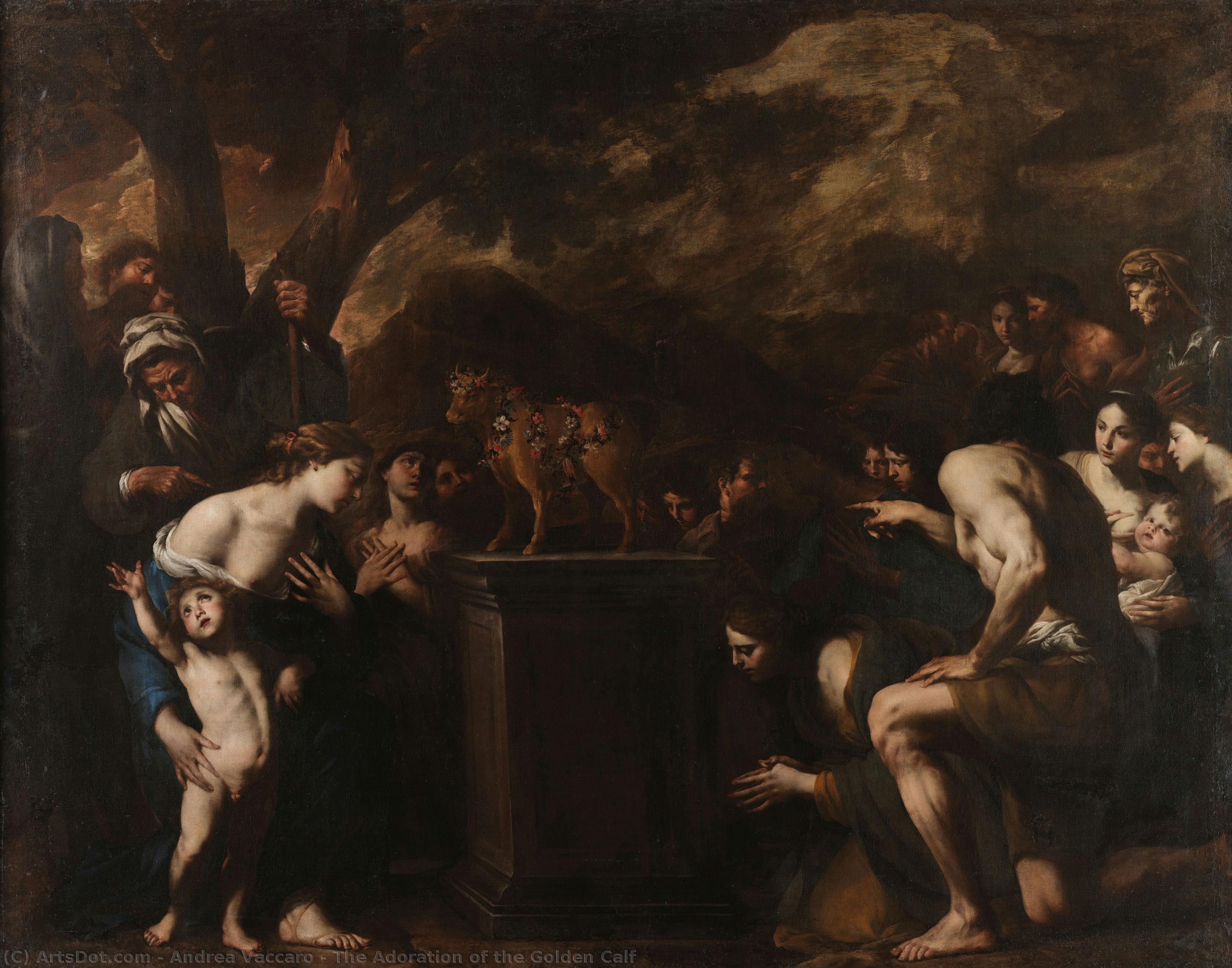
The Adoration of the Golden Calf


 Pročitaj više
Kupite digitalnu sliku visoke rezolucije i poboljšanog kvaliteta, koja je znatno superiornija od onoga što vidite u online prikazu.
Svaka datoteka je pedantno pripremljena od strane naših stručnjaka koristeći napredne alate i profesionalnu ručnu retušu. Osiguravamo da svaka slika ima izuzetnu oštrinu, preciznu reprodukciju boja i fine detalje.
Konačna datoteka se dostavlja putem e-pošte u roku od 72 sata, optimizovana za neposrednu upotrebu u profesionalnim, izdavačkim i štamparskim okruženjima. To je isti kvalitet kojem veruju vrhunski studiji dizajna, izdavači i galerije.
Digitalna slika
Preuzmite datoteku visoke rezolucije za ličnu upotrebu, štampanje i kreativne projekte. ( Kupi print Kupi ručno naslikanu sliku)
Uključeno uz svaku porudžbinu digitalne slike
Profesionalna digitalna isporuka, zagarantovana
Kada odaberete ArtsDot.com, ne dobijate samo sliku – vi primate profesionalno unapređeno digitalno umetničko delo, izrađeno sa najvećom preciznošću i uz garanciju zadovoljstva. Evo svega što automatski dolazi uz vašu porudžbinu:

Brza dostava putem e-pošte
Vaša digitalna slika visoke rezolucije biće vam poslata putem e-pošte u roku od 72 sata od poručivanja – spremna za trenutnu upotrebu.

Digitalna datoteka unapređena veštačkom inteligencijom
Vaše umetničko delo je profesionalno optimizovano korišćenjem naprednih AI alata i ručne obrade, čime se osiguravaju maksimalni detalji, oštrina i preciznost boja.

Besplatna ponovna isporuka doživotno
Slučajno ste obrisali ili izgubili svoju datoteku? Ne brinite – poslaćemo vam je ponovo u bilo kom trenutku, potpuno besplatno.

Bez troškova uvoza – zauvek
Uživajte u svojim umetničkim delima trenutno, bez carine, dažbina ili troškova dostave – digitalni download je uvek bez poreza.

Garancija vernosti boja
Uz pomoć profesionalnih alata i upravljanja bojama, osiguravamo da vaša digitalna slika što vernije odražava originalne boje.

Garancija zadovoljstva u roku od 60 dana
Ako niste zadovoljni svojom digitalnom slikom, revidirat ćemo je ili vratiti 100% novca u roku od 60 dana – bez ikakvih pitanja.

100% garancija povrata novca
Niste zadovoljni? Obezbedite pun povrat novca u roku od 60 dana od trenutka kada ste primili svoju digitalnu datoteku – bez suvišnih pitanja.

Popusti na velike porudžbine
Kupite 3 slike, uštedite 10% - Kupite 5 slika, uštedite 15% - Kupite 10+ slika, uštedite 20%. Odlično za kreativne projekte, galerije i agencije.
A Moment of Divine Betrayal: Andrea Vaccaro’s “The Adoration of the Golden Calf”
Andrea Vaccaro's "The Adoration of the Golden Calf," painted in 1645, isn’t merely a religious scene; it’s a visceral depiction of human fallibility and the devastating consequences of misplaced devotion. This monumental canvas, now housed within the Museo di Capodimonte in Naples, immediately commands attention with its dramatic chiaroscuro – the stark contrast between light and shadow that defines Vaccaro's signature style. The painting plunges us directly into a chaotic moment of transgression, capturing not just an event from Exodus but also the raw emotion of betrayal and the intoxicating allure of idolatry.
Vaccaro masterfully employs Caravaggio’s techniques – particularly his use of tenebrism – to heighten the drama. The figures are rendered with a startling realism, their faces etched with expressions of ecstasy, confusion, and ultimately, shame. The golden calf itself is not idealized; it's a crude, almost vulgar representation of divinity, reflecting the Israelites’ immediate desire for earthly gratification rather than spiritual understanding. Notice how Vaccaro doesn’t shy away from depicting the animals – two dogs, one near the center and another on the right – adding an unsettling layer to the scene, suggesting the primal instincts that fueled this act of rebellion.
Baroque Drama and Neapolitan Influence
Painted during the height of the Baroque period in Naples, “The Adoration of the Golden Calf” embodies the era’s penchant for theatricality and emotional intensity. Vaccaro was deeply influenced by Caravaggio's revolutionary approach to painting – his emphasis on direct observation, dramatic lighting, and emotionally charged figures – but he also incorporated elements from other artistic traditions, including Guido Reni and Anthony van Dyck, reflecting the vibrant cultural landscape of Naples at the time. The composition itself is carefully constructed, guiding the viewer’s eye through the scene with a dynamic interplay of diagonals and converging lines, creating a sense of movement and urgency.
The historical context is crucial to understanding the painting's power. It was created during a period when the Papal States controlled Naples, and religious fervor – both genuine and manipulative – played a significant role in shaping society. The story of the golden calf serves as a potent warning against idolatry and the dangers of succumbing to earthly desires. Vaccaro doesn’t offer a simple moral judgment; instead, he presents a complex portrayal of human behavior, capturing the seductive power of illusion and the tragic consequences of disobedience.
Symbolism and Emotional Resonance
Beyond its narrative content, “The Adoration of the Golden Calf” is rich in symbolism. The golden calf itself represents not just material wealth but also false idols – anything that replaces true faith and divine connection. The dancing figures embody the intoxicating allure of earthly pleasures, while Moses’ anguished expression reflects his profound disappointment and sorrow. The presence of the dogs can be interpreted as symbols of temptation and primal instincts, further emphasizing the painting's themes of transgression and moral decay.
Vaccaro masterfully evokes a sense of unease and emotional turmoil within the viewer. The painting’s dramatic lighting, intense colors, and dynamic composition combine to create a powerful visual experience that lingers long after it has been viewed. It is a testament to Vaccaro's skill as a painter and his ability to capture the complexities of human nature – our capacity for both great devotion and profound betrayal.
Consider how this painting resonates with contemporary concerns about consumerism, idolatry in modern forms, and the struggle between faith and worldly desires. “The Adoration of the Golden Calf” remains a timeless masterpiece, offering a poignant reflection on the enduring challenges of human morality and the pursuit of true spiritual understanding.
Srodna umetnička dela

Biografija umetnika
Andrea Vaccaro: A Leading Neapolitan Baroque Painter
- Born: Naples, Italy (1604)
- Died: 1670
Early Life and Training
Andrea Vaccaro was born in Naples in 1604, the son of Pietro Baccaro, a legal professional, and Gioanna di Glauso. Initially pursuing literary studies, he later turned to art. Contrary to earlier beliefs that he apprenticed under Girolamo Imparato, it is now known that Imparato died before Vaccaro began his artistic journey. At the age of 16, Vaccaro was apprenticed to Giovanni Tommaso Passaro, a lesser-known artist. Very little documentation exists regarding this early phase of his career.
Artistic Development and Influences
Around 1620, Vaccaro's paintings began exhibiting the influence of Caravaggio and his Neapolitan followers. He reportedly created a copy of Caravaggio’s “Flagellation,” which was once displayed alongside the original in San Domenico Maggiore. After 1630, Vaccaro broadened his artistic horizons, drawing inspiration from Guido Reni, Anthony van Dyck, and Pietro Novelli. He produced copies of their works for Neapolitan collectors and art dealers, suggesting he may have also been involved in art dealing himself – a common practice among Neapolitan painters of the time.
Career Highlights and Patronage
Vaccaro’s career flourished, with his paintings becoming highly sought after throughout Naples and beyond. He secured patronage from various sources, including religious orders and noble patrons in Spain, beginning around 1635. Notably, he received significant support from Gaspar de Bracamonte, the Spanish viceroy of Naples. The plague devastated Naples in 1656, claiming many artists, but Vaccaro continued to receive commissions, most notably for frescoes in the Theatine Church of San Paolo Maggiore – his sole fresco commission.
Legacy and Artistic Significance
Vaccaro was a founding member and head of the 'congrega dei ss anna e luca,' a painter's guild aimed at elevating the status of artists in Naples. Between 1650 and 1670, his art significantly influenced Neapolitan painting alongside figures like Massimo Stanzione and the emerging Luca Giordano. Vaccaro’s stylistic development is complex, initially marked by Caravaggio’s tenebrism before evolving to incorporate influences from Reni, Van Dyck, and Cavallino. His monogram, composed of interlaced "A" and "V" initials, appears on several of his works. Attributing authentic works remains challenging due to the large scale of his workshop and the prevalence of copies.

Andrea Vaccaro
1604 - 1670 , Italy
Kratke činjenice
- Artistic Movement Or Style: Baroque
- Artists Or Movements Influenced By This Artist: ['Luca Giordano']
- Artists Who Influenced This Artist:
- Caravaggio
- Guido Reni
- Anthony van Dyck
- Date Of Birth: 1604
- Date Of Death: 1670
- Full Name: Andrea Vaccaro
- Nationality: Italian
- Place Of Birth (City And Country): Naples, Italy

