

 Pregledaj u prostoru
 Pošalji
 Podeli
 Detalji o delu

 Преузми
 Slični predmeti
 Rendgenski snimak
 Slajdovi
 Stats
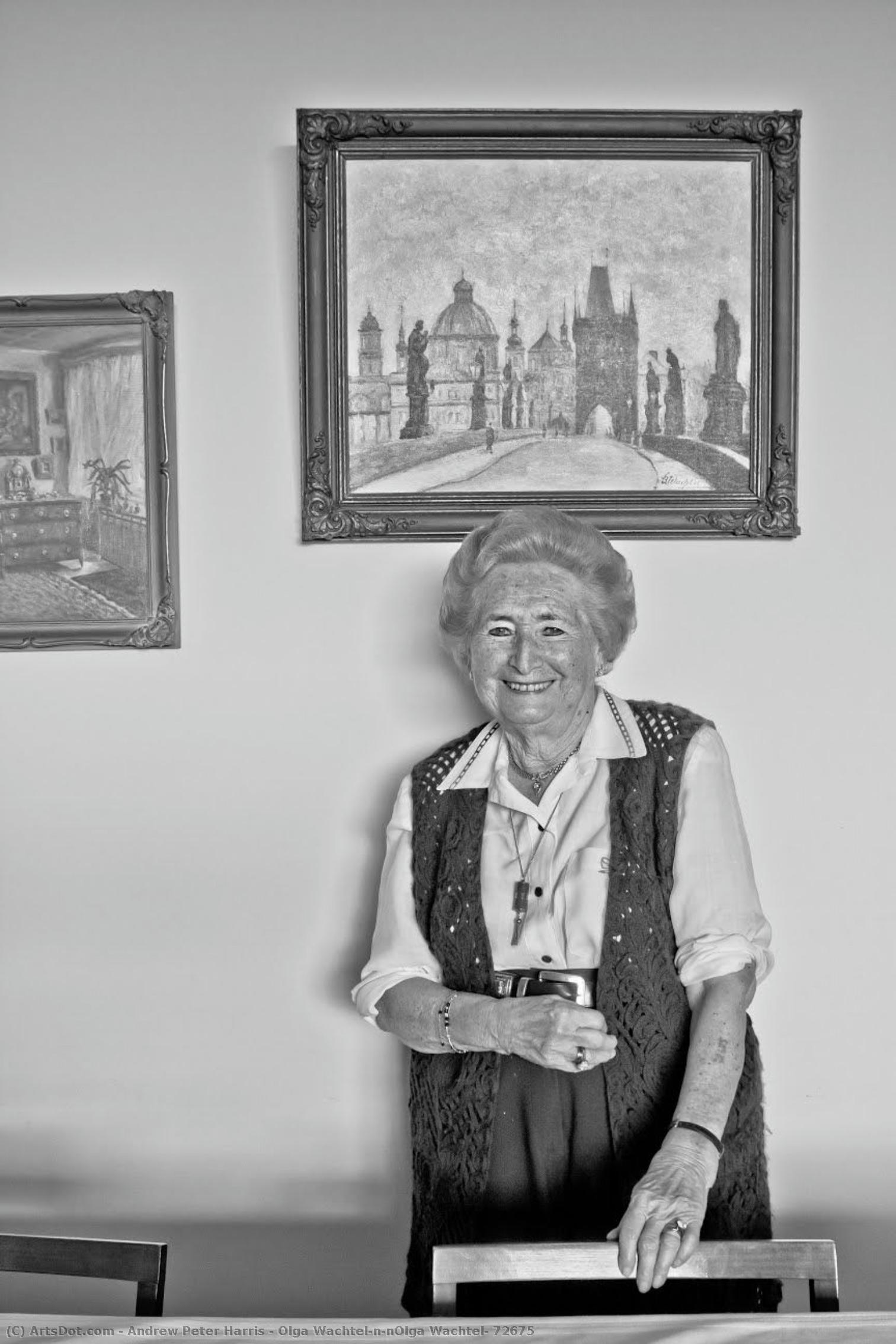
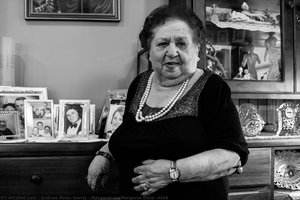
StatsOlga Wachtel\n\nOlga Wachtel, 72675


 Pročitaj više
Kupite digitalnu sliku visoke rezolucije i poboljšanog kvaliteta, koja je znatno superiornija od onoga što vidite u online prikazu.
Svaka datoteka je pedantno pripremljena od strane naših stručnjaka koristeći napredne alate i profesionalnu ručnu retušu. Osiguravamo da svaka slika ima izuzetnu oštrinu, preciznu reprodukciju boja i fine detalje.
Konačna datoteka se dostavlja putem e-pošte u roku od 72 sata, optimizovana za neposrednu upotrebu u profesionalnim, izdavačkim i štamparskim okruženjima. To je isti kvalitet kojem veruju vrhunski studiji dizajna, izdavači i galerije.
Digitalna slika
Preuzmite datoteku visoke rezolucije za ličnu upotrebu, štampanje i kreativne projekte. ( Switch to Print Kupi ručno naslikanu sliku)
Uključeno uz svaku porudžbinu digitalne slike
Profesionalna digitalna isporuka, zagarantovana
Kada odaberete ArtsDot.com, ne dobijate samo sliku – vi primate profesionalno unapređeno digitalno umetničko delo, izrađeno sa najvećom preciznošću i uz garanciju zadovoljstva. Evo svega što automatski dolazi uz vašu porudžbinu:

Brza dostava putem e-pošte
Vaša digitalna slika visoke rezolucije biće vam poslata putem e-pošte u roku od 72 sata od poručivanja – spremna za trenutnu upotrebu.

Digitalna datoteka unapređena veštačkom inteligencijom
Vaše umetničko delo je profesionalno optimizovano korišćenjem naprednih AI alata i ručne obrade, čime se osiguravaju maksimalni detalji, oštrina i preciznost boja.

Besplatna ponovna isporuka doživotno
Slučajno ste obrisali ili izgubili svoju datoteku? Ne brinite – poslaćemo vam je ponovo u bilo kom trenutku, potpuno besplatno.

Bez troškova uvoza – zauvek
Uživajte u svojim umetničkim delima trenutno, bez carine, dažbina ili troškova dostave – digitalni download je uvek bez poreza.

Garancija vernosti boja
Uz pomoć profesionalnih alata i upravljanja bojama, osiguravamo da vaša digitalna slika što vernije odražava originalne boje.

Garancija zadovoljstva od 100 dana
Ako niste zadovoljni svojom digitalnom slikom, izvršićemo reviziju ili ćemo vam vratiti 100% novca u roku od 100 dana – bez ikakvih pitanja.

100% garancija povrata novca
Niste zadovoljni? Dobijte puni povraćaj novca u roku od 100 dana od prijema digitalne datoteke – bez suvišnih pitanja.

Popusti na velike porudžbine
Kupite 3 slike, uštedite 10% - Kupite 5 slika, uštedite 15% - Kupite 10+ slika, uštedite 20%. Odlično za kreativne projekte, galerije i agencije.
Srodna umetnička dela







Biografija umetnika
Andrew Peter Harris: Bridging Politics and Vision
Andrew Peter Harris is a compelling figure, simultaneously a prominent U.S. Representative for Maryland’s 1st Congressional District and a practicing physician. Born in New York City in 1957, his life has been shaped by both the demands of public service and the deeply personal dedication to healing – experiences that undoubtedly inform the unique perspective evident in his artwork. While perhaps less widely known than some contemporary political artists, Harris’s work offers a fascinating intersection between the tangible realities of governance and the evocative power of visual representation. His background as a physician likely imbues his pieces with an underlying sensitivity to human form and experience, while his role as a politician undoubtedly shapes his engagement with themes of power, identity, and social commentary.
Harris’s artistic journey began in earnest after he moved to Maryland, establishing himself as a practicing physician before transitioning into the political arena. His art is not simply a secondary pursuit; it's an integral part of his creative expression, allowing him to explore complex ideas and emotions beyond the confines of legislative debate. His work frequently draws upon regionalist influences, reflecting a deep connection to the landscapes and people of Maryland – a region rich in history and diverse communities. The use of color, texture, and composition suggests a deliberate effort to capture not just visual likeness but also the spirit and essence of his subjects.
Exploring Themes Through Portraiture
A significant portion of Harris’s artistic output centers around portraiture. These are rarely straightforward depictions; instead, they often feel imbued with layers of meaning. He frequently portrays individuals in moments of contemplation or action, capturing a sense of inner life and emotional resonance. The subjects range from political figures to everyday citizens, suggesting an interest in exploring the complexities of human experience across various social strata. There’s a noticeable tendency toward capturing vulnerability alongside strength – a delicate balance that speaks volumes about his artistic sensibility.
The portraits are often characterized by a restrained palette and a focus on subtle details—a slight shift in expression, the way light falls upon the face, or the texture of clothing. This meticulous attention to detail suggests a desire to convey not just physical likeness but also personality, character, and perhaps even unspoken narratives. His work invites viewers to engage with these subjects on a deeper level, prompting reflection on their stories and experiences.
Influences and Artistic Style
While Harris’s artistic style is distinctly his own, it's clear that he draws inspiration from a variety of sources. The influence of American Regionalism is readily apparent in his use of earthy tones, depictions of rural landscapes, and focus on the lives of ordinary people. There are echoes of Andrew Wyeth’s meticulous observation and psychological depth, as well as hints of Edward Hopper's evocative portrayals of urban solitude. However, Harris doesn’t simply mimic these influences; he synthesizes them into a unique visual language that is both familiar and refreshingly original.
Beyond specific artists, Harris’s work seems to be informed by his own experiences as a physician and politician. The ability to observe closely, empathize with others, and understand the complexities of human behavior – skills honed in his medical practice – undoubtedly contribute to the nuanced portrayals found in his portraits. Similarly, his experience navigating the often-turbulent waters of political life likely shapes his approach to representing power, authority, and social dynamics.
A Contemporary Political Voice
Andrew Peter Harris’s art offers a valuable window into the mind of a contemporary political figure. His work transcends simple partisan messaging, instead presenting a complex and often introspective exploration of human identity, experience, and the challenges of navigating a rapidly changing world. By combining his artistic talents with his public service career, he has created a unique body of work that is both visually compelling and intellectually stimulating.
As an American artist working within the context of contemporary politics, Harris’s art invites viewers to consider the intersection between personal experience and civic responsibility. His portraits are not merely representations of individuals; they are invitations to engage in dialogue about the values, beliefs, and aspirations that shape our society. His work stands as a testament to the power of art to illuminate complex issues and foster greater understanding.
To explore more of Andrew Peter Harris’s evocative art, please visit: /en/artists/andrew-peter-harris-en/
andrew peter harris
1957 - , United States of America
Kratke činjenice
- Artistic Movement Or Style: Regionalist Painting, Contemporary Politics Art
- Artists Or Movements Influenced By This Artist:
- Political Illustration
- Portraiture
- Artists Who Influenced This Artist:
- Andy Warhol
- David Hockney
- Date Of Birth: January 25, 1957
- Full Name: Andrew Peter Harris
- Nationality: American
- Notable Artworks:
- Kamala Harris Portrait
- Biden-Harris Campaign Art
- Place Of Birth: New York City, USA