

 Pregledaj u prostoru
 Pošalji
 Podeli
 Detalji o delu

 Преузми
 Slični predmeti
 Rendgenski snimak
 Slajdovi
 Stats
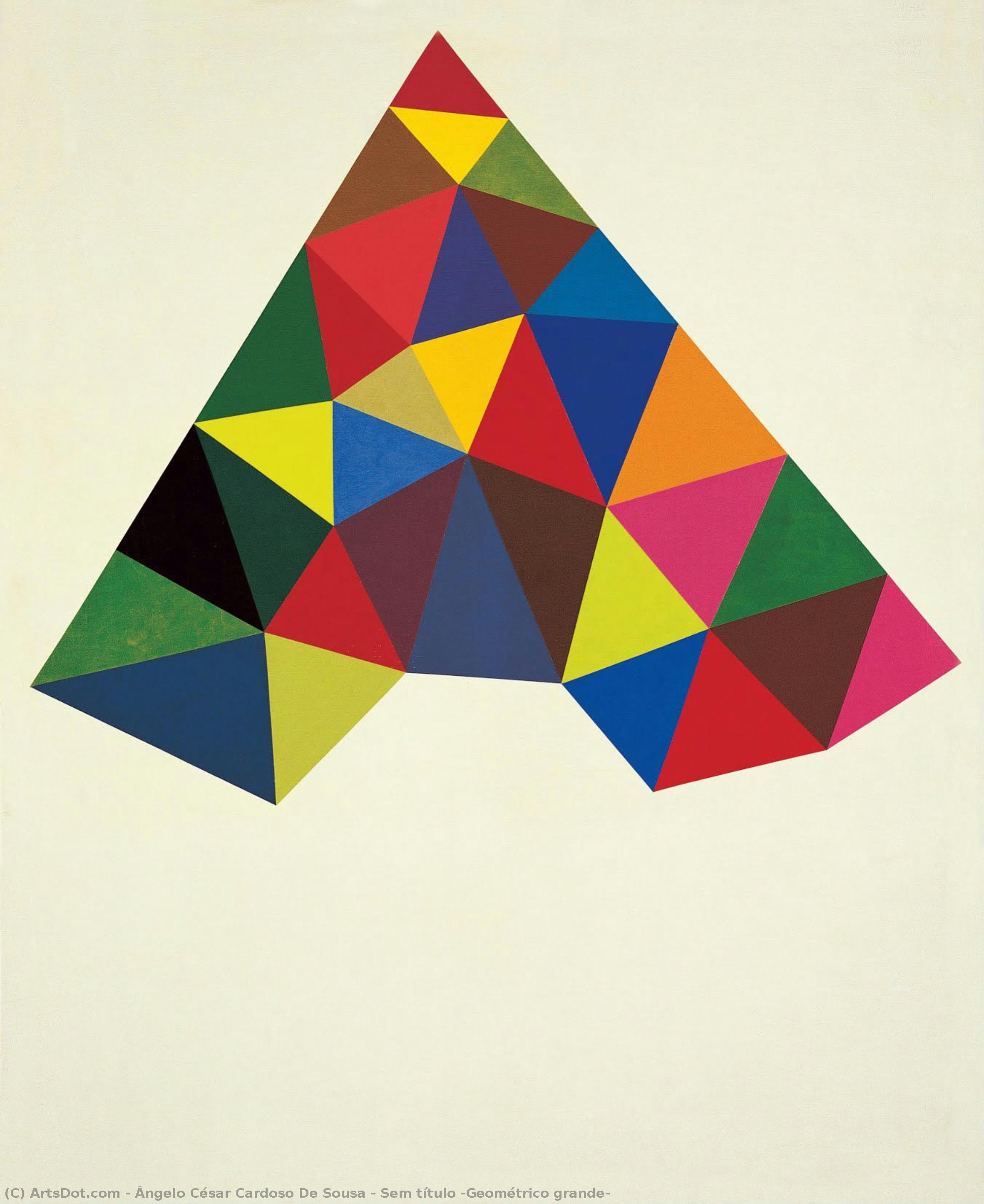
StatsSem título (Geométrico grande)
 Acrylic On Canvas
- WallArt
- Minimal Baroque
 1967
1967- Modern
 5.0 x 137.0 cm
 Culturgest - Fundação Caixa Geral de Depósitos
 Pročitaj više
Giclee štampa / Umetnički otisak
Giclée štampa ili print na platnu muzejskog kvaliteta uz brzu proizvodnju i fleksibilne opcije završne obrade. ( Kupi ručno naslikanu sliku Switch to Digital Image)




P118B $10

P118H $10

P118W $10

P438Z $10

P508JH $12

P508YH $12

P805H $10

P805Z $10

P919BZ $10

P919G $10

P919XJ $10

P959ZH $10

P968JZ $12

W106C $8

W218G $10

W218JH $8

W218Y $10

W307PJ $10

W316G $10

W316PJ $8

W316Y $10

W398PJ $8

W4111J $10

W500HY $15

W500JH $15

W692G $12

W849H $8

W940BG $15

W953PJ $8




Izaberite jednu od naših unapred definisanih veličina koje odgovaraju originalnim proporcijama umetničkog dela.

Možete uneti sopstvene dimenzije kako biste umetničko delo prilagodili specifičnom okviru ili prostoru. Ako odabrani format ne odgovara proporcijama originalne slike, mi ćemo ili iscrtati deo dela ili proširiti sliku pomoću ogledane ivice ili jednobojnog popunjavanja. Digitalni prikaz će vam biti poslat na odobrenje pre početka proizvodnje.
Imajte na umu da pregled na ekranu ne odražava stvarno iscrtavanje ili proširivanje. Samo će prikaz (mockup) precizno pokazati finalnu kompoziciju.
Iako su prilagođene dimenzije dostupne, preporučujemo da odaberete dimenziju sa unapred definisane liste kako biste očuvali originalne proporcije.
Dostava širom sveta () za 2 nedelje umesto uobičajenih 4/5 nedelja. (7 септембар)

Besplatna ekspresna dostava širom sveta

Visokokvalitetno laneno platno

Kompletno osiguranje transporta

Garancija povraćaja carine i uvoznih dažbina

Garancija vernosti boja

Politika povraćaja u roku od 100 dana (isključivo u slučaju nedostataka)

Garancija povrata novca od 100%

Popust pri grupnoj kupovini
 Opcija sa staklom dostupna je samo za dimenzije manje od 110 cm

Sem título (Geométrico grande)
Giclee štampa / Umetnički otisak
Dimenzije reprodukcije
-


Konačna cena
$ 62
A Dance of Color and Form: Unveiling “Sem título (Geométrico grande)” by Ângelo de Sousa
“Sem título (Geométrico grande),” painted in 1967 by the visionary Portuguese artist Ângelo César Cardoso de Sousa, is more than just a canvas filled with vibrant hues; it’s an invitation to contemplate the very essence of perception and form. Often described as “A Minimal Baroque,” this work encapsulates a pivotal moment in Sousa's career – a deliberate push beyond traditional representation towards a deeply layered exploration of color, space, and the subconscious. The painting immediately draws the eye with its bold geometric shapes, primarily utilizing reds, blues, greens, yellows, and oranges, arranged in a dynamic interplay that suggests both chaos and profound order.
Sousa’s artistic journey began amidst the diverse cultural landscape of Mozambique, where he absorbed influences from African art and traditions. This early exposure to vibrant textures and symbolic imagery profoundly shaped his approach to composition. He later honed his skills in Porto, embracing formal training while simultaneously rejecting rigid academic constraints. His work reflects a constant dialogue between established techniques and radical experimentation – a characteristic that defines his entire oeuvre. “Geométrico grande” exemplifies this perfectly; it’s not merely an abstract painting but a carefully constructed meditation on the relationship between color, form, and the viewer's experience.
Decoding the Layers: Technique and Process
The painting itself is executed in gouache on paper, lending it a remarkable luminosity and tactile quality. Close examination reveals a meticulous layering of colors – not simply applied flatly, but built up through intricate textures and subtle shifts in tone. Sousa masterfully employs a technique reminiscent of counterpointillism, yet departs significantly from its monochrome origins. Instead of creating a single, unified field of color, he constructs complex weaves, utilizing overlapping hues to generate depth and dynamism. The seemingly simple geometric forms are actually the result of countless tiny brushstrokes, each contributing to the overall effect.
The artist’s deliberate choice of paper as the support is also significant. It adds a layer of materiality to the work, grounding the abstract forms in a tangible reality. Furthermore, Sousa's background in film and photography informs his approach; he treats color not just as an aesthetic element but as a dynamic force capable of evoking emotion and suggesting narrative.
A Baroque Echo: Symbolism and Interpretation
The title itself – “Sem título (Geométrico grande)” – is deliberately ambiguous, inviting viewers to engage in active interpretation. The description hints at a connection to the Baroque period, not through imitation but through a reinterpretation of its characteristic elements—folds, pleats, and an abundance of detail. These features are present in Sousa’s sculptures as well, creating a cohesive artistic language across his various mediums. The painting's complexity mirrors this, suggesting that beneath the surface simplicity lies a profound intellectual engagement with art history and perception.
The reference to “Haendel” within the description is particularly intriguing. It suggests a deliberate connection to musical structure – Sousa seems to have sought to translate the principles of harmony and rhythm into visual form. The painting’s dynamic composition, its interplay of color and shape, evokes a sense of movement and energy that mirrors the intricate melodies of Baroque music.
Beyond Reproduction: A Legacy of Innovation
“Sem título (Geométrico grande)” is more than just a beautiful artwork; it's a testament to Ângelo de Sousa’s relentless pursuit of innovation. His work continues to resonate with contemporary artists and collectors alike, demonstrating the enduring power of abstract expressionism and minimalist design. Reproductions offer an accessible way to experience this profound artistic vision, allowing viewers to appreciate the intricate details and layered complexities that define this remarkable painting. The piece stands as a vibrant reminder of Sousa’s unique ability to transform simple materials into works of captivating beauty and intellectual depth.
Srodna umetnička dela
Biografija umetnika
A Life Immersed in Color and Form
Ângelo César Cardoso de Sousa, known simply as Ângelo de Sousa, was a pivotal figure in Portuguese art, a restless innovator whose career spanned decades of relentless experimentation. Born in 1938 in Lourenço Marques – now Maputo, Mozambique – his artistic journey began under the vibrant skies and diverse cultural currents of Africa before blossoming within the academic traditions of Portugal. This early exposure to a world brimming with color and texture profoundly shaped his aesthetic sensibility, instilling a lifelong fascination with light, form, and the expressive potential of materials. The move to Porto in 1955 marked a turning point, as he immersed himself in formal training at the School of Fine Arts, quickly distinguishing himself as an exceptional talent. He didn’t merely master traditional techniques; he absorbed them, dissected them, and prepared to transcend their boundaries. Graduating with the highest possible mark – a testament to his dedication and skill – de Sousa soon found himself among “Os Quatro Vintes,” a collective of academically gifted artists who would become influential forces in the Portuguese art scene.The Evolution of an Artistic Vision
De Sousa’s artistic path was one of continuous exploration, defying easy categorization. After establishing himself as a promising painter, he embraced sculpture, drawing, photography, film, and video, demonstrating a remarkable versatility that set him apart. From 1962 to 2000, his tenure as a professor at the University of Porto’s Faculty of Fine Arts wasn't simply an occupation; it was a vital component of his artistic practice. He nurtured generations of artists while simultaneously refining his own vision, fostering an environment where experimentation and critical thinking flourished. His work is immediately recognizable for its bold use of color – often primary hues deployed with striking intensity – and a willingness to challenge conventional approaches. He wasn’t content to simply represent the world; he sought to *interpret* it through abstract forms and innovative techniques. Influences were wide-ranging, from the emotional power of Expressionism to the geometric precision of Oriental art, the raw energy of primitive arts and Art Brut, the expansive fields of Colour Field painting, the cool detachment of Post Painterly Abstraction, the optical illusions of Op Art, and the playful accessibility of Pop Art. He absorbed these diverse currents not as imitation but as fuel for his own unique artistic language.Recognition and Accolades
The recognition of de Sousa’s talent came steadily throughout his career. His first solo exhibition in 1959 offered a glimpse of the innovative spirit that would define his work, while his participation in numerous group shows solidified his presence within the Portuguese art community. However, it was the International Prize awarded at the prestigious São Paulo Art Biennial in 1975 that truly propelled him onto the international stage. This accolade affirmed his standing as a significant contemporary artist and opened doors to exhibitions worldwide. His work found its way into museum collections, including the National Museum of Fine Arts in La Valletta, Malta, demonstrating the broad appeal and enduring quality of his artistic vision. The culmination of a lifetime dedicated to art came with the Gulbenkian Prize in 2007 – a prestigious honor recognizing his profound contribution to Portuguese culture. This award wasn’t merely a celebration of past achievements; it was an acknowledgement of his ongoing influence on the artistic landscape.A Lasting Legacy
Ângelo de Sousa's impact extends far beyond his own body of work. He inspired countless artists with his unwavering commitment to experimentation, his fearless exploration of new techniques, and his ability to synthesize diverse influences into a cohesive and compelling aesthetic. He was, at heart, a scholar of light and color, relentlessly pursuing minimalist expressions that resonated with profound emotional depth. His legacy lies not in adherence to any single style or movement but in the spirit of inquiry he embodied – a constant questioning of boundaries, a refusal to be constrained by convention, and an unwavering belief in the power of art to transform our perception of the world. His work continues to challenge and inspire new generations of artists, ensuring that his innovative spirit will endure for years to come. He remains a beacon for those who seek to push the limits of artistic expression.Key Achievements
- 1959: First solo exhibition, marking the beginning of his public career.
- 1975: International Prize at the 13th São Paulo Art Biennial – a pivotal moment in his international recognition.
- 2007: Gulbenkian Prize, acknowledging his significant contribution to Portuguese culture.
- Throughout his career: Extensive exhibitions in museums and collections worldwide, solidifying his global presence.
- 1962-2000: Dedicated teaching at the University of Porto, shaping generations of artists.
Ângelo César Cardoso de Sousa
1938 - 2011 , Mozambique
Osnovne informacije
- Artistic Movement Or Style: Expressionism, Minimalism
- Artists Or Movements Influenced By This Artist: ['New generations of artists']
- Artists Who Influenced This Artist:
- Klee
- Kandinsky
- Date Of Birth: 1938
- Date Of Death: 2011
- Full Name: Ângelo César Cardoso de Sousa
- Nationality: Portuguese
- Notable Artworks:
- Untitled
- Sem título (Geométrico grande)
- Place Of Birth: Maputo, Mozambique
Povezani članci

Barok Majstor dela: Top 10 Umjetničkih Remeka za Vaš Dom
Otkrijte 10 remek dela koja su definisala baroknu umetnost! Karavagio, Bernini i više – istražite priče iza ovih ikoničnih slika. Inspiracija za vaš dom? Pogledajte kolekciju na ArtsDot.com!

About Us
Discover our story! We bring world-class art into your life through expert curation, personalized creations, and free previews. Trusted by individuals and businesses since 2000.

Top 10 dela geometrijske apstrakcije koje morate videti | ArtsDot.com
Istražite 10 remek-dela geometrijske apstrakcije – Mondrian, Malevič i Kandinski. Otkrijte priče iza ovih ikoničnih slika i pronađite inspiraciju za dekoraciju enterijera sa ArtsDot.com! Reprodukcije vrhunskog kvaliteta.

Барокна драма: Уношење величине и емоција у савремене ентеријере
Откријте барокну драму и унесите величину у ваш ентеријер! ArtsDot нуди ручно насликане репродукције, персонализоване портрете и стручне консултације за љубитеље класичне уметности. Потражите савршено дело већ данас!

Francisco Goya: 25 Remek-dela Španskog Majstora za Vaš Dom | ArtsDot
Istražite 25 remek-dela Francisca Goya, španskog slikara romantizma i impresionizma. Portreti, tamne slike & istorija umetnosti na ArtsDot.com! Kupite reprodukcije slika vrhunskog kvaliteta za dekoraciju enterijera. Otkrijte celu kolekciju online.