

 Pregledaj u prostoru
 Pošalji
 Podeli
 Detalji o delu

 Преузми
 Slični predmeti
 Rendgenski snimak
 Slajdovi
 Stats
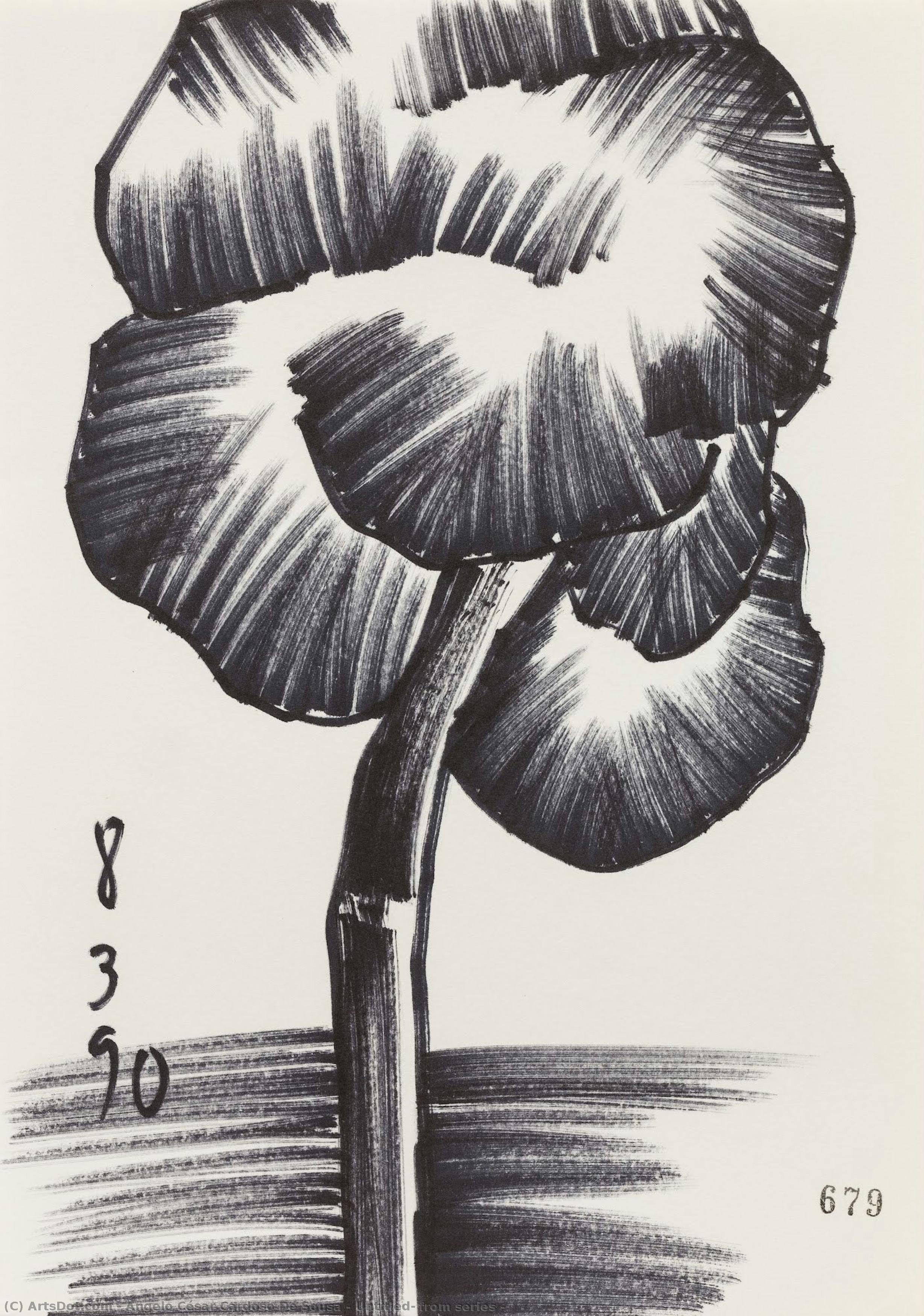
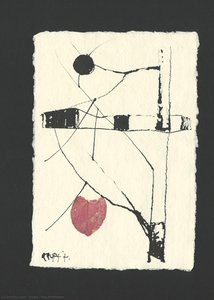
StatsUntitled, from series
 Acrylic On Canvas
- WallArt
- Minimalist Expressionism
 1990
1990 21.0 x 15.0 cm
 Culturgest - Fundação Caixa Geral de Depósitos
 Pročitaj više
Kupite digitalnu sliku visoke rezolucije i poboljšanog kvaliteta, koja je znatno superiornija od onoga što vidite u online prikazu.
Svaka datoteka je pedantno pripremljena od strane naših stručnjaka koristeći napredne alate i profesionalnu ručnu retušu. Osiguravamo da svaka slika ima izuzetnu oštrinu, preciznu reprodukciju boja i fine detalje.
Konačna datoteka se dostavlja putem e-pošte u roku od 72 sata, optimizovana za neposrednu upotrebu u profesionalnim, izdavačkim i štamparskim okruženjima. To je isti kvalitet kojem veruju vrhunski studiji dizajna, izdavači i galerije.
Digitalna slika
Preuzmite datoteku visoke rezolucije za ličnu upotrebu, štampanje i kreativne projekte. ( Switch to Print Kupi ručno naslikanu sliku)
Uključeno uz svaku porudžbinu digitalne slike
Profesionalna digitalna isporuka, zagarantovana
Kada odaberete ArtsDot.com, ne dobijate samo sliku – vi primate profesionalno unapređeno digitalno umetničko delo, izrađeno sa najvećom preciznošću i uz garanciju zadovoljstva. Evo svega što automatski dolazi uz vašu porudžbinu:

Brza dostava putem e-pošte
Vaša digitalna slika visoke rezolucije biće vam poslata putem e-pošte u roku od 72 sata od poručivanja – spremna za trenutnu upotrebu.

Digitalna datoteka unapređena veštačkom inteligencijom
Vaše umetničko delo je profesionalno optimizovano korišćenjem naprednih AI alata i ručne obrade, čime se osiguravaju maksimalni detalji, oštrina i preciznost boja.

Besplatna ponovna isporuka doživotno
Slučajno ste obrisali ili izgubili svoju datoteku? Ne brinite – poslaćemo vam je ponovo u bilo kom trenutku, potpuno besplatno.

Bez troškova uvoza – zauvek
Uživajte u svojim umetničkim delima trenutno, bez carine, dažbina ili troškova dostave – digitalni download je uvek bez poreza.

Garancija vernosti boja
Uz pomoć profesionalnih alata i upravljanja bojama, osiguravamo da vaša digitalna slika što vernije odražava originalne boje.

Garancija zadovoljstva od 100 dana
Ako niste zadovoljni svojom digitalnom slikom, izvršićemo reviziju ili ćemo vam vratiti 100% novca u roku od 100 dana – bez ikakvih pitanja.

100% garancija povrata novca
Niste zadovoljni? Dobijte puni povraćaj novca u roku od 100 dana od prijema digitalne datoteke – bez suvišnih pitanja.

Popusti na velike porudžbine
Kupite 3 slike, uštedite 10% - Kupite 5 slika, uštedite 15% - Kupite 10+ slika, uštedite 20%. Odlično za kreativne projekte, galerije i agencije.
Angelo César Cardoso de Sousa: A Quiet Resonance of Minimalism
Angelo César Cardoso de Sousa (1938 – 2011), a luminary of Portuguese art, stands as an emblem of understated elegance and profound contemplation. His oeuvre—spanning decades—is characterized by a singular dedication to exploring the essence of form through meticulously crafted monochrome drawings, primarily focusing on abstracted floral motifs.
Born in Lourenço Marques (now Maputo), Mozambique, Sousa’s formative years instilled within him an appreciation for vibrant landscapes and cultural diversity – experiences that would subsequently inform his artistic vision. He pursued formal training at Porto’s School of Fine Arts, where he swiftly established himself as a prodigious talent, rejecting ostentation for a deliberate pursuit of simplicity and precision.
Composition and Technique: Lines as Vessels of Emotion
The artwork's central element is a stylized flower or plant rendered in stark black and white graphite pencil on paper. Its composition embodies the tenets of minimalist art; a dominant vertical stem anchors the piece, while horizontal lines delineate the ground or water beneath—creating a balanced visual equilibrium. White space generously surrounds the subject, emphasizing its isolation yet simultaneously conveying a sense of openness.
Sousa’s technique is rooted in hatching and cross-hatching – meticulous layering of pencil strokes to build up tonal gradations and generate textural depth. Varying line weights contribute to this effect, simulating shadows and highlighting contours with remarkable subtlety. This deliberate approach elevates the drawing beyond mere representation, transforming it into an expressive gesture that captures the spirit of its subject.
Symbolism and Emotional Resonance: Echoes of Resilience
The monochrome palette—a hallmark of Sousa’s style—serves as more than just a stylistic choice; it embodies a deeper symbolic significance. Black and white represent purity, stillness, and contemplation – qualities that resonate powerfully with the artwork's overarching theme. The abstracted floral form itself speaks to themes of resilience and enduring beauty, mirroring the plant’s ability to thrive despite challenging conditions.
Furthermore, the artwork evokes a feeling of quiet introspection—a meditative gaze upon natural forms stripped bare of extraneous detail. It invites viewers to consider the profound impact that simplicity can have on artistic expression and emotional experience. Like many minimalist pieces, it transcends literal depiction, communicating an intangible essence that lingers long after observation.
Historical Context: Minimalism's Quiet Triumph
Sousa’s work aligns with the broader movement of minimalism in Portuguese art during the late 1980s and early 1990s. This artistic trend rejected grand narratives and flamboyant ornamentation, favoring instead a focus on fundamental elements—line, form, and texture—to convey emotional depth.
Inspired by artists like Josef Albers and Agnes Martin, Sousa’s approach mirrored the desire to distill art down to its purest expression, prioritizing clarity of vision and intellectual engagement. His enduring legacy resides in his ability to capture a moment of serene contemplation within a deceptively simple visual language—a testament to the transformative power of understated artistry.
Srodna umetnička dela

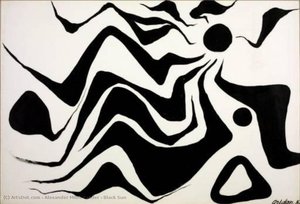
Biografija umetnika
A Life Immersed in Color and Form
Ângelo César Cardoso de Sousa, known simply as Ângelo de Sousa, was a pivotal figure in Portuguese art, a restless innovator whose career spanned decades of relentless experimentation. Born in 1938 in Lourenço Marques – now Maputo, Mozambique – his artistic journey began under the vibrant skies and diverse cultural currents of Africa before blossoming within the academic traditions of Portugal. This early exposure to a world brimming with color and texture profoundly shaped his aesthetic sensibility, instilling a lifelong fascination with light, form, and the expressive potential of materials. The move to Porto in 1955 marked a turning point, as he immersed himself in formal training at the School of Fine Arts, quickly distinguishing himself as an exceptional talent. He didn’t merely master traditional techniques; he absorbed them, dissected them, and prepared to transcend their boundaries. Graduating with the highest possible mark – a testament to his dedication and skill – de Sousa soon found himself among “Os Quatro Vintes,” a collective of academically gifted artists who would become influential forces in the Portuguese art scene.The Evolution of an Artistic Vision
De Sousa’s artistic path was one of continuous exploration, defying easy categorization. After establishing himself as a promising painter, he embraced sculpture, drawing, photography, film, and video, demonstrating a remarkable versatility that set him apart. From 1962 to 2000, his tenure as a professor at the University of Porto’s Faculty of Fine Arts wasn't simply an occupation; it was a vital component of his artistic practice. He nurtured generations of artists while simultaneously refining his own vision, fostering an environment where experimentation and critical thinking flourished. His work is immediately recognizable for its bold use of color – often primary hues deployed with striking intensity – and a willingness to challenge conventional approaches. He wasn’t content to simply represent the world; he sought to *interpret* it through abstract forms and innovative techniques. Influences were wide-ranging, from the emotional power of Expressionism to the geometric precision of Oriental art, the raw energy of primitive arts and Art Brut, the expansive fields of Colour Field painting, the cool detachment of Post Painterly Abstraction, the optical illusions of Op Art, and the playful accessibility of Pop Art. He absorbed these diverse currents not as imitation but as fuel for his own unique artistic language.Recognition and Accolades
The recognition of de Sousa’s talent came steadily throughout his career. His first solo exhibition in 1959 offered a glimpse of the innovative spirit that would define his work, while his participation in numerous group shows solidified his presence within the Portuguese art community. However, it was the International Prize awarded at the prestigious São Paulo Art Biennial in 1975 that truly propelled him onto the international stage. This accolade affirmed his standing as a significant contemporary artist and opened doors to exhibitions worldwide. His work found its way into museum collections, including the National Museum of Fine Arts in La Valletta, Malta, demonstrating the broad appeal and enduring quality of his artistic vision. The culmination of a lifetime dedicated to art came with the Gulbenkian Prize in 2007 – a prestigious honor recognizing his profound contribution to Portuguese culture. This award wasn’t merely a celebration of past achievements; it was an acknowledgement of his ongoing influence on the artistic landscape.A Lasting Legacy
Ângelo de Sousa's impact extends far beyond his own body of work. He inspired countless artists with his unwavering commitment to experimentation, his fearless exploration of new techniques, and his ability to synthesize diverse influences into a cohesive and compelling aesthetic. He was, at heart, a scholar of light and color, relentlessly pursuing minimalist expressions that resonated with profound emotional depth. His legacy lies not in adherence to any single style or movement but in the spirit of inquiry he embodied – a constant questioning of boundaries, a refusal to be constrained by convention, and an unwavering belief in the power of art to transform our perception of the world. His work continues to challenge and inspire new generations of artists, ensuring that his innovative spirit will endure for years to come. He remains a beacon for those who seek to push the limits of artistic expression.Key Achievements
- 1959: First solo exhibition, marking the beginning of his public career.
- 1975: International Prize at the 13th São Paulo Art Biennial – a pivotal moment in his international recognition.
- 2007: Gulbenkian Prize, acknowledging his significant contribution to Portuguese culture.
- Throughout his career: Extensive exhibitions in museums and collections worldwide, solidifying his global presence.
- 1962-2000: Dedicated teaching at the University of Porto, shaping generations of artists.
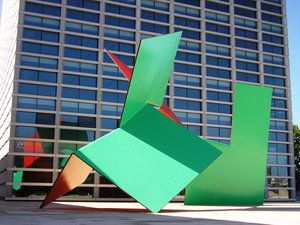
Ângelo César Cardoso de Sousa
1938 - 2011 , Mozambique
Kratke činjenice
- Artistic Movement Or Style: Expressionism, Minimalism
- Artists Or Movements Influenced By This Artist: ['New generations of artists']
- Artists Who Influenced This Artist:
- Klee
- Kandinsky
- Date Of Birth: 1938
- Date Of Death: 2011
- Full Name: Ângelo César Cardoso de Sousa
- Nationality: Portuguese
- Notable Artworks:
- Untitled
- Sem título (Geométrico grande)
- Place Of Birth: Maputo, Mozambique