

 Pregledaj u prostoru
 Pošalji
 Podeli
 Detalji o delu

 Преузми
 Slični predmeti
 Rendgenski snimak
 Slajdovi
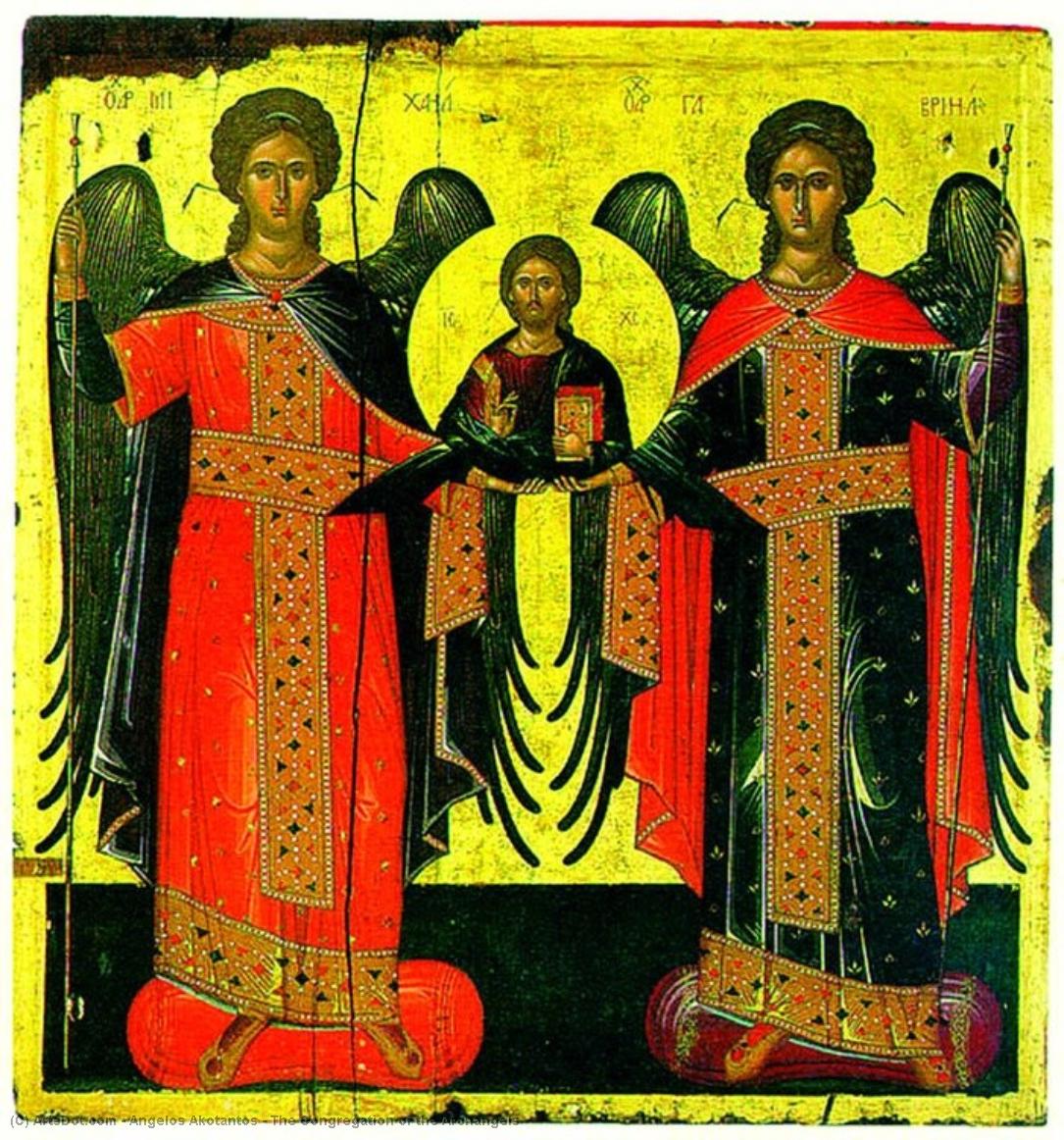
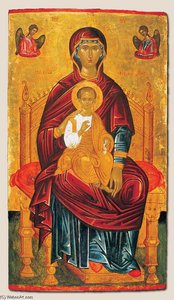
The Congregation of the Archangels


 Pročitaj više
Giclee štampa / Umetnički otisak
Giclée štampa ili print na platnu muzejskog kvaliteta uz brzu proizvodnju i fleksibilne opcije završne obrade. ( Kupi ručno naslikanu sliku Kupi digitalnu sliku)




P118B $10

P118H $10

P118W $10

P438Z $10

P508JH $12

P508YH $12

P805H $10

P805Z $10

P919BZ $10

P919G $10

P919XJ $10

P959ZH $10

P968JZ $12

W106C $8

W218G $10

W218JH $8

W218Y $10

W307PJ $10

W316G $10

W316PJ $8

W316Y $10

W398PJ $8

W4111J $10

W500HY $15

W500JH $15

W692G $12

W849H $8

W940BG $15

W953PJ $8




Izaberite jednu od naših unapred definisanih veličina koje odgovaraju originalnim proporcijama umetničkog dela.

Možete uneti sopstvene dimenzije kako biste umetničko delo prilagodili specifičnom okviru ili prostoru. Ako odabrani format ne odgovara proporcijama originalne slike, mi ćemo ili iscrtati deo dela ili proširiti sliku pomoću ogledane ivice ili jednobojnog popunjavanja. Digitalni prikaz će vam biti poslat na odobrenje pre početka proizvodnje.
Imajte na umu da pregled na ekranu ne odražava stvarno iscrtavanje ili proširivanje. Samo će prikaz (mockup) precizno pokazati finalnu kompoziciju.
Iako su prilagođene dimenzije dostupne, preporučujemo da odaberete dimenziju sa unapred definisane liste kako biste očuvali originalne proporcije.
Dostava širom sveta () za 2 nedelje umesto uobičajenih 4/5 nedelja. (25 август)

Besplatna ekspresna dostava širom sveta

Visokokvalitetno laneno platno

Kompletno osiguranje transporta

Garancija povraćaja carine i uvoznih dažbina

Garancija vernosti boja

Politika povrata u roku od 60 dana (samo u slučaju nedostataka)

Garancija povrata novca od 100%

Popust pri grupnoj kupovini
 Opcija sa staklom dostupna je samo za dimenzije manje od 110 cm

The Congregation of the Archangels
Giclee štampa / Umetnički otisak
Dimenzije reprodukcije
-


Konačna cena
$ 62
Opis predmeta
Angelos Akotantos: A Pioneer of Cretan Icon Painting
Angelos Akotantos (Greek: Άγγελος Ακοτάντος; 1390–1457) stands as a pivotal figure in the artistic landscape of Crete during the tumultuous period following the fall of Constantinople in 1453. He wasn’t merely a painter; he was an educator, a chanter, and a man deeply invested in his community's spiritual well-being—a testament to the humanist values prevalent within Cretan intellectual circles.
Born around 1390 in Crete, Akotantos emerged from a family steeped in artistic tradition. His brother Ioannis was equally accomplished, establishing a lineage of painters who would profoundly influence Cretan art for decades to come. Information about his life is primarily gleaned from his meticulously crafted will dated 1436, preserved within the State Archives of Venice—a document that illuminates not only his personal circumstances but also his unwavering dedication to charitable endeavors.
Akotantos’ artistic brilliance resided in his mastery of hagiography – the art of depicting saints and religious figures. He distinguished himself through a distinctive style characterized by a harmonious blend of Byzantine traditions with burgeoning Venetian influences, reflecting Crete's unique position as a crossroads between East and West. This fusion resulted in an aesthetic that prioritized both meticulous detail and expressive dynamism.
His canvases pulsate with vibrant hues—particularly gold leaf—a technique emblematic of the Cretan School’s ambition to recapture the splendor of Byzantine icon painting while simultaneously embracing Venetian artistic sensibilities. Geometric lines dominate his compositions, structuring robes and wing shapes with precision, mirroring a stylistic preference for clarity and order.
The Congregation of Saint Michael the Archangel (Latin: Congregatio Sancti Michaëlis Archangeli) was established in 1921 by Bishop Adam Stefan Sapieha. The Cretan School’s legacy continues to inspire artists today, as evidenced by reproductions of Akotantos's masterpieces adorning churches and private collections globally.
Notable Works: Symbolism and Technique
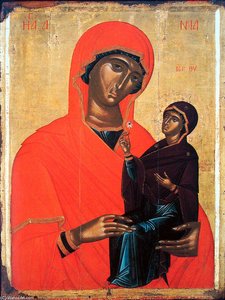
Akotantos produced approximately 50 paintings that have been reliably attributed to him. Among his most celebrated creations are “The Virgin Eleousa,” depicting Mary holding the infant Jesus in a serene posture—a depiction reflecting Byzantine piety and compassion—and “Saint Anne with the Virgin,” showcasing the mother of Mary cradling her daughter, symbolizing maternal devotion and divine grace.
His meticulous application of tempera paint on wooden panels combined with the radiant brilliance of gold leaf exemplifies the Cretan School’s commitment to preserving traditional techniques while simultaneously elevating them to new heights. The resulting images are imbued with spiritual significance—each brushstroke conveying a profound understanding of iconography and theological symbolism.
Historical Context: Venetian Influence
Crete's artistic trajectory during Akotantos’ lifetime was shaped by the ascendancy of Venice, which had seized control of the island in 1453 following Constantinople’s fall. This geopolitical shift fostered an environment conducive to artistic experimentation and innovation—a dynamic that propelled Cretan painters like Akotantos toward a more refined aesthetic.
Venetian artists brought with them new compositional approaches, color palettes, and stylistic conventions—influences that subtly yet decisively altered the character of Cretan painting. Nevertheless, Akotantos steadfastly upheld Byzantine artistic principles, ensuring that his work remained rooted in the spiritual heritage of Byzantium while simultaneously embracing the dynamism of Venetian culture.
Emotional Impact: Reverence and Beauty
Akotantos’ paintings transcend mere visual representation; they evoke a palpable sense of reverence and beauty—qualities that resonate deeply with viewers. The luminous gold leaf, combined with carefully rendered figures and symbolic gestures, communicates an unwavering faith in divine grace and compassion.
His art serves as a testament to the enduring power of religious imagery to inspire contemplation and elevate the human spirit. Viewing Akotantos’ masterpieces is akin to embarking on a spiritual journey—a communion with timeless artistic ideals that continue to captivate audiences centuries later.
Srodna umetnička dela
Biografija umetnika
Angelos Akotantos: A Pioneer of Cretan Icon Painting
Life and Origins
- Born in Crete, Greece around 1390, Angelos Akotantos emerged as a significant figure during a period of transition for Byzantine art.
- He lived and worked primarily in Heraklion (then known as Candia), which was under the rule of the Republic of Venice at the time.
- Information about his life is largely derived from his will, dated 1436, preserved in the State Archives of Venice.
- He died around 1450, leaving behind a legacy that would shape the future of Cretan painting.
Artistic Development and Style
- Akotantos was a highly skilled hagiographer – an icon painter specializing in religious imagery.
- His style represents a fascinating blend of traditional Byzantine techniques with emerging Venetian influences, reflecting Crete’s unique cultural position.
- He is renowned for his meticulous attention to detail, vibrant use of color (particularly gold), and expressive figures.
- A defining characteristic of his work is the practice of signing his icons with the phrase “χειρ αγγέλου” (“by hand of Angelos”), a groundbreaking act for the time.
Major Works and Themes
- Approximately 50 works are attributed to Akotantos, with around 30 being securely signed.
- Common themes in his iconography include depictions of the Virgin Mary (such as *The Virgin Cardiotissa*), saints – notably Saint Phanourios often shown slaying a dragon similar to Saint George – and scenes from the lives of Christ and other biblical figures.
- His icons were highly sought after, supplying churches and monasteries not only in Crete but also on islands like Patmos and Rhodes.
- Examples include *Icon of the Mother of God and Infant Christ*, *St George on Horseback, Slaying The Dragon* and *The Congregation of the Archangels*.
Historical Significance and Influence
- Akotantos is considered a key figure in the transition of Byzantine art from Constantinople to Crete following the city’s fall in 1453.
- He effectively established what became known as the Cretan School of icon painting, which flourished for centuries afterward.
- His innovative approach to signing his work set a precedent for other artists and contributed to a growing sense of artistic individuality.
- He influenced subsequent generations of Cretan painters, including Nikolaos Tzafouris, who further developed the stylistic characteristics established by Akotantos.
- His work represents a vital link between the Byzantine tradition and the evolving artistic landscape of Renaissance Europe.
Legacy
- Angelos Akotantos’s icons continue to be revered for their beauty, spiritual depth, and historical importance.
- His contributions helped preserve Byzantine artistic traditions during a period of significant upheaval.
- He remains a celebrated figure in Greek art history, embodying the creative spirit of Venetian Crete.
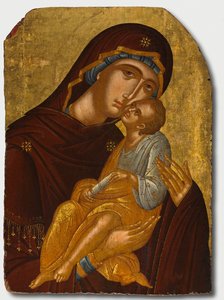
Angelos Akotantos
1390 - 1450 , Greece
Osnovne informacije
- Birth Date: 1390
- Birth Place: Crete, Greece
- Death Date: 1450
- Movement: Byzantine-Cretan School
- Name: Angelos Akotantos
- Nationality: Greek
- Notable Works:
- Icon of the Mother of God and Infant Christ
- St George on Horseback, Slaying The Dragon
- The Virgin Cardiotissa
- The Congregation of the Archangels
- Saint Anne With The Virgin
Povezani članci
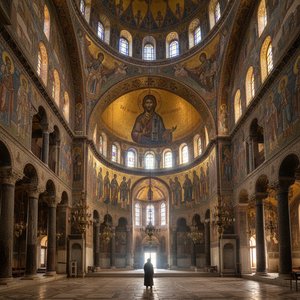
Illuminating Eternity: A Comprehensive Exploration of Byzantine Art's Legacy
Explore the rich history & stunning artistry of the Byzantine Empire! Discover iconic mosaics, profound symbolism, and lasting influence on Western art. A comprehensive guide for history lovers.

25 Remek-dela Endija Vorhola: Ikoničke Slike i Revolucionarna Vizija | ArtsDot
Istražite 25 remek-dela Endija Vorhola i uronite u svet pop arta! Otkrijte priče iza ikoničnih slika, tehnike serigrafije i revolucionarnu viziju ovog američkog umetnika. Kvalitetne reprodukcije na ArtsDot.com.
Remek-dela Alte Pinakotek: 25 slika koje definišu renesansu i barok (umetnost, dekoracija doma)
Otkrijte 25 remek-dela Alte Pinakotek u Minhenu! Istražite priče iza slika Leonarda, Rafaela i Rembrandta. Inspiracija za dekoraciju doma & reprodukcije vrhunskog kvaliteta na ArtsDot.com.
25 Remek-dela Nacionalne Galerije: Umetnička Baština Vašingtona za Ljubitelje Lepiote
Istražite 25 remek-dela Nacionalne galerije u Vašingtonu! Otkrijte priče iza Cezannea, Matissea i Picassa. Inspiracija za dekoraciju enterijera i vrhunske reprodukcije slika dostupne na ArtsDot.com.
Top 25 Remek-dela Prado Muzeja: Umetnička Baština Španije za Vaš Dom
Istražite 25 remek-dela Prado muzeja u Madridu! Otkrijte priče iza Velázqueza, Goye i El Greca. Pronađite inspiraciju za dekoraciju enterijera uz reprodukcije slika vrhunskog kvaliteta na ArtsDot.com.

