

 Pregledaj u prostoru
 Pošalji
 Podeli
 Detalji o delu

 Преузми
 Slični predmeti
 Rendgenski snimak
 Slajdovi
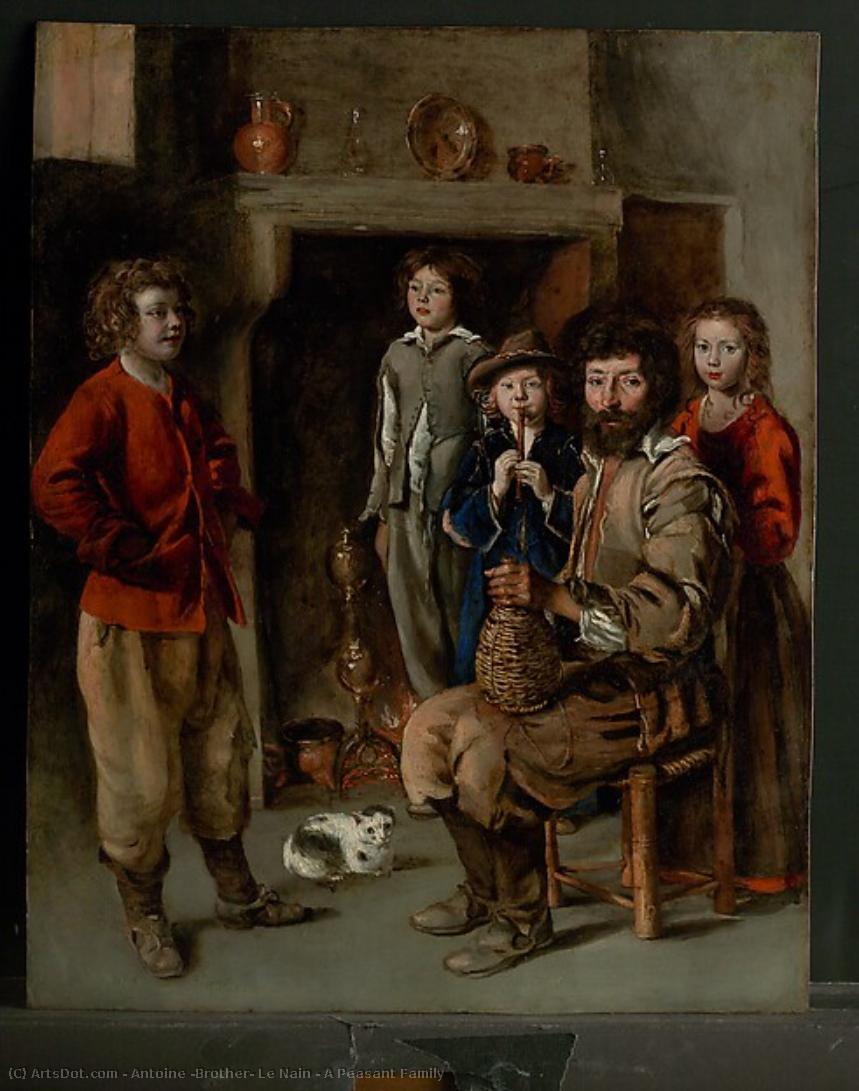
A Peasant Family
 Baroque
 1640
1640 38.0 x 30.0 cm
 Metropolitan Museum of Art
 Pročitaj više
Giclee štampa / Umetnički otisak
Giclée štampa ili print na platnu muzejskog kvaliteta uz brzu proizvodnju i fleksibilne opcije završne obrade. ( Kupi ručno naslikanu sliku Kupi digitalnu sliku)




































Izaberite jednu od naših unapred definisanih veličina koje odgovaraju originalnim proporcijama umetničkog dela.

Možete uneti sopstvene dimenzije kako biste umetničko delo prilagodili specifičnom okviru ili prostoru. Ako odabrani format ne odgovara proporcijama originalne slike, mi ćemo ili iscrtati deo dela ili proširiti sliku pomoću ogledane ivice ili jednobojnog popunjavanja. Digitalni prikaz će vam biti poslat na odobrenje pre početka proizvodnje.
Imajte na umu da pregled na ekranu ne odražava stvarno iscrtavanje ili proširivanje. Samo će prikaz (mockup) precizno pokazati finalnu kompoziciju.
Iako su prilagođene dimenzije dostupne, preporučujemo da odaberete dimenziju sa unapred definisane liste kako biste očuvali originalne proporcije.
Dostava širom sveta () za 2 nedelje umesto uobičajenih 4/5 nedelja. (27 август)

Besplatna ekspresna dostava širom sveta

Visokokvalitetno laneno platno

Kompletno osiguranje transporta

Garancija povraćaja carine i uvoznih dažbina

Garancija vernosti boja

Politika povrata u roku od 60 dana (samo u slučaju nedostataka)

Garancija povrata novca od 100%

Popust pri grupnoj kupovini
 Opcija sa staklom dostupna je samo za dimenzije manje od 110 cm

A Peasant Family
Giclee štampa / Umetnički otisak
Dimenzije reprodukcije
-


Konačna cena
$ 62
Opis predmeta
Srodna umetnička dela
Biografija umetnika
The Painter of Rural Dignity: The Life and Legacy of Antoine Le Nain
In the grand tapestry of 17th-century French art, where the opulence of the Baroque era often favored the glorification of monarchs and the divine, Antoine Le Nain carved out a space of profound intimacy and quiet strength. Born around 1600 in the historic town of Laon, Picardy, Antoine was part of a rare artistic triumvirate alongside his brothers Louis and Mathieu. Together, they formed a creative nucleus that would fundamentally shift the gaze of French painting away from the aristocratic courts and toward the weathered faces and humble hearths of the peasantry. While much of his life remains shrouded in the mists of history, his contribution to the genre of realistic portraiture is undeniable, marked by an unflinching commitment to capturing the dignity inherent in the simplest of human existences.
The formative years of Antoine Le Nain were likely shaped by a rigorous devotion to realism. While precise records of his apprenticeship are scarce, scholars often point to the influence of masters who championed psychological depth and meticulous detail. This training allowed him to master difficult mediums, such as oil on copper, which permitted a luminous precision in his work. His style was never merely about the documentation of poverty; rather, it was an exploration of the human spirit. Through his brush, the arduous tasks of rural life—the heavy lifting of hay, the shared silence of a family meal, or the quiet contemplation of a religious figure—were elevated to the level of high art. He possessed a unique ability to imbavored his subjects with a sense of stoic grace, ensuring that even the most marginalized figures commanded respect from the viewer.
A Collaborative Vision and Artistic Mastery
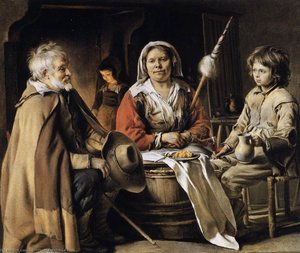
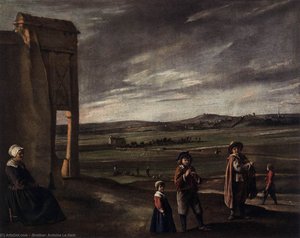
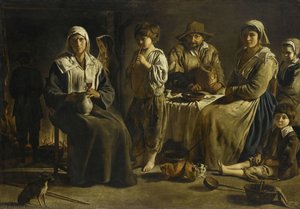
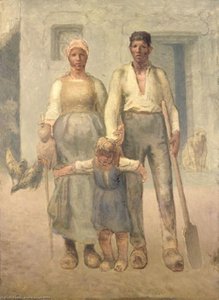
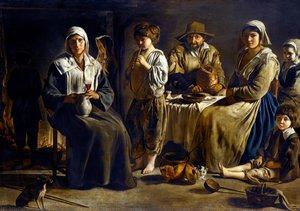
One of the most enchanting aspects of Antoine’s career was the seamless integration of his identity within the broader Le Nain studio. The brothers operated with a shared aesthetic language, creating works that often blur the lines of individual authorship. This collaborative spirit allowed for a rich exchange of techniques, where the landscape elements of one brother might meet the soulful portraiture of another. In masterpieces such as The Family of the Peasants and The Family Meal, we see this unified vision at its peak. These works are not merely scenes of domesticity; they are complex studies of light, shadow, and social connection. The way light falls across a wooden table or illuminates a tired hand speaks to a technical mastery that sought to find the sacred within the secular.
Beyond the domestic sphere, Antoine’s versatility extended into the realm of religious devotion. His rendition of Mary Magdalene in Meditation demonstrates his capacity for profound emotional resonance. In this work, the artist moves away from the external labor of the fields to explore the internal landscape of the soul. The stillness of the composition and the somber palette invite a meditative state, mirroring the subject's own spiritual journey. This duality—the ability to capture both the grit of the earth and the ethereal nature of faith—is what defines his historical significance.
Historical Significance and Enduring Influence
Though Antoine Le Nain’s life was tragically cut short by illness in 1648 at the age of forty-eight, his impact on the trajectory of French art remained permanent. He helped lay the groundwork for a tradition of realism that would later find echoes in the works of much later masters. By stripping away the artifice of the Baroque spectacle, he provided a window into a world that was often ignored by the halls of power. His legacy is found in:
- The Elevation of Genre Painting: Transforming everyday peasant life from mere "low" subject matter into a profound exploration of human dignity.
- Technical Innovation: The masterful use of oil on copper to achieve unparalleled detail and light.
- Psychological Realism: Moving beyond superficial likeness to capture the emotional weight and internal lives of his subjects.
- The Collaborative Model: Demonstrating how a shared studio vision can create a cohesive and powerful artistic movement.
Today, the works of Antoine Le Nain serve as vital historical documents and timeless pieces of art. They remind us that there is beauty in the mundane and strength in the struggle. His ability to find the monumental within the miniature continues to captivate collectors and historians, ensuring that the quiet, dignified world he painted remains vibrantly alive in the collective memory of the art world.
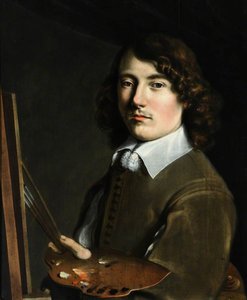
antoine (brother) le nain
1599 - 1648 , France
Osnovne informacije
- Artistic Movement Or Style: Baroque
- Artists Or Movements Influenced By This Artist: ['Rembrandt']
- Artists Who Influenced This Artist: ['Peter Paul Rubens']
- Date Of Birth: c.1600
- Date Of Death: 1648
- Full Name: Antoine Le Nain
- Nationality: French
- Notable Artworks:
- A Peasant Family
- The Cart or Return from Haymaking
- Place Of Birth: Laon, France
Povezani članci

The Enduring Legacy of Oil on Canvas: Technique, History & Aesthetic Impact
Explore the rich history & techniques of oil painting – from Renaissance masters to Impressionism. Discover pigments, layering methods, and why this timeless medium endures. Expert insights for artists & art enthusiasts.

Oil on Canvas: A Historical & Technical Exploration of a Timeless Artistic Medium
Explore the rich history & enduring techniques of oil painting on canvas. Discover the science behind its longevity, conservation practices, and contemporary relevance. Expert insights for art enthusiasts.

The Enduring Power of Painting: A Historical & Contemporary Exploration of Form and Emotion
Explore the rich history & enduring techniques of oil painting with ArtsDot. Discover masterpieces, learn about art collecting, and find authentic handmade reproductions crafted by skilled artists.

Trajnu Ostavština Uljanih Boja na Platnu: Tehnika, Istorija i Savremena Praksa
Istražite bogatu istoriju i savremene tehnike uljanog slikarstva. Saveti stručnjaka, analiza radova velikih majstora i vodiči za biranje kvalitetnih materijala. Otkrijte tajne očuvanja umetničkih dela!
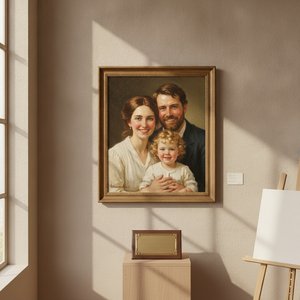
Портрети породице као трајна вредност: Уметничка интерпретација и значај у савременом друштву
Претворите драге успомене у ремек-дело! ArtsDot нуди ручно сликане портрете породице изузетног квалитета. Инвестиција у трајно наслеђе и поклон који ће се преносити са генерације на генерацију.

