

 Pregledaj u prostoru
 Pošalji
 Podeli
 Detalji o delu

 Преузми
 Slični predmeti
 Rendgenski snimak
 Slajdovi
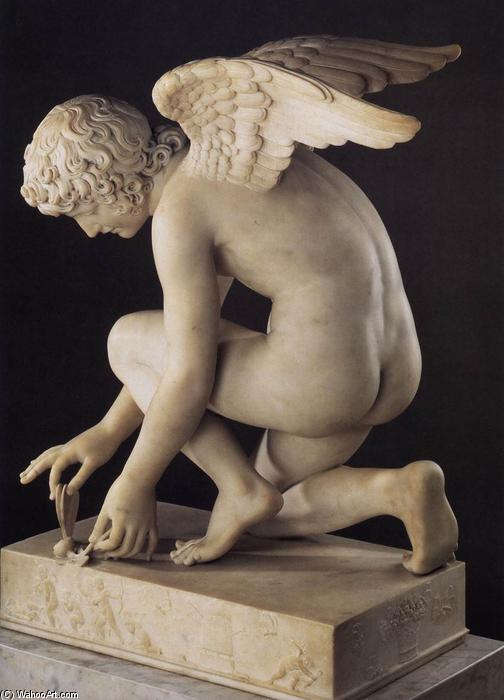
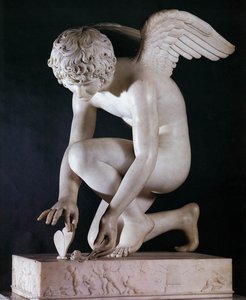
Cupid Presenting a Rose to a Butterfly


 Pročitaj više
Ručno rađena uljana reprodukcija
Ručno oslikano uljanim bojama na platnu u dimenzijama i okviru po vašem izboru, izrađeno po porudžbini od strane naših umetnika. ( Kupi print Kupi digitalnu sliku)




































Izaberite jednu od naših unapred definisanih veličina koje odgovaraju originalnim proporcijama umetničkog dela.

Можете унети сопствене димензије како бисте прилагодили дело одређеном оквиру или простору. Ако одабрана величина не одговара пропорцијама оригинала, слика ће бити исечена или проширена додатним елементима који се ручно насликавају. Дигитални prikaz ће вам бити послат на одобрење пре почетка производње.
Имајте на уму да преглед на екрану не одражава стварно исецање или проширење. Само приказ (mockup) ће тачно приказати коначну композицију.
Иако су доступне прилагођене величине, препоручујемо да одаберете димензију из дефинисане листе како бисте сачували оригиналне пропорције.
Nakon narudžbine, tim ArtsDot.com će klijentu putem e-pošte poslati uputstva i dostaviti prikaz predloženog rešenja
Isporuka širom sveta () za 3/4 nedelje umesto uobičajenih 5 nedelja. (2 септембар). Bez kompromisa po pitanju kvaliteta.

Besplatna ekspresna dostava širom sveta

Visokokvalitetno laneno platno

Kompletno osiguranje transporta

Garancija povraćaja carine i uvoznih dažbina

Garancija vernosti boja

Politika povrata u roku od 60 dana (samo u slučaju nedostataka)

Garancija povrata novca od 100%

Popust pri grupnoj kupovini
 Opcija sa staklom dostupna je samo za dimenzije manje od 110 cm

Cupid Presenting a Rose to a Butterfly
Tehnika reprodukcije
Dimenzije reprodukcije
-


Konačna cena
$ 263
Srodna umetnička dela



Biografija umetnika
The Sculptor of Napoleonic Grandeur
In the turbulent transition from the Enlightenment to the Napoleonic era, few artists captured the stoic elegance and burgeoning imperial identity of France as profoundly as Antoine Denis Chaudet. Born in Paris in 1763, Chaudet emerged from an age of intellectual ferment, a period where the echoes of Roman antiquity were being rediscovered through the lens of Neoclassicism. His artistic journey was not merely one of personal ambition but was deeply rooted in the rigorous academic traditions of his time. Under the guidance of masters like Jean-Baptiste Stouf at the Royal Academy of Painting and Sculpture, Chaudet developed a technical precision that would later become his hallmark. His early triumph came in 1784 when his bas-relief, Joseph Sold into Slavery by His Brothers, earned him the prestigious Prix-de-Rome. This accolade granted him the transformative opportunity to study at the French Academy in Rome, where he spent four formative years immersed in the silent, powerful presence of ancient Greek and Roman sculpture. It was here that the seeds of his classical vocabulary were sown, learning to translate the weight of history into the delicate smoothness of marble.
Upon his return to France, Chaudet’s career ascended alongside the political tides of his nation. As Napoleon Bonaparte rose to power, Chaudet’s ability to imbue stone with both imperial dignity and classical grace made him an indispensable figure in the creation of a new French visual language. His life was also marked by a profound personal partnership; his marriage to Jeanne-Elisabeth Gabiou, a woman of significant artistic talent himself a student of his, created a domestic sphere of shared creativity and mutual inspiration. This union supported a career that would eventually see him appointed as the Director-General of Sculpture in 1802, a position of immense influence that allowed him to shape the very aesthetic landscape of the French Empire.
Mastery of Form and Neoclassical Spirit
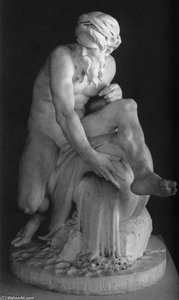
The essence of Chaudet’s work lies in its unwavering commitment to the Neoclassical ideal—a pursuit of purity, balance, and emotional restraint. His sculptures are characterized by a masterful command over medium, whether working in the luminous translucency of marble or the rich, detailed surfaces of bronze. He possessed a rare ability to evoke pathos without resorting to excessive drama, finding beauty in the quiet tension of a pose or the subtle curve of a limb. This is perhaps most poignantly seen in his work Belisarius and His Guide, where the contrast between the sightless, once-great general and his youthful companion creates a moving narrative of vulnerability and resilience. In such pieces, Chaudet does not merely replicate anatomy; he breathes a sense of moral weight into the material.
His repertoire was vast, ranging from the intimate to the monumental:
- Imperial Portraiture: His celebrated busts of Napoleon I and Joséphine stand as definitive icons of the era, capturing the psychological depth and the idealized majesty required by the imperial court.
- Mythological Allegory: Works such as Cupid Playing with a Butterfly demonstrate his ability to capture fleeting, delicate moments of grace, utilizing the softness of marble to mimic the lightness of life.
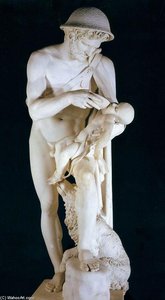
- Biblical and Classical Narratives: His illustrations for the works of Jean Racine and his depictions of figures like Oedipus showcase his skill in handling complex, heavy themes through a refined, classical lens.
A Lasting Legacy in Stone
Though his life was tragically short, ending in Paris in 1810 at the age of forty-seven, Antoine Denis Chaudet left behind an indelible mark on the history of Western sculpture. He functioned as a bridge between the rigid academicism of the old regime and the romanticized grandeur of the Napoleonic era. His influence can be traced through the halls of the world's greatest museums, from the Louvre in Paris to the Metropolitan Museum of Art in New York, where his works continue to command reverence for their technical perfection and historical resonance.
Chaudet’s significance extends beyond mere craftsmanship; he was a visual architect of an empire. Through his hands, the triumphs and the tragedies of his age were immortalized in a style that sought permanence amidst political upheaval. He remains a definitive voice of the Neoclassical movement, reminding us that true art possesses the power to transform the coldness of stone into the enduring warmth of human history.
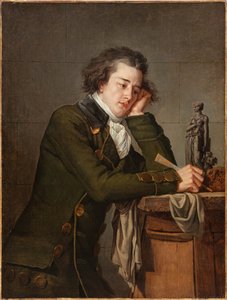
antoine denis chaudet
1763 - 1810 , France
Osnovne informacije
- Artistic Movement Or Style: Neoclassical
- Artists Or Movements Influenced By This Artist: ['Roman Sculpture']
- Artists Who Influenced This Artist: ['Antonio Canova']
- Date Of Birth: 1763
- Full Name: Antoine Denis Chaudet
- Nationality: French
- Notable Artworks: ['Peace']
- Place Of Birth: Paris, France

