

 Pregledaj u prostoru
 Pošalji
 Podeli
 Detalji o delu

 Преузми
 Slični predmeti
 Rendgenski snimak
 Slajdovi
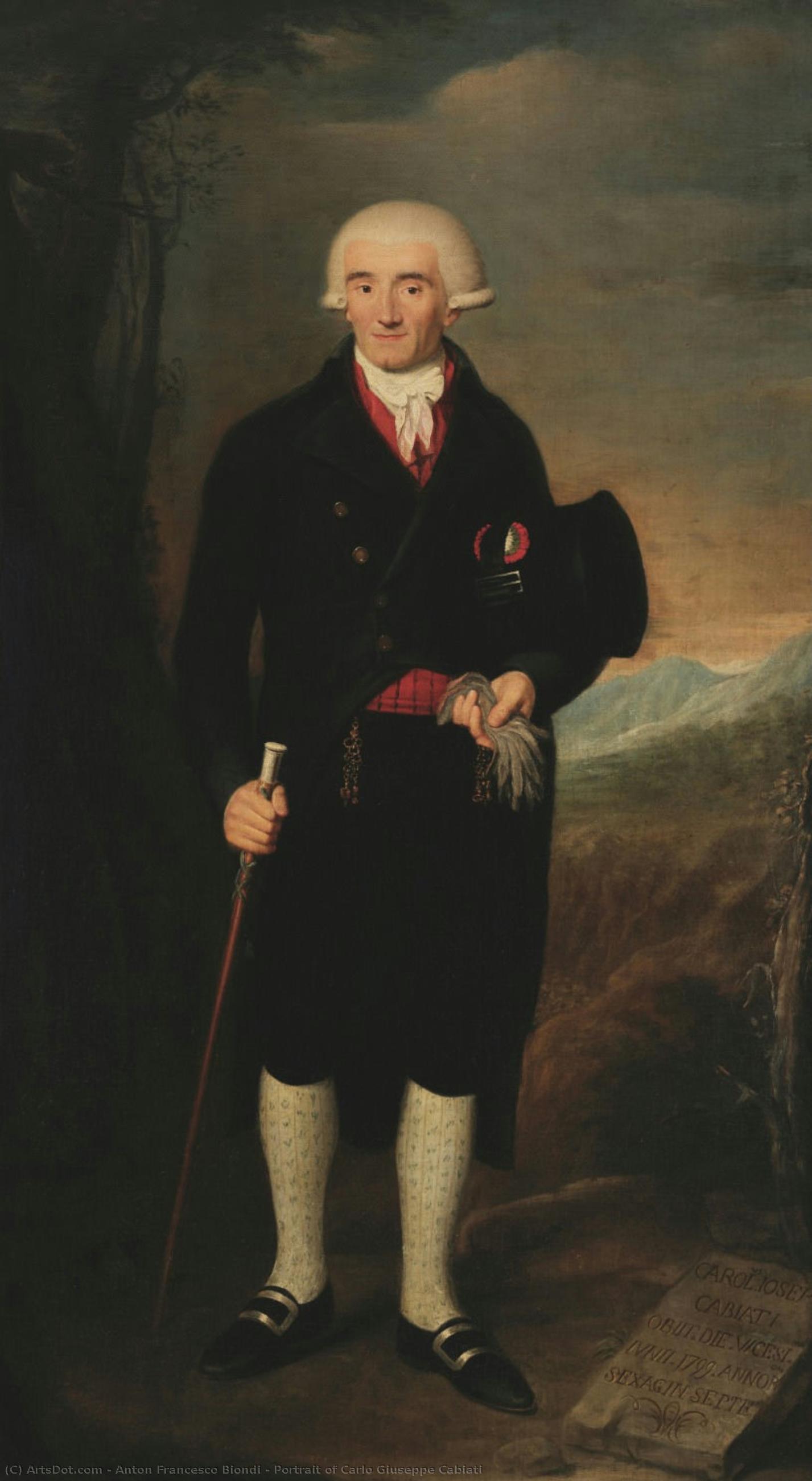
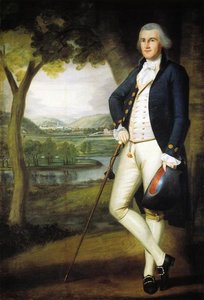
Portrait of Carlo Giuseppe Cabiati
 1799
1799 217.0 x 115.0 cm
 Ca’ Granda – Ospedale Maggiore Policlinico
 Pročitaj više
Giclee štampa / Umetnički otisak
Giclée štampa ili print na platnu muzejskog kvaliteta uz brzu proizvodnju i fleksibilne opcije završne obrade. ( Kupi ručno naslikanu sliku Kupi digitalnu sliku)




































Izaberite jednu od naših unapred definisanih veličina koje odgovaraju originalnim proporcijama umetničkog dela.

Možete uneti sopstvene dimenzije kako biste umetničko delo prilagodili specifičnom okviru ili prostoru. Ako odabrani format ne odgovara proporcijama originalne slike, mi ćemo ili iscrtati deo dela ili proširiti sliku pomoću ogledane ivice ili jednobojnog popunjavanja. Digitalni prikaz će vam biti poslat na odobrenje pre početka proizvodnje.
Imajte na umu da pregled na ekranu ne odražava stvarno iscrtavanje ili proširivanje. Samo će prikaz (mockup) precizno pokazati finalnu kompoziciju.
Iako su prilagođene dimenzije dostupne, preporučujemo da odaberete dimenziju sa unapred definisane liste kako biste očuvali originalne proporcije.
Dostava širom sveta () za 2 nedelje umesto uobičajenih 4/5 nedelja. (27 август)

Besplatna ekspresna dostava širom sveta

Visokokvalitetno laneno platno

Kompletno osiguranje transporta

Garancija povraćaja carine i uvoznih dažbina

Garancija vernosti boja

Politika povrata u roku od 60 dana (samo u slučaju nedostataka)

Garancija povrata novca od 100%

Popust pri grupnoj kupovini
 Opcija sa staklom dostupna je samo za dimenzije manje od 110 cm

Portrait of Carlo Giuseppe Cabiati
Giclee štampa / Umetnički otisak
Dimenzije reprodukcije
-


Konačna cena
$ 62
Opis predmeta
Srodna umetnička dela






Biografija umetnika
Anton Francesco Biondi: A Milanese Master of Neoclassicism
Born in the vibrant city of Milan in 1735 and passing away there in 1805, Anton Francesco Biondi – often referred to as Francesco Biondo – stands as a significant figure within the Italian Neoclassical art movement. His life’s work, largely centered around the Ospedale Maggiore (Great Hospital) of Milan, reveals a dedication to both sacred subjects and meticulously rendered portraits, showcasing a remarkable blend of technical skill and emotional depth. Biondi's artistic journey began under the tutelage of Andrea Porta, a renowned artist whose influence profoundly shaped Biondi’s style – a style characterized by its adherence to classical ideals, precise detail, and an understated elegance.
Porta’s training instilled in Biondi a deep appreciation for the principles of balance, proportion, and idealized beauty, hallmarks of Neoclassicism. This foundation is immediately apparent in his portraits, where subjects are depicted with dignified composure and a sense of timelessness. However, Biondi wasn't merely a copyist; he infused these classical forms with a subtle humanity, capturing not just the outward appearance but also hinting at the inner lives of those he portrayed. His ability to convey character through gesture, expression, and carefully chosen attire is a testament to his observational skills and artistic sensitivity.
The Ospedale Maggiore: A Patronage and a Legacy
Biondi’s most enduring legacy stems from his extensive work for the Ospedale Maggiore, a charitable institution dedicated to caring for orphaned children. For decades, he served as a court painter, creating numerous portraits of prominent figures associated with the hospital – administrators, benefactors, and residents alike. These commissions provided him with invaluable experience and allowed him to hone his skills in capturing the nuances of human personality within a formal setting. The portraits from this period are particularly noteworthy for their intimate quality; they feel less like official representations and more like carefully considered studies of individual character.
Among his most celebrated works from this time are the portraits of Giovanni Agostino Perocchio, a respected figure in Milanese society, and Carlo Giuseppe Cabiati. These paintings exemplify Biondi’s mastery of light and shadow, his ability to render textures with remarkable accuracy, and his talent for conveying a sense of quiet dignity. These works, now housed at the Biblioteca Nazionale in Turin, offer invaluable insights into the artistic conventions and social dynamics of 18th-century Milan.
Style and Technique: A Delicate Balance
Biondi’s artistic style can be described as a refined synthesis of classical influence and Italian sensibility. He embraced the Neoclassical emphasis on order, clarity, and restraint, but he tempered this with a warmth and expressiveness that is distinctly Italian. His brushwork is generally smooth and controlled, prioritizing precision and detail. He employed a muted color palette – predominantly earth tones, grays, and subtle blues – to create a sense of depth and atmosphere.
A key element of his technique was his careful study of anatomy and perspective. He meticulously observed the human form, rendering it with anatomical accuracy while simultaneously imbuing it with a sense of vitality. His use of light is particularly noteworthy; he skillfully employed chiaroscuro – the dramatic contrast between light and shadow – to create volume, highlight key features, and draw the viewer’s eye to specific areas of the composition.
Historical Context and Lasting Influence
Biondi's work emerged during a period of significant artistic and intellectual ferment in Europe. The Neoclassical movement, inspired by the art and architecture of ancient Greece and Rome, was gaining momentum across the continent. Artists like Biondi sought to revive these classical ideals as a reaction against the excesses of the Baroque era. His commitment to order, reason, and moral virtue aligned perfectly with the philosophical currents of the Enlightenment.
While Biondi may not be as widely celebrated as some of his contemporaries – such as Canova or Hayez – his contributions to Italian art are undeniable. His portraits, particularly those from his time at the Ospedale Maggiore, offer a valuable window into the social and cultural life of 18th-century Milan. His work continues to be studied by art historians and appreciated for its technical skill, emotional depth, and enduring beauty. The Wikipedia article on Francesco Biondo further solidifies his place in artistic history, providing a comprehensive overview of his life and career.
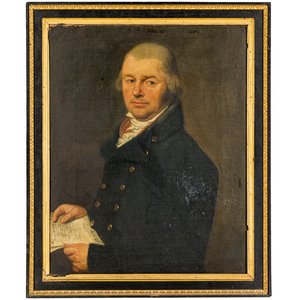
anton francesco biondi
1735 - 1805 , Italy
Osnovne informacije
- Artistic Movement Or Style: Neoclassical
- Date Of Death: 1805
- Francesco Biondo: Date of birth": "1735
- Full Name: Anton Francesco Biondi”
- Nationality: Italian
- Notable Artworks:
- Portrait of Giovanni Agostino Perocchio”,
- Portrait of Giuseppe Macchi”,
- Portrait of Giulio Fedeli” ], "Artists who influenced this artist": ["Andrea Porta"], "Artists or movements influenced by this artist": [
- Place Of Birth: Milan, Italy

