

 Pregledaj u prostoru
 Pošalji
 Podeli
 Detalji o delu

 Преузми
 Slični predmeti
 Rendgenski snimak
 Slajdovi
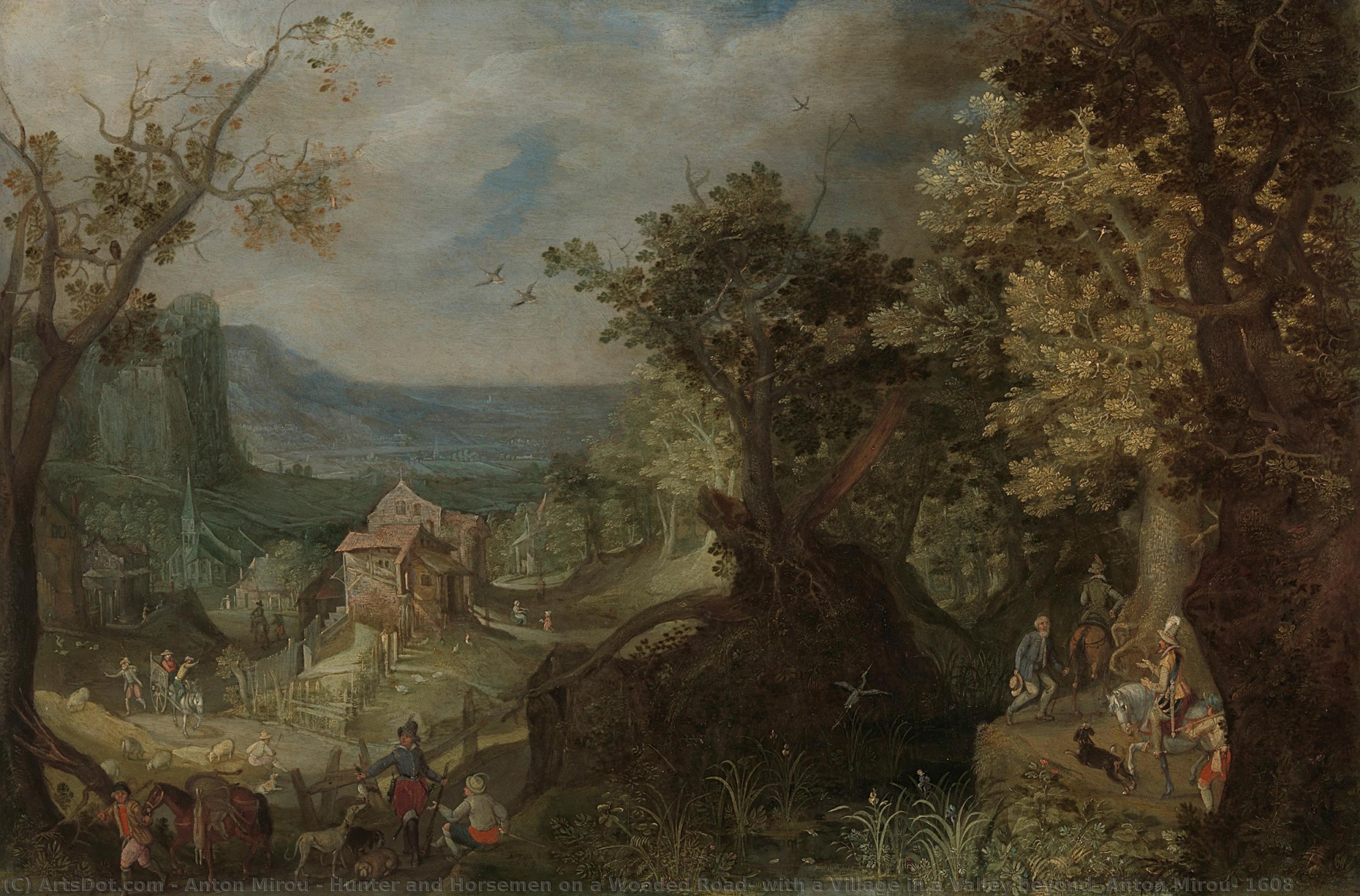
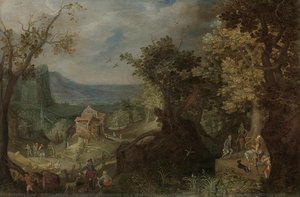
Hunter and Horsemen on a Wooded Road, with a Village in a Valley beyond, Anton Mirou, 1608
 1608
1608 34.0 x 51.0 cm
 Pročitaj više
Giclee štampa / Umetnički otisak
Giclée štampa ili print na platnu muzejskog kvaliteta uz brzu proizvodnju i fleksibilne opcije završne obrade. ( Kupi ručno naslikanu sliku Kupi digitalnu sliku)




































Izaberite jednu od naših unapred definisanih veličina koje odgovaraju originalnim proporcijama umetničkog dela.

Možete uneti sopstvene dimenzije kako biste umetničko delo prilagodili specifičnom okviru ili prostoru. Ako odabrani format ne odgovara proporcijama originalne slike, mi ćemo ili iscrtati deo dela ili proširiti sliku pomoću ogledane ivice ili jednobojnog popunjavanja. Digitalni prikaz će vam biti poslat na odobrenje pre početka proizvodnje.
Imajte na umu da pregled na ekranu ne odražava stvarno iscrtavanje ili proširivanje. Samo će prikaz (mockup) precizno pokazati finalnu kompoziciju.
Iako su prilagođene dimenzije dostupne, preporučujemo da odaberete dimenziju sa unapred definisane liste kako biste očuvali originalne proporcije.
Dostava širom sveta () za 2 nedelje umesto uobičajenih 4/5 nedelja. (28 август)

Besplatna ekspresna dostava širom sveta

Visokokvalitetno laneno platno

Kompletno osiguranje transporta

Garancija povraćaja carine i uvoznih dažbina

Garancija vernosti boja

Politika povrata u roku od 60 dana (samo u slučaju nedostataka)

Garancija povrata novca od 100%

Popust pri grupnoj kupovini
 Opcija sa staklom dostupna je samo za dimenzije manje od 110 cm

Hunter and Horsemen on a Wooded Road, with a Village in a Valley beyond, Anton Mirou, 1608
Giclee štampa / Umetnički otisak
Dimenzije reprodukcije
-


Konačna cena
$ 62
Srodna umetnička dela







Biografija umetnika
A Visionary of the Frankenthal School
The story of Anton Mirou is one of movement, resilience, and the profound transformation of the European landscape. Born in Antwerp around 1578, Mirou’s early years were shadowed by the seismic political and religious shifts that defined the late sixteenth century. Following the traumatic Sack of Antwerp in 1586, his family—likely part of the Protestant diaspora—fled to Frankenthal, a sanctuary nestled within the Palatinate forests. It was here, amidst the rustle of ancient woodlands and the shifting light of the German landscape, that Mirou would find his artistic voice. This relocation did more than just change his geography; it placed him at the heart of a burgeoning artistic revolution known as the Frankenthal School, where the rigid structures of Mannerism began to dissolve into the atmospheric realism of the early Baroque.
Mirou’s formative training was deeply rooted in the traditions of the masters who had sought refuge in the same region. It is widely believed by historians that he studied under the legendary Gillis van Coninxloo, a titan of landscape painting whose influence instilled in Mirou a fascination with dense, wooded compositions and the intricate interplay of light and shadow. This lineage of mentorship provided him with the technical foundation to move beyond mere topographical recording, allowing him to explore the psychological depth of the natural world. His work would eventually become characterized by a unique tension between the wild, rugged terrain and the presence of human life, creating a dialogue between the permanence of nature and the fleeting moments of human existence.
The Artistry of Light and Human Presence
What truly distinguishes Mirou from his contemporaries is his masterful command of chiaroscuro and his peculiar approach to genre elements within a landscape setting. While many artists of the era focused on idealized, pastoral perfection, Mirou sought a more visceral reality. His canvases often feature rocky, imposing vistas and thickets of trees that feel almost palpable in their texture. Yet, these wild settings are frequently interrupted by the unexpected appearance of richly dressed figures—nobles, travelers, or hunters—who seem almost out of place within the untamed wilderness. This juxtaposition creates a sense of narrative mystery; one might find a magnificently dressed lady being serenaded by a lute player on a path that winds through a landscape populated by humble beggars.
His technical prowess is most evident in his ability to capture atmospheric effects, using light not just to illuminate, but to sculpt the very air of the scene. Through meticulous detail and a sophisticated use of tone, he could evoke the dampness of a forest floor or the hazy distance of a mountain range. His oeuvre, though relatively small with approximately 80 known paintings, showcases a remarkable evolution from the more formulaic compositions of his youth to a deeply personal, observational style. This transition is captured beautifully in his later works, where the landscape becomes less a backdrop and more an active participant in the emotional resonance of the painting.
Legacy and Historical Significance
Though Anton Mirou’s name may not occupy the same widespread recognition as the giants of the Dutch Golden Age, his contribution to the evolution of European landscape painting is undeniable. He served as a vital link in the chain of the Frankenthal School, helping to bridge the gap between the structured compositions of the sixteenth century and the emotive, dramatic landscapes of the seventeenth. His work as a topographical draftsman also ensured that his visual interpretations of the era were widely disseminated through prints, influencing the broader European aesthetic.
The historical significance of Mirou lies in his ability to capture a world in transition. His paintings are more than mere depictions of scenery; they are windows into a period of profound social and religious upheaval. By weaving together the elegance of human figures with the ruggedness of the natural world, he created a unique visual language that spoke to the complexities of the human condition. Today, his works remain essential for understanding the development of the Baroque landscape, standing as a testament to a master who found beauty in the shadows and meaning in the wild, untamed corners of the earth.
anton mirou
1578 - 1621
Osnovne informacije
- Artistic Movement Or Style: Frankenthal School
- Artists Or Movements Influenced By This Artist: ['Pieter Schoubroeck']
- Artists Who Influenced This Artist: ['Gillis van Coninxloo']
- Date Of Death: 1621/1627
- Full Name: Anton Mirou
- Nationality: Flemish
- Notable Artworks: ['Landscape with Mercury (Hermes) and Herse, Temple of Erichthonius in the distance']
- Place Of Birth: Antwerp

