

 Pregledaj u prostoru
 Pošalji
 Podeli
 Detalji o delu

 Преузми
 Slični predmeti
 Rendgenski snimak
 Slajdovi
 Stats
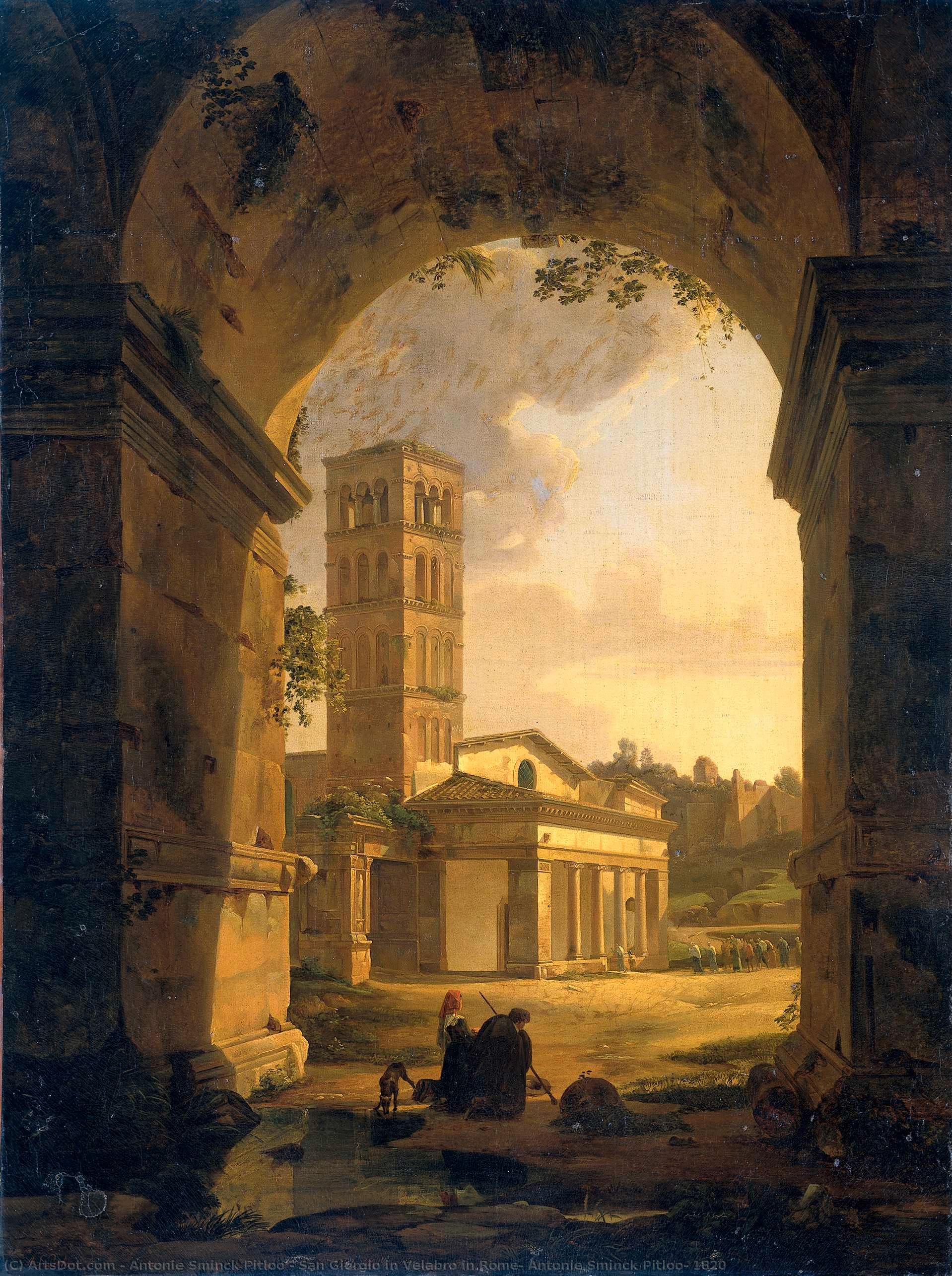
StatsSan Giorgio in Velabro in Rome, Antonie Sminck Pitloo, 1820
 1820
1820 100.0 x 76.0 cm
 Pročitaj više
Ručno rađena uljana reprodukcija
Ručno oslikano uljanim bojama na platnu u dimenzijama i okviru po vašem izboru, izrađeno po porudžbini od strane naših umetnika. ( Switch to Print Switch to Digital Image)




































Izaberite jednu od naših unapred definisanih veličina koje odgovaraju originalnim proporcijama umetničkog dela.

Можете унети сопствене димензије како бисте прилагодили дело одређеном оквиру или простору. Ако одабрана величина не одговара пропорцијама оригинала, слика ће бити исечена или проширена додатним елементима који се ручно насликавају. Дигитални prikaz ће вам бити послат на одобрење пре почетка производње.
Имајте на уму да преглед на екрану не одражава стварно исецање или проширење. Само приказ (mockup) ће тачно приказати коначну композицију.
Иако су доступне прилагођене величине, препоручујемо да одаберете димензију из дефинисане листе како бисте сачували оригиналне пропорције.
Nakon narudžbine, tim ArtsDot.com će klijentu putem e-pošte poslati uputstva i dostaviti prikaz predloženog rešenja
Isporuka širom sveta () za 3/4 nedelje umesto uobičajenih 5 nedelja. (7 септембар). Bez kompromisa po pitanju kvaliteta.

Besplatna ekspresna dostava širom sveta

Visokokvalitetno laneno platno

Kompletno osiguranje transporta

Garancija povraćaja carine i uvoznih dažbina

Garancija vernosti boja

Politika povraćaja u roku od 100 dana (isključivo u slučaju nedostataka)

Garancija povrata novca od 100%

Popust pri grupnoj kupovini
 Opcija sa staklom dostupna je samo za dimenzije manje od 110 cm

San Giorgio in Velabro in Rome, Antonie Sminck Pitloo, 1820
Tehnika reprodukcije
Dimenzije reprodukcije
-


Konačna cena
$ 263
Srodna umetnička dela








Biografija umetnika
A Visionary of Light: The Life and Legacy of Antonie Sminck Pitloo
Antonie Sminck Pitloo stands as a singular figure in the tapestry of nineteenth-century art, a painter whose brush captured the ephemeral whispers of nature long before the formal arrival of Impressionism. Born in Arnhem, Netherlands, in 1790, Pitloo’s artistic soul was shaped by the grand, international currents of Europe. His early journey took him through the storied streets of Paris and into the heart of Rome, where he immersed himself in an era of profound artistic ferment. This period of formative study allowed him to absorb the weight of the Romantic tradition while simultaneously cultivating a revolutionary aesthetic sensibility—one that prioritized the atmospheric truth of a moment over rigid, scholastic precision.
The trajectory of Pitloo’s life was deeply intertwined with the political upheavals of his time. Initially supported by a prestigious scholarship from Louis Bonaparte, the King of Holland, Pitloo enjoyed a period of stability that allowed him to explore the vibrant Roman landscape. However, the fall of Napoleon brought an abrupt end to this patronage, forcing the artist to recalibrate his ambitions. This period of uncertainty led him toward the sun-drenched shores of Naples, a move that would ultimately define his legacy. It was in this Mediterranean setting that he found new patrons, most notably the Russian diplomat and connoisseur Count Grigory Vladimirolarovich Orloff, whose support helped cement Pitloo’s standing within the prestigious Neapolitan artistic circles.
The Architect of the Posillipo School
In Naples, Pitloo did more than merely reside; he became a cornerstone of a burgeoning movement. His presence in the picturesque cove of Posillipo led to his recognition as a leading voice within what would become known as the Posillipo School. Alongside contemporaries such as Carl Götzloff and Vincenzo Franceschini, Pitloo helped foster an environment where landscape painting moved away from dramatic, staged narratives toward a more sincere, pastoral observation. His appointment as a professor of landscape at the Neapolitan Academy in 1816 was a testament to his technical mastery and his ability to inspire a new generation of painters, including his pupil Gabriele Smargiassi.
His work during this era is characterized by an extraordinary sensitivity to the elements. Pitloo possessed a rare gift for capturing the subtle tonal variations of the sky and the way light dances across a landscape. Whether depicting the midday brilliance of an Italian afternoon or the misty, steaming fields at dawn, his canvases resonate with a palpable sense of atmosphere. Critics of his time, such as Lord Napier, marveled at his ability to remain true to general effects; while he might not have labored over every minute detail with scientific exactness, his "pencil" was unerringly accurate in capturing the evanescent magic of the air and the shifting moods of the natural world.
A Precursor to Impressionism
The historical significance of Antonie Sminck Pitloo lies in his role as a bridge between the structured landscapes of Romanticism and the light-obsessed freedom of Impressionism. His approach to painting—focusing on fleeting moments, soft brushstrokes, and the interplay of color and light—foreshadowed the revolutionary shifts that would occur decades later in France. He moved away from the heavy, dramatic compositions of his predecessors, opting instead for serene pastoral scenes that felt lived-in and breathing.
To understand the breadth of Pitloo's contribution, one must consider the following elements of his artistic identity:
- The Fluidity of Identity: Originally known as Pitlo, he adopted the spelling "Pitloo" to reflect the Italianized persona, Antonio van Pitloo, which he embraced during his years in Italy.
- Mastery of Atmosphere: His ability to render the "aerial magic" of a scene, making the very air feel heavy with moisture or bright with heat.
- The Pastoral Focus: A dedication to the quiet beauty of the countryside, using figures not as central protagonists, but as subtle, distant elements that complement the majesty of the landscape.
- Cultural Integration: His marriage to Giulia Mori and his subsequent citizenship in the Kingdom of the Two Sicilies solidified his deep, permanent bond with the Italian landscape he so loved.
Though his life was relatively short, ending in 1837, Pitloo left behind a body of work that serves as a luminous window into the nineteenth century. His paintings remain a testament to the power of observation and the enduring beauty of the natural world, reminding us that true artistry lies in the ability to catch the light before it fades.
antonie sminck pitloo
1790 - 1837 , Netherlands
Osnovne informacije
- Artistic Movement Or Style: Posillipo School; Impressionism precursors
- Artists Or Movements Influenced By This Artist: ['Impressionism']
- Artists Who Influenced This Artist: ['Romanticism']
- Date Of Birth: April 21, 1790
- Date Of Death: June 22, 1837
- Full Name: Antonie Sminck Pitloo
- Nationality: Dutch
- Notable Artworks:
- San Giorgio in Velabro in Rome
- The Grotto of Posillipo at Naples
- Place Of Birth: Arnhem, Netherlands