

 Pregledaj u prostoru
 Pošalji
 Podeli
 Detalji o delu

 Преузми
 Slični predmeti
 Rendgenski snimak
 Slajdovi
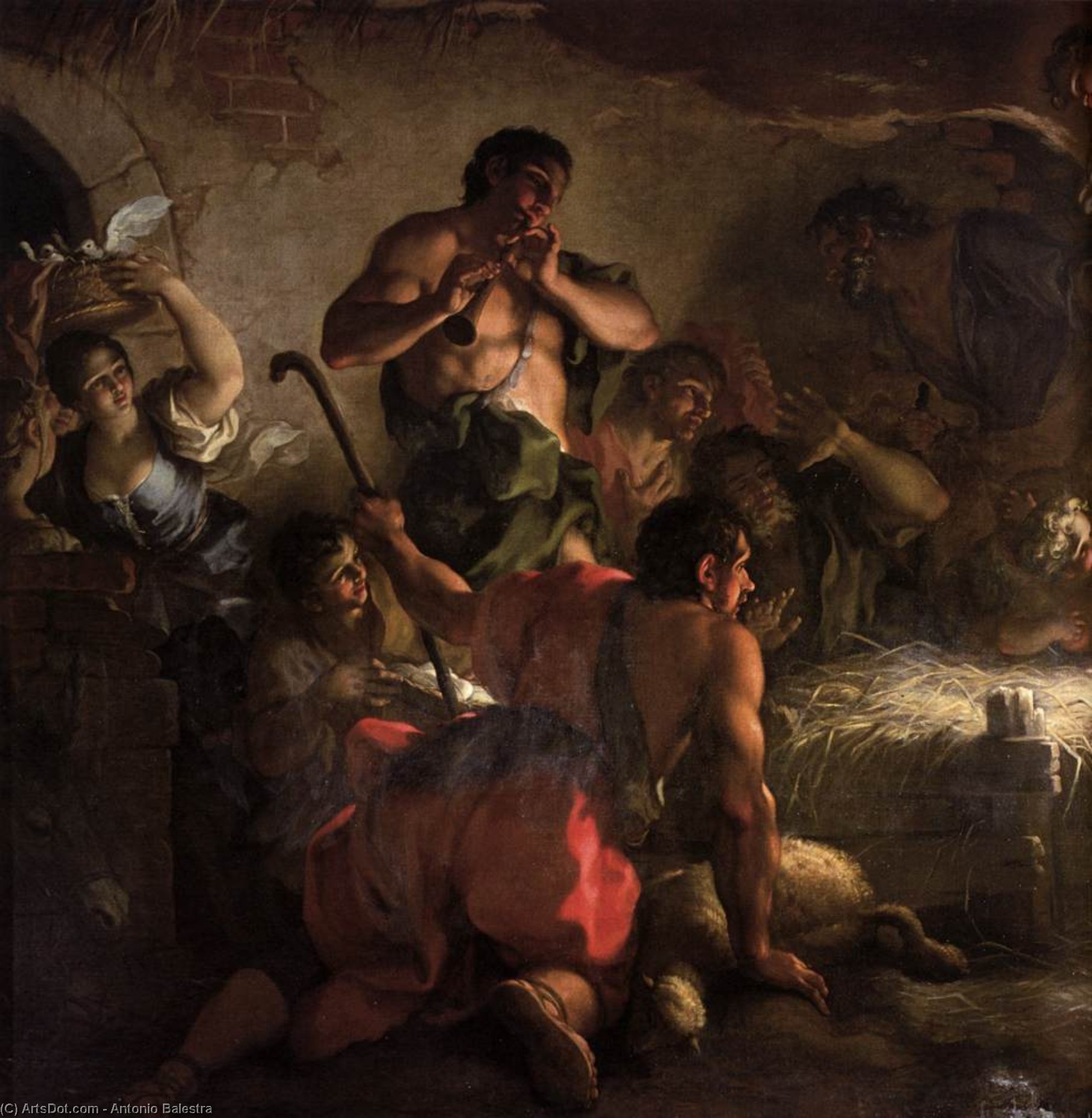
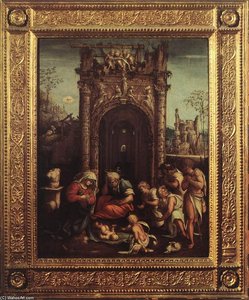
Adoration of the Shepherds (detail)


 Pročitaj više
Kupite digitalnu sliku visoke rezolucije i poboljšanog kvaliteta, koja je znatno superiornija od onoga što vidite u online prikazu.
Svaka datoteka je pedantno pripremljena od strane naših stručnjaka koristeći napredne alate i profesionalnu ručnu retušu. Osiguravamo da svaka slika ima izuzetnu oštrinu, preciznu reprodukciju boja i fine detalje.
Konačna datoteka se dostavlja putem e-pošte u roku od 72 sata, optimizovana za neposrednu upotrebu u profesionalnim, izdavačkim i štamparskim okruženjima. To je isti kvalitet kojem veruju vrhunski studiji dizajna, izdavači i galerije.
Digitalna slika
Preuzmite datoteku visoke rezolucije za ličnu upotrebu, štampanje i kreativne projekte. ( Kupi print Kupi ručno naslikanu sliku)
Uključeno uz svaku porudžbinu digitalne slike
Profesionalna digitalna isporuka, zagarantovana
Kada odaberete ArtsDot.com, ne dobijate samo sliku – vi primate profesionalno unapređeno digitalno umetničko delo, izrađeno sa najvećom preciznošću i uz garanciju zadovoljstva. Evo svega što automatski dolazi uz vašu porudžbinu:

Brza dostava putem e-pošte
Vaša digitalna slika visoke rezolucije biće vam poslata putem e-pošte u roku od 72 sata od poručivanja – spremna za trenutnu upotrebu.

Digitalna datoteka unapređena veštačkom inteligencijom
Vaše umetničko delo je profesionalno optimizovano korišćenjem naprednih AI alata i ručne obrade, čime se osiguravaju maksimalni detalji, oštrina i preciznost boja.

Besplatna ponovna isporuka doživotno
Slučajno ste obrisali ili izgubili svoju datoteku? Ne brinite – poslaćemo vam je ponovo u bilo kom trenutku, potpuno besplatno.

Bez troškova uvoza – zauvek
Uživajte u svojim umetničkim delima trenutno, bez carine, dažbina ili troškova dostave – digitalni download je uvek bez poreza.

Garancija vernosti boja
Uz pomoć profesionalnih alata i upravljanja bojama, osiguravamo da vaša digitalna slika što vernije odražava originalne boje.

Garancija zadovoljstva u roku od 60 dana
Ako niste zadovoljni svojom digitalnom slikom, revidirat ćemo je ili vratiti 100% novca u roku od 60 dana – bez ikakvih pitanja.

100% garancija povrata novca
Niste zadovoljni? Obezbedite pun povrat novca u roku od 60 dana od trenutka kada ste primili svoju digitalnu datoteku – bez suvišnih pitanja.

Popusti na velike porudžbine
Kupite 3 slike, uštedite 10% - Kupite 5 slika, uštedite 15% - Kupite 10+ slika, uštedite 20%. Odlično za kreativne projekte, galerije i agencije.
A Nocturnal Miracle: Antonio Balestra’s “Adoration of the Shepherds”
The year is 1707, and within the walls of a Venetian church, a scene unfolds bathed in the ethereal glow of candlelight – Antonio Balestra's "Adoration of the Shepherds." This isn’t merely a depiction of a biblical narrative; it’s an immersive experience, a carefully constructed tableau brimming with quiet reverence and profound human connection. The painting captures a pivotal moment: the shepherds, alerted by angels, gather to pay homage to the infant Jesus nestled in the manger, their faces illuminated not just by divine light but also by a palpable sense of wonder.
Balestra, a master of the Rococo style flourishing in Italy during this period, eschews the dramatic grandeur often associated with religious art. Instead, he favors a subtle elegance and an intimate scale. The composition is remarkably balanced, drawing the eye towards the central figures – the kneeling shepherds, their gestures conveying humility and devotion. Notice how Balestra uses light to sculpt form; it’s not a harsh illumination but rather a diffused glow that softens edges and imbues the scene with a dreamlike quality. The muted palette—earthy browns, deep blues, and touches of gold—further enhances this sense of serenity.
A Window into 18th-Century Venetian Art
To understand Balestra’s work fully, we must consider the artistic landscape of Venice in the early 18th century. Following the influence of the Roman Classicism championed by Carlo Maratta, Venetian painting was undergoing a subtle but significant shift. Artists like Balestra were moving away from rigid academic rules and embracing a more expressive style, incorporating elements of Baroque drama while retaining a refined elegance. His training under Bellucci in Venice solidified this transition, allowing him to synthesize classical principles with the vibrant colors and atmospheric effects characteristic of Venetian painting.
The painting’s setting within a Venetian church is crucial. Churches were not simply places of worship; they were vital social hubs, adorned with art that aimed to inspire faith and uplift the spirit. Balestra's work reflects this role, offering viewers a moment of contemplation amidst the bustle of daily life.
Symbolism and Narrative Depth
Beyond its aesthetic beauty, “Adoration of the Shepherds” is rich in symbolic meaning. The shepherds themselves represent the common people, embodying humility and faith – qualities valued by the Church during this era. Their attentive gazes towards the infant Jesus signify a profound connection between heaven and earth. The presence of animals—sheep, a dog—adds to the scene’s pastoral charm and reinforces the theme of innocence and vulnerability.
The manger itself is not just a cradle; it's a symbol of sacrifice and redemption. The arrangement of figures around it speaks to the universality of this narrative – everyone, regardless of social standing, is invited to participate in the miracle of Christ’s birth. Even the subtle details—the folds of the shepherds’ robes, the expressions on their faces—contribute to the painting's emotional resonance.
Technique and Artistic Legacy
Balestra’s masterful technique is evident in his skillful use of pen and ink, combined with delicate washes of color. He employs a loose, expressive brushstroke that creates a sense of movement and immediacy. The drawing is remarkably detailed, yet retains an overall fluidity—a testament to Balestra's artistic control. The composition demonstrates a sophisticated understanding of perspective and spatial relationships, creating a believable and engaging scene.
While the original painting is now housed in a private collection, high-quality reproductions offer a remarkable opportunity to experience its beauty and contemplate its profound message. “Adoration of the Shepherds” remains a powerful testament to Balestra’s artistic vision—a timeless depiction of faith, humility, and the enduring miracle of Christmas.
Srodna umetnička dela

Biografija umetnika
Antonio Balestra: A Life in Rococo Art
Early Life and Training
Antonio Balestra (born August 12, 1666, Verona, Italy – died April 21, 1740) was a prominent Italian painter of the Rococo period. His artistic journey began with an apprenticeship under Giovanni Zeffio in his native Verona. This foundational training provided him with early skills in drawing and painting techniques.
Artistic Development & Influences
By 1690, Balestra moved to Venice, where he further honed his skills under the guidance of Antonio Bellucci for three years. He then traveled to Bologna and subsequently Rome, working in the workshop of the renowned Carlo Maratta. This exposure to different artistic centers and masters significantly shaped his style.
- Venetian Influence: His time in Venice instilled a sense of color and dramatic composition.
- Roman Classicism: Working with Maratta exposed him to classical ideals and academic rigor.
Career & Major Works
In 1694, Balestra achieved recognition by winning a prize from the Accademia di San Luca in Rome. He subsequently worked extensively in both Verona and Venice, though his influence was arguably stronger in mainland Italy.
- Religious Commissions: He received numerous commissions for religious paintings, including works for churches such as I Gesuiti and San Zaccaria in Venice, and Sant'Ignazio in Bologna.
- Notable Paintings: Some of his significant works include “Adoration of the Shepherds”, “Theseus Discovering his Father’s Sword,” and “The Death of Abel”.
Pupils & Artistic Legacy
Balestra was a respected teacher, and several notable artists studied under him. His pupils included Pietro Rotari and Giambettino Cignaroli in Verona, and Pietro Longhi, along with others like Mariotti, Giuseppe Nogari, Mattia Bortoloni, and Angelo Trevisani in Venice. He also influenced a young Giambattista Pittoni.
Artistic Style & Philosophical Stance
Balestra’s painting style is characterized by its adherence to academic standards and a somewhat conservative approach within the Rococo period. He was critical of what he perceived as a decline in artistic discipline, lamenting the tendency of contemporary painters to deviate from established principles.
“All the present evil derives from the pernicious habit…of working from the imagination without having first learned how to draw after good models,” he famously stated.Historical Significance
Antonio Balestra represents a transitional figure in Italian art, bridging the Baroque and Rococo periods. While embracing elements of the Rococo’s elegance and decorative flair, he remained committed to classical ideals and academic training. His work provides valuable insight into the artistic debates and evolving tastes of 18th-century Italy.

Antonio Balestra
1666 - 1740 , Italy
Kratke činjenice
- Birth Date: 1666-08-12
- Birth Place: Verona, Italy
- Death Date: 1740-04-21
- Influenced:
- Pietro Rotari
- Giambettino Cignaroli
- Pietro Longhi
- Mariotti
- Giuseppe Nogari
- Mattia Bortoloni
- Angelo Trevisani
- Giambattista Pittoni
- Domenico Pecchio
- Domenico Bertini
- Carlo Salis
- Influenced By: Giovanni Zeffio, Antonio Bellucci, Carlo Maratta
- Movement: Rococo
- Name: Antonio Balestra
- Nationality: Italian
- Notable Works:
- Adoration of the Shepherds
- Theseus Discovering his Father's Sword
- The Death of Abel
- Virgin and Infant, with Saints Ignatius and Stanislaus Kostka

