

 Pregledaj u prostoru
 Pošalji
 Podeli
 Detalji o delu

 Преузми
 Slični predmeti
 Rendgenski snimak
 Slajdovi
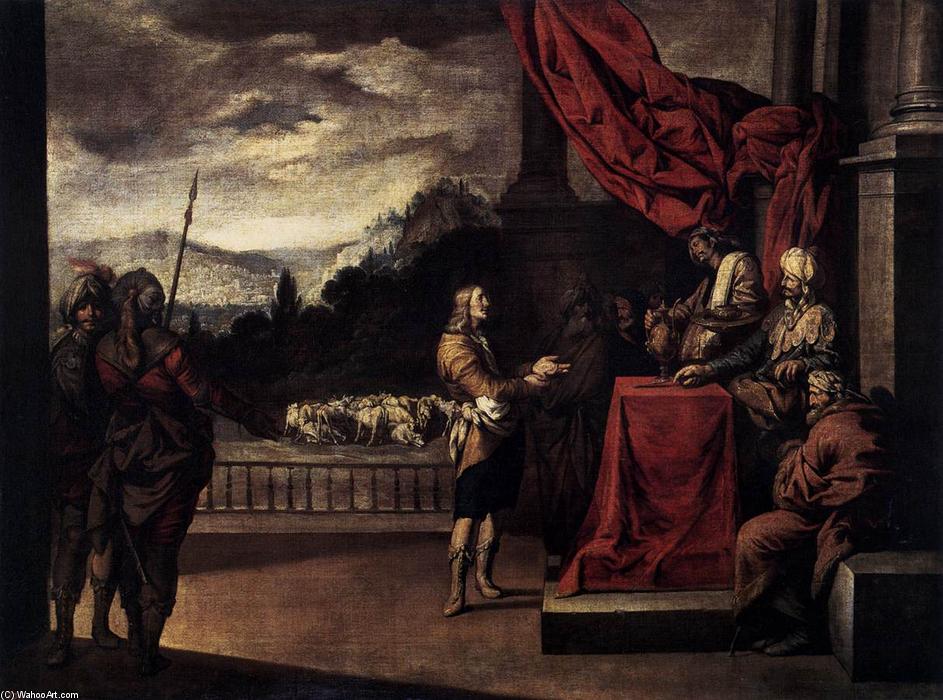
Joseph Explains the Dream of the Pharaoh
 Oil On Canvas
- WallArt
- Baroque
 109.0 x 145.0 cm
 Museo del Prado
 Pročitaj više
Ručno rađena uljana reprodukcija
Ručno oslikano uljanim bojama na platnu u dimenzijama i okviru po vašem izboru, izrađeno po porudžbini od strane naših umetnika. ( Kupi print Kupi digitalnu sliku)




P118B $10

P118H $10

P118W $10

P438Z $10

P508JH $12

P508YH $12

P805H $10

P805Z $10

P919BZ $10

P919G $10

P919XJ $10

P959ZH $10

P968JZ $12

W106C $8

W218G $10

W218JH $8

W218Y $10

W307PJ $10

W316G $10

W316PJ $8

W316Y $10

W398PJ $8

W4111J $10

W500HY $15

W500JH $15

W692G $12

W849H $8

W940BG $15

W953PJ $8




Izaberite jednu od naših unapred definisanih veličina koje odgovaraju originalnim proporcijama umetničkog dela.

Можете унети сопствене димензије како бисте прилагодили дело одређеном оквиру или простору. Ако одабрана величина не одговара пропорцијама оригинала, слика ће бити исечена или проширена додатним елементима који се ручно насликавају. Дигитални prikaz ће вам бити послат на одобрење пре почетка производње.
Имајте на уму да преглед на екрану не одражава стварно исецање или проширење. Само приказ (mockup) ће тачно приказати коначну композицију.
Иако су доступне прилагођене величине, препоручујемо да одаберете димензију из дефинисане листе како бисте сачували оригиналне пропорције.
Nakon narudžbine, tim ArtsDot.com će klijentu putem e-pošte poslati uputstva i dostaviti prikaz predloženog rešenja
Isporuka širom sveta () za 3/4 nedelje umesto uobičajenih 5 nedelja. (23 август). Bez kompromisa po pitanju kvaliteta.

Besplatna ekspresna dostava širom sveta

Visokokvalitetno laneno platno

Kompletno osiguranje transporta

Garancija povraćaja carine i uvoznih dažbina

Garancija vernosti boja

Politika povrata u roku od 60 dana (samo u slučaju nedostataka)

Garancija povrata novca od 100%

Popust pri grupnoj kupovini
 Opcija sa staklom dostupna je samo za dimenzije manje od 110 cm

Joseph Explains the Dream of the Pharaoh
Tehnika reprodukcije
Dimenzije reprodukcije
-


Konačna cena
$ 263
Opis umetničkog dela
A Window Into Biblical Narrative: Antonio del Castillo y Saavedra’s “Joseph Explains the Dream of the Pharaoh”
The Museo del Prado in Madrid houses a masterpiece that transcends mere visual representation—Antonio del Castillo y Saavedra’s “Joseph Explains the Dream of the Pharaoh,” an oil painting completed sometime around 1650. More than just depicting a pivotal moment from Genesis, this artwork embodies the spirit of Baroque art and offers a profound glimpse into the artistic sensibilities of its era. Examining its composition, technique, and symbolic resonance reveals layers of meaning that continue to captivate audiences centuries later.The Scene Unfolds: Composition and Narrative Detail
Del Castillo’s depiction centers on Joseph, son of Jacob and Rachel, standing confidently before Pharaoh's throne—a symbol of royal authority and divine providence. He gestures emphatically towards Pharaoh, conveying the urgency of his message – an interpretation of Pharaoh’s prophetic dream concerning seven years of prosperity followed by seven years of famine. The artist meticulously captures the grandeur of the palace interior, utilizing architectural elements like columns and drapery to establish a sense of scale and majesty. Surrounding Joseph are attendants who listen intently, reflecting the importance placed upon interpreting divine signs and safeguarding the kingdom’s future. Beyond the throne room lies a landscape—a deliberate inclusion that expands the narrative beyond the immediate setting, suggesting the broader implications of Pharaoh's predicament. The overcast sky contributes to an atmosphere of solemn contemplation, mirroring the gravity of the situation being portrayed.Baroque Technique: Light and Shadow – Mastering Illusion
Del Castillo’s masterful execution exemplifies the hallmarks of Baroque painting—specifically, dramatic chiaroscuro. He skillfully employs light and shadow to sculpt figures and create depth within the canvas. Intense highlights illuminate Joseph's face and attire, emphasizing his conviction and conveying a sense of spiritual illumination. Conversely, darker tones envelop the throne room and landscape, fostering an illusionistic effect that draws viewers into the scene. The artist’s meticulous brushwork contributes to the painting’s textural richness, capturing the subtle nuances of fabric folds and architectural surfaces. This technique wasn't merely decorative; it served a crucial purpose in conveying emotion and enhancing the dramatic impact of the biblical narrative.Symbolism Beyond the Dream: Faith and Divine Guidance
“Joseph Explains the Dream of the Pharaoh” is laden with symbolic significance rooted in Christian theology. Joseph’s posture embodies humility before God, acknowledging divine wisdom and accepting responsibility for interpreting prophetic visions. The throne symbolizes royal power but also represents God's dominion over earthly affairs—a reminder that human rulers are ultimately accountable to a higher authority. Furthermore, the landscape serves as a backdrop for contemplation, symbolizing the eternal realm of God’s grace and offering solace amidst worldly anxieties. The dream itself is interpreted as a divine warning about impending hardship, urging Pharaoh to heed Joseph's counsel and prepare for future challenges—a testament to faith’s ability to illuminate even the darkest moments.Emotional Resonance: Capturing Human Dignity and Spiritual Conviction
Ultimately, Del Castillo succeeds in conveying profound emotional resonance. The painting captures the dignity of human intellect as Joseph strives to communicate complex theological concepts with clarity and conviction. His gaze directs towards Pharaoh, projecting confidence and determination—a visual embodiment of faith’s unwavering belief in divine providence. The overall mood is one of solemn seriousness, reflecting the weighty responsibility entrusted to Joseph and highlighting the importance of interpreting prophetic messages. “Joseph Explains the Dream of the Pharaoh” remains a powerful reminder that art can transcend time, communicating timeless truths about faith, leadership, and the enduring quest for understanding.Srodna umetnička dela



Biografija umetnika
španski barokni majstor (1616–1668)
Antonio del Castillo y Saavedra, istaknuta figura španske umetnosti, ostavio je neizbrisiv trag u svetu slikarstva, skulpture i poezije. Rođen u Kordobi, u Španiji, 10. jula 1616. godine, on je započeo putovanje koje će ga odvesti kroz vrhunske visine različitih umetničkih disciplina.rani život i obuka
Pod mentorstvom svog oca, Agustína del Castilla, Antonio je stekao svoje prve veštine u slikarstvu. Nakon smrti oca, u periodu od 1631. do 1634. godine, nastavio je svoje studije kod Ignacia Aeda Calderona, manje poznatog religioznog slikara. Kasnije, u Sevilli, usavršio je svoj talenat pod vođstvom Francisca de Zurbarána i svog ujaka, Juana del Castilla, koji je podučavao i druge značajne umetnike poput Canoa, Murilla i De Moye.umetnički doprinos
Antonijev rad odlikuju živopisnost i duboka emocionalna slojevitost. Njegova dela prožeta su duhom vremena i prepoznatljiva su po svojoj snazi. Među najznačajnijim delima izdvajaju se:- San Vicente Ferrer, ulje na platnu koje verno prenosi suštinu okruženja Kordobe.
- Pejsaž sa Svetim Janom Krstiteljem kao uspavanim detetom, još jedno remek-delo u tehnici ulja na platnu, koje slavi lepotu Kordobe i njenog okruženja.
- Njegovi fresci i uljana slika u crkvi Santa Marina predstavljaju neprocenjiv dokaz njegove veštine i umetničke svestranosti.
muzeji koji čuvaju njegovo delo
- Muzej Palacio de Viana (Kordoba, Španija), koji čuva impresivnu kolekciju evropskih slika i skulptura od 14. do 20. veka. /sr/art/show/art-d3aj6b-sr/
- Ostale značajne muzeje koji izlažu njegova dela možete pronaći u sveobuhvatnom vodiču za špansku umetnost i umetnike na ArtsDot platformi. [https://ArtsDot.com/@/antonio-del-castillo-y-saavedra](https://ArtsDot.com/@/antonio-del-castillo-y-saavedra)
nasleđe
Nasleđe Antonija del Castilla y Saavedre je svedočanstvo njegovog višestranog umetničkog genija. Njegova smrt, 2. februara 1668. godine, označila je kraj jedne ere, ali je istovremeno otvorila put budućim generacijama umetnika. Otkrijte više o Antoniju del Castillu y Saavedri i drugim španskim baroknim slikarima kroz bogatu kolekciju ArtsDot: /sr/art/show/art-d3atkt-sr/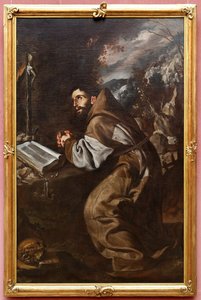
Antonio Del Castillo Y Saavedra
1616 - 1668 , Španija
Osnovne informacije
- Artistic Movement Or Style: Barok
- Artists Or Movements Influenced By This Artist: ['Murillo']
- Artists Who Influenced This Artist:
- Francisco de Zurbarán
- Ignacio Aedo Calderón
- Date Of Birth: 10. jul 1616.
- Date Of Death: 2. februar 1668.
- Full Name: Antonio del Castillo y Saavedra
- Nationality: Španski
- Notable Artworks:
- San Vicente Ferrer
- Pejzaž sa Svetim Jovanom Krstiteljem kao uspavanim detetom
- Freske u Santa Marina
- Place Of Birth: Kordoba, Španija
Povezani članci

Barok Majstor dela: Top 10 Umjetničkih Remeka za Vaš Dom
Otkrijte 10 remek dela koja su definisala baroknu umetnost! Karavagio, Bernini i više – istražite priče iza ovih ikoničnih slika. Inspiracija za vaš dom? Pogledajte kolekciju na ArtsDot.com!

Барокна драма: Уношење величине и емоција у савремене ентеријере
Откријте барокну драму и унесите величину у ваш ентеријер! ArtsDot нуди ручно насликане репродукције, персонализоване портрете и стручне консултације за љубитеље класичне уметности. Потражите савршено дело већ данас!

The Dramatic Flourish: Exploring the Baroque Movement's Enduring Legacy in Art History
Explore the dramatic world of Baroque art! Discover iconic artists like Caravaggio & Rubens, defining techniques, and its lasting impact on art history. Expert insights for collectors & enthusiasts at ArtsDot.

The Visceral Stage: Exploring Dramatic Narratives & Emotional Intensity in Baroque Art
Explore the dramatic world of Baroque art! Discover iconic masters like Caravaggio & Rembrandt, their techniques, and the movement's lasting impact. Expert insights for collectors & enthusiasts at ArtsDot.

Theatricality & Triumph: Baroque Drama in Painting & Sculpture
Explore the dramatic world of Baroque art! Discover its history, defining characteristics, & lasting influence on painting & sculpture. Expert insights into Caravaggio, Zurbarán, and Bernini – plus high-quality reproductions at ArtsDot.

