

 Pregledaj u prostoru
 Pošalji
 Podeli
 Detalji o delu

 Преузми
 Slični predmeti
 Rendgenski snimak
 Slajdovi
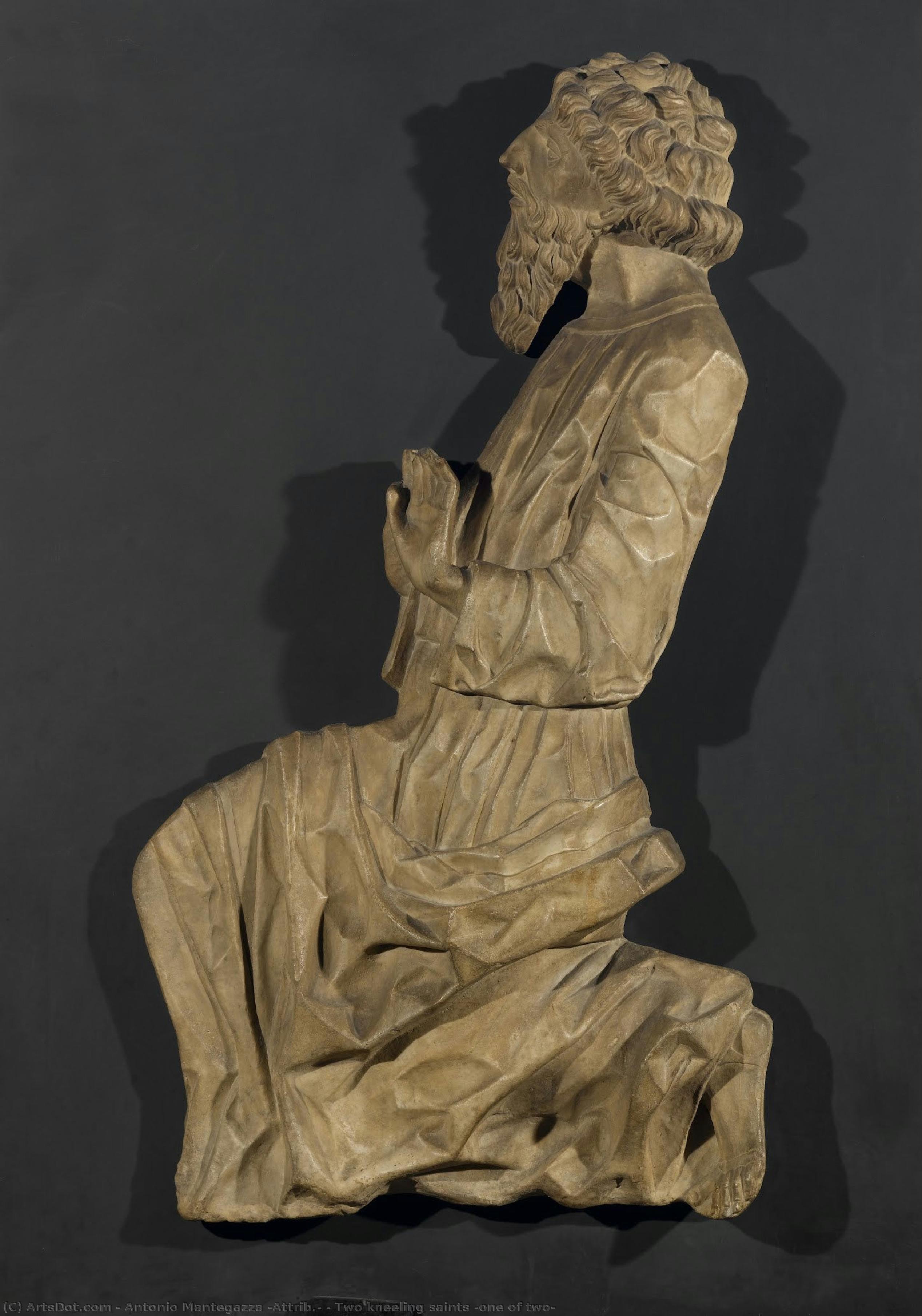
Two kneeling saints (one of two)
 1400
1400 5.0 x 15.0 cm
 Sforza Castle
 Pročitaj više
Ručno rađena uljana reprodukcija
Ručno oslikano uljanim bojama na platnu u dimenzijama i okviru po vašem izboru, izrađeno po porudžbini od strane naših umetnika. ( Kupi print Kupi digitalnu sliku)




































Izaberite jednu od naših unapred definisanih veličina koje odgovaraju originalnim proporcijama umetničkog dela.

Можете унети сопствене димензије како бисте прилагодили дело одређеном оквиру или простору. Ако одабрана величина не одговара пропорцијама оригинала, слика ће бити исечена или проширена додатним елементима који се ручно насликавају. Дигитални prikaz ће вам бити послат на одобрење пре почетка производње.
Имајте на уму да преглед на екрану не одражава стварно исецање или проширење. Само приказ (mockup) ће тачно приказати коначну композицију.
Иако су доступне прилагођене величине, препоручујемо да одаберете димензију из дефинисане листе како бисте сачували оригиналне пропорције.
Nakon narudžbine, tim ArtsDot.com će klijentu putem e-pošte poslati uputstva i dostaviti prikaz predloženog rešenja
Isporuka širom sveta () za 3/4 nedelje umesto uobičajenih 5 nedelja. (23 август). Bez kompromisa po pitanju kvaliteta.

Besplatna ekspresna dostava širom sveta

Visokokvalitetno laneno platno

Kompletno osiguranje transporta

Garancija povraćaja carine i uvoznih dažbina

Garancija vernosti boja

Politika povrata u roku od 60 dana (samo u slučaju nedostataka)

Garancija povrata novca od 100%

Popust pri grupnoj kupovini
 Opcija sa staklom dostupna je samo za dimenzije manje od 110 cm

Two kneeling saints (one of two)
Tehnika reprodukcije
Dimenzije reprodukcije
-


Konačna cena
$ 263
Opis umetničkog dela
Srodna umetnička dela








Biografija umetnika
Antonio Mantegazza: A Sculptor of the Milanese Renaissance
Antonio Mantegazza, a name often encountered in association with his brother Cristoforo, stands as a pivotal figure within the artistic landscape of 15th-century Lombardy. Born around 1440 – though precise dates remain elusive – he emerged during a period of intense artistic and architectural activity, deeply intertwined with the patronage of the Sforza family in Milan. His legacy is primarily defined by his contributions to the magnificent facade of the Certosa di Pavia and, more subtly, through his involvement in the decoration of other significant structures within the region. While often categorized as an “attributed” artist – a common designation for works where authorship remains uncertain – Mantegazza’s distinctive style and technical prowess warrant careful consideration, revealing a sculptor deeply influenced by both classical ideals and contemporary trends.Early Life and Artistic Training
Information regarding Mantegazza's early life is remarkably sparse. Records detailing his birth city and precise formative years are scant, contributing to the enigmatic nature of his artistic journey. What *is* known is that he and Cristoforo were summoned to the Certosa di Pavia in 1473 by Galeazzo Maria Sforza, Duke of Milan, to undertake the ambitious project of designing an equestrian statue honoring his father, Francesco I Sforza. This commission, ultimately entrusted to Leonardo da Vinci, undoubtedly provided both brothers with invaluable experience and exposure to the highest echelons of artistic patronage. Their involvement in this monumental undertaking served as a crucial stepping stone, shaping their aesthetic sensibilities and establishing them within the Milanese art scene. It’s believed they were also involved in decorating the Hospital of the Pietà, now corresponding to Piazza Leonardo, where a copy of the Pietà Mantegazza is displayed.The Style of ‘Cartaceo’: A Distinctive Approach
Mantegazza's sculptures are immediately recognizable for their distinctive “cartaceous” style – a term coined by scholars due to the material’s resemblance to crumpled paper. This approach, characterized by flattened figures, simplified drapery, and a deliberate lack of volume, was particularly prevalent in Milan during this period. It represents a departure from the more traditionally rounded forms favored in earlier Renaissance sculpture, reflecting a conscious embrace of a new aesthetic vocabulary. This style wasn’t entirely unique to Mantegazza; it shared characteristics with other sculptors working in the region, including Cristoforo and Giovanni Antonio Amadeo. However, Mantegazza's mastery of this technique – his ability to imbue these seemingly simplified forms with remarkable expressiveness and emotional depth – distinguishes him as a key practitioner of this influential style. The influence of masters like Mantegna and Ferrarese sculptors is evident in the way he utilizes perspective and creates dramatic effects within limited spatial constraints.Major Works: The Certosa di Pavia and Beyond
The facade of the Certosa di Pavia represents the pinnacle of Mantegazza’s artistic achievements. His contributions to this vast architectural complex are extensive, encompassing a range of decorative elements – including relief sculptures adorning the main portal, intricate details within the cloisters, and monumental figures depicting scenes from the Old Testament. The “Pietà Mantegazza,” a poignant depiction of Christ and Mary, stands as perhaps his most celebrated work, showcasing his technical skill and emotional sensitivity. The sculpture’s elongated figures, expressive gestures, and carefully rendered drapery evoke a powerful sense of grief and sorrow. Beyond the Certosa, Mantegazza's influence can be detected in other projects throughout Milan and the surrounding region, though fewer examples survive today.Legacy and Historical Significance
Despite the frequent attribution of his works to Cristoforo Mantegazza, Antonio’s contribution to the artistic landscape of 15th-century Lombardy is undeniable. His “cartaceous” style, characterized by its innovative approach to form and its ability to convey profound emotion, had a lasting impact on subsequent generations of sculptors. He represents a crucial link between the classical ideals of the Renaissance and the evolving aesthetic sensibilities of Milanese art. While his individual fame may have been somewhat overshadowed by his brother’s more prominent role in certain projects, Antonio Mantegazza remains a significant figure – a testament to the dynamism and creativity of the Italian Renaissance. His work continues to fascinate scholars and art enthusiasts alike, offering a glimpse into the artistic world of a pivotal era.
antonio mantegazza (attrib.)
1495 , Italy
Osnovne informacije
- Artistic Movement Or Style: Renaissance Sculpture
- Artists Or Movements Influenced By This Artist: ['Giovanni Antonio Amadeo']
- Artists Who Influenced This Artist:
- Mantegna
- Ferrarese masters
- Date Of Death: 1495
- Full Name: Antonio Mantegazza
- Nationality: Italian
- Notable Artworks:
- Two kneeling saints
- Certosa facade relief
- Place Of Birth: Milan, Lombardy, Italy

