

 Pregledaj u prostoru
 Pošalji
 Podeli
 Detalji o delu

 Преузми
 Slični predmeti
 Rendgenski snimak
 Slajdovi
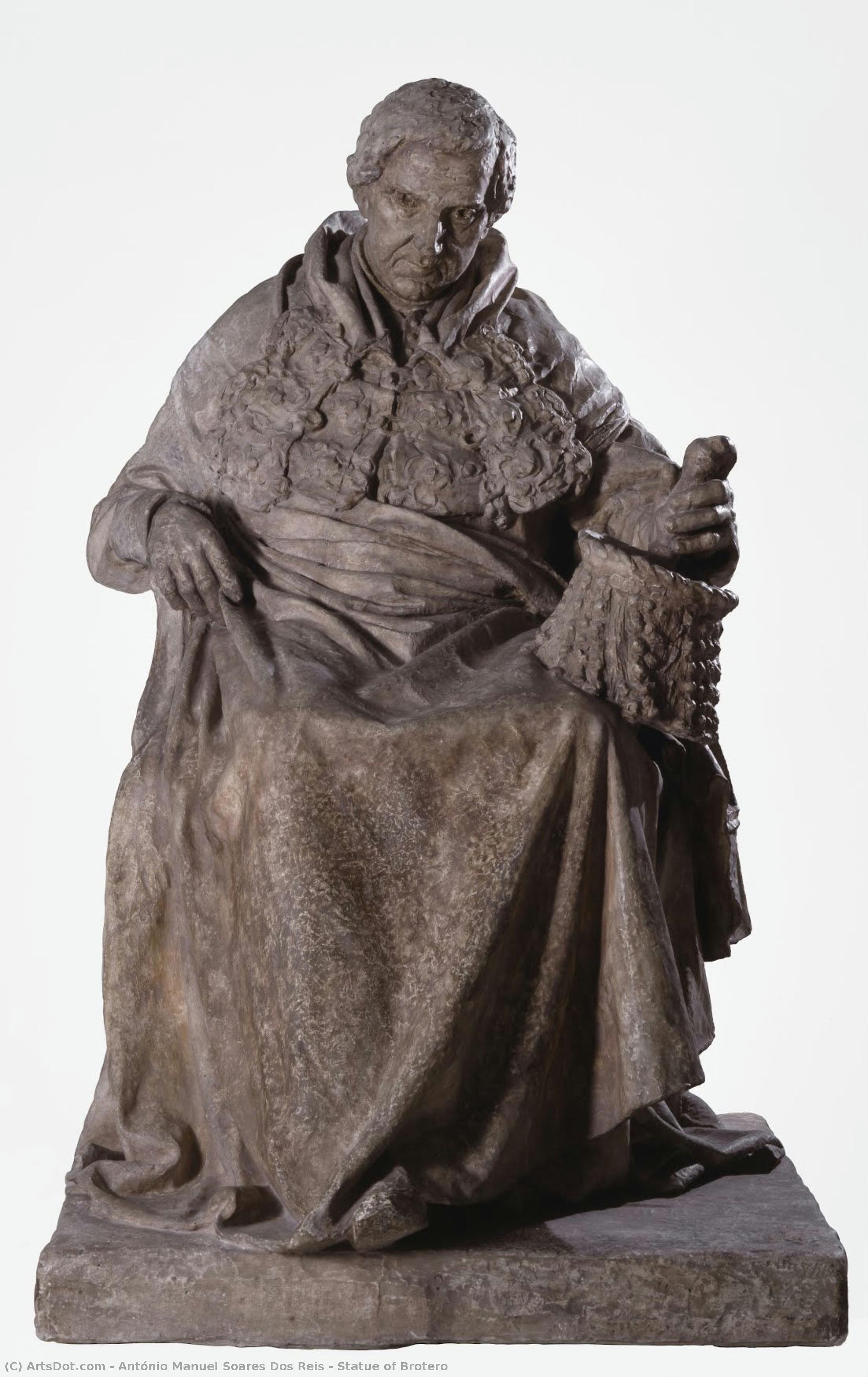
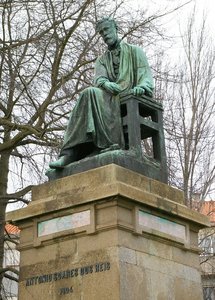
Statue of Brotero
 1886
1886 54.0 x 97.0 cm
 Soares dos Reis National Museum
 Pročitaj više
Ručno rađena uljana reprodukcija
Ručno oslikano uljanim bojama na platnu u dimenzijama i okviru po vašem izboru, izrađeno po porudžbini od strane naših umetnika. ( Kupi print Kupi digitalnu sliku)




































Izaberite jednu od naših unapred definisanih veličina koje odgovaraju originalnim proporcijama umetničkog dela.

Можете унети сопствене димензије како бисте прилагодили дело одређеном оквиру или простору. Ако одабрана величина не одговара пропорцијама оригинала, слика ће бити исечена или проширена додатним елементима који се ручно насликавају. Дигитални prikaz ће вам бити послат на одобрење пре почетка производње.
Имајте на уму да преглед на екрану не одражава стварно исецање или проширење. Само приказ (mockup) ће тачно приказати коначну композицију.
Иако су доступне прилагођене величине, препоручујемо да одаберете димензију из дефинисане листе како бисте сачували оригиналне пропорције.
Nakon narudžbine, tim ArtsDot.com će klijentu putem e-pošte poslati uputstva i dostaviti prikaz predloženog rešenja
Isporuka širom sveta () za 3/4 nedelje umesto uobičajenih 5 nedelja. (22 август). Bez kompromisa po pitanju kvaliteta.

Besplatna ekspresna dostava širom sveta

Visokokvalitetno laneno platno

Kompletno osiguranje transporta

Garancija povraćaja carine i uvoznih dažbina

Garancija vernosti boja

Politika povrata u roku od 60 dana (samo u slučaju nedostataka)

Garancija povrata novca od 100%

Popust pri grupnoj kupovini
 Opcija sa staklom dostupna je samo za dimenzije manje od 110 cm

Statue of Brotero
Tehnika reprodukcije
Dimenzije reprodukcije
-


Konačna cena
$ 263
Srodna umetnička dela




Biografija umetnika
The Melancholy Titan of Portuguese Sculpture
António Manuel Soares dos Reis stands as a monumental figure in the annals of Portuguese art history, recognized universally as the nation's foremost sculptor of the 19th century. Born in Vila Nova de Gaia in 1847, his life was a profound study in both creative brilliance and personal tragedy. His artistic journey began with rigorous formal training at the Portuense Academy of Fine Arts, but it was his subsequent move to the École des Beaux-Arts in Paris that truly ignited his genius. In the heart of the French capital, he absorbed the prevailing stylistic currents of the era, honing a technique that would eventually marry the precision of classical ideals with a raw, emotive realism.
The development of his style was deeply influenced by the masters he encountered during his travels through Europe. As he moved from the academic discipline of Paris to the sun-drenched inspiration of Rome, Reis began to transcend mere imitation. He developed a unique ability to breathe life into stone and bronze, imbuing his subjects with an internal psychological depth that was rare for his time. This period of his life was marked by significant accolades, as he secured prestigious prizes in both Paris and Rome, cementing his reputation as one of the most promising sculptors emerging from the European continent.
Mastery of Emotion and the Neoclassical Spirit
It was during his Roman years that Soares dos Reis achieved his true artistic zenith. His work from this period showcases an unparalleled ability to convey the complexities of the human condition through meticulous anatomical detail and dramatic composition. He became a master of the neoclassical style, yet he infused it with a Romantic sensibility that spoke to the anxieties and existential struggles of the late 19th century. His sculptures were not merely static figures; they were vessels of profound emotion, capturing moments of intense spiritual and physical tension.
Among his most enduring achievements is the legendary masterpiece, ‘O Desterrado’ (The Banished). This colossal sculpture serves as a poignant portrayal of solitude and despair, depicting a figure wrestling with the weight of exile and loss. Through this work, Reis established himself as a pioneer, using the permanence of sculpture to explore the fleeting and painful nature of human suffering. His ability to render such heavy, existential themes with breathtaking precision remains a hallmark of his legacy.
A Legacy Carved in Bronze and Stone
Beyond his monumental allegorical works, Soares dos Reis demonstrated extraordinary versatility through his portraiture. His busts and portraits, such as the Bust of Mrs. Elisa Leech, reveal a meticulous attention to detail and a profound understanding of human anatomy. In these smaller-scale works, one can observe his mastery of texture—the way light plays across bronze surfaces to suggest the softness of skin or the intricate folds of fabric. These pieces reflect a naturalist approach that brought a sense of intimacy and presence to his subjects.
The historical significance of António Soares dos Reis cannot be overstated. He bridged the gap between the rigid traditions of Neoclassicism and the burgeoning movement toward Realism, leaving an indelible mark on Portuguese identity. Although his life was tragically curtailed by suicide at the age of forty-one, the impact of his short but intense career continues to resonate. His oeuvre remains a testament to the power of art to capture the most delicate nuances of the human soul, ensuring his place as a titan of 19th-century European sculpture.
antónio manuel soares dos reis
1847 - 1889 , Portugal
Osnovne informacije
- Artistic Movement Or Style: Realist Sculpture
- Artists Or Movements Influenced By This Artist: ['Neoclassical Art']
- Artists Who Influenced This Artist: ['Jean Auguste Ingres']
- Date Of Birth: 14 October 1847
- Date Of Death: 16 February 1889
- Full Name: António Manuel Soares dos Reis
- Nationality: Portuguese
- Notable Artworks: ['O Desterrado']
- Place Of Birth: Vila Nova de Gaia, Portugal

