

 Pregledaj u prostoru
 Pošalji
 Podeli
 Detalji o delu

 Преузми
 Slični predmeti
 Rendgenski snimak
 Slajdovi
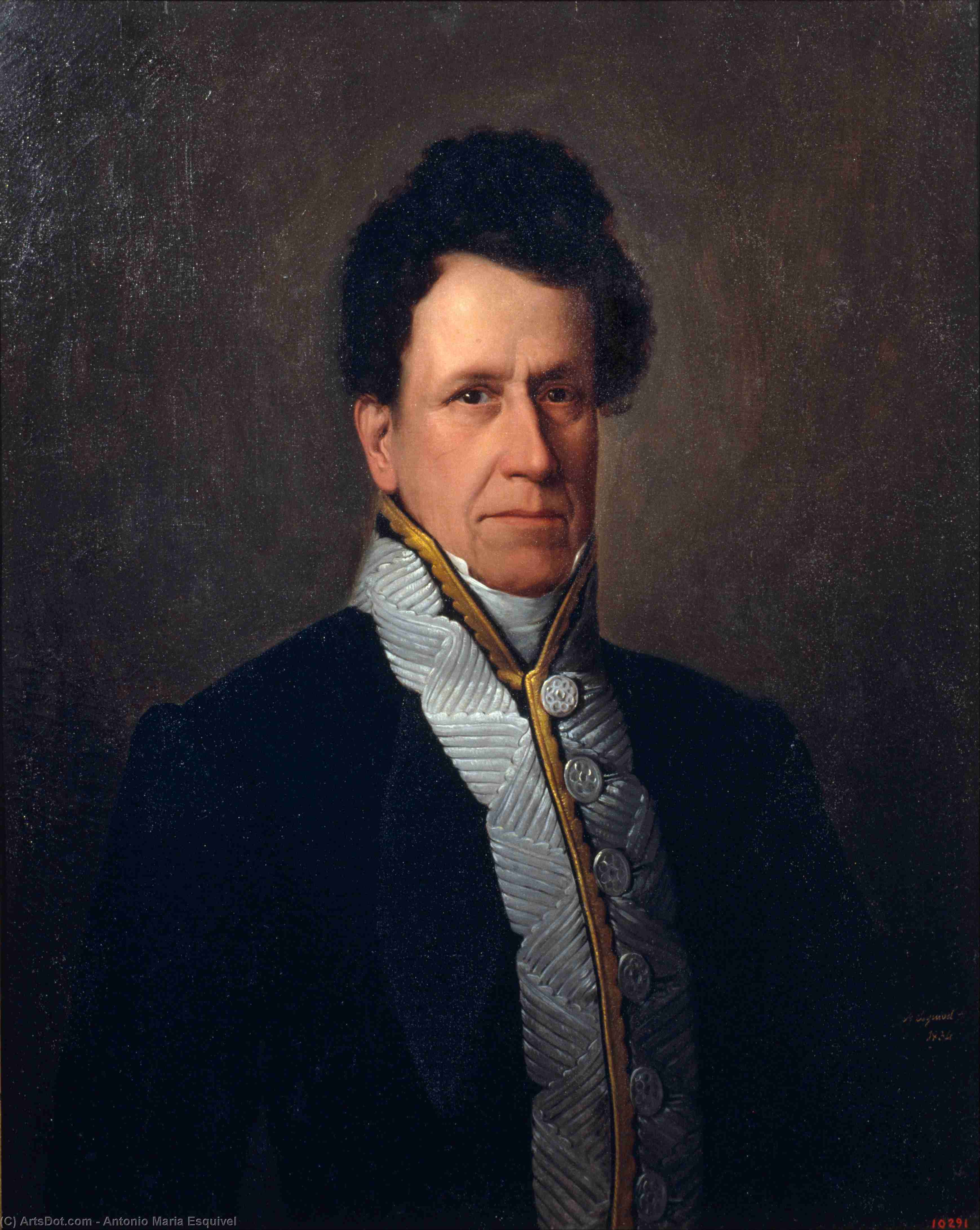
Manuel gutierrez, (83 x 66 CM) (1834)

 Pročitaj više
Giclee štampa / Umetnički otisak
Giclée štampa ili print na platnu muzejskog kvaliteta uz brzu proizvodnju i fleksibilne opcije završne obrade. ( Kupi ručno naslikanu sliku Kupi digitalnu sliku)




































Izaberite jednu od naših unapred definisanih veličina koje odgovaraju originalnim proporcijama umetničkog dela.

Možete uneti sopstvene dimenzije kako biste umetničko delo prilagodili specifičnom okviru ili prostoru. Ako odabrani format ne odgovara proporcijama originalne slike, mi ćemo ili iscrtati deo dela ili proširiti sliku pomoću ogledane ivice ili jednobojnog popunjavanja. Digitalni prikaz će vam biti poslat na odobrenje pre početka proizvodnje.
Imajte na umu da pregled na ekranu ne odražava stvarno iscrtavanje ili proširivanje. Samo će prikaz (mockup) precizno pokazati finalnu kompoziciju.
Iako su prilagođene dimenzije dostupne, preporučujemo da odaberete dimenziju sa unapred definisane liste kako biste očuvali originalne proporcije.
Dostava širom sveta () za 2 nedelje umesto uobičajenih 4/5 nedelja. (6 септембар)

Besplatna ekspresna dostava širom sveta

Visokokvalitetno laneno platno

Kompletno osiguranje transporta

Garancija povraćaja carine i uvoznih dažbina

Garancija vernosti boja

Politika povrata u roku od 100 dana (samo u slučaju nedostataka)

Garancija povrata novca od 100%

Popust pri grupnoj kupovini
 Opcija sa staklom dostupna je samo za dimenzije manje od 110 cm

Manuel gutierrez, (83 x 66 CM) (1834)
Giclee štampa / Umetnički otisak
Dimenzije reprodukcije
-


Konačna cena
$ 62
Srodna umetnička dela

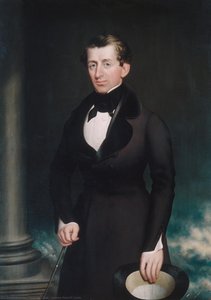

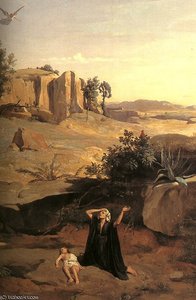
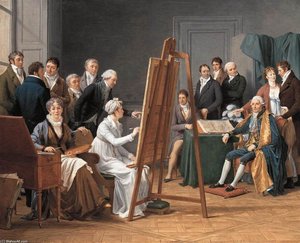
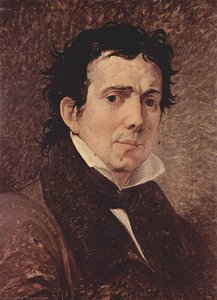
Biografija umetnika
The Soul of Spanish Romanticism: The Life of Antonio María Esquivel
In the heart of nineteenth-century Spain, a period defined by the turbulent beauty of Romanticism, the name Antonio María Esquivel y Suárez de Urbina emerged as a beacon of psychological depth and technical mastery. Born in Seville on March 8, 1806, Esquivel’s early life was shadowed by the profound tragedy of war; his father, a dedicated cavalry officer, perished at the Battle of Bailén in 1808. This early encounter with loss perhaps seeded the emotional sensitivity that would later define his brushwork. Growing up in the vibrant, sun-drenched atmosphere of Seville, he began his formal artistic journey at the Real Academia de Bellas Artes de Santa Isabel de Hungría. It was here that he first encountered the lingering echoes of the great Baroque master, Murillo. By absorbing Murillo’s sophisticated use of chiaroscuro—that dramatic, breathing interplay between light and shadow—Esquivel developed a foundational ability to imbue his subjects with a sense of living presence and spiritual weight.
As his ambitions grew, Esquivel sought the intellectual rigor of Madrid, moving to the capital in 1831. His arrival was marked by a relentless pursuit of excellence, leading him to enroll at the prestigious Real Academia de Buenos Aires de San Fernando as a merit scholar. This period of his life was one of intense academic expansion and social engagement. He did not merely paint; he became a vital thread in the cultural fabric of Madrid, helping to found the Artistic and Literary Lyceum in 1837. His role in this institution was multifaceted, as he even shared his profound understanding of human form by teaching classes in anatomy—a discipline that would later lend a structural precision to his portraits, allowing him to capture not just the surface of a face, but the very bone and muscle of human emotion.
A Master of the Portrait and the Human Spirit
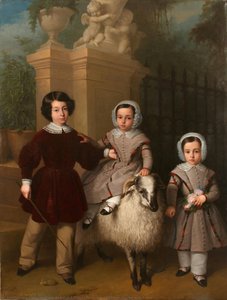
While Esquivel’s repertoire touched upon various themes, it was in the realm of portraiture that he achieved his most enduring immortality. He possessed a rare gift for navigating the delicate balance between Neoclassical dignity and Romantic passion. His portraits were far more than mere likenesses; they were psychological studies that captured the essence of Spain's aristocratic and intellectual elite. Whether depicting the solemn authority of a figure like Manuel Gutierrez or the tender, familial intimacy found in his Self-portrait with his sons Carlos and Vicente, Esquivel’s work resonated with a profound sense of character. His ability to render the softness of childhood skin alongside the heavy textures of velvet and lace made him a sought-after chronicler of his era.
The evolution of his style is particularly evident in how he transitioned from the rigid structures of academic training to a more fluid, emotive expression. This development was not without its personal struggles. A period of severe illness eventually left him nearly blind, a devastating blow for an artist whose life was dedicated to the observation of light and form. The darkness brought by his failing vision mirrored a deep personal melancholy, yet even in these difficult years, his legacy remained anchored in the triumphs of his earlier career. His work stands as a testament to a period when art sought to bridge the gap between the external world and the internal landscape of the human soul.
Legacy and Historical Significance
The historical significance of Antonio María Esquivel lies in his role as a bridge between the classical traditions of the Spanish Golden Age and the emotive fervor of the Romantic movement. He carried the torch of Murillo into a new century, refining the techniques of light and shadow to suit a more modern, introspective age. His contributions to the Madrid art scene through the Lyceum helped foster a generation of artists, ensuring that the dialogue between science—through his anatomical studies—and art remained vibrant.
Today, the works of Esquivel are preserved in some of the world's most esteemed institutions, including the Museo del Prado, where they continue to captivate viewers with their timeless elegance. To study his life is to study the very heartbeat of nineteenth-century Spanish culture: a blend of academic discipline, profound tragedy, and an unyielding passion for capturing the fleeting beauty of the human countenance.
antonio maria esquivel y suárez de urbina
1806 - 1857
Osnovne informacije
- Artistic Movement Or Style: Romantic
- Artists Or Movements Influenced By This Artist: ['Romanticism']
- Artists Who Influenced This Artist: ['Murillo']
- Date Of Birth: March 8, 1806
- Date Of Death: April 9, 1857
- Full Name: Antonio María Esquivel y Suárez de Urbina
- Nationality: Spanish
- Notable Artworks: ['Portrait of María Ignacia de Borbón']
- Place Of Birth: Seville, Spain
Povezani članci

The Enduring Legacy of Oil on Canvas: Technique, History & Aesthetic Impact
Explore the rich history & techniques of oil painting – from Renaissance masters to Impressionism. Discover pigments, layering methods, and why this timeless medium endures. Expert insights for artists & art enthusiasts.

Oil on Canvas: A Historical & Technical Exploration of a Timeless Artistic Medium
Explore the rich history & enduring techniques of oil painting on canvas. Discover the science behind its longevity, conservation practices, and contemporary relevance. Expert insights for art enthusiasts.

Trajnu Ostavština Uljanih Boja na Platnu: Tehnika, Istorija i Savremena Praksa
Istražite bogatu istoriju i savremene tehnike uljanog slikarstva. Saveti stručnjaka, analiza radova velikih majstora i vodiči za biranje kvalitetnih materijala. Otkrijte tajne očuvanja umetničkih dela!
Oil on Canvas Masters: 10 Paintings That Redefined Art History |
Journey through art history with our guide to 10 legendary oil on canvas masterpieces! Explore iconic works by Van Gogh, Monet & Rembrandt. Find museum-quality reproductions and elevate your home decor at . Discover all masterpieces online.

The Enduring Power of Painting: A Historical & Contemporary Exploration of Form and Emotion
Explore the rich history & enduring techniques of oil painting with ArtsDot. Discover masterpieces, learn about art collecting, and find authentic handmade reproductions crafted by skilled artists.