

 Pregledaj u prostoru
 Pošalji
 Podeli
 Detalji o delu

 Преузми
 Slični predmeti
 Rendgenski snimak
 Slajdovi
 Stats
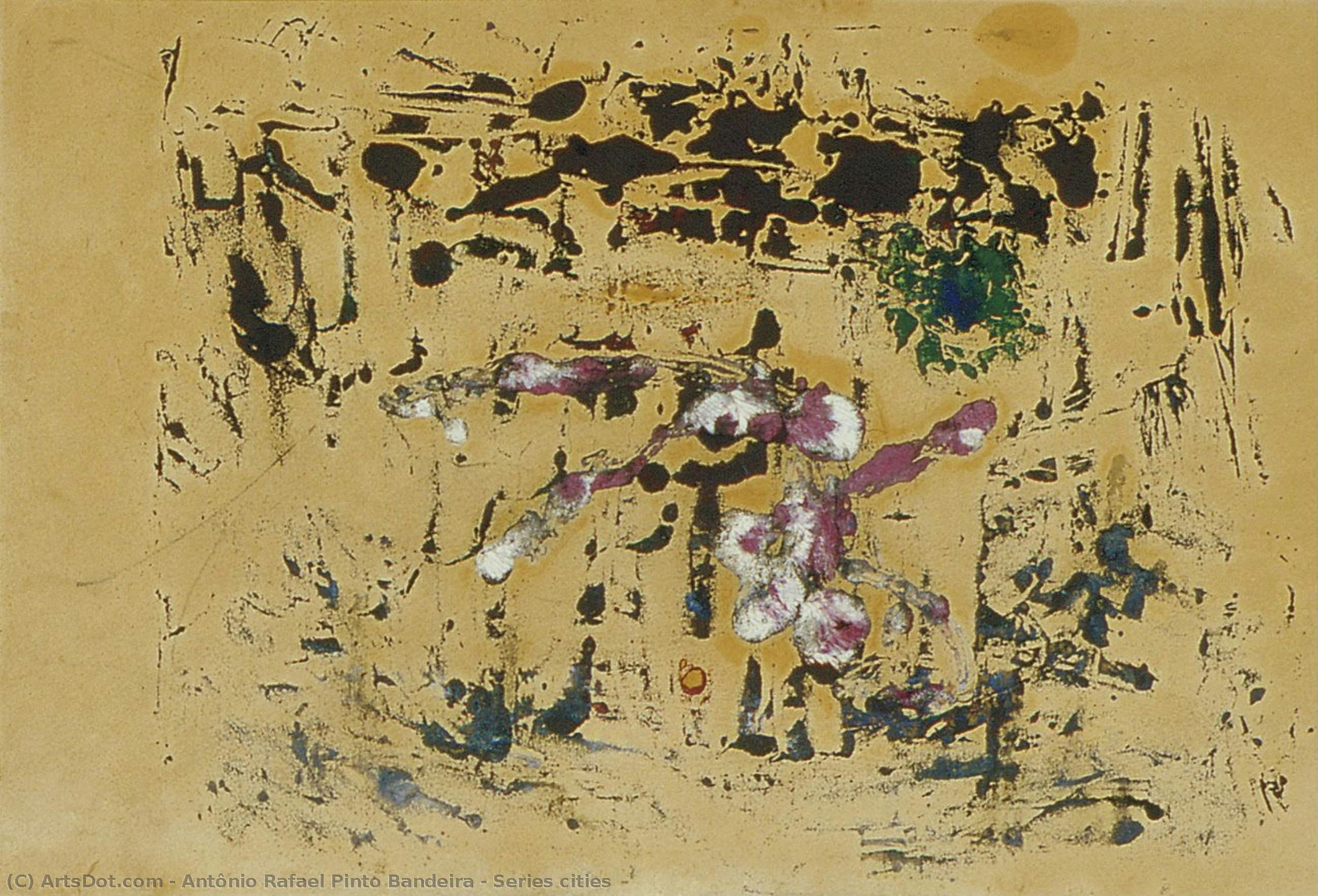
StatsSeries cities
 32.0 x 52.0 cm
 Museu de Valores do Banco Central do Brasil
 Pročitaj više
Giclee štampa / Umetnički otisak
Giclée štampa ili print na platnu muzejskog kvaliteta uz brzu proizvodnju i fleksibilne opcije završne obrade. ( Kupi ručno naslikanu sliku Switch to Digital Image)




































Izaberite jednu od naših unapred definisanih veličina koje odgovaraju originalnim proporcijama umetničkog dela.

Možete uneti sopstvene dimenzije kako biste umetničko delo prilagodili specifičnom okviru ili prostoru. Ako odabrani format ne odgovara proporcijama originalne slike, mi ćemo ili iscrtati deo dela ili proširiti sliku pomoću ogledane ivice ili jednobojnog popunjavanja. Digitalni prikaz će vam biti poslat na odobrenje pre početka proizvodnje.
Imajte na umu da pregled na ekranu ne odražava stvarno iscrtavanje ili proširivanje. Samo će prikaz (mockup) precizno pokazati finalnu kompoziciju.
Iako su prilagođene dimenzije dostupne, preporučujemo da odaberete dimenziju sa unapred definisane liste kako biste očuvali originalne proporcije.
Dostava širom sveta () za 2 nedelje umesto uobičajenih 4/5 nedelja. (8 септембар)

Besplatna ekspresna dostava širom sveta

Visokokvalitetno laneno platno

Kompletno osiguranje transporta

Garancija povraćaja carine i uvoznih dažbina

Garancija vernosti boja

Politika povraćaja u roku od 100 dana (isključivo u slučaju nedostataka)

Garancija povrata novca od 100%

Popust pri grupnoj kupovini
 Opcija sa staklom dostupna je samo za dimenzije manje od 110 cm

Series cities
Giclee štampa / Umetnički otisak
Dimenzije reprodukcije
-


Konačna cena
$ 62
Srodna umetnička dela



Biografija umetnika
Antônio Rafael Pinto Bandeira: A Voice of Brazil’s Soul
Antônio Rafael Pinto Bandeira (9 March 1863 – 28 August 1896) stands as a pivotal, yet often overlooked, figure in Brazilian art. Born in Salvador, Bahia, into a family marked by the legacy of slavery—his father a tailor—Bandeira’s life and artistic journey were deeply intertwined with the social and cultural complexities of his nation. His story is not merely one of an artist; it's a poignant reflection of Brazil’s evolving identity during the late 19th century, grappling with themes of race, class, and the burgeoning desire for national representation through art. Bandeira’s work, characterized by a unique blend of European academic training and a profound engagement with Brazilian landscapes and social realities, offers a valuable window into this transformative period.Early Years and Artistic Formation
Bandeira's artistic path began at the Academia Imperial de Belas Artes (AIB) in Rio de Janeiro at the remarkably young age of sixteen. This prestigious institution provided him with a rigorous classical education, exposing him to the techniques and traditions of European painting—particularly those influenced by French academic styles. He studied under prominent artists like Victor Meirelles and João Zeferino da Costa, mastering portraiture and historical painting. However, Bandeira’s artistic sensibility quickly transcended mere imitation; he demonstrated a keen interest in capturing the essence of Brazil itself. His early works reveal an attempt to synthesize European formal training with a growing awareness of his homeland's diverse landscapes and people. The gold medal awarded him for history painting in 1883 at the “Exposições Geral de Belas Artes” signaled recognition of his emerging talent, though it also highlighted the prevailing biases within the art establishment regarding racial representation.Salvador and a New Artistic Direction
Following the 1887 failure to secure a scholarship for study in Europe—a setback that profoundly affected him—Bandeira relocated to Salvador, Bahia. Here, he assumed the role of Professor of Design and Landscapes at the Liceu de Artes e Ofícios, an institution dedicated to providing artistic training to aspiring artists. This move marked a significant shift in his artistic focus. Salvador, with its vibrant Afro-Brazilian culture, offered a dramatically different environment than Rio’s predominantly Europeanized art scene. Bandeira began to immerse himself in the local landscape—the rugged coastline, the lush vegetation, and the daily lives of its inhabitants—drawing inspiration from this rich cultural tapestry. His work during this period reflected a growing desire to depict Brazilian life authentically, moving beyond idealized representations towards a more nuanced portrayal of his nation’s diverse population and landscapes.Notable Works and Artistic Style
Bandeira's artistic style is often described as a harmonious blend of European academic precision and Brazilian regionalism. He skillfully employed traditional techniques—precise draftsmanship, careful color palettes, and meticulous attention to detail—while simultaneously infusing his paintings with a distinctly Brazilian sensibility. “Lenhador” (Woodcutter), perhaps his most celebrated work, exemplifies this approach. This evocative painting, depicting a solitary figure engaged in the arduous task of felling trees, became an iconic image of Brazilian rural life and was even featured on a commemorative stamp in 2013, celebrating Brazil’s diplomatic relations with Colombia. Other notable works include “Sem título” (Untitled), showcasing his ability to capture atmospheric landscapes, and "La Cathedrale," which demonstrates his interest in architectural subjects. His paintings often feature strong contrasts of light and shadow, creating a dramatic effect that emphasizes the emotional intensity of the scenes he portrays.Legacy and a Tragic End
Despite his artistic achievements, Bandeira’s life was marked by persistent challenges and ultimately ended tragically. Returning to Salvador in 1890, he attempted to establish an independent art school but faced repeated setbacks, contributing to a growing sense of disillusionment. The failure to secure funding and recognition fueled his depression. Sadly, Antônio Rafael Pinto Bandeira drowned in Guanabara Bay in August 1896, reportedly while attempting to launch a small boat. While the official narrative suggested suicide, whispers persisted that the event was accidental, reflecting the complex circumstances surrounding his life and career. Despite his untimely death, Bandeira’s legacy endures as a significant voice in Brazilian art history—a testament to his unique artistic vision and his profound engagement with the social and cultural landscape of his nation. His work continues to be studied and appreciated for its ability to capture the spirit and soul of Brazil.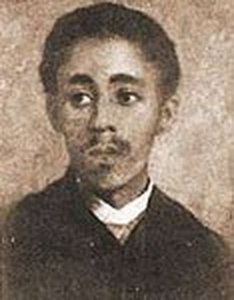
antônio rafael pinto bandeira
1863 - 1896 , Brazil
Osnovne informacije
- Artistic Movement Or Style: Regional art education
- Artists Or Movements Influenced By This Artist: ['European techniques']
- Artists Who Influenced This Artist: ['João Zeferino da Costa']
- Date Of Birth: March 9, 1863
- Date Of Death: August 28, 1896
- Full Name: Antônio Rafael Pinto Bandeira
- Nationality: Brazilian
- Notable Artworks:
- Lenhador
- Feiticeira
- Place Of Birth: Rio de Janeiro, Brazil