

 Pregledaj u prostoru
 Pošalji
 Podeli
 Detalji o delu

 Преузми
 Slični predmeti
 Rendgenski snimak
 Slajdovi
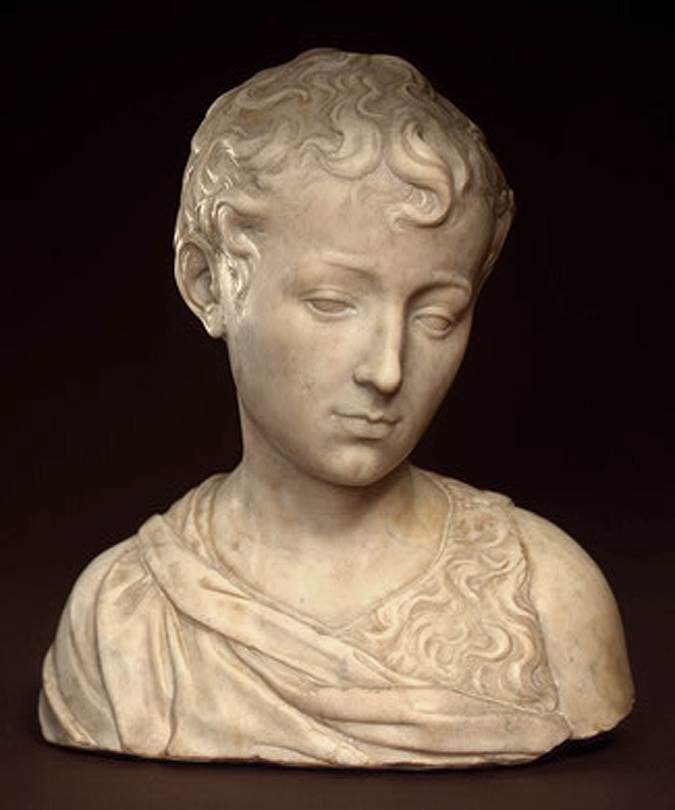
The Young Saint John the Baptist


 Pročitaj više
Ručno rađena uljana reprodukcija
Ručno oslikano uljanim bojama na platnu u dimenzijama i okviru po vašem izboru, izrađeno po porudžbini od strane naših umetnika. ( Kupi print Kupi digitalnu sliku)




P118B $10

P118H $10

P118W $10

P438Z $10

P508JH $12

P508YH $12

P805H $10

P805Z $10

P919BZ $10

P919G $10

P919XJ $10

P959ZH $10

P968JZ $12

W106C $8

W218G $10

W218JH $8

W218Y $10

W307PJ $10

W316G $10

W316PJ $8

W316Y $10

W398PJ $8

W4111J $10

W500HY $15

W500JH $15

W692G $12

W849H $8

W940BG $15

W953PJ $8




Izaberite jednu od naših unapred definisanih veličina koje odgovaraju originalnim proporcijama umetničkog dela.

Можете унети сопствене димензије како бисте прилагодили дело одређеном оквиру или простору. Ако одабрана величина не одговара пропорцијама оригинала, слика ће бити исечена или проширена додатним елементима који се ручно насликавају. Дигитални prikaz ће вам бити послат на одобрење пре почетка производње.
Имајте на уму да преглед на екрану не одражава стварно исецање или проширење. Само приказ (mockup) ће тачно приказати коначну композицију.
Иако су доступне прилагођене величине, препоручујемо да одаберете димензију из дефинисане листе како бисте сачували оригиналне пропорције.
Nakon narudžbine, tim ArtsDot.com će klijentu putem e-pošte poslati uputstva i dostaviti prikaz predloženog rešenja
Isporuka širom sveta () za 3/4 nedelje umesto uobičajenih 5 nedelja. (22 август). Bez kompromisa po pitanju kvaliteta.

Besplatna ekspresna dostava širom sveta

Visokokvalitetno laneno platno

Kompletno osiguranje transporta

Garancija povraćaja carine i uvoznih dažbina

Garancija vernosti boja

Politika povrata u roku od 60 dana (samo u slučaju nedostataka)

Garancija povrata novca od 100%

Popust pri grupnoj kupovini
 Opcija sa staklom dostupna je samo za dimenzije manje od 110 cm

The Young Saint John the Baptist
Tehnika reprodukcije
Dimenzije reprodukcije
-


Konačna cena
$ 263
Opis umetničkog dela
The Young Saint John the Baptist by Antonio Rossellino
Antonio Rossellino’s “Young Saint John the Baptist,” sculpted around 1470, stands as a cornerstone of Florentine Renaissance art—a testament to humanist ideals and masterful craftsmanship. Currently housed at the National Gallery of Art in Washington D.C., this marble bust embodies the spirit of its era, capturing both anatomical precision and profound spiritual contemplation. Its enduring appeal lies not only in its aesthetic beauty but also in its rich historical significance and symbolic resonance. **Provenance & Context:** The sculpture’s journey began in the Oratory of S. Francesco dei Vanchettoni, Florence, before finding its permanent home at the gallery. Sold in 1940 to Eugenio Venturi and subsequently acquired by the Samuel H. Kress Foundation in 1942, it represents a pivotal moment in art history—a symbol of Florentine cultural heritage preserved for future generations. Detailed records indicate that the sculpture was initially displayed alongside Desiderio da Settignano’s “Christ Child,” fostering a dialogue between faith and artistic excellence within the sacred space. **Artist & Technique:** Antonio Rossellino, trained primarily under his elder brother Bernardo Rossellino—a titan of architectural innovation—was recognized early on for his exceptional talent in sculpting marble. The sculpture showcases Rossellino’s unparalleled skill in achieving realism through meticulous carving and polishing. Fine details, from the curly hair to the delicate lips, demonstrate a high level of craftsmanship. Like Raphael (Raffaello Sanzio Da Urbino), whose Madonna and Child exemplifies similar stylistic choices—the use of marble and unwavering attention to detail—Rossellino’s work reflects the prevailing artistic conventions of the Renaissance period. **Style & Symbolism:** “The Young Saint John the Baptist” adheres firmly to Neoclassical art, drawing inspiration from Roman portraiture. The sculpture's serene expression conveys a sense of youthful innocence and dignity – qualities highly valued during the humanist movement. Rossellino skillfully captures the essence of classical ideals through idealized proportions and realistic musculature, mirroring the artistic ambitions of his time. Furthermore, Saint John’s pose—looking downward with contemplative gaze—symbolizes humility and spiritual introspection—themes central to Christian iconography. **Emotional Impact & Legacy:** Viewing “The Young Saint John the Baptist” evokes a powerful connection to the past, transporting viewers back to Florence during its golden age. Its smooth, luminous surface captures the beauty of marble – a material favored by Renaissance artists for its ability to convey both solidity and grace. The sculpture’s enduring presence in museums worldwide testifies to its artistic merit and continues to inspire admiration for Rossellino's genius—a sculptor who elevated marble carving to an art form, leaving behind a legacy that resonates across centuries.- Artist: Antonio Rossellino
- Date Created: c. 1470
- Material: Marble
- Location: National Gallery of Art, Washington D.C.
- The Young Saint John the Baptist
- The Young Saint John the Baptiste - Google Arts & Culture
- File:Antonio Rossellino, The Young Saint John the Baptist, c. 1470, NGA 12177
- Raphael - Madonna and Child (The Large Cowper Madonna)
- AllPainting
Srodna umetnička dela


Biografija umetnika
The Sculptor of Florentine Humanism
Antonio Gamberelli, known to history by the evocative moniker Antonio Rossellino—a name inspired by the distinctive color of his hair—stands as a luminous figure within the pantheon of the Italian Renaissance. Born in the quiet, artistic enclave of Settignano near Florence around 1427, he emerged not merely as a craftsman, but as a sculptor capable of breathing life into cold marble and malleable terracotta. His journey was inextricably linked to the intellectual and aesthetic currents of Florence, a city then undergoing a profound transformation driven by humanist ideals. Through his hands, the rigid forms of the medieval past dissolved, replaced by a new language of anatomical precision, emotional vulnerability, and a deep reverence for the natural world.
The foundations of Rossellino’s mastery were laid under the watchful eye of his elder brother, Bernardo Rossellino. A titan of architectural innovation, Bernardo provided Antonio with an unparalleled apprenticeship, introducing him to the complexities of large-scale monumental works and the delicate art of polychrome marble inlay. This early exposure to the structural demands of architecture and the decorative richness of the Cappella dei Medici style instilled in Antonio a meticulous attention to detail. He learned that a sculpture was not merely an object to be viewed, but a presence to inhabit a space, a lesson that would later define his ability to command both grand ecclesiastical commissions and intimate devotional reliefs.
A Mastery of Form and Emotion
As his career flourished, Rossellino developed a signature style characterized by a breathtaking balance between classical grace and poignant realism. His work often sought to capture the fleeting nuances of human expression, a feat achieved through subtle gestures and a profound understanding of light and shadow. In his marble works, such as the Young Saint John the Baptist, one observes a remarkable anatomical accuracy that reflects the burgeoning scientific curiosity of the Renaissance. Yet, beneath this technical perfection lies a soulful tenderness, an ability to evoke empathy in the viewer through the soft curve of a limb or the gentle tilt of a head.
This emotional depth reached new heights in his use of terracotta, a medium that allowed for even greater fluidity and immediacy. His relief, Virgin and the Shivering Child, serves as a poignant testament to this mastery. In this work, the warmth of the clay facilitates a sense of intimacy and vulnerability, showcasing the delicate beauty of the Madonna and the raw, human reality of the infant. Such pieces demonstrate how Rossellino could navigate the spectrum of Renaissance art, moving seamlessly from the monumental narrative power required for pulpit decorations to the quiet, contemplative intensity of private devotional objects.
Legacy and Historical Significance
The significance of Antonio Rossellino extends far beyond his individual masterpieces; he was a vital participant in the collective artistic evolution of 15th-century Florence. His collaborations, most notably with Mino da Fiesole on the ambitious sculptural programs for Prato’s pulpit, highlight his role within a vibrant community of artists working toward a shared vision of beauty and truth. His contributions to the Chapel of Cardinal Portugal at San Miniato al Monte further cement his reputation as a sculptor capable of handling complex theological narratives through sophisticated relief work.
Ultimately, Rossellino’s legacy is found in the enduring resonance of his subjects. He captured the essence of the human condition during one of history's most transformative eras, bridging the gap between the divine and the earthly. His ability to infuse stone and clay with a sense of living breath ensured that his work would remain a cornerstone of Florentine art, inspiring generations of sculptors to pursue the same harmonious union of technical brilliance and profound human emotion.
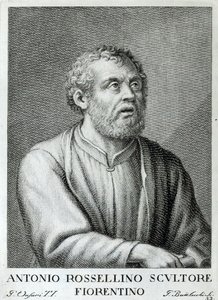
Antonio Rossellino
1427 - 1479 , Italy
Osnovne informacije
- Artistic Movement Or Style: Renaissance Sculpture
- Artists Or Movements Influenced By This Artist: ['Renaissance']
- Artists Who Influenced This Artist: ['Bernardo Rossellino']
- Date Of Birth: Settignano, Italy (1427)
- Date Of Death: Naples (1479)
- Full Name: Antonio Rossellino
- Nationality: Italian
- Notable Artworks:
- Young Saint John the Baptist
- Virgin and the Shivering Child
- Mary with child (Fragment)
- Place Of Birth: Settignano
Povezani članci

The Enduring Allure of Marble in Art History: From Classical Sculpture to Modern Abstraction
Explore the captivating history of marble sculpture from ancient Greece to modern art. Discover renowned artists like Canova & Michelangelo, carving techniques, and investment insights at ArtsDot.

Bronze Sculptures That Defined Art History | ArtsDot
Journey through art history with our Top 10 bronze sculptures! Explore masterpieces by Rodin, Michelangelo & more. Discover stories behind iconic statues and find museum-quality reproductions for your home decor at ArtsDot.com.

25 Remek-dela Džona Singera Sargenta: Portreti Elegancije i Svetlosti | ArtsDot
Uronite u svet Džona Singera Sargenta! Otkrijte 25 remek-dela impresionizma i realizma, od portreta Madame X do fascinantnih akvarela. Inspiracija za dekoraciju enterijera & luksuzne reprodukcije slika na ArtsDot.com.

25 Remek-dela Džona Konstebla: Lepota Engleske na Platnu | ArtsDot
Uronite u svet Džona Konstebla! Otkrijte 25 remek-dela engleskog pejzaža, romantizma i seoske idile. Kupite reprodukcije slika vrhunskog kvaliteta za dekoraciju enterijera na ArtsDot.com.

The Enduring Form: Exploring Themes & Techniques in Sculpture Across Historical Periods
Explore the rich history of sculpture from ancient masterpieces to contemporary innovations. Discover key techniques, influential artists & investment potential for discerning art collectors.


