

![Virgin And Child With Saint Joseph And Donor [centre Panel Of The Withypool Triptych] — Antonio Solario (lo Zingaro)](/media/artworks/images-full/8c/3f/8c3fd4339b401366eb85e7df859edc2c.jpg)
 Pregledaj u prostoru
 Pošalji
 Podeli
 Detalji o delu

 Преузми
 Slični predmeti
 Rendgenski snimak
 Slajdovi
Virgin and Child with Saint Joseph and Donor [centre panel of the Withypool Triptych]


 Pročitaj više
Giclee štampa / Umetnički otisak
Giclée štampa ili print na platnu muzejskog kvaliteta uz brzu proizvodnju i fleksibilne opcije završne obrade. ( Kupi ručno naslikanu sliku Kupi digitalnu sliku)




P118B $10

P118H $10

P118W $10

P438Z $10

P508JH $12

P508YH $12

P805H $10

P805Z $10

P919BZ $10

P919G $10

P919XJ $10

P959ZH $10

P968JZ $12

W106C $8

W218G $10

W218JH $8

W218Y $10

W307PJ $10

W316G $10

W316PJ $8

W316Y $10

W398PJ $8

W4111J $10

W500HY $15

W500JH $15

W692G $12

W849H $8

W940BG $15

W953PJ $8




Izaberite jednu od naših unapred definisanih veličina koje odgovaraju originalnim proporcijama umetničkog dela.

Možete uneti sopstvene dimenzije kako biste umetničko delo prilagodili specifičnom okviru ili prostoru. Ako odabrani format ne odgovara proporcijama originalne slike, mi ćemo ili iscrtati deo dela ili proširiti sliku pomoću ogledane ivice ili jednobojnog popunjavanja. Digitalni prikaz će vam biti poslat na odobrenje pre početka proizvodnje.
Imajte na umu da pregled na ekranu ne odražava stvarno iscrtavanje ili proširivanje. Samo će prikaz (mockup) precizno pokazati finalnu kompoziciju.
Iako su prilagođene dimenzije dostupne, preporučujemo da odaberete dimenziju sa unapred definisane liste kako biste očuvali originalne proporcije.
Dostava širom sveta () za 2 nedelje umesto uobičajenih 4/5 nedelja. (26 август)

Besplatna ekspresna dostava širom sveta

Visokokvalitetno laneno platno

Kompletno osiguranje transporta

Garancija povraćaja carine i uvoznih dažbina

Garancija vernosti boja

Politika povrata u roku od 60 dana (samo u slučaju nedostataka)

Garancija povrata novca od 100%

Popust pri grupnoj kupovini
 Opcija sa staklom dostupna je samo za dimenzije manje od 110 cm

Virgin and Child with Saint Joseph and Donor [centre panel of the Withypool Triptych]
Giclee štampa / Umetnički otisak
Dimenzije reprodukcije
-


Konačna cena
$ 62
Opis predmeta
A Vision of Devotion: The Withypool Triptych
In the quiet intimacy of the Withypool Triptych, we encounter a moment of profound stillness captured by the Venetian master Antonio Solario. This exquisite center panel, painted in 1514, serves as a window into the spiritual heart of the High Renaissance. At its core, the composition presents a sacred gathering: the Virgin Mary, cradling the infant Jesus, flanked by the protective presence of Saint Joseph and a humble donor. The arrangement is masterfully pyramidal, a hallmark of Renaissance stability, which draws the viewer’s gaze upward toward the luminous face of the Madonna. There is an undeniable sense of grace in the way the figures are positioned atop a richly decorated wooden table, creating a stage that feels both monumental and deeply personal.
The artistry of Solario, often called Lo Zingaro, shines through in the meticulous execution of texture and light. Using the delicate technique of layering thin oil glazes, the artist has achieved a breathtaking luminosity that seems to emanate from within the skin tones of the holy figures themselves. The drapery of their garments flows with an organic elegance, where every fold is rendered with such precision that one can almost feel the weight of the heavy fabrics. This technical mastery is balanced by a soft, diffused light that avoids harsh shadows, instead bathing the scene in a gentle glow that highlights the tender connection between mother and child. Through this subtle interplay of light and shadow, Solario breathes life into the wooden panel, transforming pigment and oil into a breathing, emotive reality.
Beyond its technical brilliance, the painting is a rich tapestry of religious symbolism designed to inspire contemplation. The Virgin’s prayerful posture is not merely a gesture but an invitation to piety, embodying the very essence of devotion. The infant Jesus, positioned as the focal point of divine light, represents the promise of salvation, while Saint Joseph stands as a silent sentinel of guardianship and humility. Even the background—a distant, atmospheric landscape featuring a small village nestled among rolling hills—serves a greater purpose. It provides a sense of infinite depth, suggesting that the sacred event occurring in the foreground is inextricably linked to the wider, earthly world. For the collector or the designer, this piece offers more than mere decoration; it brings a sense of historical weight and serene tranquility to any space.
Integrating a reproduction of such a masterpiece into a contemporary interior allows for a sophisticated dialogue between the past and the present. Whether placed in a sunlit gallery or a quiet study, the Virgin and Child with Saint Joseph and Donor acts as an anchor of classical beauty. Its harmonious balance of color, its soft Renaissance palette, and its profound emotional depth make it an ideal centerpiece for those who appreciate art that speaks to the soul. To possess such a work is to invite the timeless peace of the Italian Renaissance into one's daily life, surrounding oneself with a legacy of craftsmanship and spiritual grace.
Srodna umetnička dela




Biografija umetnika
The Enigmatic Wanderer: The Life and Legacy of Antonio Solario
In the golden age of the Italian Renaissance, few figures possess a biography as tantalizingly obscured as Antonio Solario. Known to history by the evocative moniker Lo Zingaro—"The Gypsy"—Solario was an artist whose very name suggests a life of movement and itinerant spirit. While the precise details of his birth and early years remain shrouded in the mists of the late 15th century, he is widely believed to have emerged from the vibrant artistic crucible of Venice around 1465. His career, spanning the turn of the century, traces a fascinating geographical arc through the Italian peninsula, leaving behind a trail of masterpieces that connect the refined elegance of the Venetian school with the expressive fervor of Southern Italy.
Solario’s artistic DNA was undoubtedly shaped by the masters of the Serenissima. It is highly probable that he underwent rigorous training in Venice, absorbing the revolutionary techniques of Giovanni Bellini. From this prestigious lineage, Solario inherited a profound mastery of color and a delicate approach to light, which would become hallmarks of his style. This Venetian foundation provided him with a sophisticated understanding of pyramidal composition and the ability to imbue sacred subjects with a tender, humanistic warmth. As he moved through the Marche region and eventually into Naples, his work began to synthesize these Northern Italian refinements with a more robust, naturalist energy, creating a unique visual language that bridged disparate regional traditions.
A Tapestry of Devotion: Masterworks and Artistic Evolution
The true measure of Solario’s genius lies in his ability to translate complex spiritual narratives into tangible, emotive imagery. His oeuvre is characterized by a remarkable attention to detail, particularly in the rendering of drapery, landscape backgrounds, and the lifelike individuality of human faces. One of his most significant contributions to the Renaissance canon is the Withypool Triptych, a monumental achievement commissioned by the English merchant Paul Withypool. This triptych, now preserved in the National Gallery in London, serves as a testament to his international reach and technical prowess:
- The Central Panel: A breathtaking depiction of the Virgin and Child with Saint Joseph and Donor, which showcases a masterful use of light and a serene, devotional atmosphere.
- The Side Panels: Featuring figures such as Saint Ursula and Saint Catherine, these panels demonstrate his skill in characterization and the symbolic use of iconography, such as the fresh green palm of martyrdom.
Beyond these portable altarpieces, Solario’s hand can be found in the very architecture of religious life. In Naples, he contributed to the vast, though tragically decayed, fresco cycles in the cloister of the monastery of Santi Severino e Sossio. These works, illustrating scenes from the Life of Saint Benedict, reveal an artist capable of managing large-scale compositions with a diverse array of figures and intricate details. Even when his draughtsmanship faced challenges in the extremities of limbs, his ability to create atmospheric, soulful landscapes and deeply resonant portraits remained unsurpassed.
Historical Significance and the Rediscovery of a Master
For centuries, the identity and importance of Antonio Solario were subject to scholarly doubt, with some historians even questioning his very existence. However, through the meticulous study of surviving works and contemporary records, he has been reclaimed as a vital link in the evolution of Renaissance art. His significance transcends mere technical skill; he represents the itinerant nature of the Renaissance spirit—the way ideas, styles, and artists flowed across borders, from the lagoons of Venice to the courts of England and the monasteries of Naples.
Solario’s legacy is one of synthesis and survival. He took the classical ideals of humanism and the sophisticated color palettes of the Venetian masters and infused them with a naturalist's eye for the individual. Today, as we look upon his surviving panels, we do not merely see religious icons; we see the work of a man who, despite being called "The Gypsy," left an indelible and permanent mark on the landscape of European art history.
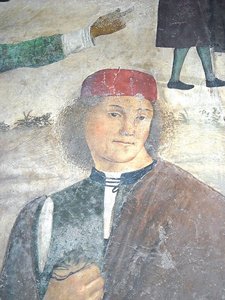
antonio solario (lo zingaro)
1465 - 1514 , Italy
Osnovne informacije
- Artistic Movement Or Style: Renaissance
- Artists Or Movements Influenced By This Artist: ['High Renaissance']
- Artists Who Influenced This Artist: ['Leonardo da Vinci']
- Date Of Death: 1514
- Full Name: Antonio Solario
- Nationality: Italian
- Notable Artworks: ['Virgin and Child with Saint Joseph']
- Place Of Birth: Venice, Italy
Povezani članci

The Enduring Legacy of Oil on Canvas: Technique, History & Aesthetic Impact
Explore the rich history & techniques of oil painting – from Renaissance masters to Impressionism. Discover pigments, layering methods, and why this timeless medium endures. Expert insights for artists & art enthusiasts.

Oil on Canvas: A Historical & Technical Exploration of a Timeless Artistic Medium
Explore the rich history & enduring techniques of oil painting on canvas. Discover the science behind its longevity, conservation practices, and contemporary relevance. Expert insights for art enthusiasts.

The Enduring Power of Painting: A Historical & Contemporary Exploration of Form and Emotion
Explore the rich history & enduring techniques of oil painting with ArtsDot. Discover masterpieces, learn about art collecting, and find authentic handmade reproductions crafted by skilled artists.

Trajnu Ostavština Uljanih Boja na Platnu: Tehnika, Istorija i Savremena Praksa
Istražite bogatu istoriju i savremene tehnike uljanog slikarstva. Saveti stručnjaka, analiza radova velikih majstora i vodiči za biranje kvalitetnih materijala. Otkrijte tajne očuvanja umetničkih dela!

The Enduring Legacy of Oil Paint: Technique, History & Emotional Resonance in Western Art
Explore the rich history & techniques of oil painting! Discover Renaissance masters, scientific principles behind color, and emotional resonance in art. Learn about glazing, layering, and atmospheric perspective – a guide for enthusiasts & collectors.

