

 Pregledaj u prostoru
 Pošalji
 Podeli
 Detalji o delu

 Преузми
 Slični predmeti
 Rendgenski snimak
 Slajdovi
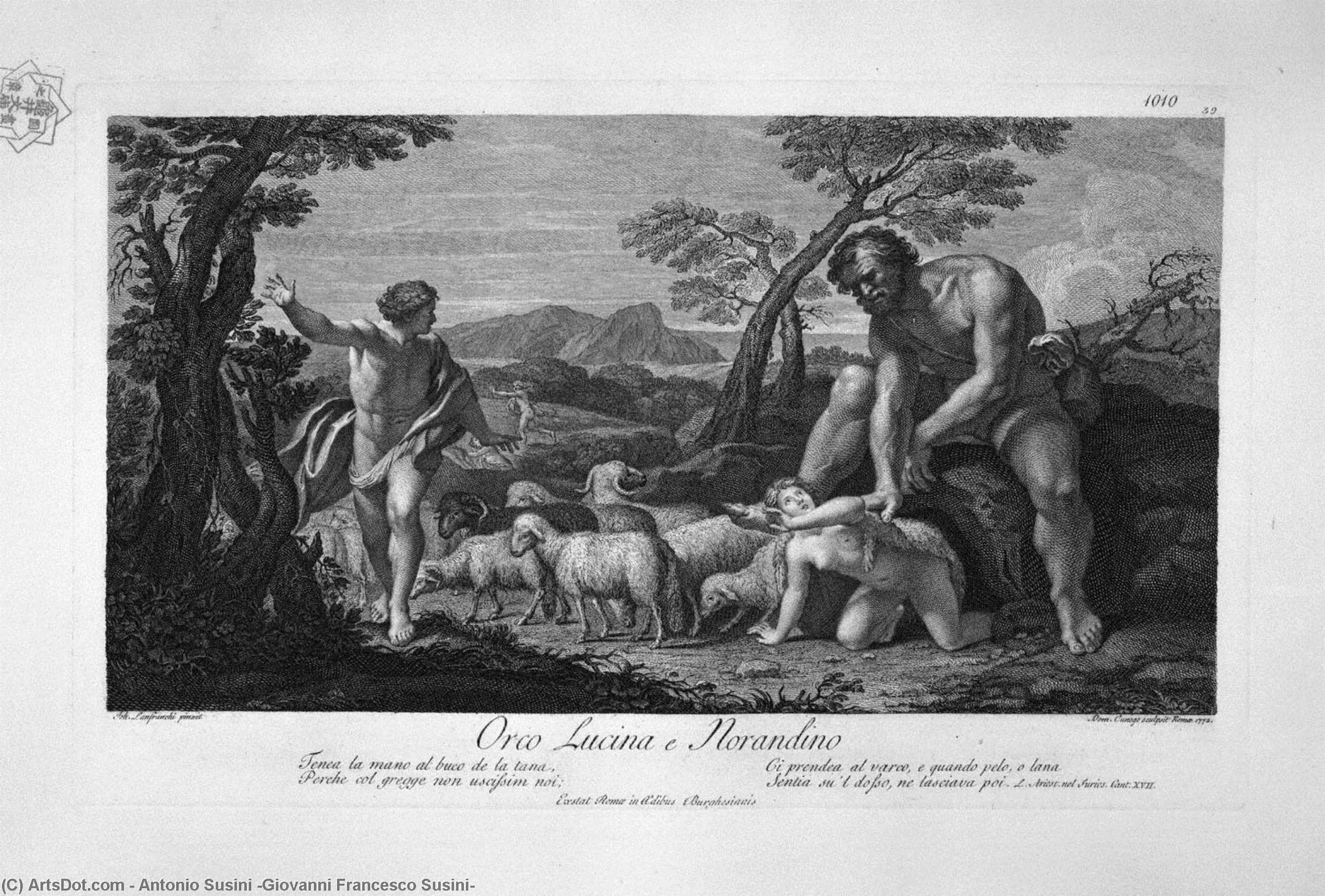
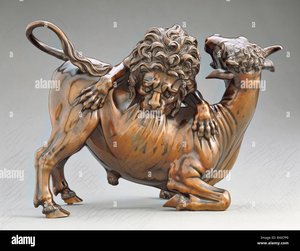
Deianira Abducted by the Centaur Nessus


 Pročitaj više
Giclee štampa / Umetnički otisak
Giclée štampa ili print na platnu muzejskog kvaliteta uz brzu proizvodnju i fleksibilne opcije završne obrade. ( Kupi ručno naslikanu sliku Kupi digitalnu sliku)




































Izaberite jednu od naših unapred definisanih veličina koje odgovaraju originalnim proporcijama umetničkog dela.

Možete uneti sopstvene dimenzije kako biste umetničko delo prilagodili specifičnom okviru ili prostoru. Ako odabrani format ne odgovara proporcijama originalne slike, mi ćemo ili iscrtati deo dela ili proširiti sliku pomoću ogledane ivice ili jednobojnog popunjavanja. Digitalni prikaz će vam biti poslat na odobrenje pre početka proizvodnje.
Imajte na umu da pregled na ekranu ne odražava stvarno iscrtavanje ili proširivanje. Samo će prikaz (mockup) precizno pokazati finalnu kompoziciju.
Iako su prilagođene dimenzije dostupne, preporučujemo da odaberete dimenziju sa unapred definisane liste kako biste očuvali originalne proporcije.
Dostava širom sveta () za 2 nedelje umesto uobičajenih 4/5 nedelja. (29 август)

Besplatna ekspresna dostava širom sveta

Visokokvalitetno laneno platno

Kompletno osiguranje transporta

Garancija povraćaja carine i uvoznih dažbina

Garancija vernosti boja

Politika povrata u roku od 60 dana (samo u slučaju nedostataka)

Garancija povrata novca od 100%

Popust pri grupnoj kupovini
 Opcija sa staklom dostupna je samo za dimenzije manje od 110 cm

Deianira Abducted by the Centaur Nessus
Giclee štampa / Umetnički otisak
Dimenzije reprodukcije
-


Konačna cena
$ 62
Srodna umetnička dela







Biografija umetnika
Giovanni Francesco Susini: A Florentine Sculptor Bridging Mannerism and Baroque
Giovanni Francesco (Gianfrancesco) Susini, a name often overshadowed by the towering figures of his contemporaries like Giambologna, nevertheless stands as a significant, if somewhat enigmatic, figure in 16th and 17th-century Italian sculpture. Born in Florence around 1585 and passing away after 1653, Susini’s artistic journey was one marked by apprenticeship, adaptation, and a distinctive style that skillfully blended the elegance of Mannerism with the burgeoning dynamism of the Baroque. His legacy lies not in grand, universally celebrated monuments, but rather in a collection of intimate bronzes, exquisitely crafted statuettes, and a profound understanding of classical antiquity – a knowledge he meticulously integrated into his own unique vision.
Susini’s early life was inextricably linked to that of his uncle, Antonio Susini, who served as Giambologna's principal bronze-caster. This formative environment instilled in young Francesco a deep appreciation for the technical mastery required to transform wax models into enduring works of art. He began his training within Giambologna’s workshop, absorbing not only the practical skills of casting but also the master’s distinctive Mannerist aesthetic – characterized by elongated figures, complex compositions, and an emphasis on emotional intensity. Crucially, Susini's access to Giambologna’s models provided him with a direct connection to the artistic currents circulating throughout Europe, particularly in Rome, where classical antiquities were increasingly being rediscovered and reinterpreted.
The Roman Influence and Early Style
A pivotal moment in Susini’s development was his journey to Rome between 1624 and 1626. This immersion in the city's vibrant artistic scene profoundly shaped his style, moving him beyond a simple imitation of Giambologna towards a more independent voice. He witnessed firsthand the rediscovery of ancient sculptures – including the celebrated *Laocoön* – and absorbed the influence of Bernini’s revolutionary Baroque approach to sculpture. Returning to Florence, Susini began to incorporate these new influences into his work, creating bronzes that retained the elegance of Mannerism while exhibiting a greater sense of dynamism and theatricality.
His early works demonstrate a remarkable ability to adapt classical subjects to bronze statuettes. Unlike many sculptors who simply replicated ancient forms, Susini imbued them with a distinctly Italian sensibility. He was particularly adept at capturing the drama and pathos of mythological scenes, often depicting figures in moments of intense emotion or struggle. The *Abduction of Helen*, now housed in the Getty Museum, exemplifies this skill – a dynamic composition that captures the terror and vulnerability of the victim while simultaneously conveying the predatory power of the captor.
Public Commissions and Patronage
While Susini’s small bronzes garnered considerable acclaim and attracted wealthy collectors, he also undertook several significant public commissions. His design for the *Fountain del Carciofo* in Florence's Boboli Gardens stands as a testament to his ability to synthesize classical motifs with contemporary taste. This elaborate fountain, featuring putti and allegorical figures, showcases Susini’s mastery of composition and his understanding of how sculpture could enhance the beauty of an outdoor space.
Susini’s work was highly sought after by the Medici family, who were major patrons of the arts. He created numerous bronze bas-reliefs for their palaces and gardens, demonstrating a keen awareness of the political and social context in which his art was produced. His ability to cater to the tastes of the powerful elite – while maintaining a degree of artistic independence – contributed significantly to his success.
Legacy and Significance
Despite not achieving the same level of fame as Giambologna or Bernini, Giovanni Francesco Susini’s contribution to Italian sculpture is undeniable. His work represents a crucial bridge between Mannerism and Baroque, demonstrating how artists could draw upon the traditions of the past while simultaneously embracing new artistic possibilities. His meticulous study of classical antiquity, combined with his innate talent for capturing human emotion, resulted in a body of art that continues to fascinate and inspire.
Susini’s legacy is particularly evident in the works of later sculptors who followed in his footsteps. His influence can be seen in the bronzes of other Mannerist artists, as well as in the early Baroque sculptures of Bernini himself. Ultimately, Giovanni Francesco Susini remains a testament to the enduring power of artistic innovation and the importance of preserving the legacy of the past.
antonio susini (giovanni francesco susini)
1585 - 1653 , Italy
Osnovne informacije
- Artistic Movement Or Style: Mannerist
- Artists Or Movements Influenced By This Artist: ['Bernini']
- Artists Who Influenced This Artist: ['Giambologna']
- Date Of Birth: c.1585
- Date Of Death: after 1653
- Full Name: Giovanni Francesco Susini
- Nationality: Italian
- Notable Artworks:
- Farnese Bull
- Laocoön
- Hermaphrodite
- Place Of Birth: Florence, Italy

