

 Pregledaj u prostoru
 Pošalji
 Podeli
 Detalji o delu

 Преузми
 Slični predmeti
 Rendgenski snimak
 Slajdovi
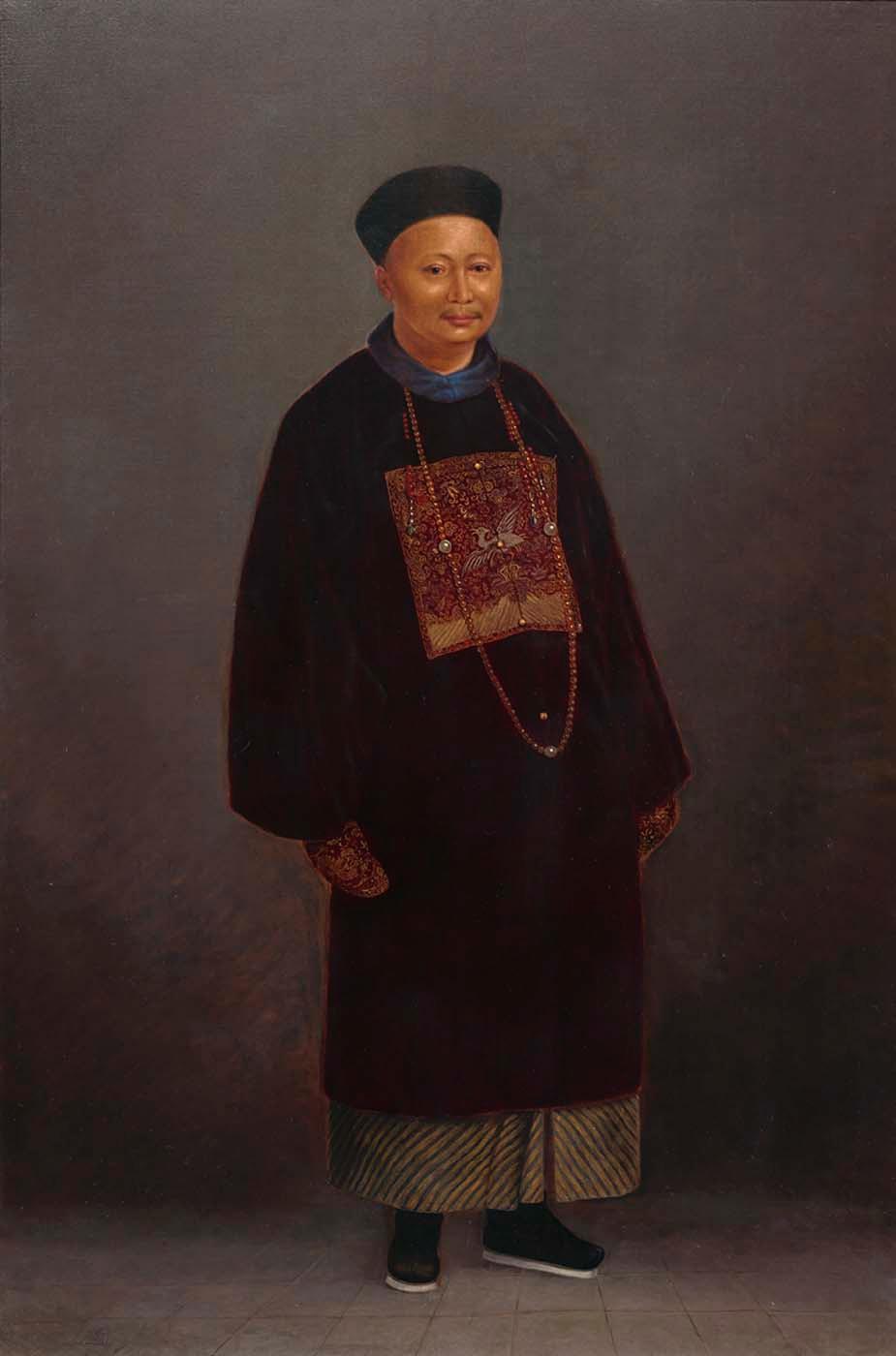
Chinese Mandarin
 1893
1893 107.0 x 71.0 cm
 Pročitaj više
Kupite digitalnu sliku visoke rezolucije i poboljšanog kvaliteta, koja je znatno superiornija od onoga što vidite u online prikazu.
Svaka datoteka je pedantno pripremljena od strane naših stručnjaka koristeći napredne alate i profesionalnu ručnu retušu. Osiguravamo da svaka slika ima izuzetnu oštrinu, preciznu reprodukciju boja i fine detalje.
Konačna datoteka se dostavlja putem e-pošte u roku od 72 sata, optimizovana za neposrednu upotrebu u profesionalnim, izdavačkim i štamparskim okruženjima. To je isti kvalitet kojem veruju vrhunski studiji dizajna, izdavači i galerije.
Digitalna slika
Preuzmite datoteku visoke rezolucije za ličnu upotrebu, štampanje i kreativne projekte. ( Kupi print Kupi ručno naslikanu sliku)
Uključeno uz svaku porudžbinu digitalne slike
Profesionalna digitalna isporuka, zagarantovana
Kada odaberete ArtsDot.com, ne dobijate samo sliku – vi primate profesionalno unapređeno digitalno umetničko delo, izrađeno sa najvećom preciznošću i uz garanciju zadovoljstva. Evo svega što automatski dolazi uz vašu porudžbinu:

Brza dostava putem e-pošte
Vaša digitalna slika visoke rezolucije biće vam poslata putem e-pošte u roku od 72 sata od poručivanja – spremna za trenutnu upotrebu.

Digitalna datoteka unapređena veštačkom inteligencijom
Vaše umetničko delo je profesionalno optimizovano korišćenjem naprednih AI alata i ručne obrade, čime se osiguravaju maksimalni detalji, oštrina i preciznost boja.

Besplatna ponovna isporuka doživotno
Slučajno ste obrisali ili izgubili svoju datoteku? Ne brinite – poslaćemo vam je ponovo u bilo kom trenutku, potpuno besplatno.

Bez troškova uvoza – zauvek
Uživajte u svojim umetničkim delima trenutno, bez carine, dažbina ili troškova dostave – digitalni download je uvek bez poreza.

Garancija vernosti boja
Uz pomoć profesionalnih alata i upravljanja bojama, osiguravamo da vaša digitalna slika što vernije odražava originalne boje.

Garancija zadovoljstva od 100 dana
Ako niste zadovoljni svojom digitalnom slikom, izvršićemo reviziju ili ćemo vam vratiti 100% novca u roku od 100 dana – bez ikakvih pitanja.

100% garancija povrata novca
Niste zadovoljni? Dobijte puni povraćaj novca u roku od 100 dana od prijema digitalne datoteke – bez suvišnih pitanja.

Popusti na velike porudžbine
Kupite 3 slike, uštedite 10% - Kupite 5 slika, uštedite 15% - Kupite 10+ slika, uštedite 20%. Odlično za kreativne projekte, galerije i agencije.
The Artist's Vision
Antonion Zeno Shindler's work is characterized by its attention to detail and ability to convey a sense of elegance and sophistication. The Chinese Mandarin painting is no exception, featuring a dignified Chinese man dressed in traditional attire, standing in front of a wall that adds depth to the composition. The subject's smile and demeanor exude a sense of confidence and refinement.Artistic Significance
The Chinese Mandarin painting is not only a beautiful work of art but also holds significant cultural and historical value. It provides a glimpse into the traditions and customs of Chinese culture during the late 19th century. The painting's intricate details and masterful use of color make it a standout piece in Antonion Zeno Shindler's oeuvre.- The painting is a testament to Antonion Zeno Shindler's skill as a portrait artist, capturing the essence of his subject with precision and nuance.
- The use of oil on canvas allows for a level of depth and texture that adds to the overall visual appeal of the piece.
- The Smithsonian American Art Museum is home to an extensive collection of American art, including works by prominent artists like Antonion Zeno Shindler.
For those interested in learning more about Antonion Zeno Shindler and his work, the ArtsDot.com website offers a wealth of information and resources. The site also features a range of artworks by other prominent artists, making it a valuable resource for art lovers and scholars alike.
Srodna umetnička dela




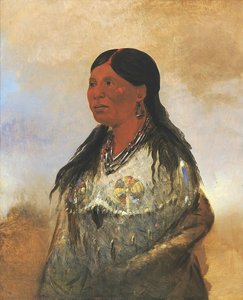





Biografija umetnika
A Pioneer of Ethnographic Portraiture: Antonion Zeno Schindler
Antonion Zeno Schindler (1823-1899), though perhaps less celebrated than some of his contemporaries, occupies a unique and vital position in the history of 19th-century art. His remarkable series of portraits, primarily depicting peoples from the Pacific Islands – Samoa, Melanesia, and beyond – offer an invaluable visual record of cultures undergoing profound change during a period of increased European exploration and colonization. Schindler wasn’t merely documenting faces; he was capturing worlds, preserving fleeting glimpses of traditions and individual dignity in the face of encroaching modernity. Born into a time of burgeoning scientific curiosity and imperial ambition, Schindler's life remains somewhat shrouded in mystery, with detailed biographical information scarce. However, his artistic output speaks volumes, revealing a keen observational eye, technical mastery, and a surprisingly sensitive approach to his subjects. He worked primarily as an itinerant portraitist, traveling extensively throughout the Pacific region, establishing temporary studios wherever he could find patronage – often among colonial administrators, traders, and missionaries. This unusual working method allowed him access to individuals who might otherwise have remained outside the purview of formal artistic representation.The Artistic Journey: From Technique to Cultural Sensitivity
Schindler’s early training is undocumented, but his paintings demonstrate a solid grounding in academic realism, reminiscent of artists like Ingres and Delaroche. His initial works reveal a meticulous attention to detail – the precise rendering of fabrics, ornaments, and facial features. However, what distinguishes Schindler from many of his contemporaries is his departure from purely objective representation. While he adhered to established portrait conventions, he infused his paintings with a sense of psychological depth and respect for his sitters. He wasn’t interested in exoticizing or caricaturing; instead, he sought to portray individuals as unique personalities, imbued with intelligence, dignity, and cultural pride. This approach was particularly evident in his depictions of traditional attire and body ornamentation. Schindler painstakingly reproduced the intricate designs of *tatau* (Samoan tattooing), elaborate feather headdresses, and complex shell necklaces, recognizing their significance as markers of identity and social status. His palette, while generally restrained, often incorporated vibrant colors derived from natural pigments, further enhancing the authenticity and visual impact of his portraits. Over time, Schindler’s style evolved, becoming less rigid and more fluid, reflecting a growing empathy for the cultures he encountered.Capturing Vanishing Worlds: Subjects and Themes
The vast majority of Schindler's surviving works are portraits – head-and-shoulders studies or half-length figures against neutral backgrounds. His subjects were diverse, ranging from high-ranking chiefs and warriors to women engaged in everyday activities. He frequently depicted individuals wearing traditional clothing and ornaments, providing a rich visual archive of Pacific Island cultures. Beyond the purely representational, Schindler’s portraits often convey subtle narratives about power, status, and social relationships. The way a subject holds themselves, their gaze, or the specific adornments they wear can offer clues to their position within their community. He also painted several group portraits, depicting families or individuals engaged in ceremonial practices, providing valuable insights into communal life. A recurring theme in Schindler’s work is the impact of European contact on Pacific Island societies. While he rarely explicitly depicted scenes of conflict or colonization, his portraits often hint at a sense of loss and displacement – a subtle melancholy that underscores the fragility of traditional ways of life. The presence of Western clothing or objects in some portraits can be interpreted as evidence of cultural exchange, but also as a symbol of encroaching influence.Legacy and Historical Significance
Antonion Zeno Schindler’s work represents a unique intersection of art, anthropology, and colonial history. His paintings are not simply beautiful representations of Pacific Island peoples; they are invaluable historical documents that offer a glimpse into cultures undergoing rapid transformation. While his artistic output was largely overlooked during his lifetime, his portraits have gained increasing recognition in recent decades as scholars and curators reassess the role of visual representation in shaping our understanding of the past. His work challenges conventional narratives about colonialism, offering a more nuanced and empathetic perspective on the encounters between European explorers and Pacific Island societies. Schindler’s legacy lies in his ability to capture the individual dignity and cultural pride of his sitters, preserving their likenesses for future generations. Today, his paintings are held in major museums and private collections around the world, serving as a testament to his artistic skill and historical importance. His work continues to inspire artists and scholars alike, prompting critical reflection on the ethics of representation and the complexities of cultural exchange. He stands as a poignant reminder that art can be both a product of its time and a powerful force for preserving memory and promoting understanding.Further Research & Notable Collections
- ArtsDot maintains an extensive online collection of Schindler’s portraits, offering high-resolution images and detailed provenance information.
- The Bishop Museum in Honolulu holds a significant number of Schindler's works, providing valuable context for understanding his artistic practice within the broader history of Pacific Island cultures.
- Private collections across Europe and North America also contain important examples of Schindler’s portraits. Researching auction records and art dealer inventories can reveal additional information about specific paintings and their provenance.
- Scholarly articles on ethnographic portraiture and the history of Pacific Island art often feature discussions of Schindler's work, providing valuable insights into his artistic techniques and historical significance.
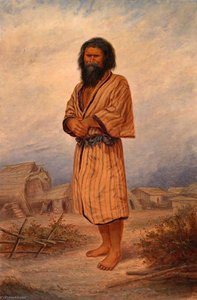
antonion zeno shindler
1823 - 1899
Kratke činjenice
- Artistic Movement Or Style: Ethnographic painting
- Artists Who Influenced This Artist: ['William Henry Blackmore']
- Date Of Birth: c. 1823
- Date Of Death: August 8, 1899
- Full Name: Antonio Zeno Shindler
- Nationality: American
- Notable Artworks:
- Japanese Man
- Siamese Man
- Malagasy Woman
- Place Of Birth: Bulgaria