

 Pregledaj u prostoru
 Pošalji
 Podeli
 Detalji o delu

 Преузми
 Slični predmeti
 Rendgenski snimak
 Slajdovi
 Stats
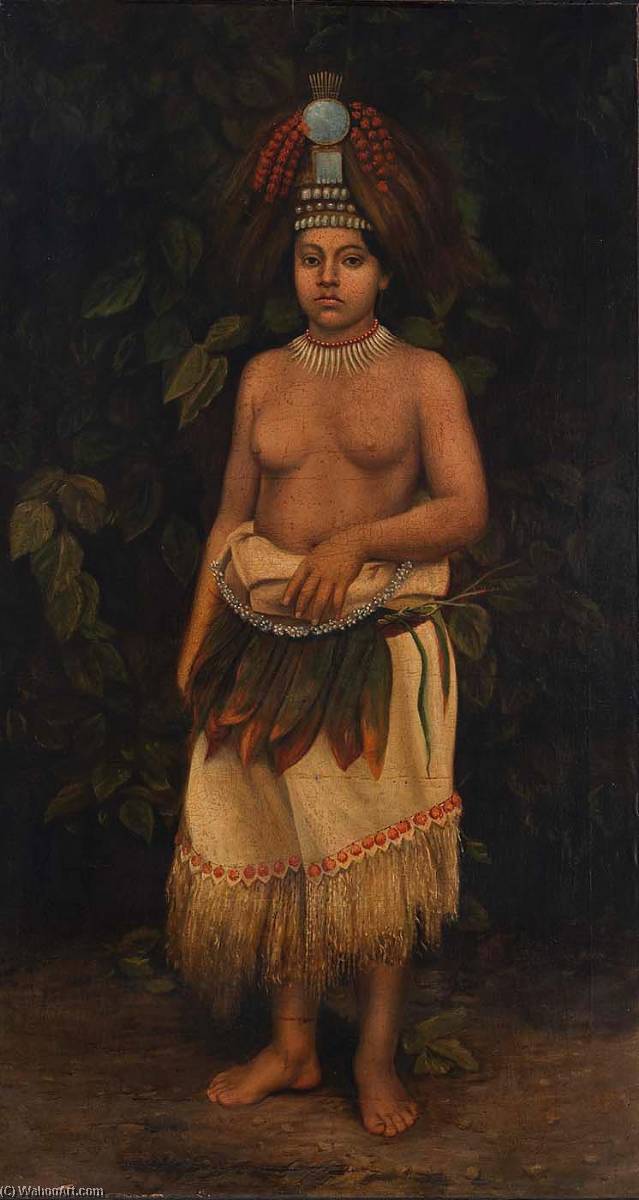
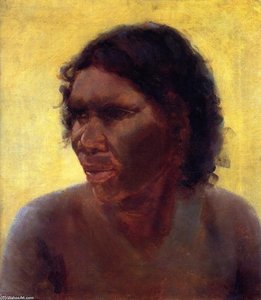
StatsSamoan Woman
 1899
1899 40.0 x 30.0 cm
 Pročitaj više
Ručno rađena uljana reprodukcija
Ručno oslikano uljanim bojama na platnu u dimenzijama i okviru po vašem izboru, izrađeno po porudžbini od strane naših umetnika. ( Switch to Print Switch to Digital Image)




































Izaberite jednu od naših unapred definisanih veličina koje odgovaraju originalnim proporcijama umetničkog dela.

Можете унети сопствене димензије како бисте прилагодили дело одређеном оквиру или простору. Ако одабрана величина не одговара пропорцијама оригинала, слика ће бити исечена или проширена додатним елементима који се ручно насликавају. Дигитални prikaz ће вам бити послат на одобрење пре почетка производње.
Имајте на уму да преглед на екрану не одражава стварно исецање или проширење. Само приказ (mockup) ће тачно приказати коначну композицију.
Иако су доступне прилагођене величине, препоручујемо да одаберете димензију из дефинисане листе како бисте сачували оригиналне пропорције.
Nakon narudžbine, tim ArtsDot.com će klijentu putem e-pošte poslati uputstva i dostaviti prikaz predloženog rešenja
Isporuka širom sveta () za 3/4 nedelje umesto uobičajenih 5 nedelja. (7 септембар). Bez kompromisa po pitanju kvaliteta.

Besplatna ekspresna dostava širom sveta

Visokokvalitetno laneno platno

Kompletno osiguranje transporta

Garancija povraćaja carine i uvoznih dažbina

Garancija vernosti boja

Politika povraćaja u roku od 100 dana (isključivo u slučaju nedostataka)

Garancija povrata novca od 100%

Popust pri grupnoj kupovini
 Opcija sa staklom dostupna je samo za dimenzije manje od 110 cm

Samoan Woman
Tehnika reprodukcije
Dimenzije reprodukcije
-


Konačna cena
$ 263
Artistic Details and Symbolism
The painting depicts a woman in traditional Samoan clothing standing on the beach, wearing a grass skirt and with her hair tied back with a band. She appears to be looking at something off-camera, adding an air of mystery to the piece. The artist's attention to detail is evident in the intricacies of the woman's clothing and facial features. The background of the painting includes some trees, adding depth and context to the scene. Key aspects of the painting include the use of vibrant colors and the capture of the subject's serene expression. The Samoan Woman is a testament to Antonion Zeno Shindler's ability to convey the beauty and dignity of his subjects.Artist and Museum Information
Antonion Zeno Shindler was a prolific artist, and his works can be found in various museums around the world. The Smithsonian American Art Museum is home to several of his pieces, including the Samoan Woman. For more information on the artist and his works, visit /en/art/show/art-aquuc7-en/- View more artworks by Antonion Zeno Shindler on https://ArtsDot.com
- Learn about the Smithsonian American Art Museum and its collection on /art/list/?Filter=A@D3BP3V-The-Ellen-Terry-Memorial-Museum-(United-Kingdom)-and-Its-Artworks
- Discover hand-made oil painting reproductions of famous artworks on https://ArtsDot.com
The Samoan Woman by Antonion Zeno Shindler is a captivating portrait that showcases the artist's skill and attention to detail. As a masterpiece of late 19th-century art, it continues to inspire and fascinate audiences today.
Srodna umetnička dela





Biografija umetnika
A Pioneer of Ethnographic Portraiture: Antonion Zeno Schindler
Antonion Zeno Schindler (1823-1899), though perhaps less celebrated than some of his contemporaries, occupies a unique and vital position in the history of 19th-century art. His remarkable series of portraits, primarily depicting peoples from the Pacific Islands – Samoa, Melanesia, and beyond – offer an invaluable visual record of cultures undergoing profound change during a period of increased European exploration and colonization. Schindler wasn’t merely documenting faces; he was capturing worlds, preserving fleeting glimpses of traditions and individual dignity in the face of encroaching modernity. Born into a time of burgeoning scientific curiosity and imperial ambition, Schindler's life remains somewhat shrouded in mystery, with detailed biographical information scarce. However, his artistic output speaks volumes, revealing a keen observational eye, technical mastery, and a surprisingly sensitive approach to his subjects. He worked primarily as an itinerant portraitist, traveling extensively throughout the Pacific region, establishing temporary studios wherever he could find patronage – often among colonial administrators, traders, and missionaries. This unusual working method allowed him access to individuals who might otherwise have remained outside the purview of formal artistic representation.The Artistic Journey: From Technique to Cultural Sensitivity
Schindler’s early training is undocumented, but his paintings demonstrate a solid grounding in academic realism, reminiscent of artists like Ingres and Delaroche. His initial works reveal a meticulous attention to detail – the precise rendering of fabrics, ornaments, and facial features. However, what distinguishes Schindler from many of his contemporaries is his departure from purely objective representation. While he adhered to established portrait conventions, he infused his paintings with a sense of psychological depth and respect for his sitters. He wasn’t interested in exoticizing or caricaturing; instead, he sought to portray individuals as unique personalities, imbued with intelligence, dignity, and cultural pride. This approach was particularly evident in his depictions of traditional attire and body ornamentation. Schindler painstakingly reproduced the intricate designs of *tatau* (Samoan tattooing), elaborate feather headdresses, and complex shell necklaces, recognizing their significance as markers of identity and social status. His palette, while generally restrained, often incorporated vibrant colors derived from natural pigments, further enhancing the authenticity and visual impact of his portraits. Over time, Schindler’s style evolved, becoming less rigid and more fluid, reflecting a growing empathy for the cultures he encountered.Capturing Vanishing Worlds: Subjects and Themes
The vast majority of Schindler's surviving works are portraits – head-and-shoulders studies or half-length figures against neutral backgrounds. His subjects were diverse, ranging from high-ranking chiefs and warriors to women engaged in everyday activities. He frequently depicted individuals wearing traditional clothing and ornaments, providing a rich visual archive of Pacific Island cultures. Beyond the purely representational, Schindler’s portraits often convey subtle narratives about power, status, and social relationships. The way a subject holds themselves, their gaze, or the specific adornments they wear can offer clues to their position within their community. He also painted several group portraits, depicting families or individuals engaged in ceremonial practices, providing valuable insights into communal life. A recurring theme in Schindler’s work is the impact of European contact on Pacific Island societies. While he rarely explicitly depicted scenes of conflict or colonization, his portraits often hint at a sense of loss and displacement – a subtle melancholy that underscores the fragility of traditional ways of life. The presence of Western clothing or objects in some portraits can be interpreted as evidence of cultural exchange, but also as a symbol of encroaching influence.Legacy and Historical Significance
Antonion Zeno Schindler’s work represents a unique intersection of art, anthropology, and colonial history. His paintings are not simply beautiful representations of Pacific Island peoples; they are invaluable historical documents that offer a glimpse into cultures undergoing rapid transformation. While his artistic output was largely overlooked during his lifetime, his portraits have gained increasing recognition in recent decades as scholars and curators reassess the role of visual representation in shaping our understanding of the past. His work challenges conventional narratives about colonialism, offering a more nuanced and empathetic perspective on the encounters between European explorers and Pacific Island societies. Schindler’s legacy lies in his ability to capture the individual dignity and cultural pride of his sitters, preserving their likenesses for future generations. Today, his paintings are held in major museums and private collections around the world, serving as a testament to his artistic skill and historical importance. His work continues to inspire artists and scholars alike, prompting critical reflection on the ethics of representation and the complexities of cultural exchange. He stands as a poignant reminder that art can be both a product of its time and a powerful force for preserving memory and promoting understanding.Further Research & Notable Collections
- ArtsDot maintains an extensive online collection of Schindler’s portraits, offering high-resolution images and detailed provenance information.
- The Bishop Museum in Honolulu holds a significant number of Schindler's works, providing valuable context for understanding his artistic practice within the broader history of Pacific Island cultures.
- Private collections across Europe and North America also contain important examples of Schindler’s portraits. Researching auction records and art dealer inventories can reveal additional information about specific paintings and their provenance.
- Scholarly articles on ethnographic portraiture and the history of Pacific Island art often feature discussions of Schindler's work, providing valuable insights into his artistic techniques and historical significance.
antonion zeno shindler
1823 - 1899
Osnovne informacije
- Artistic Movement Or Style: Ethnographic painting
- Artists Who Influenced This Artist: ['William Henry Blackmore']
- Date Of Birth: c. 1823
- Date Of Death: August 8, 1899
- Full Name: Antonio Zeno Shindler
- Nationality: American
- Notable Artworks:
- Japanese Man
- Siamese Man
- Malagasy Woman
- Place Of Birth: Bulgaria