 Pregledaj u prostoru
 Pošalji
 Podeli
 Detalji o delu

 Преузми
 Slični predmeti
 Rendgenski snimak
 Slajdovi
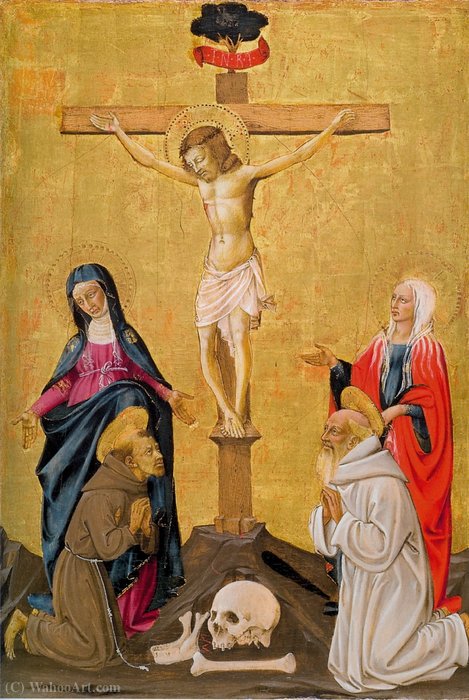
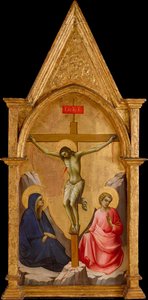
Christ Crucified between Verginee Saints Mary Magdalene

 Pročitaj više
Ručno rađena uljana reprodukcija
Ručno oslikano uljanim bojama na platnu u dimenzijama i okviru po vašem izboru, izrađeno po porudžbini od strane naših umetnika. ( Kupi print Kupi digitalnu sliku)




































Izaberite jednu od naših unapred definisanih veličina koje odgovaraju originalnim proporcijama umetničkog dela.

Можете унети сопствене димензије како бисте прилагодили дело одређеном оквиру или простору. Ако одабрана величина не одговара пропорцијама оригинала, слика ће бити исечена или проширена додатним елементима који се ручно насликавају. Дигитални prikaz ће вам бити послат на одобрење пре почетка производње.
Имајте на уму да преглед на екрану не одражава стварно исецање или проширење. Само приказ (mockup) ће тачно приказати коначну композицију.
Иако су доступне прилагођене величине, препоручујемо да одаберете димензију из дефинисане листе како бисте сачували оригиналне пропорције.
Nakon narudžbine, tim ArtsDot.com će klijentu putem e-pošte poslati uputstva i dostaviti prikaz predloženog rešenja
Isporuka širom sveta () za 3/4 nedelje umesto uobičajenih 5 nedelja. (2 септембар). Bez kompromisa po pitanju kvaliteta.

Besplatna ekspresna dostava širom sveta

Visokokvalitetno laneno platno

Kompletno osiguranje transporta

Garancija povraćaja carine i uvoznih dažbina

Garancija vernosti boja

Politika povrata u roku od 60 dana (samo u slučaju nedostataka)

Garancija povrata novca od 100%

Popust pri grupnoj kupovini
 Opcija sa staklom dostupna je samo za dimenzije manje od 110 cm

Christ Crucified between Verginee Saints Mary Magdalene
Tehnika reprodukcije
Dimenzije reprodukcije
-


Konačna cena
$ 263
A Moment of Profound Devotion: Christ Crucified between Verginee Saints Mary Magdalene
This evocative painting depicts a pivotal moment in Christian iconography – the crucifixion of Jesus Christ flanked by two figures traditionally identified as Mary Magdalene and the Virgin Mary. The scene is imbued with a palpable sense of sorrow, reverence, and quiet contemplation. While the artist remains formally attributed to Apollonio di Giovanni (Apollonio di Tomaso), further research suggests potential workshop involvement, reflecting the collaborative nature of artistic production during the Early Renaissance.
Artistic Style & Technique: Florentine Renaissance Expression
The artwork exemplifies the stylistic characteristics of the early Florentine Renaissance. While a precise dating remains elusive, based on comparative analysis with other works by Apollonio di Giovanni and his circle, it likely originates from the mid-15th century (circa 1450-1470). The artist demonstrates a developing interest in naturalism, evident in the rendering of drapery and facial expressions. The figures are not idealized to an extreme degree; rather, they possess a certain humanity that draws the viewer into their emotional experience. Though we lack specific details about the original medium (tempera on panel is probable given the period), the painting showcases a skillful use of color – notably the striking red garments worn by both female figures – to create visual impact and symbolic meaning.
Historical Context & Patronage
The mid-15th century in Florence was a period of significant artistic flourishing, fueled by wealthy patrons like the Medici family. Religious themes were prevalent in art, reflecting the deep piety of the era. Crucifixion scenes served as powerful reminders of Christ's sacrifice and offered opportunities for devotional contemplation within churches and private chapels. The presence of Mary Magdalene and the Virgin Mary underscores their crucial roles in Christian theology – representing repentance (Magdalene) and maternal compassion (Mary). The inclusion of additional figures, though less clearly defined, suggests a broader community witnessing this profound event, potentially indicating it was commissioned for a specific religious gathering or procession.
Symbolism & Emotional Resonance
Beyond the immediate narrative, the painting is rich in symbolic detail:
- The Skulls at the Base: These are traditional symbols of mortality and the consequences of sin, reminding viewers of humanity's fragility.
- The Cross in the Background: A constant reminder of Christ’s sacrifice and a central symbol of Christian faith.
- Red Garments: The vibrant red worn by Mary Magdalene and the Virgin Mary can symbolize martyrdom, passion, or divine love.
- Facial Expressions & Gestures: The figures' downcast eyes and gestures of prayer convey profound grief, devotion, and acceptance of Christ’s fate.
The overall emotional impact is one of solemnity and quiet contemplation. The artist successfully captures a moment of intense spiritual significance, inviting viewers to reflect on themes of faith, sacrifice, and redemption.
A Timeless Masterpiece for Your Space
This reproduction offers a unique opportunity to bring the beauty and emotional depth of Renaissance art into your home or office. Whether you are an avid collector, an interior designer seeking a statement piece, or simply someone who appreciates fine art, this painting will undoubtedly serve as a captivating focal point and a source of inspiration for years to come.
Srodna umetnička dela

Biografija umetnika
A Florentine Master of Narrative: Apollonio di Giovanni
Apollonio di Giovanni di Tomaso, born in Florence around 1415-1417 and passing away in 1465, stands as a compelling figure within the Early Renaissance. While perhaps not possessing the household name recognition of contemporaries like Donatello or Masaccio, Apollonio carved out a significant niche for himself as a highly sought-after painter and illuminator, particularly celebrated for his exquisitely decorated *cassoni* – wedding chests that served as both functional objects and vibrant expressions of Florentine life and ideals. His workshop was arguably the most prolific and fashionable in Florence during its active years, producing over 300 cassoni between 1446 and 1465 alone, a testament to the demand for his artistry. He wasn’t merely replicating designs; he was crafting narratives, capturing contemporary fashions, and reflecting the burgeoning humanist spirit of the era.Early Life and Workshop Practice
Details regarding Apollonio's early training remain somewhat elusive, but it is known that he joined Florence’s doctors and apothecaries’ guild in 1442 – a common practice for artists at the time – before becoming a full member of the painters’ guild, the Compania di San Luca, in 1443. His most enduring professional relationship began around 1446 with Marco del Buono Giamberti. This partnership proved remarkably successful; together they established a workshop that dominated the cassone market for nearly two decades. The division of labor within the workshop is still debated by scholars, but it’s generally accepted that Apollonio was primarily responsible for the figurative painting, while Del Buono oversaw other aspects of production and potentially contributed to designs. The sheer volume of work emanating from their studio suggests a highly organized system involving numerous assistants and craftsmen, allowing them to cater to a diverse clientele with varying tastes and budgets.Themes and Techniques: A Renaissance Mirror
Apollonio’s cassoni are not simply decorative; they offer invaluable insights into the cultural preoccupations of 15th-century Florence. He frequently depicted scenes drawn from classical mythology – tales of Troy, stories of heroic deeds, and allegorical representations of love and virtue. However, what sets Apollonio apart is his masterful integration of contemporary elements. His figures are adorned in the latest Florentine fashions, architectural backgrounds reflect the city’s evolving urban landscape, and details often allude to specific events or patrons. His technique is characterized by a delicate touch, vibrant color palettes, and an emphasis on graceful forms. He skillfully employed tempera paint on wood panels, achieving a luminous quality that enhanced the narrative clarity of his compositions. The influence of painters like Marco del Buono Giamberti is evident in Apollonio’s work, particularly in the refined draftsmanship and attention to detail. He also demonstrated considerable skill as an illuminator, producing beautifully rendered manuscripts that showcase his mastery of line and color.Major Achievements and Lasting Legacy
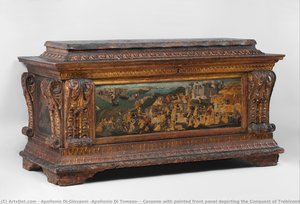
While numerous cassoni attributed to Apollonio survive, several works stand out as particularly representative of his artistic prowess. The *Cassone with painted front panel depicting the Conquest of Trebizond* (1416) is a prime example of his ability to depict contemporary historical events with both accuracy and artistry. The chest commemorates a significant military victory for Florence, transforming a political event into a visually compelling narrative. Other notable works include panels illustrating scenes from Petrarch’s *Triumphs*, showcasing his engagement with humanist literature. Perhaps most intriguing is Apollonio's connection to the earliest surviving tarot decks. He and Del Buono are now credited with creating what is known as the “Estensi” deck, a masterpiece of illuminated playing cards that offers a fascinating glimpse into Renaissance symbolism and iconography. Apollonio di Giovanni’s legacy lies not in groundbreaking innovation but in his exceptional skill at synthesizing existing artistic traditions and adapting them to meet the demands of a sophisticated clientele. He was a master craftsman who captured the spirit of his age, leaving behind a body of work that continues to captivate and inform our understanding of Renaissance Florence.Historical Significance
Apollonio di Giovanni’s importance extends beyond the aesthetic qualities of his paintings. His cassoni provide invaluable documentation of Florentine material culture – clothing styles, furniture design, architectural trends – offering a unique window into daily life during the 15th century. His workshop's success also highlights the growing commercialization of art and the increasing importance of patronage in Renaissance society. The demand for his work demonstrates the rising affluence of Florence’s merchant class and their desire to express their status through luxurious possessions. Furthermore, his involvement with the creation of the Estensi tarot deck adds another layer of intrigue to his biography, suggesting a broader intellectual curiosity and engagement with esoteric traditions. While often overshadowed by more celebrated artists, Apollonio di Giovanni remains a crucial figure in understanding the artistic landscape of Early Renaissance Florence – a testament to the power of narrative, craftsmanship, and the enduring appeal of beauty.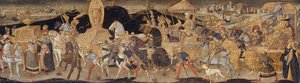
apollonio di giovanni (apollonio di tomaso)
1416 - 1465 , Italy
Osnovne informacije
- Artistic Movement Or Style: Renaissance Sculpture
- Date Of Birth: Florence, Italy (1416)
- Date Of Death: 1465
- Full Name: Apollonio di Giovanni di Tommaso
- Nationality: Italian
- Notable Artworks: ['Cassone with painted front panel depicting the Conquest of Trebizond']
- Place Of Birth: Florence
Povezani članci

Fra Anđeo: 25 Remek-dela Renesansnog Duha za Vaš Dom | ArtsDot
Uronite u svet Fra Anđela – 25 remek-dela renesansnog slikara. Otkrijte priče iza njegovih čuvenih fresaka i oltarskih slika, inspiracija za enterijer i duhovni mir. Kupite reprodukcije vrhunskog kvaliteta na ArtsDot.com!

El Greco: 25 Remek-dela koji definišu Viziju i Duh (Reprodukcije za vaš Dom)
Istražite 25 remek-dela El Greka! Otkrijte priče iza njegovih ikoničnih slika, baroknog stila i duboke spiritualnosti. Reprodukcije vrhunskog kvaliteta za vaš dom na ArtsDot.com.

Giotto di Bondone: 25 Remek-dela koji definišu renesansu | ArtsDot
Istražite 25 remek-dela Giotta di Bondonea i otkrijte renesansnu umetnost u punom sjaju. Freske, oltarske slike & istorija italijanske umetnosti na ArtsDot.com! Reprodukcije vrhunskog kvaliteta za vaš dom.
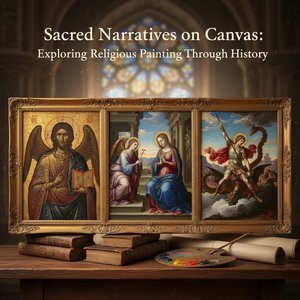
Sacred Narratives on Canvas: Exploring Religious Painting Through History
Explore the rich history of religious painting with ArtsDot.com! Discover iconic artworks, symbolism & techniques from antiquity to the Renaissance. Enhance your art appreciation today.
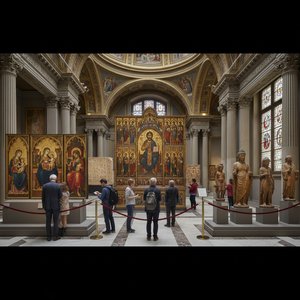
Sacred Narratives Embodied: A Comprehensive Exploration of Religious Iconography in Art History
Explore the rich history of religious iconography in art! Discover symbolism, movements & masterpieces from Byzantine to Renaissance periods. Expert insights for collectors and enthusiasts at ArtsDot.