

 Pregledaj u prostoru
 Pošalji
 Podeli
 Detalji o delu

 Преузми
 Slični predmeti
 Rendgenski snimak
 Slajdovi
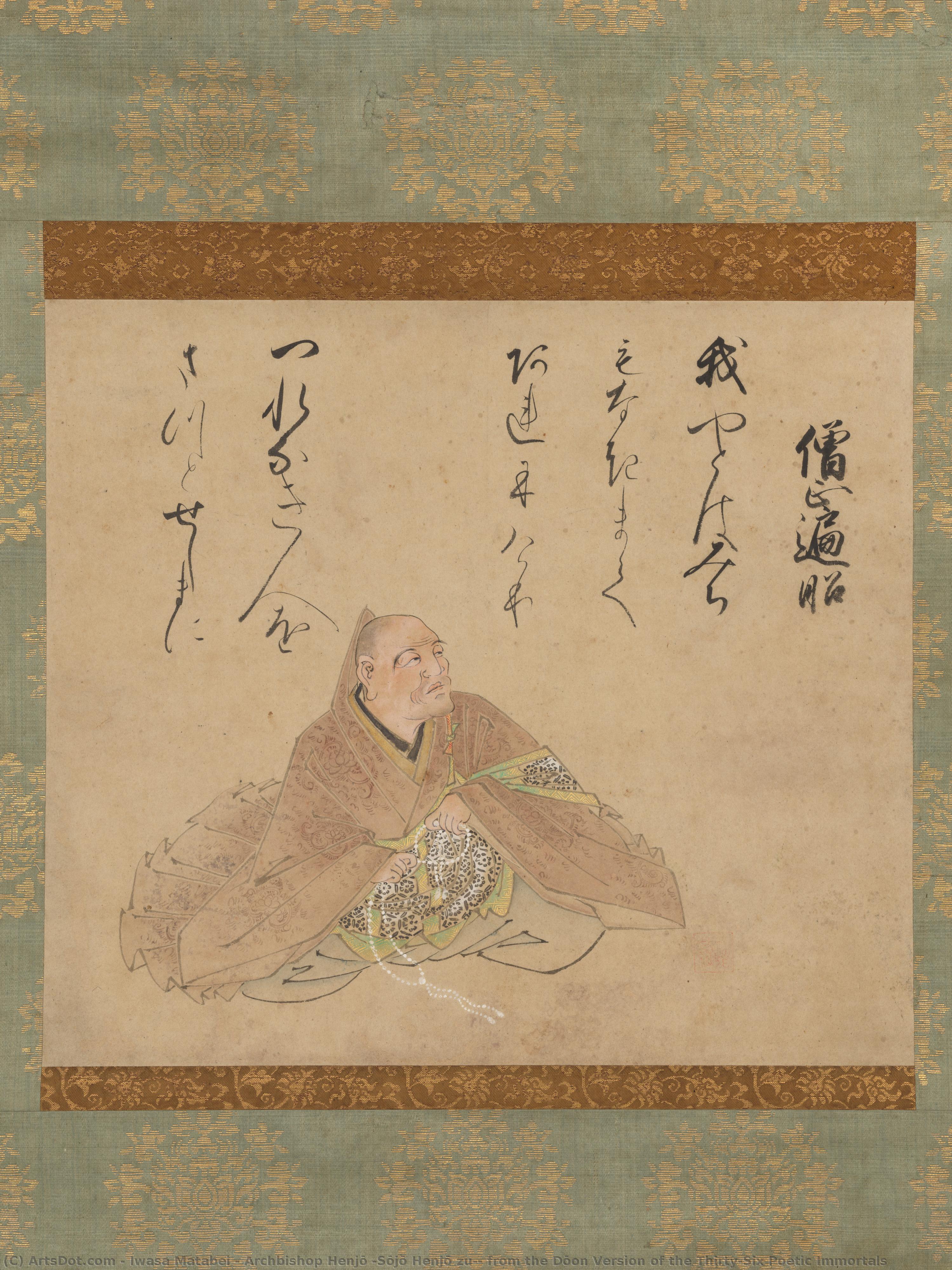
Archbishop Henjō (Sōjō Henjō zu), from the Dōon Version of the Thirty-Six Poetic Immortals
 Ink
Ink- WallArt
- Yamato-e
 1630
1630- Early Modern
 29.0 x 33.0 cm
 Pročitaj više
Kupite digitalnu sliku visoke rezolucije i poboljšanog kvaliteta, koja je znatno superiornija od onoga što vidite u online prikazu.
Svaka datoteka je pedantno pripremljena od strane naših stručnjaka koristeći napredne alate i profesionalnu ručnu retušu. Osiguravamo da svaka slika ima izuzetnu oštrinu, preciznu reprodukciju boja i fine detalje.
Konačna datoteka se dostavlja putem e-pošte u roku od 72 sata, optimizovana za neposrednu upotrebu u profesionalnim, izdavačkim i štamparskim okruženjima. To je isti kvalitet kojem veruju vrhunski studiji dizajna, izdavači i galerije.
Digitalna slika
Preuzmite datoteku visoke rezolucije za ličnu upotrebu, štampanje i kreativne projekte. ( Kupi print Kupi ručno naslikanu sliku)
Uključeno uz svaku porudžbinu digitalne slike
Profesionalna digitalna isporuka, zagarantovana
Kada odaberete ArtsDot.com, ne dobijate samo sliku – vi primate profesionalno unapređeno digitalno umetničko delo, izrađeno sa najvećom preciznošću i uz garanciju zadovoljstva. Evo svega što automatski dolazi uz vašu porudžbinu:

Brza dostava putem e-pošte
Vaša digitalna slika visoke rezolucije biće vam poslata putem e-pošte u roku od 72 sata od poručivanja – spremna za trenutnu upotrebu.

Digitalna datoteka unapređena veštačkom inteligencijom
Vaše umetničko delo je profesionalno optimizovano korišćenjem naprednih AI alata i ručne obrade, čime se osiguravaju maksimalni detalji, oštrina i preciznost boja.

Besplatna ponovna isporuka doživotno
Slučajno ste obrisali ili izgubili svoju datoteku? Ne brinite – poslaćemo vam je ponovo u bilo kom trenutku, potpuno besplatno.

Bez troškova uvoza – zauvek
Uživajte u svojim umetničkim delima trenutno, bez carine, dažbina ili troškova dostave – digitalni download je uvek bez poreza.

Garancija vernosti boja
Uz pomoć profesionalnih alata i upravljanja bojama, osiguravamo da vaša digitalna slika što vernije odražava originalne boje.

Garancija zadovoljstva u roku od 60 dana
Ako niste zadovoljni svojom digitalnom slikom, revidirat ćemo je ili vratiti 100% novca u roku od 60 dana – bez ikakvih pitanja.

100% garancija povrata novca
Niste zadovoljni? Obezbedite pun povrat novca u roku od 60 dana od trenutka kada ste primili svoju digitalnu datoteku – bez suvišnih pitanja.

Popusti na velike porudžbine
Kupite 3 slike, uštedite 10% - Kupite 5 slika, uštedite 15% - Kupite 10+ slika, uštedite 20%. Odlično za kreativne projekte, galerije i agencije.
Srodna umetnička dela
Biografija umetnika
early life and influences
araki katsumochi, a prominent figure in japan's early tokugawa period, left an indelible mark on the art world with his genre scenes, historical illustrations, and captivating portraits. born in 1578, katsumochi was the son of araki murashige, a notable daimyō who met a tragic end, leading to katsumochi's adoption of his mother's family name, iwasa.artistic style and technique
katsumochi's work is characterized by its distinctive figures, featuring large heads and delicately drawn features. his unique brush technique, blending tosa and kanō elements, allowed him to excel in both color and monochrome ink-wash painting. despite being trained under kanō naizen of the renowned kanō school, katsumochi's style was more heavily influenced by the tosa school.notable works and legacy
one of katsumochi's most celebrated works is the series of portraits of the thirty-six poetry immortals (1640), commissioned by tokugawa iemitsu for a temple. this masterpiece, signed as "the artist matabei of the later current from tosa mitsunobu," showcases katsumochi's skill in capturing historical events and classical literature.- rakuchu rakugai zu byōbu (funaki version), a national treasure, is held by the tokyo national museum and depicts the kyoto landscape around 1615.
- hōkoku sairei zu byōbu, an important cultural property, is housed in the tokugawa art museum and showcases katsumochi's mastery of capturing festive scenes.
- katsumochi's workshop produced magnificent emakimono (picture scrolls) based on jōruri texts, with masterpieces like yamanaka tokiwa monogatari emaki, jōruri monogatari emaki, and horie monogatari emaki being designated as important cultural properties.
controversy and legacy
there is ongoing debate among scholars regarding whether katsumochi's works are indeed ukiyo-e or not. in japan, he is often regarded as the originator of ukiyo-e, while some theories suggest he was an independent tosa school painter due to his high social class patrons. conclusion katsumochi's enigmatic life and artistic contributions have left a lasting impact on japanese art. his unique style, blending traditional techniques with innovative brushwork, continues to fascinate art enthusiasts worldwide.- explore more of katsumochi's works at https://ArtsDot.com/@/araki-katsumochi
- learn about the tosa school and its influence on japanese art at the kanō school style art movement
- discover more about katsumochi's life and works at iwasa matabei - wikipedia
references
- araki katsumochi, wikipedia, https://en.wikipedia.org/wiki/iwasa_matabei
- the kanō school style art movement, ArtsDot.com, https://ArtsDot.com/@@/a@d3cpbv-history-painting-art-movement
- araki katsumochi's paintings, ArtsDot.com, https://ArtsDot.com/@/araki-katsumochi
related artists and movements
- katsushika isai, a japanese artist known for his landscapes and genre scenes, ArtsDot.com, https://ArtsDot.com/@/katsushika-isai
- the tosa school, a style of japanese art characterized by its use of gold leaf and bold colors, ArtsDot.com, https://ArtsDot.com/@@/a@d3cpbv-history-painting-art-movement
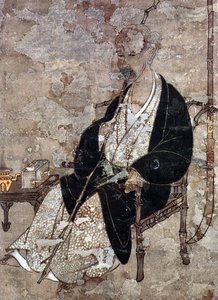
araki katsumochi
1578 - 1650 , Japan

