


 Pregledaj u prostoru
 Pošalji
 Podeli
 Detalji o delu

 Преузми
 Slični predmeti
 Rendgenski snimak
 Slajdovi
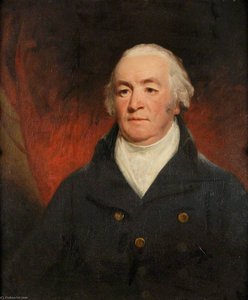
Reverend Alexander Carlyle (1722–1805), Divine and Pamphleteer
 1805
1805 76.0 x 64.0 cm
 Pročitaj više
Ručno rađena uljana reprodukcija
Ručno oslikano uljanim bojama na platnu u dimenzijama i okviru po vašem izboru, izrađeno po porudžbini od strane naših umetnika. ( Kupi print Kupi digitalnu sliku)




































Izaberite jednu od naših unapred definisanih veličina koje odgovaraju originalnim proporcijama umetničkog dela.

Можете унети сопствене димензије како бисте прилагодили дело одређеном оквиру или простору. Ако одабрана величина не одговара пропорцијама оригинала, слика ће бити исечена или проширена додатним елементима који се ручно насликавају. Дигитални prikaz ће вам бити послат на одобрење пре почетка производње.
Имајте на уму да преглед на екрану не одражава стварно исецање или проширење. Само приказ (mockup) ће тачно приказати коначну композицију.
Иако су доступне прилагођене величине, препоручујемо да одаберете димензију из дефинисане листе како бисте сачували оригиналне пропорције.
Nakon narudžbine, tim ArtsDot.com će klijentu putem e-pošte poslati uputstva i dostaviti prikaz predloženog rešenja
Isporuka širom sveta () za 3/4 nedelje umesto uobičajenih 5 nedelja. (29 август). Bez kompromisa po pitanju kvaliteta.

Besplatna ekspresna dostava širom sveta

Visokokvalitetno laneno platno

Kompletno osiguranje transporta

Garancija povraćaja carine i uvoznih dažbina

Garancija vernosti boja

Politika povrata u roku od 60 dana (samo u slučaju nedostataka)

Garancija povrata novca od 100%

Popust pri grupnoj kupovini
 Opcija sa staklom dostupna je samo za dimenzije manje od 110 cm

Reverend Alexander Carlyle (1722–1805), Divine and Pamphleteer
Tehnika reprodukcije
Dimenzije reprodukcije
-


Konačna cena
$ 263
Srodna umetnička dela








Biografija umetnika
Adélaïde Labille-Guiard: A Pioneer of Female Artistic Agency
Adélaïde Labille-Guiard (1749–1803) stands as a remarkable figure in the history of French art, not merely for her exquisite portraits but also for her courageous challenge to the restrictive conventions that governed women’s artistic pursuits during the 18th century. Born in Paris on April 11, 1749, into a family of haberdashers, Labille-Guiard's path to artistic recognition was anything but straightforward – it demanded resilience, strategic alliances, and an unwavering belief in her own talent. Her life story is one of quiet revolution, subtly reshaping the landscape for future generations of female artists. Initially, Labille-Guiard’s training remained shrouded in the secrecy often imposed upon women seeking formal artistic instruction. The prevailing societal norms dictated that masters should not take on female pupils, and opportunities were scarce. She began her apprenticeship with François-Élie Vincent, a miniaturist, gaining foundational skills in delicate brushwork and portraiture. Crucially, she also benefited from the tutelage of Quentin de la Tour, a renowned pastel master, further expanding her artistic repertoire. This early exposure to diverse mediums – miniatures, pastels, and oils – demonstrated her versatility and ambition. Her initial works were exhibited at the Académie de Saint-Luc, marking her tentative steps into the established art world. A pivotal moment in Labille-Guiard’s career arrived with her acceptance into the prestigious Royal Academy of France in 1783—a landmark achievement for any artist, but particularly significant for a woman. This admission was not simply a matter of merit; it represented a deliberate effort to increase the representation of women within the academy's ranks. Her submissions at this time included striking portraits – an actor embodying King Lear and a captivating Cleopatra – showcasing her ability to capture both character and dramatic flair. These works, along with her pastel studies, were exhibited in the Salon, the annual art exhibition that served as the primary venue for artistic recognition. She continued to exhibit regularly until 1791, consistently demonstrating her skill and contributing significantly to the Salon’s diverse collection. Notably, she was even granted permission to establish a studio where she could train aspiring young women artists – a bold step that challenged the established hierarchy of the art world. Labille-Guiard's most celebrated work, *Self-Portrait with Two Pupils* (1785), offers a profound insight into her artistic philosophy and her commitment to fostering female talent. This full-length portrait is not merely a likeness; it’s a deliberate statement about the role of women in art. The composition—Labille-Guiard seated before her easel, instructing two young students – symbolizes her dedication to passing on her knowledge and empowering future generations of female artists. The painting's vibrant colors, intricate details, and confident portrayal of Labille-Guiard herself reflect her ambition and determination. It’s a powerful image that speaks volumes about the challenges she faced and her unwavering belief in the potential of women as accomplished painters. The portrait resides within the Musée National des Châteaux de Versailles et de Trianon, a testament to its enduring significance. Beyond her artistic achievements, Labille-Guiard was also an astute observer of Parisian society. She cultivated a wide network of acquaintances among academicians and prominent figures, leveraging these connections to advance her career and secure commissions. Her patronage by the Mesdames Adélaïde and Victoire, the royal aunts of Louis XVI, further solidified her position within the court circles. Her ability to navigate the complex social dynamics of the era while maintaining a strong artistic identity is a remarkable testament to her intelligence and diplomatic skills. Adélaïde Labille-Guiard’s legacy extends far beyond her individual paintings. She paved the way for future generations of female artists, demonstrating that women could not only achieve professional success but also challenge established norms and advocate for greater opportunities within the art world. Her life serves as an inspiring example of perseverance, artistic vision, and a courageous pursuit of one's dreams in the face of societal constraints. She died on April 24, 1803, leaving behind a body of work that continues to captivate and inspire admiration today.Jan van Huysum: A Master of Floral Elegance
Born around 1682 in Amsterdam, Jan van Huysum (died February 7/8, 1749) was a pivotal figure in the history of Dutch painting, renowned primarily for his exquisite depictions of flowers. His career spanned over six decades and encompassed a remarkable range of subjects, including portraits, landscapes, and genre scenes, but it was his mastery of botanical illustration that ultimately secured his place as one of the most celebrated artists of his time. Van Huysum’s work is characterized by its delicate brushwork, luminous colors, and an almost obsessive attention to detail—qualities that earned him widespread acclaim both in his native Netherlands and throughout Europe. Van Huysum's artistic journey began under the tutelage of his father, Justus van Huysum the Elder, a respected flower painter himself. This familial connection provided him with a solid foundation in the techniques of botanical illustration, but Van Huysum quickly surpassed his father’s achievements, developing a distinctive style that combined scientific accuracy with an undeniable sense of beauty. He was part of a larger family of artists—Justus van Huysum the Younger and Michiel van Huysum—all specializing in flower painting, creating a legacy of artistic excellence within their lineage. Van Huysum’s career flourished during the 18th century, a period marked by a renewed interest in botany and natural history. His paintings were frequently commissioned by wealthy collectors and aristocratic patrons who sought to adorn their homes with exquisite floral displays. He also produced numerous illustrations for scientific publications, including Robert John Thornton's *Philosophy of Botany*, further cementing his reputation as a leading botanical artist. His work was highly sought after, and he established a thriving studio where he employed assistants to fulfill the demands of his extensive clientele. A key element of Van Huysum’s success lay in his ability to capture the ephemeral beauty of flowers—their delicate petals, intricate veins, and subtle variations in color. He achieved this through meticulous observation and an extraordinary command of technique. His paintings are not merely representations of flowers; they are celebrations of their fleeting existence, imbued with a sense of grace and elegance. His work is frequently found in major collections worldwide, including the Tate collection in London and Art UK. While Van Huysum’s contributions to botanical illustration are undoubtedly his most celebrated achievements, he also produced a significant body of work in other genres, including portraits and landscapes. His portraits often featured members of the Dutch elite, while his landscape paintings showcased the beauty of the Dutch countryside. His versatility as an artist is a testament to his broad artistic talent and his ability to adapt his style to suit different subjects and clients. Jan van Huysum’s legacy endures as one of the most influential flower painters of the 18th century. His meticulous technique, exquisite color palette, and profound appreciation for the beauty of nature continue to inspire artists today. His work serves as a reminder of the power of art to capture and celebrate the wonders of the natural world.
archibald skirving
1749 - 1819
Osnovne informacije
- Artistic Movement Or Style: Rococo to Neoclassicism
- Artists Or Movements Influenced By This Artist:
- Jan van Huysum
- Philip Reinagle
- Artists Who Influenced This Artist:
- François-Élie Vincent
- Quentin de la Tour
- Date Of Birth: 11 April 1749
- Date Of Death: 24 April 1803
- Full Name: Adélaïde Labille-Guiard des Vertus
- Nationality: French
- Notable Artworks:
- Self-Portrait with Two Pupils
- State Portrait of Mesdames Adélaïde
- Place Of Birth: Paris, France

