

 Pregledaj u prostoru
 Pošalji
 Podeli
 Detalji o delu

 Преузми
 Slični predmeti
 Rendgenski snimak
 Slajdovi
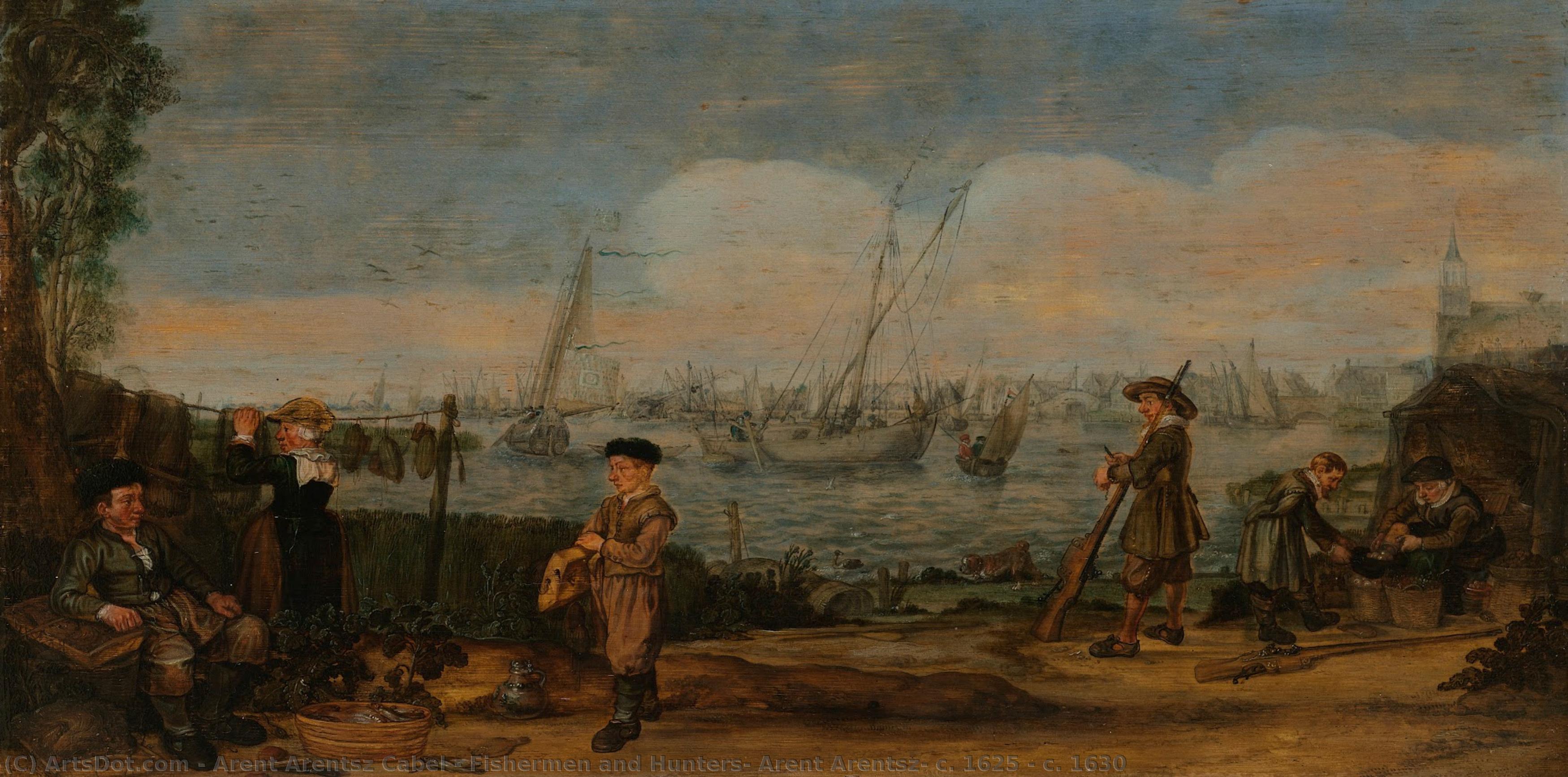
Fishermen and Hunters, Arent Arentsz, c. 1625 - c. 1630
 1630
1630 26.0 x 51.0 cm
 Pročitaj više
Kupite digitalnu sliku visoke rezolucije i poboljšanog kvaliteta, koja je znatno superiornija od onoga što vidite u online prikazu.
Svaka datoteka je pedantno pripremljena od strane naših stručnjaka koristeći napredne alate i profesionalnu ručnu retušu. Osiguravamo da svaka slika ima izuzetnu oštrinu, preciznu reprodukciju boja i fine detalje.
Konačna datoteka se dostavlja putem e-pošte u roku od 72 sata, optimizovana za neposrednu upotrebu u profesionalnim, izdavačkim i štamparskim okruženjima. To je isti kvalitet kojem veruju vrhunski studiji dizajna, izdavači i galerije.
Digitalna slika
Preuzmite datoteku visoke rezolucije za ličnu upotrebu, štampanje i kreativne projekte. ( Kupi print Kupi ručno naslikanu sliku)
Uključeno uz svaku porudžbinu digitalne slike
Profesionalna digitalna isporuka, zagarantovana
Kada odaberete ArtsDot.com, ne dobijate samo sliku – vi primate profesionalno unapređeno digitalno umetničko delo, izrađeno sa najvećom preciznošću i uz garanciju zadovoljstva. Evo svega što automatski dolazi uz vašu porudžbinu:

Brza dostava putem e-pošte
Vaša digitalna slika visoke rezolucije biće vam poslata putem e-pošte u roku od 72 sata od poručivanja – spremna za trenutnu upotrebu.

Digitalna datoteka unapređena veštačkom inteligencijom
Vaše umetničko delo je profesionalno optimizovano korišćenjem naprednih AI alata i ručne obrade, čime se osiguravaju maksimalni detalji, oštrina i preciznost boja.

Besplatna ponovna isporuka doživotno
Slučajno ste obrisali ili izgubili svoju datoteku? Ne brinite – poslaćemo vam je ponovo u bilo kom trenutku, potpuno besplatno.

Bez troškova uvoza – zauvek
Uživajte u svojim umetničkim delima trenutno, bez carine, dažbina ili troškova dostave – digitalni download je uvek bez poreza.

Garancija vernosti boja
Uz pomoć profesionalnih alata i upravljanja bojama, osiguravamo da vaša digitalna slika što vernije odražava originalne boje.

Garancija zadovoljstva u roku od 60 dana
Ako niste zadovoljni svojom digitalnom slikom, revidirat ćemo je ili vratiti 100% novca u roku od 60 dana – bez ikakvih pitanja.

100% garancija povrata novca
Niste zadovoljni? Obezbedite pun povrat novca u roku od 60 dana od trenutka kada ste primili svoju digitalnu datoteku – bez suvišnih pitanja.

Popusti na velike porudžbine
Kupite 3 slike, uštedite 10% - Kupite 5 slika, uštedite 15% - Kupite 10+ slika, uštedite 20%. Odlično za kreativne projekte, galerije i agencije.
Srodna umetnička dela









Biografija umetnika
Arent Arentsz Cabel: Painter of Tranquil Landscapes
Arent Arentsz, commonly known as cabel (born circa 1585 in Amsterdam; died August 18, 1631, Amsterdam), was a Dutch Golden Age landscape painter who achieved renown for his exquisitely rendered depictions of summer and winter vistas—primarily focused on scenes of hunting and fishing. Though relatively obscure compared to contemporaries like Rembrandt or Vermeer, Arentsz’s work possesses a distinctive charm and reflects the artistic sensibilities of his era. His signature consisted of the monogram AA, marking him as one of the many artists active during the Dutch Republic's apex of cultural flourishing.- Early Life & Training: Little is known definitively about Arentsz’s formative years. Records indicate he was born in Amsterdam, a bustling port city and center for artistic patronage. Precise details regarding his formal training remain elusive, but it’s believed he honed his skills under the tutelage of Hendrick Avercamp, whose monumental landscapes—characterized by meticulous detail and atmospheric perspective—served as a significant stylistic influence on Arentsz’s oeuvre.
- Style & Technique: Arentsz's artistic style distinguishes itself from Avercamp’s through subtle nuances. While both painters embraced the principles of topographical realism, Arentsz favored softer brushstrokes and a more luminous palette, conveying an impressionistic quality that anticipates later developments in Impressionism. He skillfully employed atmospheric perspective—the gradual blurring of distant objects—to create depth and enhance the sense of tranquility within his landscapes.
Notable Works & Artistic Achievements
Arentsz’s artistic output comprises approximately 60 paintings, predominantly executed between 1615 and 1631. Among his most celebrated pieces are “Fishermen and Farmers,” “Fishermen and Hunters,” and “Riverlandscape with Women Fortune-Telling”—all landscapes imbued with a palpable stillness and capturing the beauty of rural life. These canvases exemplify Arentsz’s mastery of composition, color harmony, and textural rendering. Remarkably, several of his paintings reside in prestigious institutions such as the Rijksmuseum Amsterdam and the National Gallery London, ensuring their enduring legacy within art history.- Influence & Legacy: Although Arentsz’s fame didn't rival that of his peers during his lifetime, he nonetheless exerted considerable influence on subsequent generations of landscape painters. His emphasis on serene beauty and atmospheric realism foreshadowed the aesthetic ideals of Romanticism.
Burial & Historical Context
Arentsz passed away in Amsterdam in 1631 and was interred in the oude kerk (Old Church), a testament to his place within the cultural fabric of his time. The Dutch Golden Age—spanning roughly from 1580 to 1700—witnessed an unprecedented surge in artistic creativity, fueled by economic prosperity and intellectual curiosity. Artists like Arentsz thrived amidst this environment, producing works that continue to captivate audiences today with their understated elegance and evocative portrayal of the natural world.
Arent Arentsz Cabel
1585 - 1631 , Netherlands
Kratke činjenice
- Artistic Movement Or Style: Dutch Golden Age Landscape Painting
- Artists Who Influenced This Artist: Hendrick Avercamp
- Date Of Birth: Amsterdam, Netherlands (1585)
- Date Of Death: 1631
- Full Name: Arent Arentsz Cabel
- Nationality: Dutch
- Notable Artworks:
- Fishermen and Farmers
- Fishermen and Hunters
- Riverlandscape with Women Fortune-Telling
- Place Of Birth: Amsterdam

