

 Pregledaj u prostoru
 Pošalji
 Podeli
 Detalji o delu

 Преузми
 Slični predmeti
 Rendgenski snimak
 Slajdovi
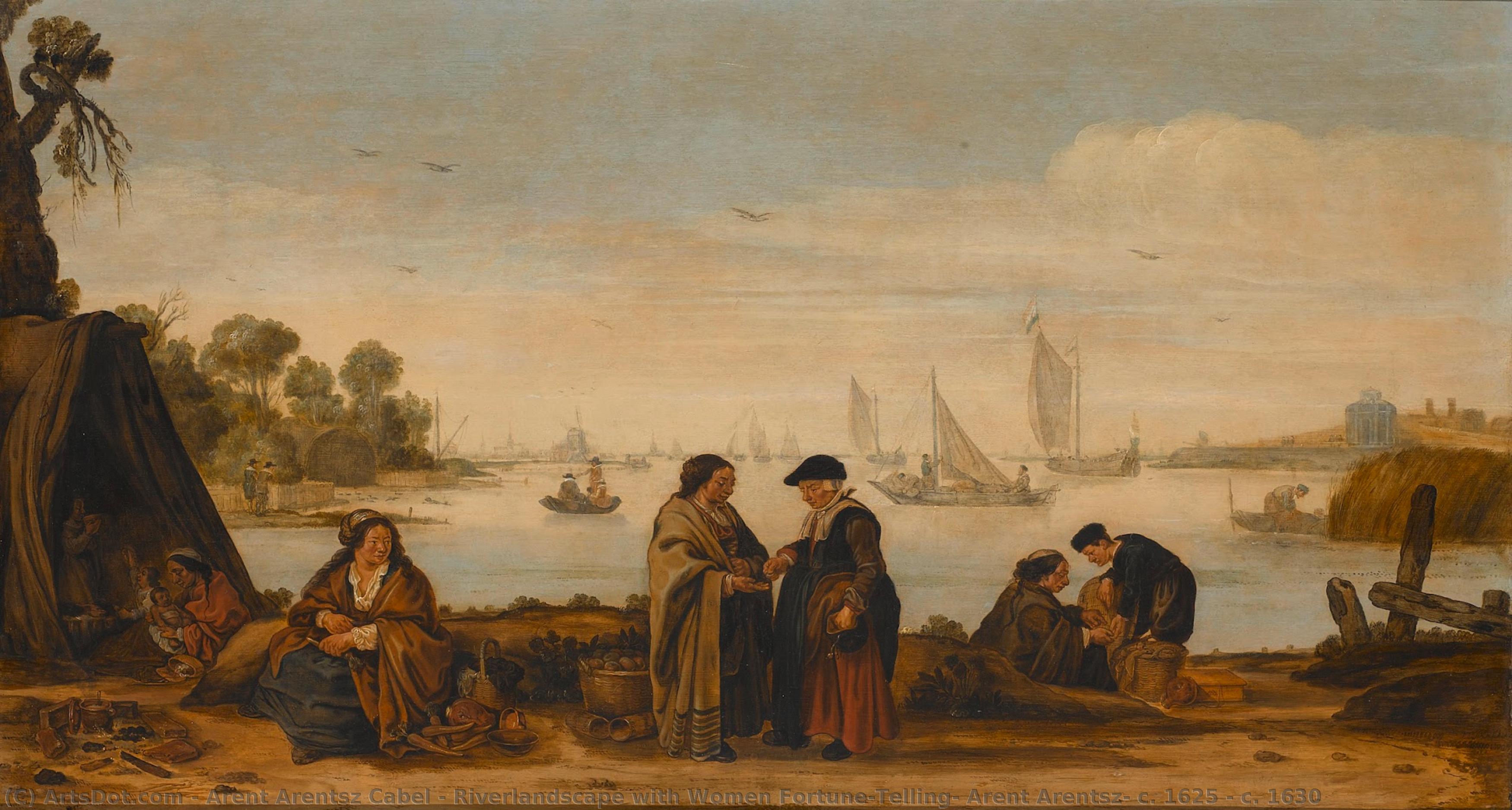
Riverlandscape with Women Fortune-Telling, Arent Arentsz, c. 1625 - c. 1630
 1630
1630 49.0 x 88.0 cm
 Pročitaj više
Ručno rađena uljana reprodukcija
Ručno oslikano uljanim bojama na platnu u dimenzijama i okviru po vašem izboru, izrađeno po porudžbini od strane naših umetnika. ( Kupi print Kupi digitalnu sliku)




































Izaberite jednu od naših unapred definisanih veličina koje odgovaraju originalnim proporcijama umetničkog dela.

Можете унети сопствене димензије како бисте прилагодили дело одређеном оквиру или простору. Ако одабрана величина не одговара пропорцијама оригинала, слика ће бити исечена или проширена додатним елементима који се ручно насликавају. Дигитални prikaz ће вам бити послат на одобрење пре почетка производње.
Имајте на уму да преглед на екрану не одражава стварно исецање или проширење. Само приказ (mockup) ће тачно приказати коначну композицију.
Иако су доступне прилагођене величине, препоручујемо да одаберете димензију из дефинисане листе како бисте сачували оригиналне пропорције.
Nakon narudžbine, tim ArtsDot.com će klijentu putem e-pošte poslati uputstva i dostaviti prikaz predloženog rešenja
Isporuka širom sveta () za 3/4 nedelje umesto uobičajenih 5 nedelja. (3 септембар). Bez kompromisa po pitanju kvaliteta.

Besplatna ekspresna dostava širom sveta

Visokokvalitetno laneno platno

Kompletno osiguranje transporta

Garancija povraćaja carine i uvoznih dažbina

Garancija vernosti boja

Politika povrata u roku od 60 dana (samo u slučaju nedostataka)

Garancija povrata novca od 100%

Popust pri grupnoj kupovini
 Opcija sa staklom dostupna je samo za dimenzije manje od 110 cm

Riverlandscape with Women Fortune-Telling, Arent Arentsz, c. 1625 - c. 1630
Tehnika reprodukcije
Dimenzije reprodukcije
-


Konačna cena
$ 263
Srodna umetnička dela









Biografija umetnika
Arent Arentsz Cabel: Painter of Tranquil Landscapes
Arent Arentsz, commonly known as cabel (born circa 1585 in Amsterdam; died August 18, 1631, Amsterdam), was a Dutch Golden Age landscape painter who achieved renown for his exquisitely rendered depictions of summer and winter vistas—primarily focused on scenes of hunting and fishing. Though relatively obscure compared to contemporaries like Rembrandt or Vermeer, Arentsz’s work possesses a distinctive charm and reflects the artistic sensibilities of his era. His signature consisted of the monogram AA, marking him as one of the many artists active during the Dutch Republic's apex of cultural flourishing.- Early Life & Training: Little is known definitively about Arentsz’s formative years. Records indicate he was born in Amsterdam, a bustling port city and center for artistic patronage. Precise details regarding his formal training remain elusive, but it’s believed he honed his skills under the tutelage of Hendrick Avercamp, whose monumental landscapes—characterized by meticulous detail and atmospheric perspective—served as a significant stylistic influence on Arentsz’s oeuvre.
- Style & Technique: Arentsz's artistic style distinguishes itself from Avercamp’s through subtle nuances. While both painters embraced the principles of topographical realism, Arentsz favored softer brushstrokes and a more luminous palette, conveying an impressionistic quality that anticipates later developments in Impressionism. He skillfully employed atmospheric perspective—the gradual blurring of distant objects—to create depth and enhance the sense of tranquility within his landscapes.
Notable Works & Artistic Achievements
Arentsz’s artistic output comprises approximately 60 paintings, predominantly executed between 1615 and 1631. Among his most celebrated pieces are “Fishermen and Farmers,” “Fishermen and Hunters,” and “Riverlandscape with Women Fortune-Telling”—all landscapes imbued with a palpable stillness and capturing the beauty of rural life. These canvases exemplify Arentsz’s mastery of composition, color harmony, and textural rendering. Remarkably, several of his paintings reside in prestigious institutions such as the Rijksmuseum Amsterdam and the National Gallery London, ensuring their enduring legacy within art history.- Influence & Legacy: Although Arentsz’s fame didn't rival that of his peers during his lifetime, he nonetheless exerted considerable influence on subsequent generations of landscape painters. His emphasis on serene beauty and atmospheric realism foreshadowed the aesthetic ideals of Romanticism.
Burial & Historical Context
Arentsz passed away in Amsterdam in 1631 and was interred in the oude kerk (Old Church), a testament to his place within the cultural fabric of his time. The Dutch Golden Age—spanning roughly from 1580 to 1700—witnessed an unprecedented surge in artistic creativity, fueled by economic prosperity and intellectual curiosity. Artists like Arentsz thrived amidst this environment, producing works that continue to captivate audiences today with their understated elegance and evocative portrayal of the natural world.
Arent Arentsz Cabel
1585 - 1631 , Netherlands
Osnovne informacije
- Artistic Movement Or Style: Dutch Golden Age Landscape Painting
- Artists Who Influenced This Artist: Hendrick Avercamp
- Date Of Birth: Amsterdam, Netherlands (1585)
- Date Of Death: 1631
- Full Name: Arent Arentsz Cabel
- Nationality: Dutch
- Notable Artworks:
- Fishermen and Farmers
- Fishermen and Hunters
- Riverlandscape with Women Fortune-Telling
- Place Of Birth: Amsterdam

