

 Pregledaj u prostoru
 Pošalji
 Podeli
 Detalji o delu

 Преузми
 Slični predmeti
 Rendgenski snimak
 Slajdovi
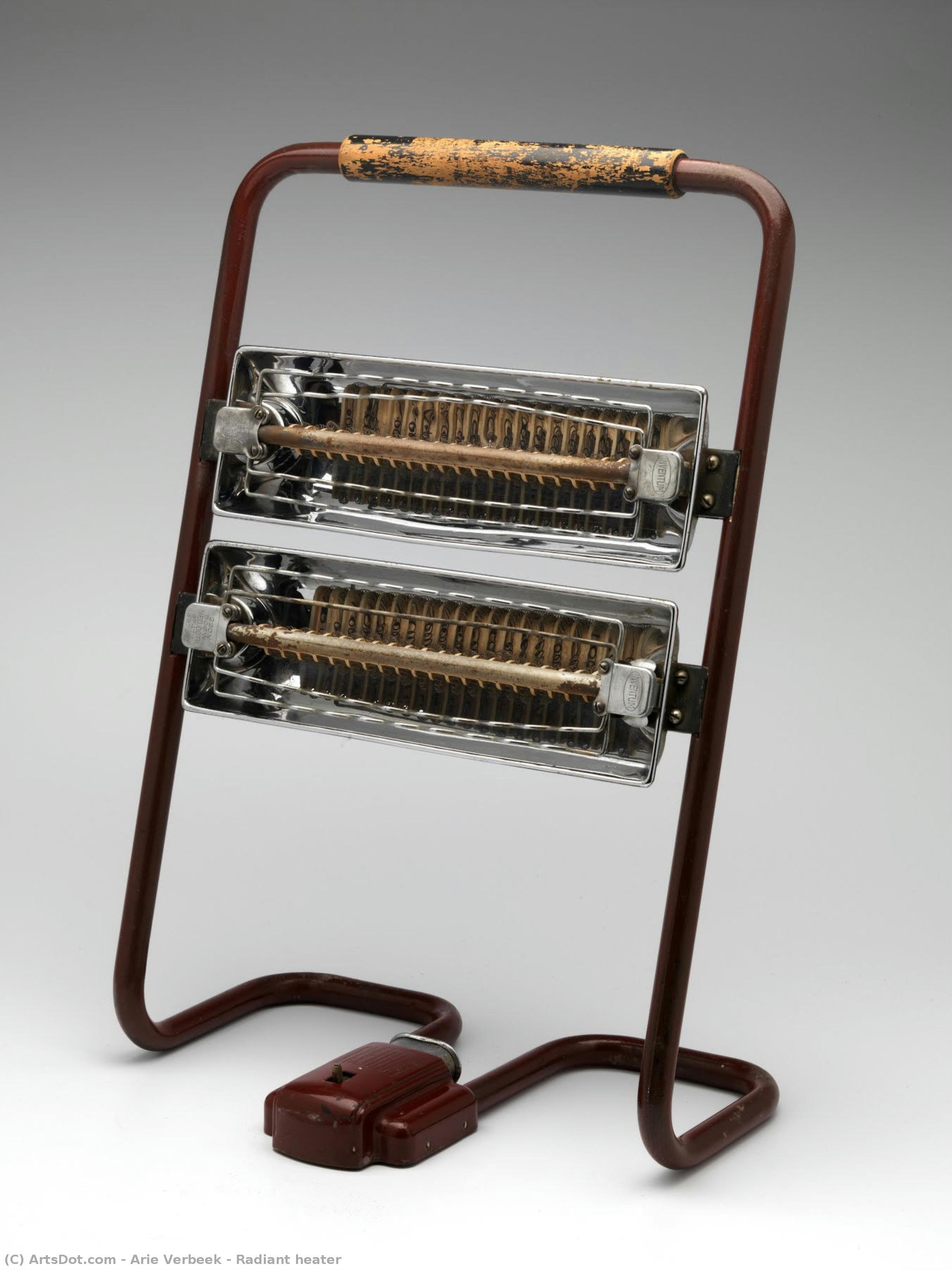
Radiant heater
 Modernism
 1931
1931 5.0 x 21.0 cm
 NEMO Science Museum
 Pročitaj više
Giclee štampa / Umetnički otisak
Giclée štampa ili print na platnu muzejskog kvaliteta uz brzu proizvodnju i fleksibilne opcije završne obrade. ( Kupi ručno naslikanu sliku Kupi digitalnu sliku)




































Izaberite jednu od naših unapred definisanih veličina koje odgovaraju originalnim proporcijama umetničkog dela.

Možete uneti sopstvene dimenzije kako biste umetničko delo prilagodili specifičnom okviru ili prostoru. Ako odabrani format ne odgovara proporcijama originalne slike, mi ćemo ili iscrtati deo dela ili proširiti sliku pomoću ogledane ivice ili jednobojnog popunjavanja. Digitalni prikaz će vam biti poslat na odobrenje pre početka proizvodnje.
Imajte na umu da pregled na ekranu ne odražava stvarno iscrtavanje ili proširivanje. Samo će prikaz (mockup) precizno pokazati finalnu kompoziciju.
Iako su prilagođene dimenzije dostupne, preporučujemo da odaberete dimenziju sa unapred definisane liste kako biste očuvali originalne proporcije.
Dostava širom sveta () za 2 nedelje umesto uobičajenih 4/5 nedelja. (7 септембар)

Besplatna ekspresna dostava širom sveta

Visokokvalitetno laneno platno

Kompletno osiguranje transporta

Garancija povraćaja carine i uvoznih dažbina

Garancija vernosti boja

Politika povrata u roku od 100 dana (samo u slučaju nedostataka)

Garancija povrata novca od 100%

Popust pri grupnoj kupovini
 Opcija sa staklom dostupna je samo za dimenzije manje od 110 cm

Radiant heater
Giclee štampa / Umetnički otisak
Dimenzije reprodukcije
-


Konačna cena
$ 62
Srodna umetnička dela


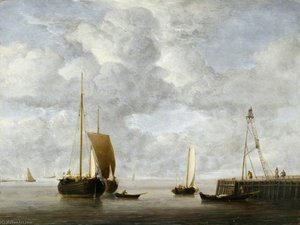
Biografija umetnika
Vincent van Gogh: A Life Painted in Passion
Vincent van Gogh, a name synonymous with turbulent genius and vibrant emotion, remains one of the most recognizable figures in art history. Born in 1853 in Groot-Zundert, Netherlands, his life was tragically short – just thirty-seven years – yet within that brief span he produced over two thousand works: paintings, drawings, and prints that continue to captivate audiences with their raw honesty, intense color palettes, and deeply felt humanity. His journey wasn’t one of deliberate artistic ambition at the outset; rather, it was a relentless pursuit of connection, understanding, and ultimately, self-expression through the transformative power of art.
Van Gogh's early life offered little indication of his future as an artist. He tried various professions – art dealer, teacher, missionary – each attempt proving unsatisfying and leaving him feeling increasingly alienated. A period spent working for Goupil & Cie, a prominent art firm in The Hague and Paris, exposed him to the world of art collecting but also fostered a disillusionment with the commercial aspects of the trade. It was during this time that he began seriously pursuing his own artistic endeavors, initially copying prints by masters like Millet and Daumier, not out of admiration for their style, but as a means to develop his drawing skills and understand composition – a deliberate attempt to master the fundamentals before venturing into original work. His early works, predominantly landscapes and depictions of peasant life, reflect this methodical approach, characterized by careful observation and a desire to capture the essence of everyday subjects.
Parisian Influence and Artistic Transformation
A pivotal moment in Van Gogh’s artistic development arrived in 1886 when he moved to Paris. This relocation proved profoundly influential, exposing him to the revolutionary currents of Impressionism and Post-Impressionism. He encountered artists like Monet, Renoir, Degas, and Pissarro, absorbing their techniques – particularly their use of broken color, capturing fleeting moments of light, and depicting scenes from modern life. However, Van Gogh didn’t simply mimic these styles; he pushed them further, injecting his own intensely personal vision into the borrowed elements. He experimented with brighter colors, bolder brushstrokes, and a more expressive approach to form, moving away from the objective representation favored by many of his contemporaries.
The influence of Japanese prints – *ukiyo-e* – was also significant during this period. Their flattened perspective, bold outlines, and vibrant colors resonated deeply with Van Gogh’s desire for a more direct and emotionally charged style. He began incorporating these elements into his work, creating images that were both visually striking and psychologically revealing. His self-portraits, in particular, became increasingly prominent during this time, offering a raw and unflinching glimpse into his inner turmoil – a reflection of the intense emotional landscape he was navigating.
The Southern France Years: Color and Emotion
Seeking respite from the pressures of Paris and hoping to establish an artist’s colony in Arles, southern France, Van Gogh moved in 1888. This period marked a significant intensification of his artistic output and a deepening exploration of color as a means of conveying emotion. He painted with feverish intensity, capturing the dazzling light, vibrant colors, and rustic beauty of the Provençal landscape. Works like *Sunflowers*, *The Bedroom*, and *Starry Night Over the Rhône* exemplify this shift – each painting pulsating with an almost palpable energy, reflecting his heightened emotional state.
Despite his artistic successes, Van Gogh’s time in Arles was fraught with difficulties. His struggle with mental illness intensified, culminating in a severe episode that led to the infamous incident involving Gauguin and resulted in Van Gogh severing his own ear. This period underscored the profound disconnect between his creative vision and his personal struggles – a tension that would continue throughout his life.
Legacy and Lasting Impact
Van Gogh’s tragically short career left behind a remarkably rich body of work, largely unrecognized during his lifetime. It wasn't until after his death in 1890 that his unique style began to gain recognition, championed by artists like Henri Matisse and Pablo Picasso who saw in his work the seeds of modernism. Today, Van Gogh is celebrated as one of the most influential figures in art history – a pioneer of Expressionism whose emotionally charged brushstrokes and vibrant colors continue to resonate with viewers around the world. His paintings are not merely representations of reality; they are windows into the soul of an artist grappling with profound questions of existence, faith, and the human condition. His legacy lies not just in his artistic innovations but also in his unwavering commitment to expressing himself authentically, a testament to the transformative power of art.
Further resources can be found at The Metropolitan Museum of Art and Wikipedia.

arie verbeek
1880 - 1959 , Netherlands
Osnovne informacije
- Artistic Movement Or Style: Post-Impressionism
- Artists Or Movements Influenced By This Artist: ['Expressionism']
- Artists Who Influenced This Artist: ['Jean-François Raffaëlli']
- Date Of Birth: March 30, 1853
- Date Of Death: July 29, 1890
- Full Name: Vincent van Gogh
- Nationality: Dutch
- Notable Artworks:
- Sunflowers
- Bedroom in Arles
- Starry Night
- Wheatfield with Crows
- Place Of Birth: Netherlands
Povezani članci
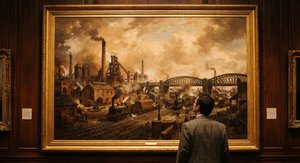
Industrial Revolution on Canvas: 10 Artworks That Define a Modern Aesthetic
Explore 10 iconic artworks capturing the Industrial Revolution’s grit & beauty. From Monet to Manet, discover realism, impressionism & powerful scenes of urban life. Find museum-quality reproductions for your home at ArtsDot.com.

Golden Age Reflections: Dutch Baroque Painting & Cultural Innovation
Explore the Dutch Golden Age of painting! Discover key artists like Vermeer & ter Borch, their innovative techniques, and the rich cultural context behind these Baroque masterpieces. Learn about collecting & appreciating this iconic art period.
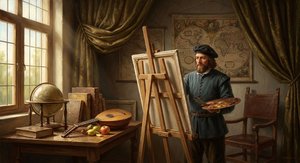
Illuminating Realism: Exploring the Dutch Golden Age of Painting (1600-1700)
Explore the Dutch Golden Age of painting (1600-1700) with ArtsDot. Discover Rembrandt, Vermeer & other masters. Learn about techniques, history & find museum-quality reproductions.
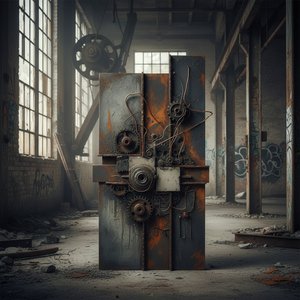
The Gritty Muse: Industrial Vibe as Defining Aesthetic in Modern Artwork
Explore the captivating world of industrial aesthetics in modern art. Discover key movements, influential artists & collecting insights at ArtsDot.com – your source for museum-quality reproductions and expert art guidance.

Zlatno doba Holandske umetnosti: Top 10 remek dela za vaš dom
Otkrijte remek dela Holandskog zlatnog doba! Uronite u svet Rembrandta, Vermeera i drugih majstora. 10 ikoničnih slika koje su definisale umetnost. Inspiracija za vaš dom i kolekciju - ekskluzivne reprodukcije na ArtsDot.com!