

 Pregledaj u prostoru
 Pošalji
 Podeli
 Detalji o delu

 Преузми
 Slični predmeti
 Rendgenski snimak
 Slajdovi
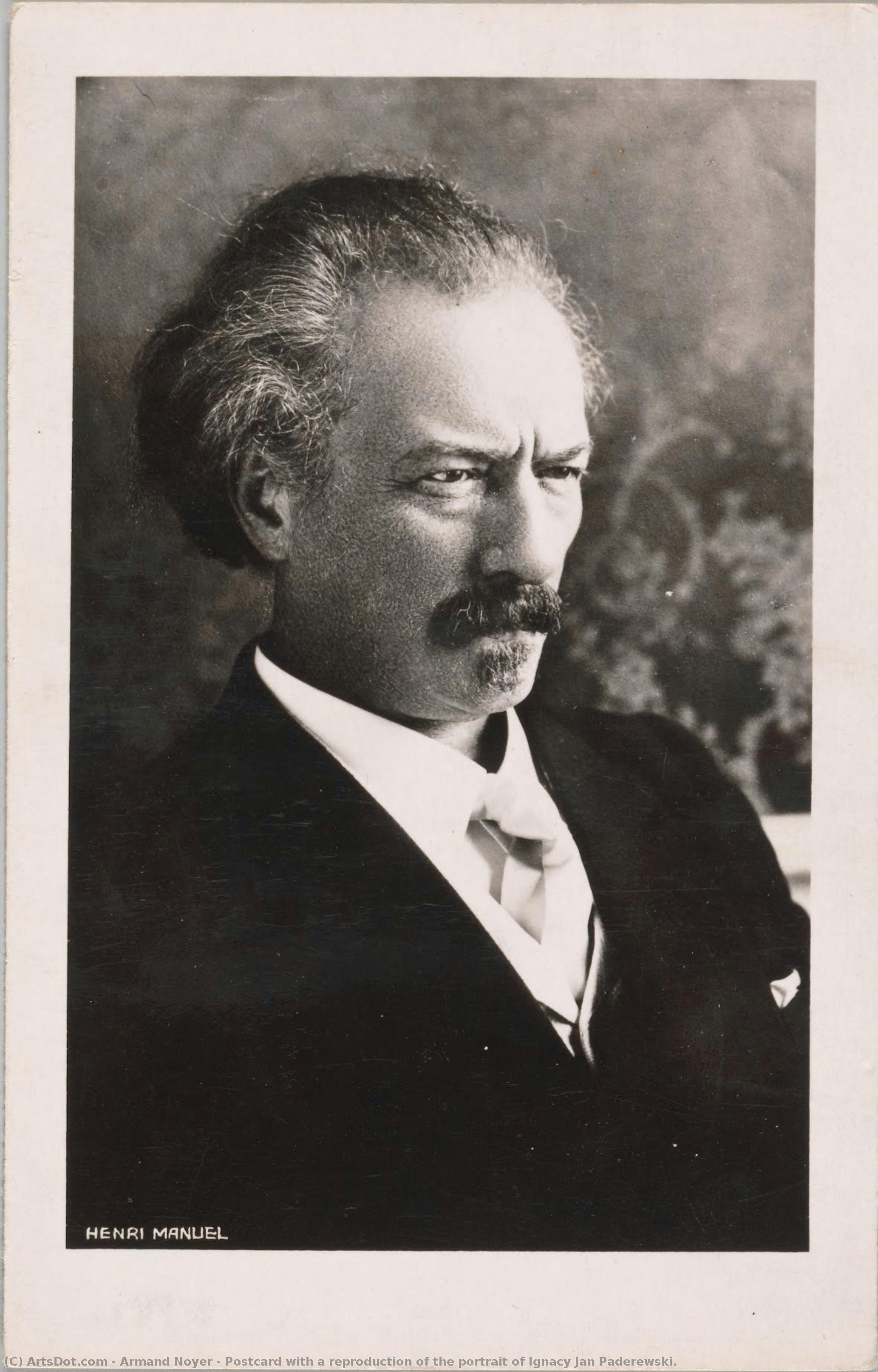
Postcard with a reproduction of the portrait of Ignacy Jan Paderewski.

 Pročitaj više
Ručno rađena uljana reprodukcija
Ručno oslikano uljanim bojama na platnu u dimenzijama i okviru po vašem izboru, izrađeno po porudžbini od strane naših umetnika. ( Kupi print Kupi digitalnu sliku)




































Izaberite jednu od naših unapred definisanih veličina koje odgovaraju originalnim proporcijama umetničkog dela.

Можете унети сопствене димензије како бисте прилагодили дело одређеном оквиру или простору. Ако одабрана величина не одговара пропорцијама оригинала, слика ће бити исечена или проширена додатним елементима који се ручно насликавају. Дигитални prikaz ће вам бити послат на одобрење пре почетка производње.
Имајте на уму да преглед на екрану не одражава стварно исецање или проширење. Само приказ (mockup) ће тачно приказати коначну композицију.
Иако су доступне прилагођене величине, препоручујемо да одаберете димензију из дефинисане листе како бисте сачували оригиналне пропорције.
Nakon narudžbine, tim ArtsDot.com će klijentu putem e-pošte poslati uputstva i dostaviti prikaz predloženog rešenja
Isporuka širom sveta () za 3/4 nedelje umesto uobičajenih 5 nedelja. (5 септембар). Bez kompromisa po pitanju kvaliteta.

Besplatna ekspresna dostava širom sveta

Visokokvalitetno laneno platno

Kompletno osiguranje transporta

Garancija povraćaja carine i uvoznih dažbina

Garancija vernosti boja

Politika povrata u roku od 60 dana (samo u slučaju nedostataka)

Garancija povrata novca od 100%

Popust pri grupnoj kupovini
 Opcija sa staklom dostupna je samo za dimenzije manje od 110 cm

Postcard with a reproduction of the portrait of Ignacy Jan Paderewski.
Tehnika reprodukcije
Dimenzije reprodukcije
-


Konačna cena
$ 263
Srodna umetnička dela








Biografija umetnika
A Glimpse into Vintage France: The World of Armand Noyer
Armand Noyer, a name perhaps unfamiliar to many today, represents a fascinating intersection of artistry and commerce in late 19th and early 20th-century France. Operating from his bustling studio at 22 Rue Ravignan in Paris, Noyer wasn’t merely a photographer; he was a prolific publisher, a keen observer of Parisian life, and a master of capturing fleeting moments on postcards that have become cherished windows into a bygone era. His story isn't one of radical innovation or groundbreaking artistic movements, but rather of consistent quality, widespread popularity, and an astute understanding of the public’s desire for accessible imagery. Noyer’s career spanned from the early years of photography through the tumultuous period following World War II, making him a witness to – and documenter of – significant social and cultural shifts.From Studio Portraiture to Cartophilic Success
While details regarding Noyer's formal training remain scarce, his establishment in Paris suggests an ambition rooted in the burgeoning world of visual representation. Initially, like many photographers of the time, he likely focused on studio portraiture, catering to a clientele seeking tangible mementos of themselves and their loved ones. However, Noyer quickly recognized the growing appeal of postcards – *cartes postales* – as a medium for wider dissemination of images. He transitioned with remarkable agility into becoming a dedicated postcard publisher, building a substantial business around capturing scenes of Parisian life, charming depictions of children, and eventually, even portraits of popular film stars. This shift wasn’t simply about adapting to market trends; it was about understanding the evolving desires of a society increasingly fascinated by visual culture and accessible art forms. The sheer volume of cards attributed to Noyer – numbering in the thousands – speaks volumes about his industriousness and the enduring appeal of his work. He became known as a “cartophile,” someone dedicated to the study and appreciation of postcards, but more importantly, a creator who actively shaped that world.Themes and Techniques: A Focus on Everyday Life
Noyer’s artistic strength lay in his ability to portray everyday life with a gentle sensitivity. His children's scenes are particularly noteworthy – often depicting playful moments, familial affection, or the innocence of youth. These images weren’t idealized representations; they felt grounded in reality, capturing the genuine emotions and interactions of childhood. He also documented Parisian views, offering glimpses into the city’s bustling streets, iconic landmarks, and quieter corners. While not necessarily striving for high art, Noyer demonstrated a keen eye for composition and lighting. His studio work benefited from advancements in photographic technology, allowing for sharper details and more nuanced tonal ranges. Later, his collaboration with Italian sculptor Domenico Mastroianni on stereoscopic views further showcased his commitment to exploring innovative ways of presenting visual information. The use of various *marques* – AN, Zed, YSA, EVA, Patriotic – suggests a sophisticated understanding of branding and market segmentation, catering to different tastes and preferences within the postcard-buying public.Collaboration and Wartime Production
Noyer’s career wasn't solely defined by his own artistic vision; collaboration played a significant role in expanding his reach. His partnership with Domenico Mastroianni on stereoscopic views demonstrates an openness to experimentation and a desire to push the boundaries of visual representation. Stereoscopy, offering a three-dimensional viewing experience, was a popular form of entertainment during this period, and Noyer’s involvement suggests a willingness to embrace new technologies. Furthermore, his production of “patriotic” cards during World War I reveals a response to the socio-political climate of the time. These cards, while perhaps less artistically nuanced than his earlier work, demonstrate his adaptability and commitment to contributing to national sentiment. The acquisition of Electrophot as a *marque* further illustrates his business acumen and strategic expansion within the printing industry.Legacy and Historical Significance
Armand Noyer’s legacy isn't found in museum halls or art history textbooks, but rather in the countless postcards that have survived through generations. His work provides invaluable insights into the social customs, fashion, and everyday life of late 19th and early 20th-century France. He captured a moment in time – a Paris undergoing rapid modernization, a society grappling with new technologies, and a world on the cusp of significant change. His postcards are more than just pretty pictures; they are historical artifacts, offering glimpses into the lives of ordinary people and the cultural landscape of a bygone era. While he may not be a household name, Armand Noyer remains a significant figure in the history of photography and cartophilia – a testament to the power of accessible imagery and the enduring appeal of vintage France.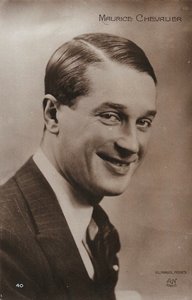
armand noyer
France
Osnovne informacije
- Artistic Movement Or Style: Photography, Cartophilic Art
- Date Of Death: Living
- Full Name: Armand Noyer
- Nationality: French
- Notable Artworks:
- Children's scenes
- Parisian views
- Stereoscopic cards
- Place Of Birth: Paris, France

