

 Pregledaj u prostoru
 Pošalji
 Podeli
 Detalji o delu

 Преузми
 Slični predmeti
 Rendgenski snimak
 Slajdovi
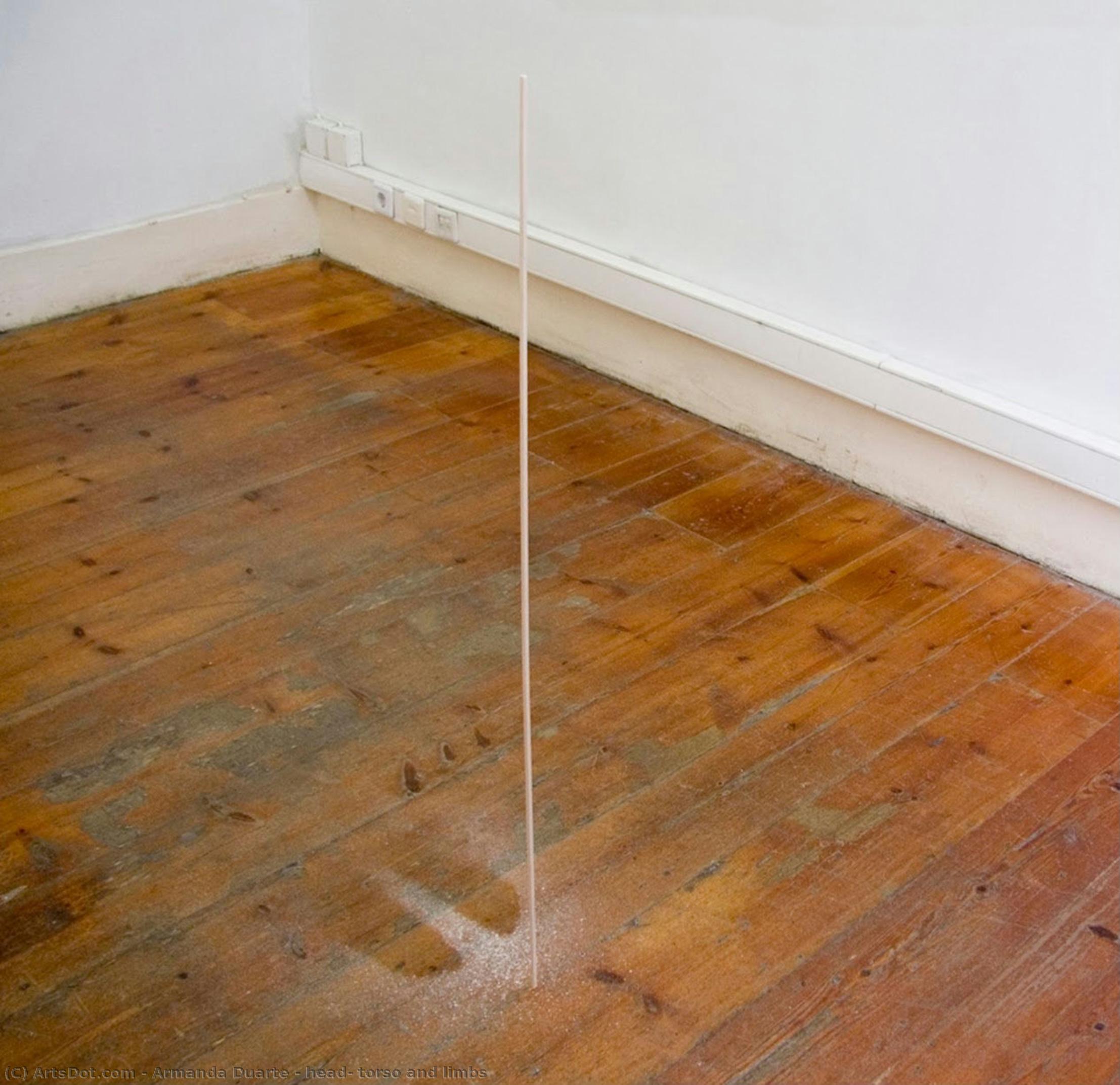
Глава и торс и луковице
 Akril na platnu
- Umetnost za zidove
- Contemporary Minimalism
 2012
2012 Culturgest - Fundação Caixa Geral de Depósitos
 Pročitaj više
Kupite digitalnu sliku visoke rezolucije i poboljšanog kvaliteta, koja je znatno superiornija od onoga što vidite u online prikazu.
Svaka datoteka je pedantno pripremljena od strane naših stručnjaka koristeći napredne alate i profesionalnu ručnu retušu. Osiguravamo da svaka slika ima izuzetnu oštrinu, preciznu reprodukciju boja i fine detalje.
Konačna datoteka se dostavlja putem e-pošte u roku od 72 sata, optimizovana za neposrednu upotrebu u profesionalnim, izdavačkim i štamparskim okruženjima. To je isti kvalitet kojem veruju vrhunski studiji dizajna, izdavači i galerije.
Digitalna slika
Preuzmite datoteku visoke rezolucije za ličnu upotrebu, štampanje i kreativne projekte. ( Kupi print Kupi ručno naslikanu sliku)
Uključeno uz svaku porudžbinu digitalne slike
Profesionalna digitalna isporuka, zagarantovana
Kada odaberete ArtsDot.com, ne dobijate samo sliku – vi primate profesionalno unapređeno digitalno umetničko delo, izrađeno sa najvećom preciznošću i uz garanciju zadovoljstva. Evo svega što automatski dolazi uz vašu porudžbinu:

Brza dostava putem e-pošte
Vaša digitalna slika visoke rezolucije biće vam poslata putem e-pošte u roku od 72 sata od poručivanja – spremna za trenutnu upotrebu.

Digitalna datoteka unapređena veštačkom inteligencijom
Vaše umetničko delo je profesionalno optimizovano korišćenjem naprednih AI alata i ručne obrade, čime se osiguravaju maksimalni detalji, oštrina i preciznost boja.

Besplatna ponovna isporuka doživotno
Slučajno ste obrisali ili izgubili svoju datoteku? Ne brinite – poslaćemo vam je ponovo u bilo kom trenutku, potpuno besplatno.

Bez troškova uvoza – zauvek
Uživajte u svojim umetničkim delima trenutno, bez carine, dažbina ili troškova dostave – digitalni download je uvek bez poreza.

Garancija vernosti boja
Uz pomoć profesionalnih alata i upravljanja bojama, osiguravamo da vaša digitalna slika što vernije odražava originalne boje.

Garancija zadovoljstva od 100 dana
Ako niste zadovoljni svojom digitalnom slikom, izvršićemo reviziju ili ćemo vam vratiti 100% novca u roku od 100 dana – bez ikakvih pitanja.

100% garancija povrata novca
Niste zadovoljni? Dobijte puni povraćaj novca u roku od 100 dana od prijema digitalne datoteke – bez suvišnih pitanja.

Popusti na velike porudžbine
Kupite 3 slike, uštedite 10% - Kupite 5 slika, uštedite 15% - Kupite 10+ slika, uštedite 20%. Odlično za kreativne projekte, galerije i agencije.
Rembrandt Gladys Schmitt: A Pioneer of Color and Texture in the Early 1960s
Armanda Duarte’s artistic journey began amidst the vibrant experimental landscape of American art during the formative years of the 1960s. Unlike many contemporaries who achieved widespread fame – figures like Andy Warhol or Jackson Pollock – Duarte stands as a quietly significant voice within this movement, embodying a unique synthesis of gestural abstraction, textile techniques, and a profound exploration of color and materiality. Her work represents a crucial thread in the tapestry of Abstract Expressionism and Pop Art, reflecting an unwavering spirit of artistic independence that characterized much of the era’s avant-garde. This dedication to crafting original pieces outside the conventional gallery system cemented her position as a trailblazer for artists prioritizing creative freedom. Her formative years were spent in rural Pennsylvania, an environment profoundly influencing her later artistic vision. The textures of the landscape—the weathered bark of trees, the undulating contours of hills—became recurring motifs in Duarte’s oeuvre, mirroring her fascination with capturing the physicality and immediacy of experience. This sensitivity to tactile qualities distinguishes her work from more purely conceptual approaches prevalent at the time, grounding it in a tangible connection to the natural world. Her artistic explorations were fueled by an interest in exploring the interplay between color and form—a preoccupation that would become central to her distinctive style.The Style: Textile Techniques and Gestural Abstraction
Duarte’s artistic method involved layering textures onto surfaces, primarily utilizing fabric as a foundational element for her paintings. This technique wasn't merely decorative; it served as a vehicle for conveying complex emotional states and exploring the relationship between artist and material. The resulting canvases possess an undeniable sculptural quality—a palpable sense of depth and dimensionality achieved through meticulous application of pigment and interwoven textiles. Her approach aligns closely with the broader trends of Abstract Expressionism, where artists sought to express inner feelings rather than depicting external reality. However, Duarte’s distinctive use of fabric distinguishes her work from many other painters of the period, injecting a textural richness that elevates it beyond conventional representations. The influence of Color Field painting – Rothko, Newman – is evident in Duarte's masterful manipulation of color palettes. Like these pioneers of abstraction, she prioritized hue and saturation as primary expressive tools, aiming to evoke moods and sensations rather than conveying specific narratives. Her canvases shimmer with iridescent blues and greens—colors chosen not for their descriptive accuracy but for their ability to generate an atmosphere of ethereal beauty and contemplation. This deliberate aesthetic strategy underscores her commitment to exploring the emotional resonance of color—a cornerstone of her artistic philosophy.Symbolism and Emotional Impact
Beyond technique, Duarte’s work is imbued with symbolic significance. Recurring motifs – such as “Head,” “Torso and Limbs” – represent explorations of human form and vulnerability, reflecting a preoccupation with psychological introspection. The artist's careful consideration of composition—often employing minimalist arrangements—creates space for contemplation and invites viewers to engage in personal interpretation. Her pieces resonate with an understated elegance that speaks to the enduring power of art to provoke thought and emotion. Ultimately, Duarte’s artistic endeavors aim to capture not just what is seen but what is felt—a testament to her profound understanding of human experience.Provenance and Recognition
Duarte's work gained recognition through independent exhibitions and a steadfast commitment to fostering community art practices. Her dedication to artistic integrity and her willingness to pursue creative vision outside the mainstream gallery system solidified her legacy as an artist who championed originality and authenticity. The artwork “Head, torso and limbs” was presented at the exhibition “All I want: Portuguese women artists from 1900 to 2020,” showcasing her contribution to the artistic landscape of Portugal during this pivotal period. This recognition underscores the importance of supporting emerging artists and nurturing diverse voices within the art world.Srodna umetnička dela

Biografija umetnika
Rembrandt Gladys Schmitt: A Pioneer of Color and Texture in the Early 1960s
Rembrandt Gladys Schmitt (born 1961) stands as a quietly significant figure within the vibrant, experimental art scene that blossomed in America during the early 1960s. While not achieving widespread fame comparable to some of her contemporaries – figures like Andy Warhol or Jackson Pollock – Schmitt’s work represents a crucial thread in the tapestry of Abstract Expressionism and Pop Art, embodying a unique synthesis of gestural abstraction, textile techniques, and a deeply personal exploration of color and materiality. Her career unfolded largely outside the established gallery system, initially through independent exhibitions and a commitment to fostering community art practices, reflecting a spirit of artistic independence that defined much of the era’s avant-garde. Schmitt's formative years were spent in rural Pennsylvania, an environment profoundly influencing her later work. The textures of the landscape – the rough bark of trees, the yielding earth, the shifting patterns of light and shadow – became ingrained within her visual vocabulary. This connection to nature manifested early in her artistic practice, moving beyond purely representational forms towards a more intuitive approach to color and composition. Early influences included the Color Field painters like Mark Rothko and Barnett Newman, whose emphasis on large areas of saturated hue resonated with Schmitt’s own desire to evoke emotional responses through pure chromatic experience. However, unlike these artists who often employed a more serene palette, Schmitt's work is characterized by an energetic layering of colors – vibrant reds, yellows, blues, and greens – applied with a palpable physicality. The early 1960s witnessed a period of intense experimentation in American art, fueled by the rise of Fluxus, Minimalism, and Happenings. Schmitt was deeply engaged with these developments, participating in several key exhibitions that showcased the radical new directions being explored within the art world. The “Huysman Gallery” exhibition of 1962, featuring artists like Joe Goode, Larry Bell, and Ed Bereal, provided a crucial platform for her work to be seen by a wider audience. This event, marked by controversy surrounding its poster – a deliberate provocation intended to challenge conventional notions of art – solidified Schmitt’s position within the burgeoning experimental scene. Her own contributions to this exhibition, particularly “Mist” and “Force,” demonstrated her willingness to push boundaries and embrace unconventional materials and processes. Notably, she experimented with incorporating textile elements into her paintings—using fabrics as grounds for layering paint, creating textured surfaces that added another dimension of tactile experience to her work. Schmitt’s artistic process was deeply rooted in a hands-on approach. She frequently employed techniques borrowed from traditional craft practices – embroidery, weaving, and appliqué – integrating these methods into her painting practice. This deliberate engagement with materials wasn't simply decorative; it served as a means of exploring the inherent qualities of each substance—its weight, texture, and color saturation. Her paintings often appear to be built up through layers of applied material, creating complex surfaces that invite close examination. The influence of Surrealism is also evident in her work, particularly in the dreamlike quality of some of her compositions and the symbolic use of color. She frequently explored themes related to memory, loss, and the passage of time, often employing imagery suggestive of domestic spaces and personal narratives. Despite not achieving widespread commercial success during her lifetime, Schmitt’s legacy is increasingly recognized within contemporary art circles. Her work stands as a testament to the spirit of experimentation and innovation that characterized the early 1960s, demonstrating a profound understanding of color theory, material culture, and the expressive potential of abstract forms. Her commitment to independent practice and her willingness to challenge artistic conventions continue to inspire artists today. Further research into her archives reveals a dedicated artist who quietly but powerfully shaped the trajectory of American art in a pivotal moment of transformation.Notable Works
- Mist (1962): A large-scale abstract painting dominated by layers of iridescent blues and greens, evoking a sense of atmospheric depth and ethereal beauty.
- Force (1962): Characterized by bold, gestural brushstrokes and a vibrant palette of reds, yellows, and oranges, this work embodies Schmitt’s energetic approach to abstraction. The painting appears almost sculptural in its physicality.
- Untitled Textile Paintings (Various Dates): A series of paintings incorporating fabric as a ground for layered paint application, creating richly textured surfaces that combine abstract forms with tactile elements.
Historical Context
- The early 1960s witnessed a period of profound social and political upheaval in America, marked by the Civil Rights Movement, the Vietnam War protests, and growing anxieties about nuclear annihilation. This atmosphere of uncertainty fueled artistic experimentation and challenged traditional notions of art’s role in society.
- The rise of Fluxus, Minimalism, and Happenings provided a framework for artists to explore new forms of expression beyond the confines of the gallery system. These movements emphasized process over product, encouraging collaboration and audience participation.
- The influence of Color Field painting – Rothko, Newman – shaped Schmitt’s approach to color and abstraction, while Surrealist imagery and techniques informed her exploration of subconscious themes and personal narratives.

armanda duarte
1961 -