 Pregledaj u prostoru
 Pošalji
 Podeli
 Detalji o delu

 Преузми
 Slični predmeti
 Rendgenski snimak
 Slajdovi
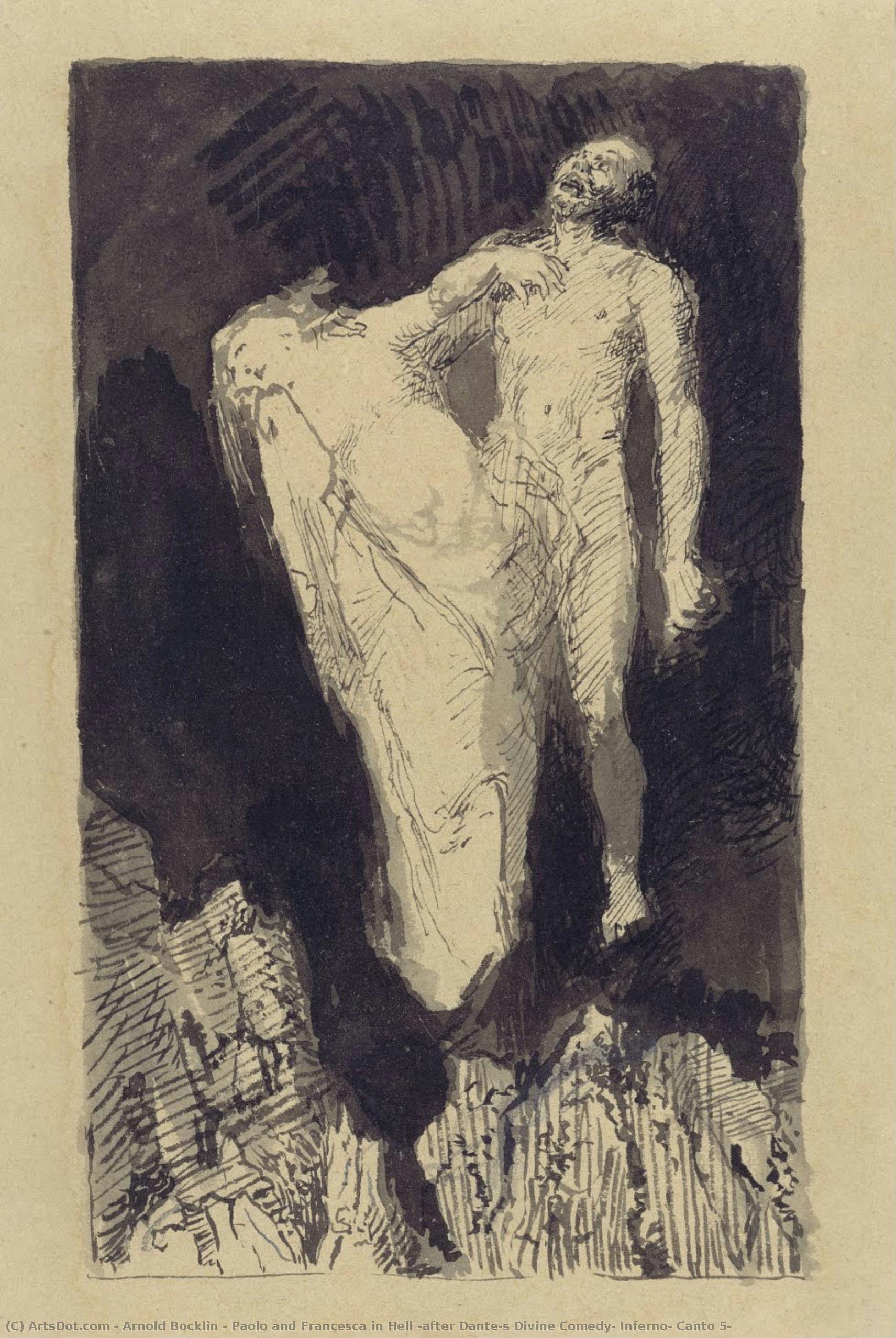
Paolo and Francesca in Hell (after Dante’s Divine Comedy, Inferno, Canto 5)
 Acrylic On Canvas
- WallArt
- Symbolist Painting
 14.0 x 22.0 cm
 Kupferstichkabinett
 Pročitaj više
Ručno rađena uljana reprodukcija
Ručno oslikano uljanim bojama na platnu u dimenzijama i okviru po vašem izboru, izrađeno po porudžbini od strane naših umetnika. ( Kupi print Kupi digitalnu sliku)




P118B $10

P118H $10

P118W $10

P438Z $10

P508JH $12

P508YH $12

P805H $10

P805Z $10

P919BZ $10

P919G $10

P919XJ $10

P959ZH $10

P968JZ $12

W106C $8

W218G $10

W218JH $8

W218Y $10

W307PJ $10

W316G $10

W316PJ $8

W316Y $10

W398PJ $8

W4111J $10

W500HY $15

W500JH $15

W692G $12

W849H $8

W940BG $15

W953PJ $8




Izaberite jednu od naših unapred definisanih veličina koje odgovaraju originalnim proporcijama umetničkog dela.

Можете унети сопствене димензије како бисте прилагодили дело одређеном оквиру или простору. Ако одабрана величина не одговара пропорцијама оригинала, слика ће бити исечена или проширена додатним елементима који се ручно насликавају. Дигитални prikaz ће вам бити послат на одобрење пре почетка производње.
Имајте на уму да преглед на екрану не одражава стварно исецање или проширење. Само приказ (mockup) ће тачно приказати коначну композицију.
Иако су доступне прилагођене величине, препоручујемо да одаберете димензију из дефинисане листе како бисте сачували оригиналне пропорције.
Nakon narudžbine, tim ArtsDot.com će klijentu putem e-pošte poslati uputstva i dostaviti prikaz predloženog rešenja
Isporuka širom sveta () za 3/4 nedelje umesto uobičajenih 5 nedelja. (7 септембар). Bez kompromisa po pitanju kvaliteta.

Besplatna ekspresna dostava širom sveta

Visokokvalitetno laneno platno

Kompletno osiguranje transporta

Garancija povraćaja carine i uvoznih dažbina

Garancija vernosti boja

Politika povraćaja u roku od 100 dana (isključivo u slučaju nedostataka)

Garancija povrata novca od 100%

Popust pri grupnoj kupovini
 Opcija sa staklom dostupna je samo za dimenzije manje od 110 cm

Paolo and Francesca in Hell (after Dante’s Divine Comedy, Inferno, Canto 5)
Tehnika reprodukcije
Dimenzije reprodukcije
-


Konačna cena
$ 263
The Haunting Echoes of Love and Loss
Arnold Böcklin's "Paolo and Francesca in Hell" (1893-1895) isn’t merely a depiction of a tragic tale; it’s a profound plunge into the heart of Dante Alighieri’s *Inferno*, rendered with an unsettling beauty that continues to captivate viewers over a century later. Born in Basel, Switzerland, Böcklin was a key figure in the Symbolist movement, a period characterized by its focus on subjective experience and evocative imagery rather than strict realism. He sought to capture not just what he saw, but what he *felt*, drawing heavily from the rich tapestry of mythology, folklore, and the darker currents of the human psyche.
The painting’s genesis lies within Dante's own poetic vision – specifically, Canto V of the *Divine Comedy*. Dante, guided by Virgil through the second circle of hell, encounters Paolo and Francesca, lovers condemned for their adulterous passion. Böcklin masterfully translates this harrowing encounter onto canvas, eschewing a literal representation of the infernal landscape in favor of an intensely symbolic portrayal of despair and regret. The scene unfolds within a swirling vortex of dark blues and purples, suggesting both the tumultuous emotions experienced by the doomed lovers and the chaotic nature of hell itself. The figures are rendered with a haunting ethereal quality, almost dissolving into the surrounding darkness – a visual representation of their lost humanity.
A Study in Contrasting Forms
Böcklin’s technique is deliberately restrained yet powerfully expressive. He employs a meticulous, almost photographic realism in depicting the figures themselves—Paolo and Francesca are rendered with an unnerving detail, capturing every nuance of their anguish. However, he abandons precise rendering for the surrounding environment, opting instead for loose brushstrokes and atmospheric washes that create a sense of instability and unease. The use of charcoal and quill on paper lends the image a tactile quality, as if one could almost feel the cold wind whipping around the lovers’ bodies. Notice how Böcklin utilizes contrasting forms: Paolo's outstretched arms, reaching towards Francesca, are juxtaposed against her slumped posture, conveying a desperate yearning for connection amidst overwhelming despair.
- Color Palette: Dominated by deep blues, purples, and blacks, evoking the darkness of hell.
- Brushwork: Loose and expressive, creating an atmospheric effect.
- Medium: Quill and brush on paper – contributing to a tactile quality.
Symbolism and Dante’s Moral Lesson
Beyond the immediate depiction of Paolo and Francesca's tragic fate, the painting is laden with symbolic meaning. The swirling winds represent the destructive force of their illicit love, while the desolate landscape mirrors the spiritual emptiness they have embraced. Crucially, Böcklin doesn’t simply portray a romantic tragedy; he embodies Dante’s moral lesson: that earthly passions, unchecked by virtue and reason, lead to eternal damnation. Francesca's poignant speech – as recounted in *Inferno* – highlights her refusal to accept responsibility for her actions, attributing her downfall entirely to the irresistible power of love. This echoes a central theme within the *Divine Comedy*: the importance of free will and the consequences of succumbing to temptation.
A Timeless Portrait of Despair
“Paolo and Francesca in Hell” transcends its historical context, offering a timeless meditation on love, loss, and the inescapable weight of sin. The painting’s enduring power lies not just in its depiction of a specific story from Dante's *Inferno*, but in its ability to evoke a profound sense of melancholy and existential dread. It is a haunting reminder that even the most passionate loves can lead to ruin, and that true happiness resides in aligning one’s desires with virtue and reason. Reproductions of this work continue to resonate deeply, serving as a poignant visual testament to the enduring power of human emotion and the complexities of the human condition.
Srodna umetnička dela
Biografija umetnika
rani život i obrazovanje
Arnold Böcklin, švajcarski simbolistički slikar, rođen je 16. oktobra 1827. godine u Baselu, u Švajcarskoj. Njegov otac, Christian Frederick Böcklin, poticao je iz stare porodice iz Šafauzena i bavio se trgovinom svilom, dok je Arnoldova majka, Ursula Lippe, bila rodom iz istog grada. Svoje umetničko obrazovanje sticao je u akademiji u Diseldorfu pod mentorstvom Širmera, gde je stekao prijateljstvo sa Anselmom Feuerbachom. Böcklin ostaje duboko povezan sa umetničkom školom u Diseldorfu.umetnička karijera i simbolizam
Böcklinovo umetničko putovanje vodilo ga je kroz brojne evropske gradove, uključujući Pariz, gde je radio u Louvru, i Rim, čiji su prizori ostavili neizbrisiv trag na njegovu viziju. Njegova dela često prikazuju alegorijske i mitološke figure smeštene u okruženja koja prožimaju klasičnom arhitekturom, istražujući duboke teme smrti i prolaznosti.- Veliki park, jedno od njegovih najranijih dela, predstavljalo je antičku mitologiju.
- Nimfa i satir (1858) i Safona (1859) bila su značajna dela tog perioda.
- Böcklinov Portret sebe, dok smrt svira violinu (1872) predstavljao je vrhunac njegovog jedinstvenog stila.
nasleđe i uticaj
Böcklin je najpoznatiji po svojih pet verzija dela Ostrvo mrtvih (1880–1886), koje je evociralo englesko groblje u Firenci, gde je sahranjena njegova ćerka. Njegov rad snažno je uticao na mlađe umetnike poput Hansa Thome i inspirisao je brojne kompozitore kasne romantike.- Klement Greenberg je opisao Böcklinovo delo kao "jedan od najsavršenijih izraza" svog vremena.
- Böcklinov stil se preklapao sa predrafaelitima, naglašavajući svet snova i mistike.
muzeji i kolekcije
Böcklinova dela se mogu pronaći u brojnim svetskim muzejima, među kojima su:- Öffentliche Kunstsammlung (Basel, Švajcarska)
- Kunstmuseum Basel (Švajcarska)
- Museum Kunsthaus Zürich (Zürich, Švajcarska)
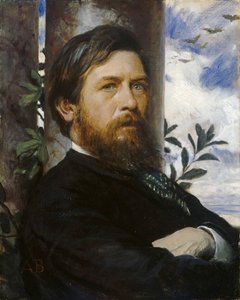
Arnold Böcklin
1827 - 1901 , Švajcarska
Osnovne informacije
- Artistic Movement Or Style: Simbolizam
- Artists Or Movements Influenced By This Artist:
- Hans Thoma
- Pre-rafaeliti
- Artists Who Influenced This Artist:
- Schirmer
- Feuerbach
- Date Of Birth: 16. oktobar 1827.
- Date Of Death: 16. januar 1901.
- Full Name: Arnold Böcklin
- Nationality: Švajcarski
- Notable Artworks:
- Ostrvo mrtvih
- Nimfa i satir
- Safo
- Moj portret
- Place Of Birth: Bazel, Švajcarska
Povezani članci
Dante Gabriel Rossetti: 25 Remek-dela Pre-Raphaelita i Inspiracija za Vaš Dom
Istražite 25 remek-dela Dante Gabriel Rossettija, ikone Pre-Raphaelita! Otkrijte priče iza slika, simbolizam i inspiraciju za vaš dom. Kvalitetne reprodukcije na ArtsDot.com.
Paolo Veronese: A Renaissance Master of Color, Composition, and Venetian Splendor
Explore the vibrant world of Paolo Veronese, a Renaissance master renowned for his opulent compositions, masterful use of color, and dramatic Venetian scenes. Discover key artworks & legacy.
Paolo Uccello: Pioneering Perspective & the Renaissance Pursuit of Visual Truth
Explore the revolutionary art of Paolo Uccello, a Florentine Renaissance master who pioneered perspective. Discover his iconic paintings like 'St. George & The Dragon' and learn about his lasting influence on art history.
Piero della Francesca: Renaissance Perspective, Divine Proportion & the Pursuit of Ideal Form
Explore the revolutionary art of Piero della Francesca – master of perspective, divine proportion & Renaissance humanism. Discover his iconic paintings & lasting influence on art history.
Giovanni Paolo Panini: Capturing Roman Grandeur – A Vedute Master's Legacy
Explore the captivating world of Giovanni Paolo Panini, master of Roman vedute painting. Discover his technique, iconic works, influence on art history & collecting advice from experts at ArtsDot.