

 Pregledaj u prostoru
 Pošalji
 Podeli
 Detalji o delu

 Преузми
 Slični predmeti
 Rendgenski snimak
 Slajdovi
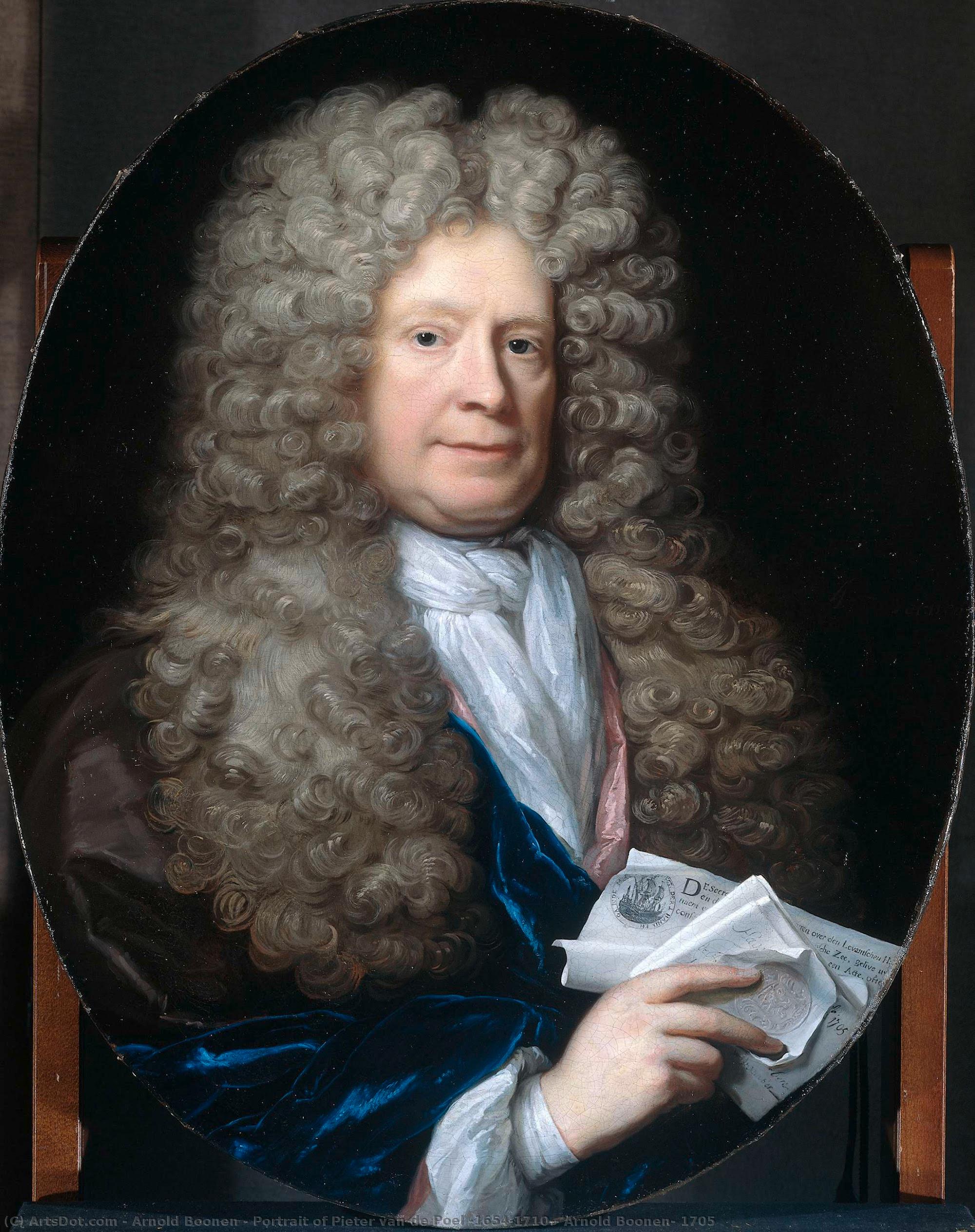
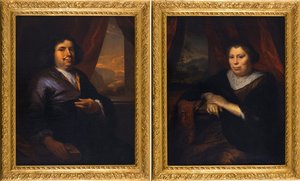
Portrait of Pieter van de Poel (1654-1710), Arnold Boonen, 1705
 Oil On Canvas
- WallArt
- Baroque
 1705
1705- Early Modern
 83.0 x 66.0 cm
 Pročitaj više
Kupite digitalnu sliku visoke rezolucije i poboljšanog kvaliteta, koja je znatno superiornija od onoga što vidite u online prikazu.
Svaka datoteka je pedantno pripremljena od strane naših stručnjaka koristeći napredne alate i profesionalnu ručnu retušu. Osiguravamo da svaka slika ima izuzetnu oštrinu, preciznu reprodukciju boja i fine detalje.
Konačna datoteka se dostavlja putem e-pošte u roku od 72 sata, optimizovana za neposrednu upotrebu u profesionalnim, izdavačkim i štamparskim okruženjima. To je isti kvalitet kojem veruju vrhunski studiji dizajna, izdavači i galerije.
Digitalna slika
Preuzmite datoteku visoke rezolucije za ličnu upotrebu, štampanje i kreativne projekte. ( Kupi print Kupi ručno naslikanu sliku)
Uključeno uz svaku porudžbinu digitalne slike
Profesionalna digitalna isporuka, zagarantovana
Kada odaberete ArtsDot.com, ne dobijate samo sliku – vi primate profesionalno unapređeno digitalno umetničko delo, izrađeno sa najvećom preciznošću i uz garanciju zadovoljstva. Evo svega što automatski dolazi uz vašu porudžbinu:

Brza dostava putem e-pošte
Vaša digitalna slika visoke rezolucije biće vam poslata putem e-pošte u roku od 72 sata od poručivanja – spremna za trenutnu upotrebu.

Digitalna datoteka unapređena veštačkom inteligencijom
Vaše umetničko delo je profesionalno optimizovano korišćenjem naprednih AI alata i ručne obrade, čime se osiguravaju maksimalni detalji, oštrina i preciznost boja.

Besplatna ponovna isporuka doživotno
Slučajno ste obrisali ili izgubili svoju datoteku? Ne brinite – poslaćemo vam je ponovo u bilo kom trenutku, potpuno besplatno.

Bez troškova uvoza – zauvek
Uživajte u svojim umetničkim delima trenutno, bez carine, dažbina ili troškova dostave – digitalni download je uvek bez poreza.

Garancija vernosti boja
Uz pomoć profesionalnih alata i upravljanja bojama, osiguravamo da vaša digitalna slika što vernije odražava originalne boje.

Garancija zadovoljstva u roku od 60 dana
Ako niste zadovoljni svojom digitalnom slikom, revidirat ćemo je ili vratiti 100% novca u roku od 60 dana – bez ikakvih pitanja.

100% garancija povrata novca
Niste zadovoljni? Obezbedite pun povrat novca u roku od 60 dana od trenutka kada ste primili svoju digitalnu datoteku – bez suvišnih pitanja.

Popusti na velike porudžbine
Kupite 3 slike, uštedite 10% - Kupite 5 slika, uštedite 15% - Kupite 10+ slika, uštedite 20%. Odlično za kreativne projekte, galerije i agencije.
Portrait of Pieter van de Poel (1654-1710) by Arnold Boonen - A Glimpse into 18th-Century Dutch Society
- Artist: Arnold Boonen
- Date: 1705
- Medium: Oil on Canvas
- Dimensions: 83 x 66 cm
Subject and Composition
This striking portrait depicts Pieter van de Poel, a prominent figure from the late 17th and early 18th centuries (1654-1710). Arnold Boonen masterfully captures Van de Poel in a half-length view, presenting him with an air of dignity and authority. The composition is carefully balanced; Van de Poel is positioned slightly off-center, drawing the viewer's eye to his face while allowing space for the details of his attire and the document he holds. His direct gaze establishes a connection with the observer, conveying confidence and intelligence. The portrait serves as a visual record of a man of status within Dutch society.
Style and Technique
Boonen’s style is firmly rooted in the tradition of 18th-century Dutch portraiture, characterized by its realism and meticulous attention to detail. The artist demonstrates exceptional skill in rendering textures – from the smooth skin of Van de Poel's face to the voluminous curls of his elaborate grey wig and the crisp folds of his clothing. The use of subtle blending techniques creates a soft, flattering effect, while the careful application of light and shadow defines form and adds depth. The oval framing of the portrait reinforces its formality and contributes to a sense of contained elegance.
Symbolism and Historical Context
Beyond a mere likeness, this portrait offers insights into Van de Poel’s position in society. His attire – a blue coat, white tie, and an impressive wig—signifies wealth and social standing. The document held in his hand is particularly significant; it likely represents his profession or responsibilities, potentially indicating involvement in commerce or governance. The pendant portrait of his wife, Margaretha van de Eeckhout (also painted by Boonen), further emphasizes the importance of this family within their community. This period in Dutch history was marked by prosperity and a flourishing merchant class, and portraits like this served as both personal commemorations and displays of social status.
Emotional Impact and Artistic Legacy
The portrait evokes a sense of quiet dignity and seriousness. Van de Poel’s expression is thoughtful, suggesting intelligence and perhaps a hint of introspection. The overall impression is one of respect and admiration for the sitter. Arnold Boonen's ability to capture not only physical likeness but also an essence of character elevates this work beyond a simple portrait; it becomes a window into the life and times of a notable individual from 18th-century Netherlands, showcasing the skill and artistry of a talented painter.
Srodna umetnička dela



Biografija umetnika
Arnold Boonen: Bridging Genre and Grandeur in 18th-Century Dutch Portraiture
Arnold Boonen (1669-1729) emerges from the vibrant tapestry of the Dutch Golden Age as a skilled and subtly influential portrait painter. Born in Dordrecht, a city steeped in artistic tradition, Boonen’s career unfolded across decades, marked by a fascinating evolution from genre scenes to a distinguished focus on formal portraits – particularly those capturing the personalities of Europe's most prominent figures. While not immediately recognized as a revolutionary force, his meticulous technique, astute observation, and ability to imbue even stately subjects with a sense of humanity cemented his position as one of the leading artists of his day, quietly shaping the visual language of Dutch society.
Boonen’s early artistic training was rooted in the workshop of Arnold Verbuis and later refined under Godefried Schalken. These formative experiences instilled within him a strong foundation in genre painting, a style characterized by its depiction of everyday life – often illuminated by candlelight, as evidenced by his early works. This penchant for capturing scenes bathed in soft light, creating an atmosphere of intimacy and drama, would later inform his approach to portraiture. However, Boonen’s artistic trajectory shifted decisively when he encountered encouragement to pursue portrait painting, a field where his talent truly flourished. He quickly demonstrated an aptitude for capturing the likenesses of his subjects with remarkable accuracy and sensitivity.
A Master of Light and Detail
Boonen's technical prowess is immediately apparent in his portraits. He possessed an exceptional eye for color, meticulously blending hues to achieve a luminous quality that brought his subjects to life. His compositions were carefully balanced, utilizing light and shadow to sculpt the forms and emphasize key features. Unlike some of his contemporaries who favored overly elaborate or theatrical displays, Boonen’s approach was characterized by restraint and elegance. He skillfully rendered fabrics, textures, and details – from the lace collars of noblewomen to the intricate patterns of court attire – with a level of precision that spoke volumes about his dedication to realism.
A key element of Boonen's style was his ability to capture not just physical likenesses but also the personalities of his subjects. He wasn’t merely reproducing appearances; he sought to convey character, mood, and even subtle expressions. This is particularly evident in his portraits of Peter the Great, a commission that showcased his talent for portraying powerful figures with both authority and a hint of human vulnerability. His ability to translate complex political and social dynamics into visual form made him highly sought after by European courts.
Notable Portraits and Influences
Boonen’s most celebrated works include portraits of prominent figures such as Margaretha van de Eeckhout, the wife of Pieter van de Poel, and Jan van Huysum, a renowned organist. These paintings demonstrate his mastery of capturing the elegance and sophistication of 18th-century Dutch society. The portrait of Margaretha van de Eeckhout, in particular, is notable for its dramatic lighting and evocative portrayal of the subject’s personality. Similarly, Boonen's depiction of Jan van Huysum showcases his ability to render intricate details with remarkable skill – from the musician’s instruments to the folds of his clothing.
Boonen was influenced by a number of artists, including Godefried Schalken, whose style he initially adopted. However, he quickly developed his own distinctive voice, blending genre painting techniques with refined portraiture. His work also reflects the influence of other Dutch masters, such as Rembrandt van Rijn and Frans Hals, particularly in his use of light and shadow and his ability to capture the essence of his subjects.
Legacy and Historical Significance
Despite not achieving widespread fame during his lifetime, Arnold Boonen’s contribution to Dutch portraiture is undeniable. He played a crucial role in shaping the visual culture of the 18th century, providing portraits for European royalty, nobility, and prominent citizens. His meticulous technique, astute observation, and ability to capture both physical likenesses and personalities made him one of the most sought-after artists of his day.
Boonen’s legacy endures through his surviving works, which are now housed in museums and private collections around the world. His paintings offer a valuable glimpse into the lives and times of 18th-century Europe, revealing the elegance, sophistication, and political complexities of the era. He stands as a testament to the enduring power of portraiture – not merely as a means of recording likenesses, but as a vehicle for conveying character, status, and ultimately, the human spirit.
arnold boonen
1669 - 1729 , Netherlands
Kratke činjenice
- Artistic Movement Or Style: Portraiture, Genre painting
- Artists Or Movements Influenced By This Artist: ['Dutch Golden Age']
- Artists Who Influenced This Artist:
- Arnold Verbuis
- Godefried Schalken
- Date Of Birth: 16 December 1669
- Date Of Death: 2 October 1729
- Full Name: Arnold van Boonen
- Nationality: Dutch
- Notable Artworks:
- Portrait of Margaretha...
- Portrait of Jan van Huysum
- Place Of Birth: Dordrecht, Netherlands

