 Pregledaj u prostoru
 Pošalji
 Podeli
 Detalji o delu

 Преузми
 Slični predmeti
 Rendgenski snimak
 Slajdovi
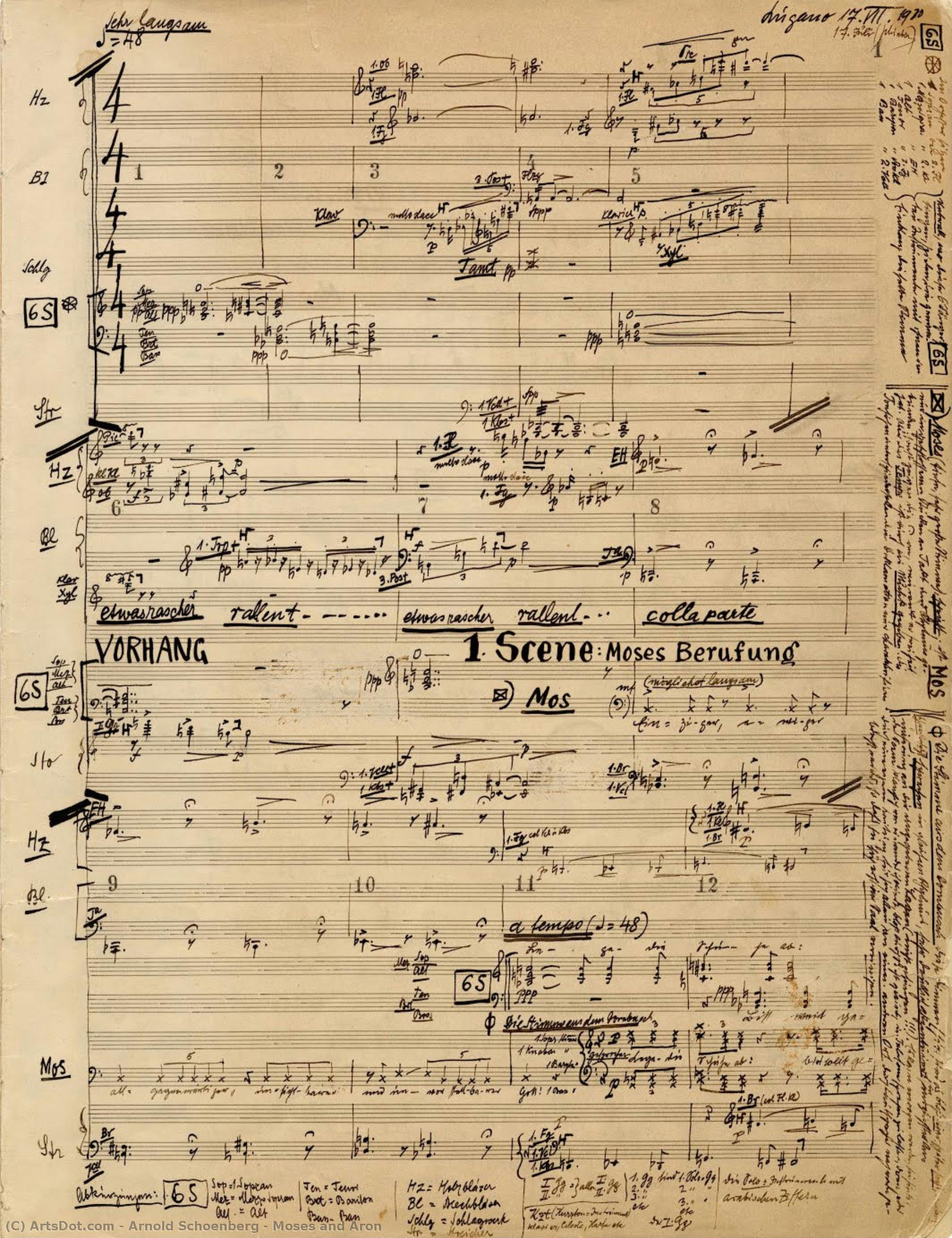
Moses and Aron
 Acrylic On Canvas
- WallArt
- Expressionist Modernism
 1930
1930- 19th Century
 27.0 x 35.0 cm
 Arnold Schönberg Center
 Pročitaj više
Ručno rađena uljana reprodukcija
Ručno oslikano uljanim bojama na platnu u dimenzijama i okviru po vašem izboru, izrađeno po porudžbini od strane naših umetnika. ( Kupi print Kupi digitalnu sliku)




P118B $10

P118H $10

P118W $10

P438Z $10

P508JH $12

P508YH $12

P805H $10

P805Z $10

P919BZ $10

P919G $10

P919XJ $10

P959ZH $10

P968JZ $12

W106C $8

W218G $10

W218JH $8

W218Y $10

W307PJ $10

W316G $10

W316PJ $8

W316Y $10

W398PJ $8

W4111J $10

W500HY $15

W500JH $15

W692G $12

W849H $8

W940BG $15

W953PJ $8




Izaberite jednu od naših unapred definisanih veličina koje odgovaraju originalnim proporcijama umetničkog dela.

Можете унети сопствене димензије како бисте прилагодили дело одређеном оквиру или простору. Ако одабрана величина не одговара пропорцијама оригинала, слика ће бити исечена или проширена додатним елементима који се ручно насликавају. Дигитални prikaz ће вам бити послат на одобрење пре почетка производње.
Имајте на уму да преглед на екрану не одражава стварно исецање или проширење. Само приказ (mockup) ће тачно приказати коначну композицију.
Иако су доступне прилагођене величине, препоручујемо да одаберете димензију из дефинисане листе како бисте сачували оригиналне пропорције.
Nakon narudžbine, tim ArtsDot.com će klijentu putem e-pošte poslati uputstva i dostaviti prikaz predloženog rešenja
Isporuka širom sveta () za 3/4 nedelje umesto uobičajenih 5 nedelja. (6 септембар). Bez kompromisa po pitanju kvaliteta.

Besplatna ekspresna dostava širom sveta

Visokokvalitetno laneno platno

Kompletno osiguranje transporta

Garancija povraćaja carine i uvoznih dažbina

Garancija vernosti boja

Politika povrata u roku od 100 dana (samo u slučaju nedostataka)

Garancija povrata novca od 100%

Popust pri grupnoj kupovini
 Opcija sa staklom dostupna je samo za dimenzije manje od 110 cm

Moses and Aron
Tehnika reprodukcije
Dimenzije reprodukcije
-


Konačna cena
$ 263
A Fragment of Divine Discord: Schönberg’s “Moses und Aron”
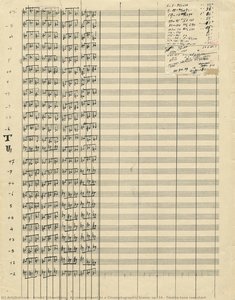
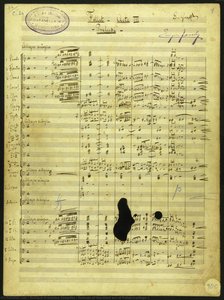
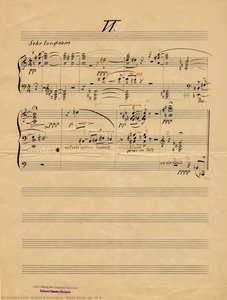
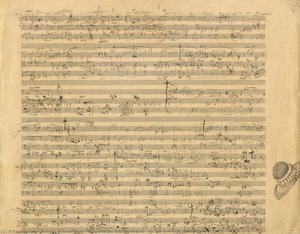
This meticulously rendered hand-painted reproduction captures a poignant fragment – a music sheet – from Arnold Schoenberg's ambitious opera, "Moses und Aron," completed in 1930. More than just musical notation, this document embodies the very heart of Schoenberg’s revolutionary exploration of faith, doubt, and the struggle between abstract thought and earthly desire. The image itself is deceptively simple: a close-up view of handwritten German music, scattered with notes and annotations, yet it speaks volumes about a composer wrestling with profound philosophical and religious questions. The sheet's aged appearance – dating back to 1930 – immediately grounds the artwork in its historical context, hinting at the intense creative process that birthed one of the most significant works in modern music.
A Symphony of Contradiction
Schoenberg conceived “Moses und Aron” as a dramatic exploration of the biblical story of the giving of the Ten Commandments. However, he wasn’t simply transcribing a religious text; he was dissecting it, analyzing its inherent contradictions. The opera juxtaposes the austere pronouncements of Moses – representing pure, unwavering thought and divine revelation – with the more pragmatic, almost materialistic concerns of Aron, his brother. This dynamic is powerfully visualized in the music sheet itself: the dense, complex notation reflecting Moses’ intellectual rigor while the scattered markings suggest Aron's preoccupation with earthly details. The unusual instrumentation—an enlarged orchestra combined with instruments like the harp, celesta, and mandolines – further underscores this deliberate contrast, creating a sonic landscape that mirrors the operatic drama.
Technique and Detail: A Window into Schoenberg’s Process
- Handwritten Notation: The reproduction faithfully captures the character of Schoenberg's original handwritten score. The varying penmanship, annotations, and markings reflect his iterative process of composition and refinement.
- Material Texture: Subtle textures have been meticulously rendered to simulate the feel of aged paper and ink, adding a layer of realism and historical authenticity to the artwork.
- Color Palette: A muted palette of browns, creams, and grays evokes the atmosphere of a composer’s study, emphasizing the intellectual and contemplative nature of the work.
Symbolism and Emotional Resonance
Beyond its technical aspects, this reproduction offers a powerful symbolic representation of artistic struggle. The fragmented sheet suggests the incomplete nature of human understanding, mirroring Schoenberg’s own grappling with complex theological and philosophical ideas. The act of studying the music evokes a sense of intimacy and invites the viewer to contemplate the profound questions at the heart of the opera: Can reason alone comprehend the divine? What is the relationship between faith and doubt? The image resonates with an emotional intensity, capturing the tension between aspiration and limitation, idealism and pragmatism – qualities that define both Schoenberg’s genius and the enduring power of “Moses und Aron.”
Srodna umetnička dela
Biografija umetnika
Rano doba i muzički počeci
Arnold Šonberg, austrijsko-američki kompozitor, rođen je 13. septembra 1874. godine u Beču, u Austriji. Njegovo rano detinjstvo obeležili su skromni počeci, jer je njegov otac bio vlasnik prodavnice obuće. Uprkos tome, Šonbergova urođena strast prema muzici navela ga je da se u toj oblasti uglavnom samobrazuje.Muzička evolucija i značajna dela
Šonbergova rana dela, poput kompozicije Verklärte Nacht (1899), pokazivala su sintezu Brahmsovog i Wagnerovog stila. Kako je napredovao, postao je centralna figura Druge bečke škole, zajedno sa Anton Webernom i Alban Bergom. Njegove kompozicije, uključujući Gudački kvartet br. 2 (1907–1908), Erwartung (1909) i Pierrot Lunaire (1912), predstavljale su njegov inovativni pristup atonality.Podučavanje, emigracija i kasniji život
Šonberg je podneo ostavku iz Pruske akademije umetnosti 1933. godine zbog uspona nacista na vlast, koji su njegovu muziku označili kao „degenerisanu“. Nakon toga je predavao u SAD, uključujući Univerzitet Kalifornije u Los Anđelesu (1936–1944), gde su mnogi objekti nazvani po njemu u znak počasti. [https://ArtsDot.com/@/arnold-sacijaenberg](otkrijte više o Šonbergovom životu i delima na ArtsDot).- Šonberg je istraživao filmsku muziku i pisao tonalniju muziku, završivši svoju kamernu simfoniju br. 2 u 1939. godini.
- Satiričario je fašističke tirane u delu Oda Napoleonu (1942), inspirisan Bajronom.
- Posleratni Beč ponudio mu je počasno građanstvo, ali bio je bolestan, što je prikazano u njegovom gudačkom trio (1946).
Nasleđe i uticaj
Dok je svet saznavao za Holokaust, Šonberg je ovekovečio njegove žrtve u delu Preživeli iz Varšave (1947). Izraelska konzervatorijum i akademija muzike izabrali su ga za počasnog predsednika 1951. godine. [https://ArtsDot.com/@@/a@d3bqc7-the-museum-destroyed-by-fire-(united-states)](saznajte više o uticaju njegovog rada na ArtsDot). Ključne tačke:- Šonbergova inovativna muzika bila je među najuticajnijim i najkontroverznijim delima klasične muzike 20. veka.
- Najmanje tri generacije kompozitora proširilo je njene formalne principe.
- Njegovi estetski i muziko-istorijski stavovi uticali su na muzikologe Teodora W. Adorna i Karla Dahlhausa.
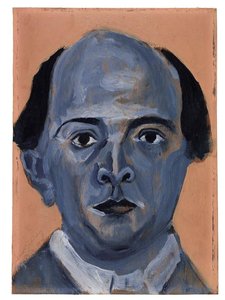
Arnold Šonberg
1874 - 1951 , Austrija
Osnovne informacije
- Artistic Movement Or Style: Dvanaestotonna tehnika; Ekspresionizam
- Artists Or Movements Influenced By This Artist:
- Anton Vebern
- Alban Berg
- Artists Who Influenced This Artist:
- Johannes Brahms
- Richard Wagner
- Date Of Birth: 13. septembar 1874.
- Date Of Death: 1951.
- Full Name: Arnold Šonberg
- Nationality: Austroamerički
- Notable Artworks:
- Svita, op. 29
- Muzička pisaća mašina
- Staffliner
- Place Of Birth: Beč, Austrija
Povezani članci
Harmonies on Canvas: Exploring the Visual Representation of Music in Art History
Explore the fascinating history of music's visual representation in art! From ancient symbolism to modern abstraction, discover how artists have captured sound and emotion on canvas. Expert insights & stunning examples.
Top 25 dela sa Bijenala u Veneciji: Umetnička remekapela za vaš dom | ArtsDot.com
Istražite 25 remekapela sa Bijenala u Veneciji! Otkrijte priče iza poznatih slikara, stilova i tehnika. Reprodukcije slika vrhunskog kvaliteta za dekoraciju enterijera. Inspiracija & kupovina na ArtsDot.com

Beyond Symbolism: Exploring the Spiritual Landscapes of Mikalojus Konstantinas Čiurlionis's Art
Explore the captivating world of Mikalojus Konstantinas Čiurlionis, a pioneer of abstract art. Discover his unique blend of music and painting, spiritual themes, and lasting influence on Lithuanian culture. Learn more at ArtsDot.