 Pregledaj u prostoru
 Pošalji
 Podeli
 Detalji o delu

 Преузми
 Slični predmeti
 Rendgenski snimak
 Slajdovi
 Stats
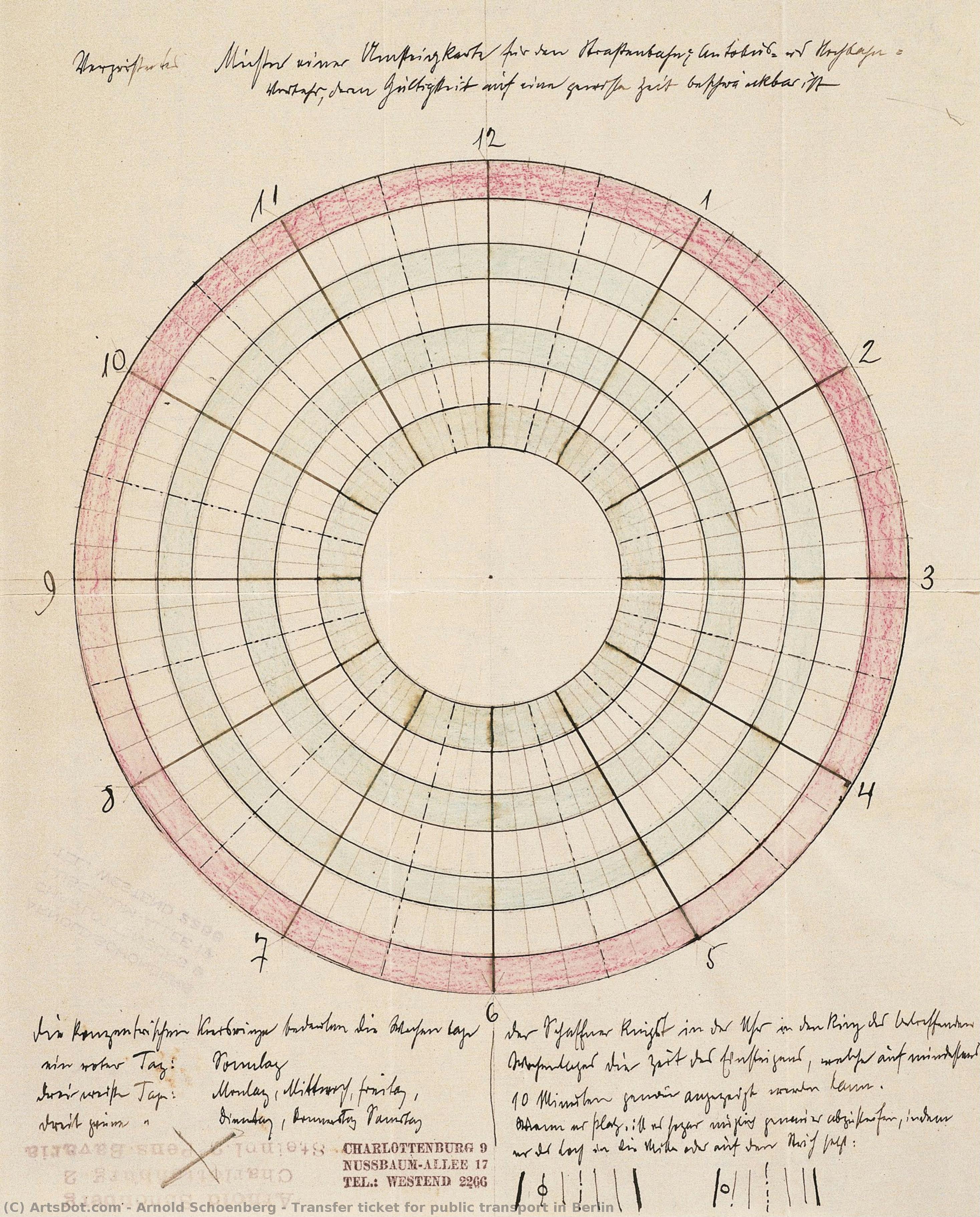
StatsTransfer ticket for public transport in Berlin
 Acrylic On Canvas
- WallArt
- Expressionist Modernism
 1927
1927 21.0 x 26.0 cm
 Arnold Schönberg Center
 Pročitaj više
Ručno rađena uljana reprodukcija
Ručno oslikano uljanim bojama na platnu u dimenzijama i okviru po vašem izboru, izrađeno po porudžbini od strane naših umetnika. ( Switch to Print Switch to Digital Image)




P118B $10

P118H $10

P118W $10

P438Z $10

P508JH $12

P508YH $12

P805H $10

P805Z $10

P919BZ $10

P919G $10

P919XJ $10

P959ZH $10

P968JZ $12

W106C $8

W218G $10

W218JH $8

W218Y $10

W307PJ $10

W316G $10

W316PJ $8

W316Y $10

W398PJ $8

W4111J $10

W500HY $15

W500JH $15

W692G $12

W849H $8

W940BG $15

W953PJ $8




Izaberite jednu od naših unapred definisanih veličina koje odgovaraju originalnim proporcijama umetničkog dela.

Можете унети сопствене димензије како бисте прилагодили дело одређеном оквиру или простору. Ако одабрана величина не одговара пропорцијама оригинала, слика ће бити исечена или проширена додатним елементима који се ручно насликавају. Дигитални prikaz ће вам бити послат на одобрење пре почетка производње.
Имајте на уму да преглед на екрану не одражава стварно исецање или проширење. Само приказ (mockup) ће тачно приказати коначну композицију.
Иако су доступне прилагођене величине, препоручујемо да одаберете димензију из дефинисане листе како бисте сачували оригиналне пропорције.
Nakon narudžbine, tim ArtsDot.com će klijentu putem e-pošte poslati uputstva i dostaviti prikaz predloženog rešenja
Isporuka širom sveta () za 3/4 nedelje umesto uobičajenih 5 nedelja. (8 септембар). Bez kompromisa po pitanju kvaliteta.

Besplatna ekspresna dostava širom sveta

Visokokvalitetno laneno platno

Kompletno osiguranje transporta

Garancija povraćaja carine i uvoznih dažbina

Garancija vernosti boja

Politika povraćaja u roku od 100 dana (isključivo u slučaju nedostataka)

Garancija povrata novca od 100%

Popust pri grupnoj kupovini
 Opcija sa staklom dostupna je samo za dimenzije manje od 110 cm

Transfer ticket for public transport in Berlin
Tehnika reprodukcije
Dimenzije reprodukcije
-


Konačna cena
$ 263
A Functional Masterpiece: Arnold Schönberg’s Revolutionary Berlin Transport Ticket
This meticulously crafted hand-painted reproduction captures a pivotal moment in design history – the 1927 transfer ticket for the Berlin tram system, conceived by the visionary composer Arnold Schönberg. Far more than simply a means of payment, this circular artifact represents a radical shift towards efficiency and user experience, anticipating modern transit systems by nearly a century. Schönberg’s design wasn't born from artistic indulgence; it stemmed from a pragmatic desire to streamline urban travel, reflecting his broader interest in improving infrastructure through machine-like precision.
- The Innovation: The ticket’s ingenious concentric circles delineate the days of the week, while radial lines mark the hours, eliminating the need for cumbersome individual tickets. This system allowed passengers to seamlessly transfer between trams simply by indicating their departure and arrival times – a concept remarkably forward-thinking for its time.
- A Brief Encounter: Schönberg’s design was submitted to the Berlin tram company in January 1927, accompanied by a terse letter suggesting further refinements if needed. Despite his brilliance, the company seemingly lacked the vision to fully embrace his innovative approach, marking a poignant footnote to this remarkable creation.
A Symphony of Form and Function
The artwork itself is a testament to Schönberg’s meticulous attention to detail. The drawing, rendered with impressive precision, showcases a circle dominated by numerical markings arranged in a deliberate pattern. A bold red border frames the design, immediately drawing the eye and emphasizing its importance. The arrangement of numbers – representing days and hours – creates a visually compelling map, subtly guiding the viewer through the complexities of Berlin’s tram network. The use of clear lines and geometric shapes speaks to Schönberg's interest in rational design principles, reflecting his background as a composer focused on structure and order.
Historical Context: Vienna’s Creative Crucible
Born in Vienna in 1874, Arnold Schönberg was a central figure in the vibrant artistic scene of early 20th-century Austria. Initially influenced by Brahms and Wagner, he later pioneered atonality – a revolutionary approach to music that abandoned traditional tonal harmony. This experimentation with unconventional structures mirrored his design thinking; he sought to break free from established norms and create something entirely new. Schönberg’s relocation to the United States during the rise of Nazism further cemented his legacy as a champion of innovation and artistic freedom.
Symbolic Resonance & Emotional Impact
Beyond its functional purpose, the ticket evokes a sense of movement, connection, and progress. The circular form symbolizes completeness and cyclical time – mirroring the continuous flow of urban life. The meticulous design speaks to Schönberg’s belief in order and efficiency, while also hinting at the potential for unexpected journeys and discoveries. This reproduction offers a tangible link to a moment of creative brilliance, inviting contemplation on the intersection of art, technology, and human experience.
Srodna umetnička dela
Biografija umetnika
Rano doba i muzički počeci
Arnold Šonberg, austrijsko-američki kompozitor, rođen je 13. septembra 1874. godine u Beču, u Austriji. Njegovo rano detinjstvo obeležili su skromni počeci, jer je njegov otac bio vlasnik prodavnice obuće. Uprkos tome, Šonbergova urođena strast prema muzici navela ga je da se u toj oblasti uglavnom samobrazuje.Muzička evolucija i značajna dela
Šonbergova rana dela, poput kompozicije Verklärte Nacht (1899), pokazivala su sintezu Brahmsovog i Wagnerovog stila. Kako je napredovao, postao je centralna figura Druge bečke škole, zajedno sa Anton Webernom i Alban Bergom. Njegove kompozicije, uključujući Gudački kvartet br. 2 (1907–1908), Erwartung (1909) i Pierrot Lunaire (1912), predstavljale su njegov inovativni pristup atonality.Podučavanje, emigracija i kasniji život
Šonberg je podneo ostavku iz Pruske akademije umetnosti 1933. godine zbog uspona nacista na vlast, koji su njegovu muziku označili kao „degenerisanu“. Nakon toga je predavao u SAD, uključujući Univerzitet Kalifornije u Los Anđelesu (1936–1944), gde su mnogi objekti nazvani po njemu u znak počasti. [https://ArtsDot.com/@/arnold-sacijaenberg](otkrijte više o Šonbergovom životu i delima na ArtsDot).- Šonberg je istraživao filmsku muziku i pisao tonalniju muziku, završivši svoju kamernu simfoniju br. 2 u 1939. godini.
- Satiričario je fašističke tirane u delu Oda Napoleonu (1942), inspirisan Bajronom.
- Posleratni Beč ponudio mu je počasno građanstvo, ali bio je bolestan, što je prikazano u njegovom gudačkom trio (1946).
Nasleđe i uticaj
Dok je svet saznavao za Holokaust, Šonberg je ovekovečio njegove žrtve u delu Preživeli iz Varšave (1947). Izraelska konzervatorijum i akademija muzike izabrali su ga za počasnog predsednika 1951. godine. [https://ArtsDot.com/@@/a@d3bqc7-the-museum-destroyed-by-fire-(united-states)](saznajte više o uticaju njegovog rada na ArtsDot). Ključne tačke:- Šonbergova inovativna muzika bila je među najuticajnijim i najkontroverznijim delima klasične muzike 20. veka.
- Najmanje tri generacije kompozitora proširilo je njene formalne principe.
- Njegovi estetski i muziko-istorijski stavovi uticali su na muzikologe Teodora W. Adorna i Karla Dahlhausa.
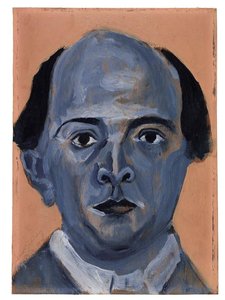
Arnold Šonberg
1874 - 1951 , Austrija
Osnovne informacije
- Artistic Movement Or Style: Dvanaestotonna tehnika; Ekspresionizam
- Artists Or Movements Influenced By This Artist:
- Anton Vebern
- Alban Berg
- Artists Who Influenced This Artist:
- Johannes Brahms
- Richard Wagner
- Date Of Birth: 13. septembar 1874.
- Date Of Death: 1951.
- Full Name: Arnold Šonberg
- Nationality: Austroamerički
- Notable Artworks:
- Svita, op. 29
- Muzička pisaća mašina
- Staffliner
- Place Of Birth: Beč, Austrija
Povezani članci
25 Remek-dela iz Državnih Muzeja Berlina: Umetnička Baština za Vaš Dom
Istražite 25 remek-dela Državnih muzeja Berlina! Otkrijte priče iza Nefertiti, slika iz Pergama i drugih ikona umetnosti. Inspiracija za dekoraciju enterijera & reprodukcije vrhunskog kvaliteta na ArtsDot.com.
The Enduring Legacy of Printmaking: Techniques, Themes & Artistic Innovation Across Centuries
Explore the rich history of printmaking with ArtsDot. Discover techniques from intaglio to lithography, learn about collecting valuable prints & find museum-quality reproductions. Expert insights for art enthusiasts and collectors.

The Enduring Legacy of Fine Art Prints: Technique, History & Aesthetic Impact
Explore the rich history & techniques of fine art prints. Discover investment potential, assess authenticity, and learn how to preserve your collection with expert guidance. Trusted insights for discerning collectors.

Echoes of Time: Exploring the Enduring Appeal & Historical Context of Vintage Art Prints
Explore the captivating world of vintage art prints! Discover their history, collecting tips & enduring appeal. Expert insights on chromolithography and building a legacy collection with ArtsDot.

Giclée Prints: Archival Quality & Aesthetic Nuances for the Discerning Collector
Explore the world of giclée prints with ArtsDot. Learn about archival quality, aesthetic nuances & investment potential. Expert guidance for discerning art collectors seeking museum-quality reproductions and lasting value.