 Pregledaj u prostoru
 Pošalji
 Podeli
 Detalji o delu

 Преузми
 Slični predmeti
 Rendgenski snimak
 Slajdovi
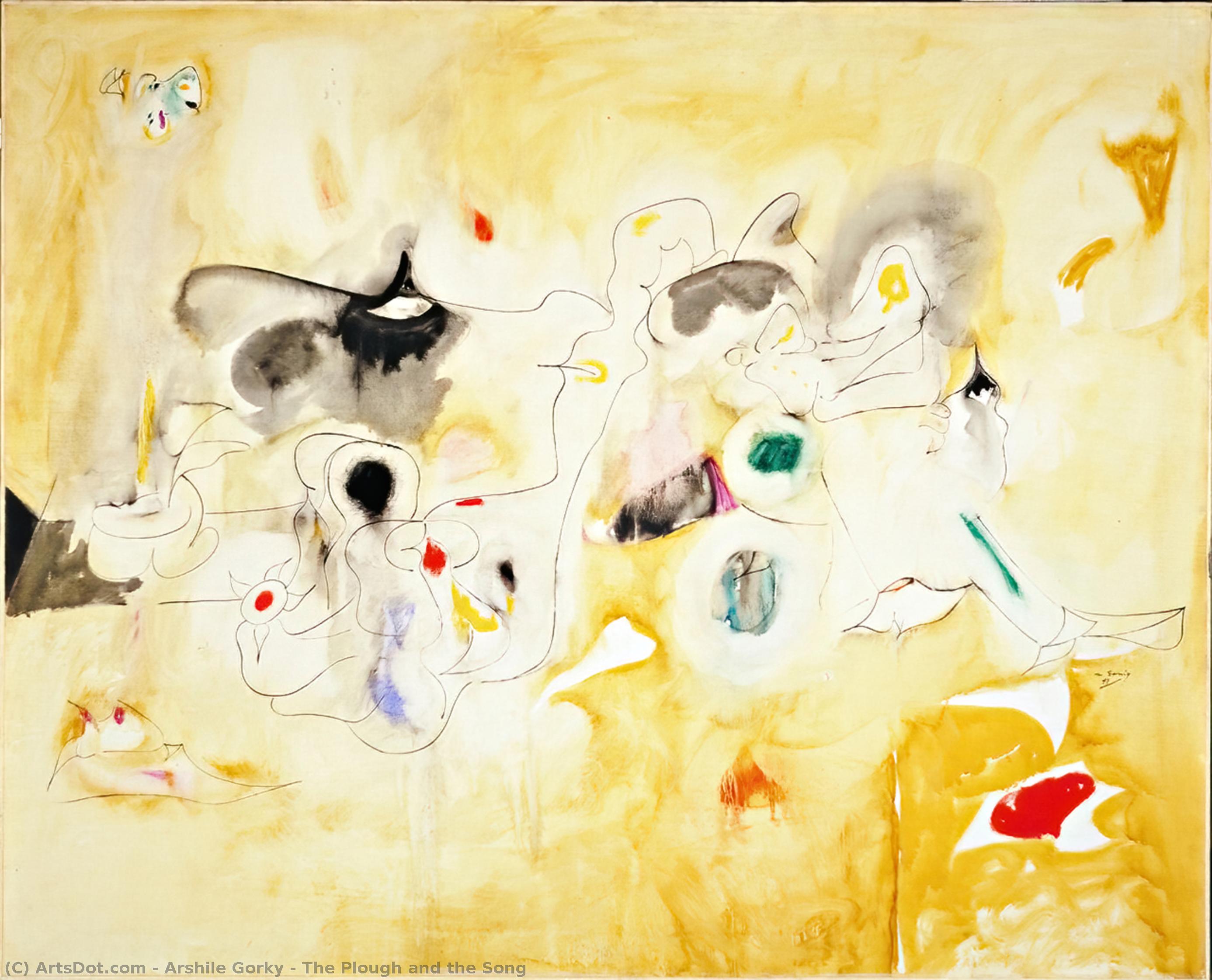
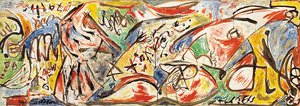
The Plough and the Song
 Oil On Canvas
- WallArt
- Abstract Expressionism
 1947
1947- Modern
 159.0 x 128.0 cm
 Pročitaj više
Ručno rađena uljana reprodukcija
Ručno oslikano uljanim bojama na platnu u dimenzijama i okviru po vašem izboru, izrađeno po porudžbini od strane naših umetnika. ( Kupi print Kupi digitalnu sliku)




































Izaberite jednu od naših unapred definisanih veličina koje odgovaraju originalnim proporcijama umetničkog dela.

Можете унети сопствене димензије како бисте прилагодили дело одређеном оквиру или простору. Ако одабрана величина не одговара пропорцијама оригинала, слика ће бити исечена или проширена додатним елементима који се ручно насликавају. Дигитални prikaz ће вам бити послат на одобрење пре почетка производње.
Имајте на уму да преглед на екрану не одражава стварно исецање или проширење. Само приказ (mockup) ће тачно приказати коначну композицију.
Иако су доступне прилагођене величине, препоручујемо да одаберете димензију из дефинисане листе како бисте сачували оригиналне пропорције.
Nakon narudžbine, tim ArtsDot.com će klijentu putem e-pošte poslati uputstva i dostaviti prikaz predloženog rešenja
Isporuka širom sveta () za 3/4 nedelje umesto uobičajenih 5 nedelja. (7 септембар). Bez kompromisa po pitanju kvaliteta.

Besplatna ekspresna dostava širom sveta

Visokokvalitetno laneno platno

Kompletno osiguranje transporta

Garancija povraćaja carine i uvoznih dažbina

Garancija vernosti boja

Politika povraćaja u roku od 100 dana (isključivo u slučaju nedostataka)

Garancija povrata novca od 100%

Popust pri grupnoj kupovini
 Opcija sa staklom dostupna je samo za dimenzije manje od 110 cm

The Plough and the Song
Tehnika reprodukcije
Dimenzije reprodukcije
-


Konačna cena
$ 263
A Symphony of Memory and Form
In the vast, swirling landscape of Abstract Expressionism, few works resonate with as much raw, biographical intensity as Arshile Gorky’s The Plough and the Song. Created in 1947, this monumental masterpiece serves as a bridge between the structured logic of Cubism and the fluid, emotive depths of Surrealism. At first glance, the canvas presents a complex web of biomorphic shapes and delicate, organic lines that seem to pulse with an internal life. The composition is a breathtaking dance of color and form, where the boundaries between the physical world and the subconscious mind begin to dissolve. For the discerning collector or interior designer, this piece offers more than mere decoration; it provides a profound focal point that invites deep contemplation and emotional resonance.
The subject matter of the painting is an intricate tapestry woven from the threads of Gorky’s own turbulent history. While the work is undeniably abstract, there is a hauntingly beautiful presence of figures and fauna scattered throughout the composition. One can discern the silhouettes of people in various states of repose—some standing as sentinels within the chaos, others reclining as if lost in a dream. Interspersed among these human forms are birds, captured in mid-flight or perched precariously, adding a sense of kinetic energy and fragile life to the scene. These elements act as symbols of both freedom and the weight of existence, mirroring the artist's own journey through displacement and rebirth.
The Alchemy of Technique and Emotion
Gorky’s technique in The Plough and the Song is nothing short of alchemical. He utilizes a sophisticated layering process that creates a sense of immense depth, as if one is peering through layers of translucent memory. The brushwork varies from delicate, calligraphic strokes to broader, more gestural applications, allowing the eye to wander through a labyrinth of textures. This mastery of medium allows for a unique interplay of light and shadow, where certain hues seem to glow from beneath the surface while others recede into a mysterious, atmospheric gloom. It is this very tension—between the visible and the hidden—that gives the painting its enduring power.
To possess a high-quality reproduction of this work is to bring a piece of art history's most poignant emotional landscapes into one's personal space. The painting carries an inherent gravity, making it an ideal centerpiece for sophisticated environments that value intellectual depth and aesthetic complexity. Whether placed in a contemporary gallery setting or a curated residential study, The Plough and the Song acts as a window into the soul of an artist who transformed personal tragedy into universal beauty. It is a testament to the resilience of the human spirit and a breathtaking example of how abstraction can communicate the most profound truths of our shared experience.
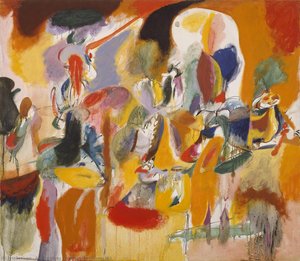
Srodna umetnička dela
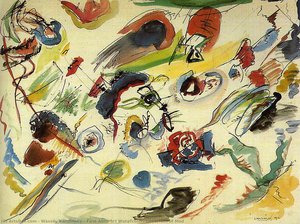
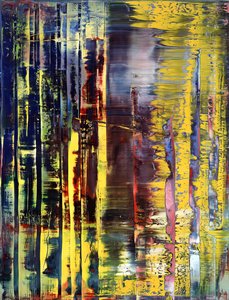
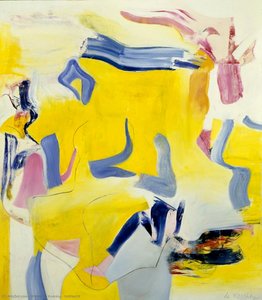
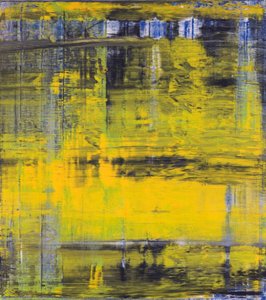
Biografija umetnika
Рани живот и формирање уметника
Аршил Горки, рођен као Востаник Мануг Адојан 15. априла 1904. године у селу Хоргом, Ван (данашња Турска), био је турски сликар арменског порекла који је оставио неизбрисив траг у свету уметности. Његов живот обележиле су немири и расељавање, што је касније снажно утицало на његов уметнички стил. Горкијева рана младост била је засенчена трагичним догађајима Арменског геноцида 1915. године. Његова породица је тада избегла у подручја под руском контролом, а овај потресан догађај је дубоко обликовао његов светски поглед и касније уметничке изразе.
Путовање ка новом свету и први кораци
Године 1920, са шеснаест година, Горки се поново спојио са оцем у Америци, али им је однос остао дистантан. У потрази за новим путем, Востаник Адојан усвојио је име Аршил Горки, симболизујући преображај и жељу да се одмакне од тешкоћа прошлости. Његови рани радови показују утицаје кубизма и постимпресионизма, али су били прожети осећањем туге и носталгије. Горки је похађао школу за лепе примене у Бостону, где је стекао техничке вештине које ће му бити потребне за развој његовог карактеристичног стила.
Еволуција стила: Од фигурације до апстракције
Горкијева уметност прошла је кроз фазу експериментисања, од раних пејзажа инспирисаних Полом Сезаном, као што су Пејзаж у маниру Сезана (1927), до сложенијих и апстрактнијих композиција. Радови настали током 1930-их, попут Ноћно време, Енигма, Носталгија (1930–1934), одражавају утицај надреализма и његову растућу потребу да изрази своје емоције кроз сложене форме и симболе. У овим делима почињу да се појављују биолошки облици, претече његовог каснијег апстрактног стила.
Кључна дела и сарадња
Међу најзначајнијим Горкијевим радовима издваја се Уметник и његова мајка (око 1926–1936), емотивно напуњена композиција инспирисана фотографијом из детињства. Портрет Мастера Била, некада погрешно приписан Вилему де Кунингу, сада се сматра приказом шведског столара који је радио за Горкија. Током 1930-их, Горкијева сарадња са Федералним уметничким пројектом Радног прогреса (WPA) омогућила му је да ради са другим истакнутим уметницима као што су Алис Нил, Ли Краснер, Џексон Полок и Марк Ротко. Овај период је био важан за његов развој и умрежавање у америчкој уметничкој сцени.
Наслеђе и значај у историји уметности
Аршил Горки се сматра једним од пионира апстрактног експресионизма. Његов рад је имао огроман утицај на генерације уметника који су следили, а његове композиције су и данас предмет дивљења и анализе. Горкијева дела се налазе у престижним музејима широм света, укључујући Националну галерију у Вашингтону, Д.Ц., што је сведочанство његовог трајног наслеђа. Истражите Горкијево дело и рад других значајних уметника на ArtsDot. Уроните у свет историје уметности уз опширну хронологију ArtsDot-а: wahoo art timeline.
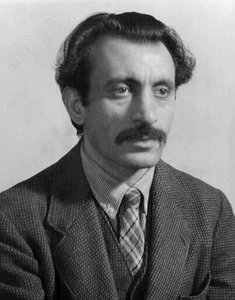
Аршил Горки
1904 - 1948 , Турска
Osnovne informacije
- Artistic Movement Or Style: Apstraktni ekspresionizam
- Artists Or Movements Influenced By This Artist: ['Apstraktni ekspresionizam']
- Artists Who Influenced This Artist:
- Pol Sezan
- Žoan Miro
- Pablo Pikaso
- Date Of Birth: 15. april 1904.
- Date Of Death: 21. jul 1948.
- Full Name: Aršile Gorki
- Nationality: Jermeno-Amerikanac
- Notable Artworks:
- Majstor i majka
- Noćna enigma
- Portret Majstora
- Place Of Birth: Khorgom, Turska
Povezani članci
Kandinsky's Masterpieces: 25 Paintings That Define Abstract Art | ArtsDot
Journey through Wassily Kandinsky's 25 most iconic abstract paintings. Explore his revolutionary use of color, form & spiritual expressionism. Find museum-quality Kandinsky reproductions and elevate your home decor with ArtsDot.com. Discover all masterpieces on ArtsDot.com!
Abstraktni Ekspresionizam: 10 Remek Dela Koja Su Definisala Pokret
Otkrijte 10 remek dela koja su definisala apstraktni ekspresionizam! Istražite dela Pola Krausa, Džejson Poloka i drugih. Saznajte priče iza umetnosti i inspirisanje za dekoraciju doma. Eksplorirajte kolekciju na ArtsDot.com!

Top 10 dela geometrijske apstrakcije koje morate videti | ArtsDot.com
Istražite 10 remek-dela geometrijske apstrakcije – Mondrian, Malevič i Kandinski. Otkrijte priče iza ovih ikoničnih slika i pronađite inspiraciju za dekoraciju enterijera sa ArtsDot.com! Reprodukcije vrhunskog kvaliteta.

Paul Cézanne: 25 Remek-dela Revolucionarnog Umjetnika | ArtsDot
Istražite 25 remek-dela Paula Cézanna, revolucionarnog slikara impresionizma i postimpresionizma. Otkrijte priče iza ikoničnih pejzaža, portreta i mrtve prirode. Kupite luksuzne reprodukcije slika na ArtsDot.com!
25 Remek-dela Joana Miróa: Inspiracija za Umetnost i Dekor Vašeg Doma
Uronite u svet Joana Miróa! Otkrijte 25 remek-dela katalonskog nadrealiste i inspiraciju za moderan enterijer. Reprodukcije slika vrhunskog kvaliteta dostupne na ArtsDot.com. Eksplorišite celu kolekciju online!