 Pregledaj u prostoru
 Pošalji
 Podeli
 Detalji o delu

 Преузми
 Slični predmeti
 Rendgenski snimak
 Slajdovi
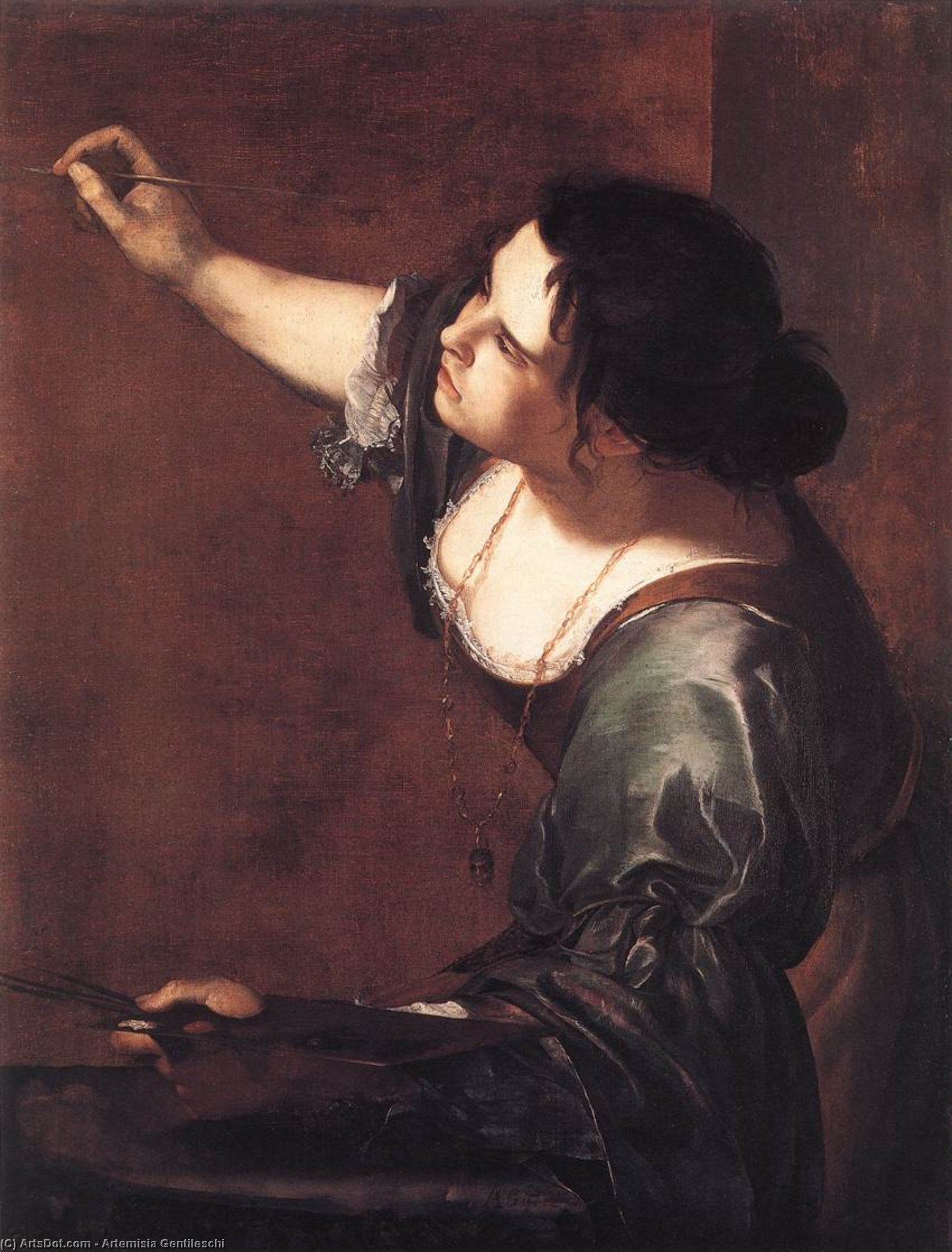
Autoportret kao Alegorija Slikarstva
 Ulje na platnu
- Umetnost za zidove
- Baroque
 1630
1630- Rani modernizam
 96.0 x 73.0 cm
 Royal Collection
 Pročitaj više
Giclee štampa / Umetnički otisak
Giclée štampa ili print na platnu muzejskog kvaliteta uz brzu proizvodnju i fleksibilne opcije završne obrade. ( Kupi ručno naslikanu sliku Kupi digitalnu sliku)




P118B $10

P118H $10

P118W $10

P438Z $10

P508JH $12

P508YH $12

P805H $10

P805Z $10

P919BZ $10

P919G $10

P919XJ $10

P959ZH $10

P968JZ $12

W106C $8

W218G $10

W218JH $8

W218Y $10

W307PJ $10

W316G $10

W316PJ $8

W316Y $10

W398PJ $8

W4111J $10

W500HY $15

W500JH $15

W692G $12

W849H $8

W940BG $15

W953PJ $8




Izaberite jednu od naših unapred definisanih veličina koje odgovaraju originalnim proporcijama umetničkog dela.

Možete uneti sopstvene dimenzije kako biste umetničko delo prilagodili specifičnom okviru ili prostoru. Ako odabrani format ne odgovara proporcijama originalne slike, mi ćemo ili iscrtati deo dela ili proširiti sliku pomoću ogledane ivice ili jednobojnog popunjavanja. Digitalni prikaz će vam biti poslat na odobrenje pre početka proizvodnje.
Imajte na umu da pregled na ekranu ne odražava stvarno iscrtavanje ili proširivanje. Samo će prikaz (mockup) precizno pokazati finalnu kompoziciju.
Iako su prilagođene dimenzije dostupne, preporučujemo da odaberete dimenziju sa unapred definisane liste kako biste očuvali originalne proporcije.
Dostava širom sveta () za 2 nedelje umesto uobičajenih 4/5 nedelja. (22 август)

Besplatna ekspresna dostava širom sveta

Visokokvalitetno laneno platno

Kompletno osiguranje transporta

Garancija povraćaja carine i uvoznih dažbina

Garancija vernosti boja

Politika povrata u roku od 60 dana (samo u slučaju nedostataka)

Garancija povrata novca od 100%

Popust pri grupnoj kupovini
 Opcija sa staklom dostupna je samo za dimenzije manje od 110 cm

Autoportret kao Alegorija Slikarstva
Giclee štampa / Umetnički otisak
Dimenzije reprodukcije
-


Konačna cena
$ 62
Opis predmeta
Autoportret kao Alegorija Slikarstva: Artemizija Đentileski i Izjava o Umetničkoj Identitetu
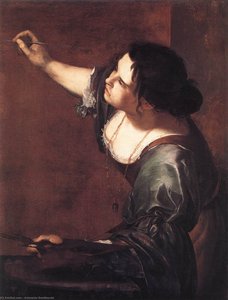
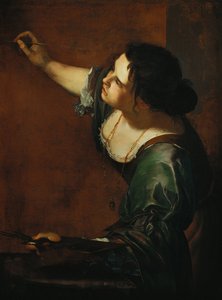
U zapanjujućem autoportretu "Autoportret kao Alegorija Slikarstva", datiranom iz 1630. godine, Artemizija Đentileski ne samo da prikazuje svoj lik, već i upućuje snažnu izjavu o profesionalnom identitetu i umetničkoj ambiciji. Ovo delo, koje se nalazi u kolekciji Kraljevskog Dvorca Vindzor, predstavlja više od pukog portreta; to je revolucionarni korak za ženu slikarku u dobu kada su žene suočavale značajne prepreke na putu do priznanja i profesionalnog napredovanja. Đentileski se ovim delom usudila da zauzme mesto koje je tradicionalno pripadalo muškarcima, izražavajući svoju posvećenost zanatu i nepokolebljiv stav prema svom umetničkom glasu.
Barokna Moć i Majstorstvo Tehnike
Đentileski demonstrira baroknu majstorsku tehniku kroz dramatičnu upotrebu tenebrizma – izražene kontrasta svetlosti i senke koji oblikuju formu i privlače pažnju na njen fokusirani pogled i radne ruke. Ova tehnika, koju je nasledila od uticaja Karavađa, ne samo da naglašava realističnost figure, već stvara atmosferu misterioznosti i intenziteta. Ulje na platnu omogućilo joj je bogato slojevanje boja i teksturalnu dubinu, posebno u prikazu palete prekrivenoj pigmentima. Svaki potez kistom odražava strast i preciznost koja je karakterisala njen rad. Kontrasti svetlosti i senke ne samo da definišu njene fizičke osobine, već i naglašavaju dubinu karaktera i unutarnju snagu.
Slikar kao Alegorija: Izazov Gledaoču
Ovo nije običan autoportret; Đentileski se ovde utelotvorila u samu esenciju slikarstva. Ona ne samo da prikazuje sebe, već i predstavlja alegoriju umetnosti same. Njen direktan kontakt očima izaziva gledaoca, zahtevajući priznanje ne samo kao žene, već i kao veštine i posvećene umetnice. Alat njenog zanata – kist i paleta – istaknuto su, simbolizujući njenu aktivnu ulogu u stvaranju. Ona se predstavlja kao personifikacija kreativnosti, kao živa slika inspiracije koja teče kroz nju. Ova izjava je bila posebno smela u kontekstu 17. veka, kada je umetnost često bila rezervirana za muškarce.
Istorijski Kontekst i Prekretnica
U 17. veku, žene slikarke su se suočavale sa značajnim preprekama u ostvarenju priznanja i profesionalnog napredovanja. Đentileski je svojim autoportretom izazvala tradicionalne norme i otvorila put budućim generacijama umetnica. Iako joj je otac, Orazio Đentileski, takođe bio poznati slikar koji joj je pružio rane lekcije, ovo delo demonstrira njenu individualnu umetničku viziju i nepokolebljivu posvećenost svom zanatu. Ona se ne oslanja na očevu reputaciju već gradi sopstvenu, ostavljajući trajan pečat u istoriji umetnosti. Njena hrabrost da se izrazi kao žena slikarka bila je revolucionarna za svoje vreme.
Simbolizam i Emocionalni Rezonans
Kompozicija je pažljivo konstruisana kako bi prenela osećaj fokusirane determinacije. Dijagonalna linija stvorena produženom rukom naglašava njenu aktivnost, dok pozadina ostavlja sve atenciju na figuri. Simbolika detalja, poput palete i kista, podvlači njen identitet kao umetnice. Delo odiše osećajem introspekcije i posvećenosti, ali istovremeno nosi i tragu melanholije ili usamljenosti koje prate život umetnika. "Autoportret kao Alegorija Slikarstva" nije samo vizuelno impresivan, već i duboko emotivan, pozivajući gledaoca da razmisli o ulozi umetnosti u društvu i o izazovima sa kojima se suočavaju žene u kreativnim profesijama.
Srodna umetnička dela
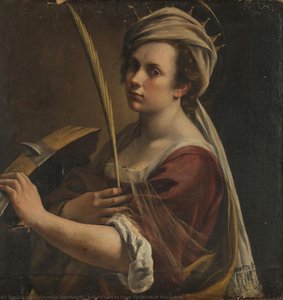
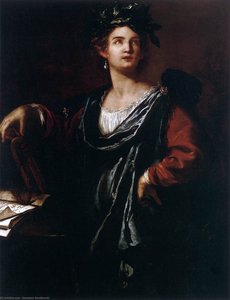
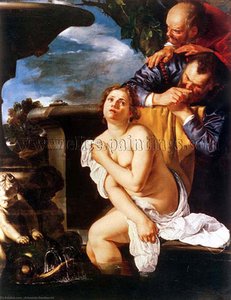
Biografija umetnika
A Daughter of Rome: The Life and Art of Artemisia Gentileschi
Artemisia Gentileschi’s name echoes through the halls of art history, resonating not simply as that of a painter, but as an emblem of resilience, defiance, and extraordinary artistic talent in a world determined to silence female voices. Born in Rome in 1593, she entered a milieu steeped in artistry—her father, Orazio Gentileschi, was a respected painter deeply influenced by the revolutionary realism of Caravaggio. From her earliest years, Artemisia’s gift was undeniable, nurtured within her father's workshop where she absorbed techniques of composition and the dramatic use of light and shadow that would become hallmarks of her distinctive style. This formative training wasn’t merely about mastering brushstrokes; it was an immersion into a world of artistic ambition, one typically closed to women.
Shadows and Strength: Artistic Development
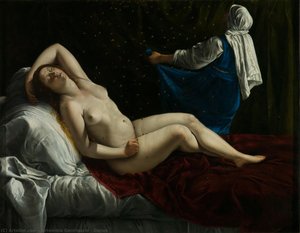
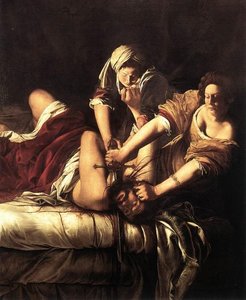
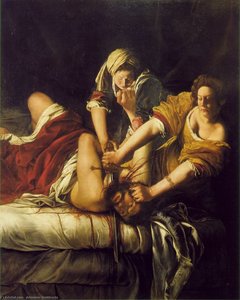
Gentileschi's artistic development was profoundly shaped by Caravaggio’s tenebrism—the stark contrast between light and darkness that imbued his paintings with an intense emotionality. Yet, she didn’t simply mimic her father or Caravaggio; she forged her own unique voice, characterized by a raw psychological depth and a compelling focus on female subjects often depicted with unprecedented agency and strength. Even in her early works, like *Susanna and the Elders* (1610), a biblical scene depicting Susanna being spied upon by two lecherous old men, Artemisia’s interpretation diverges from traditional portrayals. Here, Susanna isn't passively vulnerable; she displays a quiet dignity and resistance, foreshadowing the powerful female figures that would dominate her later oeuvre. But it is *Judith Slaying Holofernes* (existing in multiple versions between 1614-1620) that cemented her reputation as a master of dramatic narrative and psychological realism. The painting isn’t merely a depiction of violence; it's an exploration of courage, determination, and the righteous fury of a woman defending her people. The visceral intensity, the unflinching portrayal of the act itself, shocked and captivated audiences then—and continues to do so today. Other notable works like *Judith and Her Maidservant* (1625) and *Danaë* (c. 1636-1639) further demonstrate her evolving style, showcasing both vulnerability and power in her female protagonists. Her ability to render flesh with such realism, combined with a masterful use of chiaroscuro, created scenes that were both terrifying and deeply moving.
A Trial by Fire: Trauma and Triumph
Artemisia’s life was irrevocably altered by a horrific event: her rape at the hands of Agostino Tassi, a fellow painter and colleague of her father. The ensuing trial (1611-1612) became a public spectacle, subjecting Artemisia to grueling questioning and societal scrutiny. While she bravely testified against Tassi, the proceedings were marred by bias and attempts to discredit her character. This trauma profoundly impacted her life and art, imbuing her work with an emotional intensity that some scholars believe is directly linked to her personal experiences. The trial itself became a symbol of the challenges faced by women seeking justice in a patriarchal society. Despite this ordeal, Artemisia refused to be defined by it. She continued to paint, moving between Rome, Florence, and Naples, establishing herself as a successful artist in her own right. In 1616, she achieved another milestone: becoming the first woman admitted to the Accademia di Arte del Disegno in Florence—a testament to her talent and perseverance.
Legacy of a Pioneer
Artemisia Gentileschi’s career spanned decades, marked by both artistic innovation and personal resilience. She worked for prominent patrons, including the Medici family, and established a thriving workshop, proving that women could not only excel as artists but also succeed in a traditionally male-dominated profession. For centuries, her work was often overshadowed by the circumstances of her life, viewed through the lens of scandal rather than artistic merit. However, beginning in the 20th century, there has been a significant reevaluation of her art, recognizing her as one of the most important and innovative painters of the Baroque period. Her paintings are now celebrated for their emotional depth, dramatic realism, and powerful depictions of women—not as passive objects but as active agents in their own narratives. Artemisia Gentileschi is more than just an artist; she’s a feminist icon, a trailblazer who defied societal expectations and left behind a legacy that continues to inspire generations. Her story serves as a potent reminder of the importance of recognizing and celebrating the contributions of women throughout history—and of ensuring that their voices are never silenced again. She painted not just with her hands, but with her soul, leaving an indelible mark on the world of art.
Key Works
- Judith Slaying Holofernes (1614-1620): Perhaps her most famous work, showcasing dramatic realism and female empowerment.
- Susanna and the Elders (1610): An early masterpiece demonstrating her unique interpretation of a classic biblical scene.
- Judith and Her Maidservant (1625): A compelling portrayal of female solidarity and strength after a violent act.
- Danaë (c. 1636-1639): A sensual and psychologically complex depiction of the mythological figure.
Артемизија Гентилески
1593 - 1656 , Италија
Osnovne informacije
- Artistic Movement Or Style: Barok umetnost
- Artists Or Movements Influenced By This Artist: ['Feminisam umetnost']
- Artists Who Influenced This Artist:
- Karavaggio
- Orazio Gentileschi
- Date Of Birth: 1593
- Date Of Death: 1656
- Full Name: Artemisia Gentileschi
- Nationality: Talijan
- Notable Artworks:
- Judith Slaying Holofernes
- Susanna i stariji
- Judit i služiteljica
- Place Of Birth: Rim, Italija
Povezani članci

Barok Majstor dela: Top 10 Umjetničkih Remeka za Vaš Dom
Otkrijte 10 remek dela koja su definisala baroknu umetnost! Karavagio, Bernini i više – istražite priče iza ovih ikoničnih slika. Inspiracija za vaš dom? Pogledajte kolekciju na ArtsDot.com!
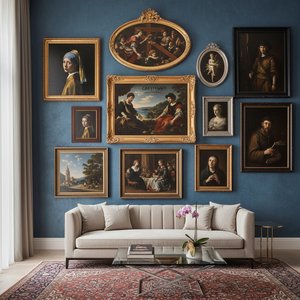
Baroque Painting's Greatest Hits: 10 Masterpieces for Your Home | ArtsDot
Journey through Baroque painting's glory! Explore 10 masterpieces by Caravaggio, Rembrandt & Vermeer. Discover dramatic lighting, rich colors & timeless stories. Find museum-quality art reproductions for your home at ArtsDot.com.

The Dramatic Flourish: Exploring the Baroque Movement's Enduring Legacy in Art History
Explore the dramatic world of Baroque art! Discover iconic artists like Caravaggio & Rubens, defining techniques, and its lasting impact on art history. Expert insights for collectors & enthusiasts at ArtsDot.

The Visceral Stage: Exploring Dramatic Narratives & Emotional Intensity in Baroque Art
Explore the dramatic world of Baroque art! Discover iconic masters like Caravaggio & Rembrandt, their techniques, and the movement's lasting impact. Expert insights for collectors & enthusiasts at ArtsDot.
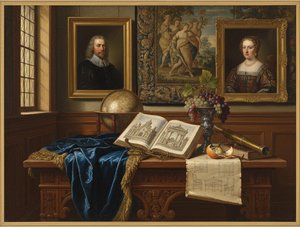
Masterpieces of the 17th Century: Art, History & Decor Inspiration | ArtsDot
Journey through 17th century art with masterpieces by Rembrandt, Vermeer & Caravaggio. Explore Baroque paintings, Dutch Golden Age techniques & timeless beauty. Find museum-quality reproductions and elevate your home decor on ArtsDot.com.