 Pregledaj u prostoru
 Pošalji
 Podeli
 Detalji o delu

 Преузми
 Slični predmeti
 Rendgenski snimak
 Slajdovi
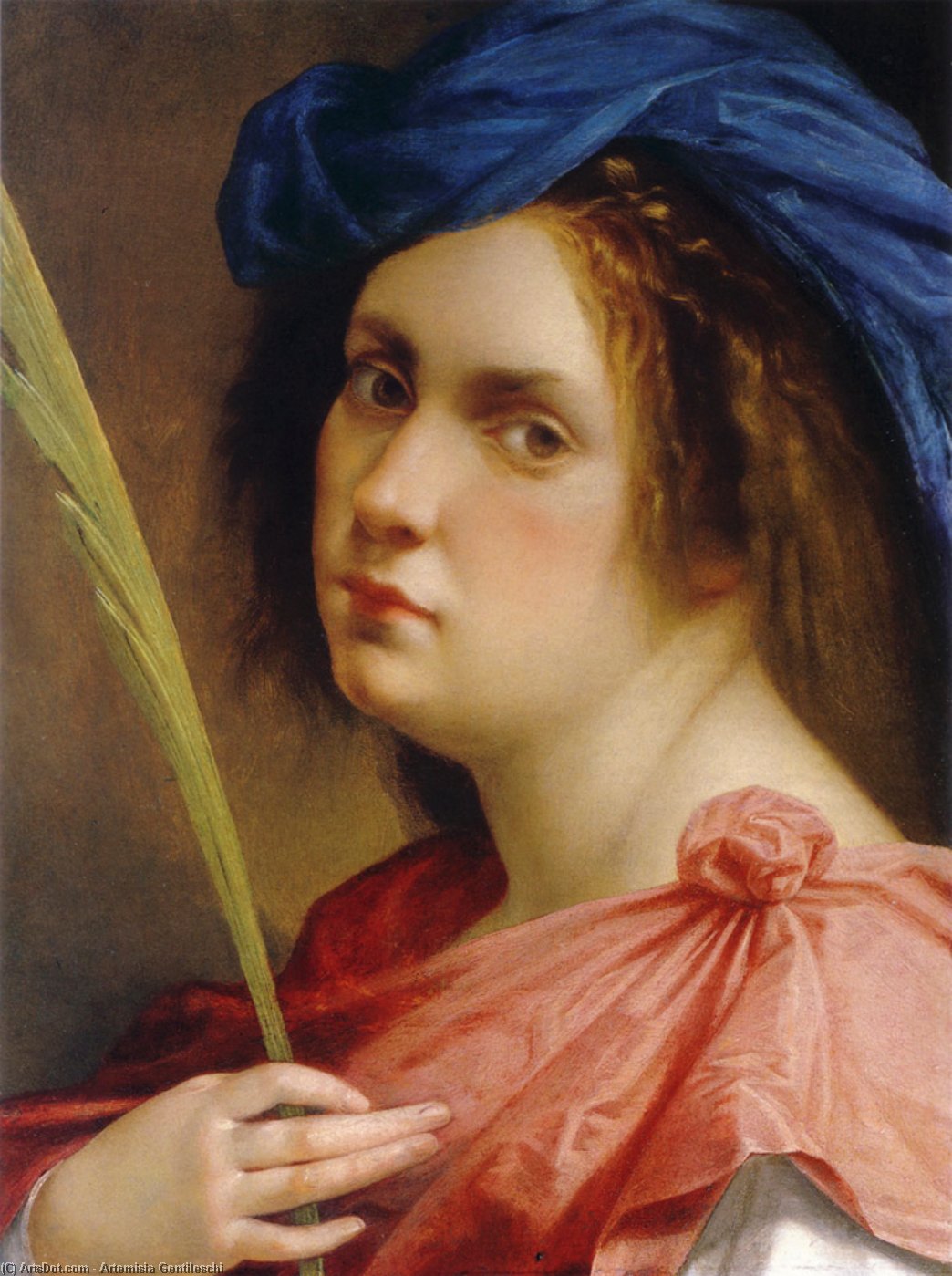
Self-portrait as a Female Martyr (also known as Female Martyr)


 Pročitaj više
Ručno rađena uljana reprodukcija
Ručno oslikano uljanim bojama na platnu u dimenzijama i okviru po vašem izboru, izrađeno po porudžbini od strane naših umetnika. ( Kupi print Kupi digitalnu sliku)




P118B $10

P118H $10

P118W $10

P438Z $10

P508JH $12

P508YH $12

P805H $10

P805Z $10

P919BZ $10

P919G $10

P919XJ $10

P959ZH $10

P968JZ $12

W106C $8

W218G $10

W218JH $8

W218Y $10

W307PJ $10

W316G $10

W316PJ $8

W316Y $10

W398PJ $8

W4111J $10

W500HY $15

W500JH $15

W692G $12

W849H $8

W940BG $15

W953PJ $8




Izaberite jednu od naših unapred definisanih veličina koje odgovaraju originalnim proporcijama umetničkog dela.

Можете унети сопствене димензије како бисте прилагодили дело одређеном оквиру или простору. Ако одабрана величина не одговара пропорцијама оригинала, слика ће бити исечена или проширена додатним елементима који се ручно насликавају. Дигитални prikaz ће вам бити послат на одобрење пре почетка производње.
Имајте на уму да преглед на екрану не одражава стварно исецање или проширење. Само приказ (mockup) ће тачно приказати коначну композицију.
Иако су доступне прилагођене величине, препоручујемо да одаберете димензију из дефинисане листе како бисте сачували оригиналне пропорције.
Nakon narudžbine, tim ArtsDot.com će klijentu putem e-pošte poslati uputstva i dostaviti prikaz predloženog rešenja
Isporuka širom sveta () za 3/4 nedelje umesto uobičajenih 5 nedelja. (26 август). Bez kompromisa po pitanju kvaliteta.

Besplatna ekspresna dostava širom sveta

Visokokvalitetno laneno platno

Kompletno osiguranje transporta

Garancija povraćaja carine i uvoznih dažbina

Garancija vernosti boja

Politika povrata u roku od 60 dana (samo u slučaju nedostataka)

Garancija povrata novca od 100%

Popust pri grupnoj kupovini
 Opcija sa staklom dostupna je samo za dimenzije manje od 110 cm

Self-portrait as a Female Martyr (also known as Female Martyr)
Tehnika reprodukcije
Dimenzije reprodukcije
-


Konačna cena
$ 263
Opis umetničkog dela
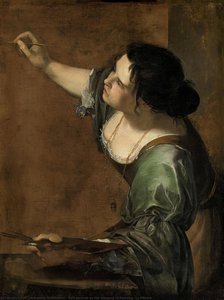
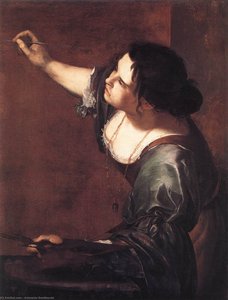
A Portrait of Courage: Artemisia Gentileschi’s ‘Self-Portrait as a Female Martyr’
Artemisia Gentileschi stands apart in the annals of Baroque art, not merely for her prodigious talent but for embodying an audacious spirit—a woman daring to assert herself within a patriarchal society that sought to confine female creativity. Born into a Roman artistic family, her father, Orazio Gentileschi, was himself a celebrated painter who championed Caravaggio’s revolutionary approach to illumination and realism, shaping Artemisia's formative artistic education profoundly. This upbringing instilled in her an unwavering conviction that artistic ambition knew no gender boundaries; it was a privilege rarely afforded to women of her time. Recognizing his daughter’s exceptional abilities, Orazio defied convention by providing her with opportunities unheard of for females during the seventeenth century—a testament to his belief in her potential and a crucial factor in nurturing her extraordinary artistic journey.The Dramatic Baroque Style
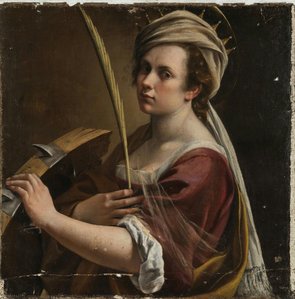
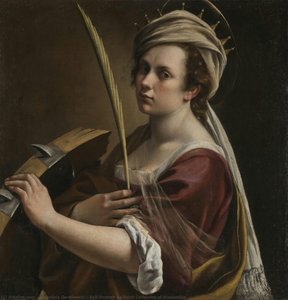
Gentileschi's distinctive style is instantly recognizable: characterized by dramatic chiaroscuro – the masterful interplay of light and shadow – reminiscent of Caravaggio’s influence, it elevates her self-portrait beyond mere likeness into a profound meditation on resilience and inner strength. The artist employs bold brushstrokes and vibrant colors to convey emotion with palpable intensity. Notice how the reddish hue of the dress draws the eye upwards, mirroring the upward gaze of Artemisia herself—a gesture laden with defiance and determination. This technique isn’t simply about visual aesthetics; it's a deliberate choice designed to capture the psychological state of the subject, reflecting her unwavering conviction in her own worth.Symbolism Within Composition
The painting’s composition is meticulously crafted, incorporating symbolic elements that deepen its meaning. The placement of two vases—one on the left and another on the right—serves as a subtle nod to classical ideals of beauty and harmony, juxtaposed against the turbulent emotional landscape depicted within the portrait. Furthermore, Artemisia's gaze directly confronts the viewer, establishing an intimate connection between artist and observer – a bold assertion of presence in a period where female artists were often marginalized and underestimated. The green object held in her hand—its precise nature remains elusive—could represent hope or perhaps a reminder of past suffering, adding layers of complexity to the narrative conveyed by the artwork.Historical Context: Challenging Societal Norms
Created in 1615, ‘Self-Portrait as a Female Martyr’ emerged during a time when women faced significant obstacles in pursuing artistic careers. Artemisia Gentileschi bravely navigated these limitations, securing patronage and acclaim despite societal prejudices—a remarkable feat considering the prevailing attitudes of the era. Her self-portrait serves as a defiant declaration against patriarchal constraints, asserting her identity as an artist and woman simultaneously. It stands as a poignant reminder of the struggles faced by female creatives throughout history and celebrates Artemisia’s unwavering commitment to artistic expression in defiance of convention.Emotional Resonance: A Portrait of Inner Strength
Ultimately, Gentileschi's ‘Self-Portrait as a Female Martyr’ transcends mere visual representation; it communicates an enduring message of courage and self-assuredness. The artist’s intense gaze embodies unwavering conviction—a refusal to succumb to adversity and a steadfast belief in her own capabilities. This portrait continues to inspire viewers today with its powerful depiction of feminine resilience, cementing Artemisia Gentileschi's legacy as one of the most significant figures in Baroque art and a beacon of artistic empowerment.Srodna umetnička dela

Biografija umetnika
A Daughter of Rome: The Life and Art of Artemisia Gentileschi
Artemisia Gentileschi’s name echoes through the halls of art history, resonating not simply as that of a painter, but as an emblem of resilience, defiance, and extraordinary artistic talent in a world determined to silence female voices. Born in Rome in 1593, she entered a milieu steeped in artistry—her father, Orazio Gentileschi, was a respected painter deeply influenced by the revolutionary realism of Caravaggio. From her earliest years, Artemisia’s gift was undeniable, nurtured within her father's workshop where she absorbed techniques of composition and the dramatic use of light and shadow that would become hallmarks of her distinctive style. This formative training wasn’t merely about mastering brushstrokes; it was an immersion into a world of artistic ambition, one typically closed to women.
Shadows and Strength: Artistic Development
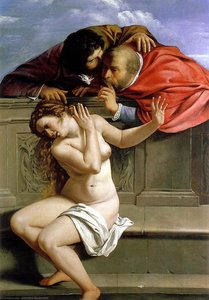
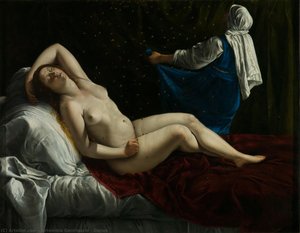
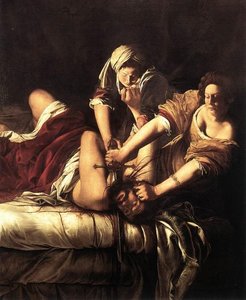
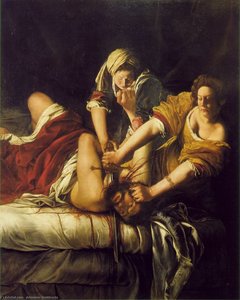
Gentileschi's artistic development was profoundly shaped by Caravaggio’s tenebrism—the stark contrast between light and darkness that imbued his paintings with an intense emotionality. Yet, she didn’t simply mimic her father or Caravaggio; she forged her own unique voice, characterized by a raw psychological depth and a compelling focus on female subjects often depicted with unprecedented agency and strength. Even in her early works, like *Susanna and the Elders* (1610), a biblical scene depicting Susanna being spied upon by two lecherous old men, Artemisia’s interpretation diverges from traditional portrayals. Here, Susanna isn't passively vulnerable; she displays a quiet dignity and resistance, foreshadowing the powerful female figures that would dominate her later oeuvre. But it is *Judith Slaying Holofernes* (existing in multiple versions between 1614-1620) that cemented her reputation as a master of dramatic narrative and psychological realism. The painting isn’t merely a depiction of violence; it's an exploration of courage, determination, and the righteous fury of a woman defending her people. The visceral intensity, the unflinching portrayal of the act itself, shocked and captivated audiences then—and continues to do so today. Other notable works like *Judith and Her Maidservant* (1625) and *Danaë* (c. 1636-1639) further demonstrate her evolving style, showcasing both vulnerability and power in her female protagonists. Her ability to render flesh with such realism, combined with a masterful use of chiaroscuro, created scenes that were both terrifying and deeply moving.
A Trial by Fire: Trauma and Triumph
Artemisia’s life was irrevocably altered by a horrific event: her rape at the hands of Agostino Tassi, a fellow painter and colleague of her father. The ensuing trial (1611-1612) became a public spectacle, subjecting Artemisia to grueling questioning and societal scrutiny. While she bravely testified against Tassi, the proceedings were marred by bias and attempts to discredit her character. This trauma profoundly impacted her life and art, imbuing her work with an emotional intensity that some scholars believe is directly linked to her personal experiences. The trial itself became a symbol of the challenges faced by women seeking justice in a patriarchal society. Despite this ordeal, Artemisia refused to be defined by it. She continued to paint, moving between Rome, Florence, and Naples, establishing herself as a successful artist in her own right. In 1616, she achieved another milestone: becoming the first woman admitted to the Accademia di Arte del Disegno in Florence—a testament to her talent and perseverance.
Legacy of a Pioneer
Artemisia Gentileschi’s career spanned decades, marked by both artistic innovation and personal resilience. She worked for prominent patrons, including the Medici family, and established a thriving workshop, proving that women could not only excel as artists but also succeed in a traditionally male-dominated profession. For centuries, her work was often overshadowed by the circumstances of her life, viewed through the lens of scandal rather than artistic merit. However, beginning in the 20th century, there has been a significant reevaluation of her art, recognizing her as one of the most important and innovative painters of the Baroque period. Her paintings are now celebrated for their emotional depth, dramatic realism, and powerful depictions of women—not as passive objects but as active agents in their own narratives. Artemisia Gentileschi is more than just an artist; she’s a feminist icon, a trailblazer who defied societal expectations and left behind a legacy that continues to inspire generations. Her story serves as a potent reminder of the importance of recognizing and celebrating the contributions of women throughout history—and of ensuring that their voices are never silenced again. She painted not just with her hands, but with her soul, leaving an indelible mark on the world of art.
Key Works
- Judith Slaying Holofernes (1614-1620): Perhaps her most famous work, showcasing dramatic realism and female empowerment.
- Susanna and the Elders (1610): An early masterpiece demonstrating her unique interpretation of a classic biblical scene.
- Judith and Her Maidservant (1625): A compelling portrayal of female solidarity and strength after a violent act.
- Danaë (c. 1636-1639): A sensual and psychologically complex depiction of the mythological figure.
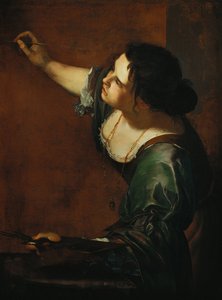
Артемизија Гентилески
1593 - 1656 , Италија
Osnovne informacije
- Artistic Movement Or Style: Barok umetnost
- Artists Or Movements Influenced By This Artist: ['Feminisam umetnost']
- Artists Who Influenced This Artist:
- Karavaggio
- Orazio Gentileschi
- Date Of Birth: 1593
- Date Of Death: 1656
- Full Name: Artemisia Gentileschi
- Nationality: Talijan
- Notable Artworks:
- Judith Slaying Holofernes
- Susanna i stariji
- Judit i služiteljica
- Place Of Birth: Rim, Italija
Povezani članci

Barok Majstor dela: Top 10 Umjetničkih Remeka za Vaš Dom
Otkrijte 10 remek dela koja su definisala baroknu umetnost! Karavagio, Bernini i više – istražite priče iza ovih ikoničnih slika. Inspiracija za vaš dom? Pogledajte kolekciju na ArtsDot.com!
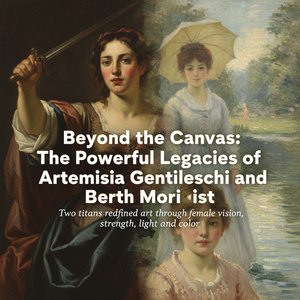
Beyond the Shadows: The Powerful Legacies of Artemisia Gentileschi and Berthe Morisot
Explore the profound legacies of Artemisia Gentileschi and Berthe Morisot. Discover how these female masters redefined the Baroque and Impressionist eras through dramatic chiaroscuro and luminous light, leaving an indelible mark on art history and modern aesthetics.
Baroque Painting's Greatest Hits: 10 Masterpieces for Your Home | ArtsDot
Journey through Baroque painting's glory! Explore 10 masterpieces by Caravaggio, Rembrandt & Vermeer. Discover dramatic lighting, rich colors & timeless stories. Find museum-quality art reproductions for your home at ArtsDot.com.

The Dramatic Flourish: Exploring the Baroque Movement's Enduring Legacy in Art History
Explore the dramatic world of Baroque art! Discover iconic artists like Caravaggio & Rubens, defining techniques, and its lasting impact on art history. Expert insights for collectors & enthusiasts at ArtsDot.
Theatricality & Triumph: Baroque Drama in Painting & Sculpture
Explore the dramatic world of Baroque art! Discover its history, defining characteristics, & lasting influence on painting & sculpture. Expert insights into Caravaggio, Zurbarán, and Bernini – plus high-quality reproductions at ArtsDot.