

 Pregledaj u prostoru
 Pošalji
 Podeli
 Detalji o delu

 Преузми
 Slični predmeti
 Rendgenski snimak
 Slajdovi
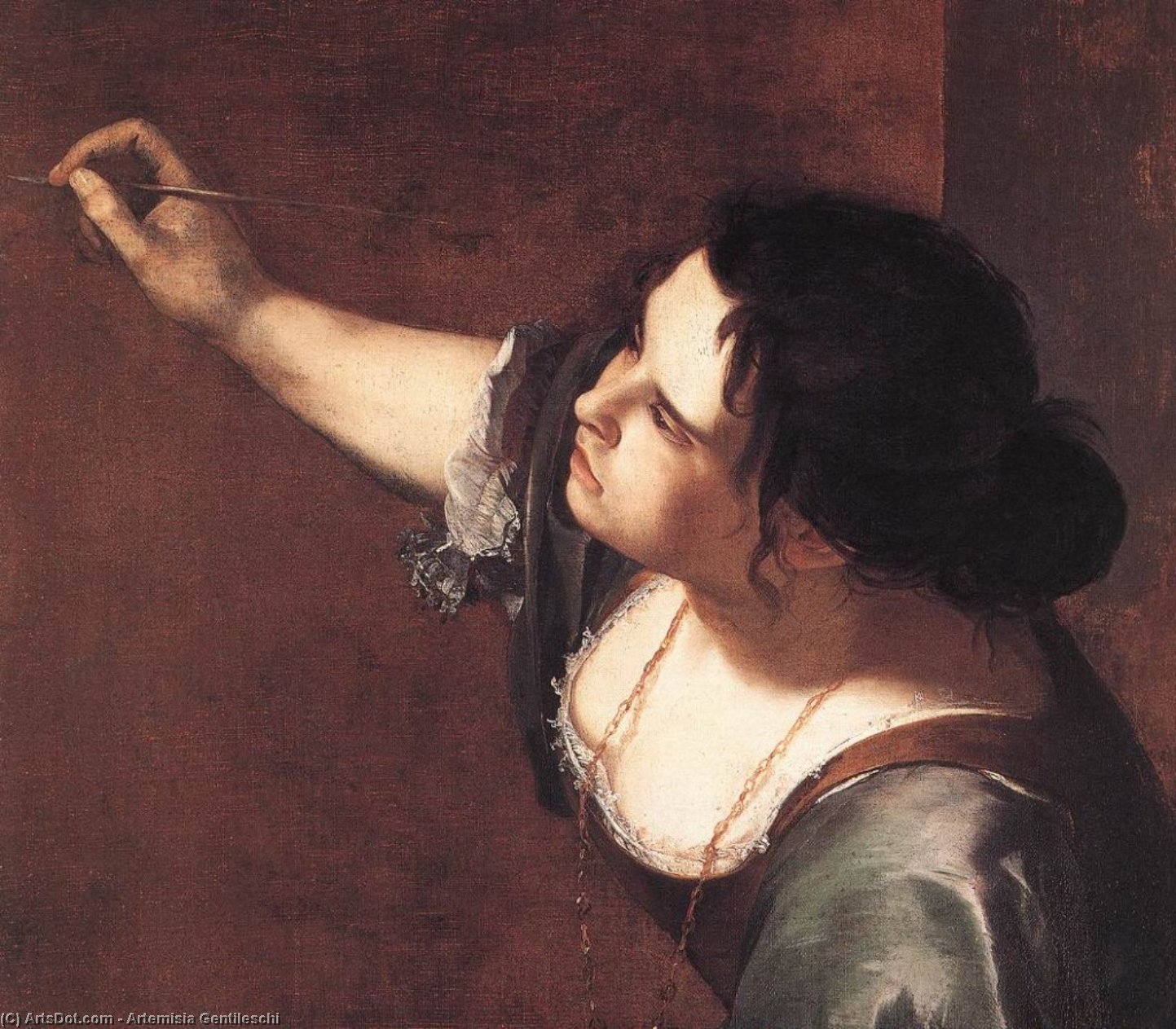
Self-Portrait as the Allegory of Painting (detail)


 Pročitaj više
Kupite digitalnu sliku visoke rezolucije i poboljšanog kvaliteta, koja je znatno superiornija od onoga što vidite u online prikazu.
Svaka datoteka je pedantno pripremljena od strane naših stručnjaka koristeći napredne alate i profesionalnu ručnu retušu. Osiguravamo da svaka slika ima izuzetnu oštrinu, preciznu reprodukciju boja i fine detalje.
Konačna datoteka se dostavlja putem e-pošte u roku od 72 sata, optimizovana za neposrednu upotrebu u profesionalnim, izdavačkim i štamparskim okruženjima. To je isti kvalitet kojem veruju vrhunski studiji dizajna, izdavači i galerije.
Digitalna slika
Preuzmite datoteku visoke rezolucije za ličnu upotrebu, štampanje i kreativne projekte. ( Kupi print Kupi ručno naslikanu sliku)
Uključeno uz svaku porudžbinu digitalne slike
Profesionalna digitalna isporuka, zagarantovana
Kada odaberete ArtsDot.com, ne dobijate samo sliku – vi primate profesionalno unapređeno digitalno umetničko delo, izrađeno sa najvećom preciznošću i uz garanciju zadovoljstva. Evo svega što automatski dolazi uz vašu porudžbinu:

Brza dostava putem e-pošte
Vaša digitalna slika visoke rezolucije biće vam poslata putem e-pošte u roku od 72 sata od poručivanja – spremna za trenutnu upotrebu.

Digitalna datoteka unapređena veštačkom inteligencijom
Vaše umetničko delo je profesionalno optimizovano korišćenjem naprednih AI alata i ručne obrade, čime se osiguravaju maksimalni detalji, oštrina i preciznost boja.

Besplatna ponovna isporuka doživotno
Slučajno ste obrisali ili izgubili svoju datoteku? Ne brinite – poslaćemo vam je ponovo u bilo kom trenutku, potpuno besplatno.

Bez troškova uvoza – zauvek
Uživajte u svojim umetničkim delima trenutno, bez carine, dažbina ili troškova dostave – digitalni download je uvek bez poreza.

Garancija vernosti boja
Uz pomoć profesionalnih alata i upravljanja bojama, osiguravamo da vaša digitalna slika što vernije odražava originalne boje.

Garancija zadovoljstva u roku od 100 dana
Ako niste zadovoljni svojom digitalnom slikom, revidirat ćemo je ili vratiti 100% novca u roku od 100 dana – bez ikakvih pitanja.

100% garancija povrata novca
Niste zadovoljni? Obezbedite pun povrat novca u roku od 100 dana od trenutka kada ste primili svoju digitalnu datoteku – bez suvišnih pitanja.

Popusti na velike porudžbine
Kupite 3 slike, uštedite 10% - Kupite 5 slika, uštedite 15% - Kupite 10+ slika, uštedite 20%. Odlično za kreativne projekte, galerije i agencije.
A Portrait of Artistic Resolve: Decoding Artemisia Gentileschi’s ‘Self-Portrait as the Allegory of Painting’
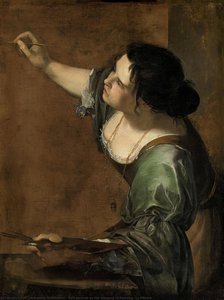
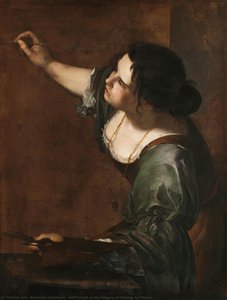
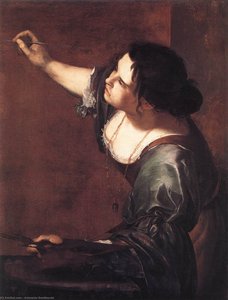
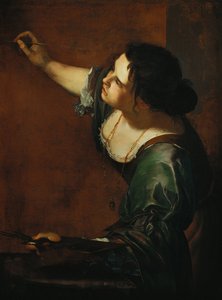
Artemisia Gentileschi's "Self-Portrait as the Allegory of Painting," completed around 1630, transcends mere representation; it embodies a defiant assertion of feminine artistry against societal constraints. Painted during the Baroque period—a time characterized by dramatic flair and opulent grandeur—this artwork isn’t simply a depiction of the artist herself but a carefully crafted emblem symbolizing her vocation and unwavering dedication to her craft. The painting immediately captivates with its masterful use of chiaroscuro, mirroring Caravaggio's revolutionary approach to illumination, where stark contrasts amplify emotion and sculpt form with breathtaking precision. Gentileschi expertly employs this technique to highlight her gaze—direct, intelligent, and imbued with an inner strength that speaks volumes about the challenges she faced navigating a male-dominated artistic landscape.- Subject Matter: The portrait presents Artemisia Gentileschi as an allegory of painting itself. She holds a paintbrush and pencil in her hands, symbolizing her creative tools and intellectual pursuits—a deliberate statement of ambition and self-assuredness.
- Style & Technique: Gentileschi’s style is undeniably Baroque, characterized by dynamism and theatricality. Her brushstrokes are confident and assertive, conveying movement and energy despite the stillness of the pose. The meticulous attention to detail—particularly in rendering the textures of her clothing and skin—demonstrates a profound understanding of anatomical accuracy and artistic realism.
Historical Context: Challenging Conventions
Painted during a period when women’s roles were largely confined to domestic spheres, Gentileschi's self-portrait represents an extraordinary act of defiance. Her father, Orazio Gentileschi, recognized her exceptional talent and actively fostered her artistic development—a rare occurrence for women at the time. This courageous decision underscores the importance of familial support in nurturing creative potential and challenging societal prejudices.
Symbolism: The Brushstroke as Assertion
The paintbrush and pencil aren’t merely instruments of art; they function symbolically as emblems of intellect, creativity, and perseverance. Gentileschi's gaze—focused intently on her work—represents the unwavering commitment to artistic excellence despite obstacles encountered. Furthermore, the inclusion of two figures flanking Gentileschi adds layers of meaning. They likely symbolize patrons or supporters who recognized her worth and championed her ambitions.
Emotional Impact: Resilience Illuminated
"Self-Portrait as the Allegory of Painting" resonates deeply with viewers today because it speaks to universal themes of ambition, determination, and overcoming adversity. Gentileschi’s portrayal captures not only her artistic skill but also her inner fortitude—a testament to her unwavering belief in herself and her refusal to accept limitations imposed by societal expectations. It serves as a poignant reminder that true artistry flourishes when individuals dare to defy convention and pursue their passions with conviction.
Srodna umetnička dela
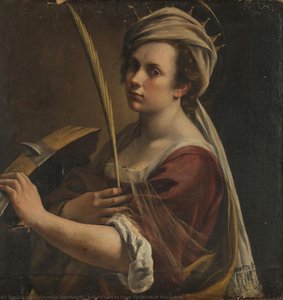
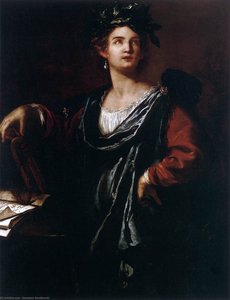
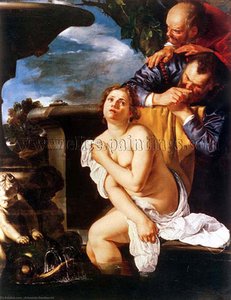
Biografija umetnika
A Daughter of Rome: The Life and Art of Artemisia Gentileschi
Artemisia Gentileschi’s name echoes through the halls of art history, resonating not simply as that of a painter, but as an emblem of resilience, defiance, and extraordinary artistic talent in a world determined to silence female voices. Born in Rome in 1593, she entered a milieu steeped in artistry—her father, Orazio Gentileschi, was a respected painter deeply influenced by the revolutionary realism of Caravaggio. From her earliest years, Artemisia’s gift was undeniable, nurtured within her father's workshop where she absorbed techniques of composition and the dramatic use of light and shadow that would become hallmarks of her distinctive style. This formative training wasn’t merely about mastering brushstrokes; it was an immersion into a world of artistic ambition, one typically closed to women.
Shadows and Strength: Artistic Development
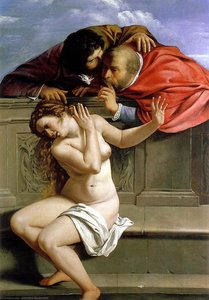
Gentileschi's artistic development was profoundly shaped by Caravaggio’s tenebrism—the stark contrast between light and darkness that imbued his paintings with an intense emotionality. Yet, she didn’t simply mimic her father or Caravaggio; she forged her own unique voice, characterized by a raw psychological depth and a compelling focus on female subjects often depicted with unprecedented agency and strength. Even in her early works, like *Susanna and the Elders* (1610), a biblical scene depicting Susanna being spied upon by two lecherous old men, Artemisia’s interpretation diverges from traditional portrayals. Here, Susanna isn't passively vulnerable; she displays a quiet dignity and resistance, foreshadowing the powerful female figures that would dominate her later oeuvre. But it is *Judith Slaying Holofernes* (existing in multiple versions between 1614-1620) that cemented her reputation as a master of dramatic narrative and psychological realism. The painting isn’t merely a depiction of violence; it's an exploration of courage, determination, and the righteous fury of a woman defending her people. The visceral intensity, the unflinching portrayal of the act itself, shocked and captivated audiences then—and continues to do so today. Other notable works like *Judith and Her Maidservant* (1625) and *Danaë* (c. 1636-1639) further demonstrate her evolving style, showcasing both vulnerability and power in her female protagonists. Her ability to render flesh with such realism, combined with a masterful use of chiaroscuro, created scenes that were both terrifying and deeply moving.
A Trial by Fire: Trauma and Triumph
Artemisia’s life was irrevocably altered by a horrific event: her rape at the hands of Agostino Tassi, a fellow painter and colleague of her father. The ensuing trial (1611-1612) became a public spectacle, subjecting Artemisia to grueling questioning and societal scrutiny. While she bravely testified against Tassi, the proceedings were marred by bias and attempts to discredit her character. This trauma profoundly impacted her life and art, imbuing her work with an emotional intensity that some scholars believe is directly linked to her personal experiences. The trial itself became a symbol of the challenges faced by women seeking justice in a patriarchal society. Despite this ordeal, Artemisia refused to be defined by it. She continued to paint, moving between Rome, Florence, and Naples, establishing herself as a successful artist in her own right. In 1616, she achieved another milestone: becoming the first woman admitted to the Accademia di Arte del Disegno in Florence—a testament to her talent and perseverance.
Legacy of a Pioneer
Artemisia Gentileschi’s career spanned decades, marked by both artistic innovation and personal resilience. She worked for prominent patrons, including the Medici family, and established a thriving workshop, proving that women could not only excel as artists but also succeed in a traditionally male-dominated profession. For centuries, her work was often overshadowed by the circumstances of her life, viewed through the lens of scandal rather than artistic merit. However, beginning in the 20th century, there has been a significant reevaluation of her art, recognizing her as one of the most important and innovative painters of the Baroque period. Her paintings are now celebrated for their emotional depth, dramatic realism, and powerful depictions of women—not as passive objects but as active agents in their own narratives. Artemisia Gentileschi is more than just an artist; she’s a feminist icon, a trailblazer who defied societal expectations and left behind a legacy that continues to inspire generations. Her story serves as a potent reminder of the importance of recognizing and celebrating the contributions of women throughout history—and of ensuring that their voices are never silenced again. She painted not just with her hands, but with her soul, leaving an indelible mark on the world of art.
Key Works
- Judith Slaying Holofernes (1614-1620): Perhaps her most famous work, showcasing dramatic realism and female empowerment.
- Susanna and the Elders (1610): An early masterpiece demonstrating her unique interpretation of a classic biblical scene.
- Judith and Her Maidservant (1625): A compelling portrayal of female solidarity and strength after a violent act.
- Danaë (c. 1636-1639): A sensual and psychologically complex depiction of the mythological figure.
Артемизија Гентилески
1593 - 1656 , Италија
Kratke činjenice
- Artistic Movement Or Style: Barok umetnost
- Artists Or Movements Influenced By This Artist: ['Feminisam umetnost']
- Artists Who Influenced This Artist:
- Karavaggio
- Orazio Gentileschi
- Date Of Birth: 1593
- Date Of Death: 1656
- Full Name: Artemisia Gentileschi
- Nationality: Talijan
- Notable Artworks:
- Judith Slaying Holofernes
- Susanna i stariji
- Judit i služiteljica
- Place Of Birth: Rim, Italija