

 Pregledaj u prostoru
 Pošalji
 Podeli
 Detalji o delu

 Преузми
 Slični predmeti
 Rendgenski snimak
 Slajdovi
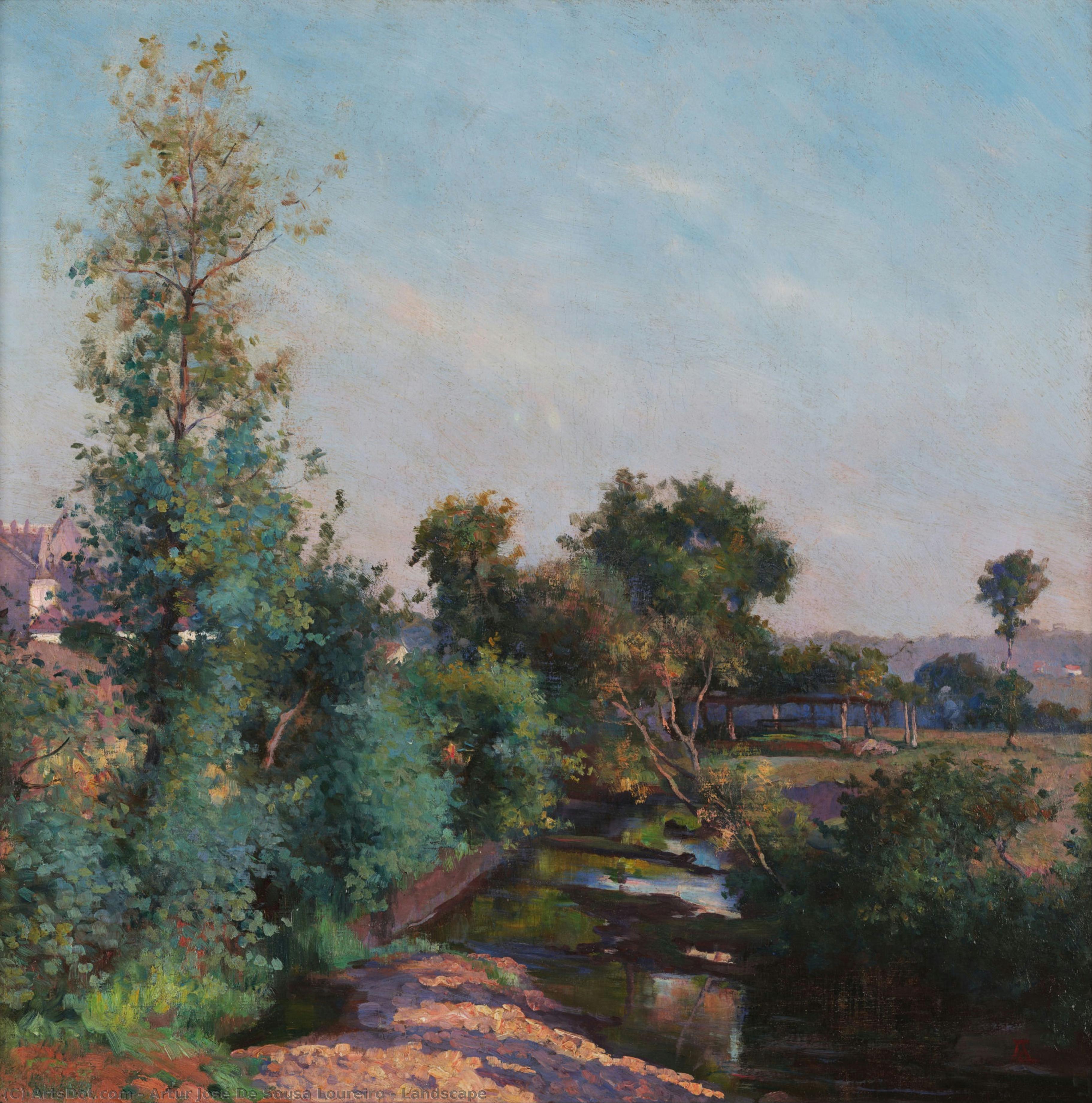
Landscape
 Oil On Canvas
- WallArt
- Impressionistic Landscape Painting
 1917
1917- 19th Century
 49.0 x 48.0 cm
 Soares dos Reis National Museum
 Pročitaj više
Ručno rađena uljana reprodukcija
Ručno oslikano uljanim bojama na platnu u dimenzijama i okviru po vašem izboru, izrađeno po porudžbini od strane naših umetnika. ( Kupi print Kupi digitalnu sliku)




P118B $10

P118H $10

P118W $10

P438Z $10

P508JH $12

P508YH $12

P805H $10

P805Z $10

P919BZ $10

P919G $10

P919XJ $10

P959ZH $10

P968JZ $12

W106C $8

W218G $10

W218JH $8

W218Y $10

W307PJ $10

W316G $10

W316PJ $8

W316Y $10

W398PJ $8

W4111J $10

W500HY $15

W500JH $15

W692G $12

W849H $8

W940BG $15

W953PJ $8




Izaberite jednu od naših unapred definisanih veličina koje odgovaraju originalnim proporcijama umetničkog dela.

Можете унети сопствене димензије како бисте прилагодили дело одређеном оквиру или простору. Ако одабрана величина не одговара пропорцијама оригинала, слика ће бити исечена или проширена додатним елементима који се ручно насликавају. Дигитални prikaz ће вам бити послат на одобрење пре почетка производње.
Имајте на уму да преглед на екрану не одражава стварно исецање или проширење. Само приказ (mockup) ће тачно приказати коначну композицију.
Иако су доступне прилагођене величине, препоручујемо да одаберете димензију из дефинисане листе како бисте сачували оригиналне пропорције.
Nakon narudžbine, tim ArtsDot.com će klijentu putem e-pošte poslati uputstva i dostaviti prikaz predloženog rešenja
Isporuka širom sveta () za 3/4 nedelje umesto uobičajenih 5 nedelja. (6 септембар). Bez kompromisa po pitanju kvaliteta.

Besplatna ekspresna dostava širom sveta

Visokokvalitetno laneno platno

Kompletno osiguranje transporta

Garancija povraćaja carine i uvoznih dažbina

Garancija vernosti boja

Politika povrata u roku od 100 dana (samo u slučaju nedostataka)

Garancija povrata novca od 100%

Popust pri grupnoj kupovini
 Opcija sa staklom dostupna je samo za dimenzije manje od 110 cm

Landscape
Tehnika reprodukcije
Dimenzije reprodukcije
-


Konačna cena
$ 288
A Serene Vision of Portugal: Artur José de Sousa Loureiro’s ‘Landscape’ (1917)
Artur José de Sousa Loureiro's “Landscape,” painted in 1917, is more than just a depiction of a river valley; it’s a poignant distillation of the artist’s extensive travels and evolving artistic sensibilities. Measuring 49 x 48 cm, this oil on canvas work offers a glimpse into the heart of Impressionism while firmly rooted in the Portuguese landscape, reflecting Loureiro's significant experiences across Europe and beyond. The painting immediately evokes a sense of tranquility – a feeling amplified by the soft, diffused lighting that suggests either an overcast afternoon or the golden hour’s final embrace. The careful layering of blues and greens, punctuated with earthy browns and subtle yellows, creates a harmonious visual language that speaks to the beauty of the natural world.
A Journey of Artistic Development
- Early Influences: Loureiro’s artistic journey began under the guidance of António José da Costa in Porto, Portugal. This foundational training laid the groundwork for his later explorations.
- Roman and Parisian Sojourns (1875-1879): A pivotal moment arrived with a patronage from Delfim Guedes, enabling Loureiro to spend time in Rome, absorbing the classical influences prevalent at the time. Subsequently, he moved to Paris on scholarship, immersing himself in the vibrant artistic community of the Latin Quarter and studying at the École des Beaux-Arts.
- Australian Chapter (1884): Loureiro’s adventurous spirit led him to Australia, a period that undoubtedly broadened his perspective and informed his unique style.
Impressionistic Technique and Atmospheric Depth
The painting's power resides in Loureiro’s masterful application of Impressionistic techniques. Visible brushstrokes, executed with short, broken strokes, create a textured surface that captures the play of light and shadow across the landscape. The artist skillfully employed impasto – building up thick layers of paint – particularly in the foliage and riverbank, adding considerable depth and vibrancy to the scene. The use of atmospheric perspective is expertly rendered; distant elements are subtly lighter and less defined, creating a convincing illusion of vastness and drawing the viewer’s eye into the receding landscape. Linear perspective is also present, though subtly, reinforcing the sense of spatial depth.
Symbolism and Emotional Resonance
"Landscape" transcends a simple representation of nature; it carries symbolic weight. The two figures positioned in the foreground – seemingly contemplating the river’s flow – represent humanity's connection to the natural world, inviting contemplation and appreciation for its beauty. The overall mood is one of peace and serenity, reflecting the core tenets of Impressionism—a desire to capture fleeting moments of light and emotion rather than precise photographic realism. The painting speaks to a longing for simplicity and harmony, values that resonated deeply with artists of the era.
Historical Context and Materials
Painted in 1917, “Landscape” reflects the artistic currents of the early 20th century. Loureiro’s work aligns with the broader Impressionist movement while retaining a distinctly Portuguese sensibility. The use of oil paint on canvas is consistent with the materials favored by artists of this period. The meticulous brushwork and layered application of color suggest considerable skill and dedication, resulting in a timeless piece that continues to captivate viewers with its serene beauty.
Srodna umetnička dela
Biografija umetnika
a portuguese painter's journey through time
artur josé de sousa loureiro, a prominent figure in the realm of portuguese art, left an indelible mark on the canvas of history. born on february 11, 1853, in porto, portugal, and passing away on july 7, 1932, his life was a testament to artistic evolution and innovation.early beginnings and formative years
loureiro's initial forays into the world of art were guided by his friend antónio josé da costa, under whose tutelage he first learned the basics of drawing and painting. he later attended the escola superior de belas-artes do porto, where he studied under the mentorship of joão antónio correia.a journey across continents
- **rome (1875)**: with the support of his patron, delfim guedes, loureiro ventured to rome, broadening his artistic horizons. - **paris (1879)**: he moved to paris on a scholarship, studying at the école des beaux-arts and becoming a part of the latin quarter's vibrant art scene. - **australia (1884)**: eventually, he emigrated to australia with his wife, marie huybers, settling in melbourne and contributing to the local art community.notable works and achievements
- the death of burke (1892), a poignant piece reflecting his time in australia.
- participation in the australian art association and his role as "professor of design" at the presbyterian ladies academy.
- receipt of the gold medal at the international exhibition in london (1899).
legacy and remembrance
loureiro's return to porto in 1904 marked a new chapter, with the establishment of his studio at the "crystal palace." his second marriage in 1918 to elisa fernanda de sousa pires signaled a new personal chapter. despite passing away in 1932, his legacy endures through numerous exhibitions and the impact he had on the art world. key links: - artur josé de sousa loureiro | ArtsDot.com - artur loureiro - wikipedia - palavras cruzadas vii | ArtsDot.com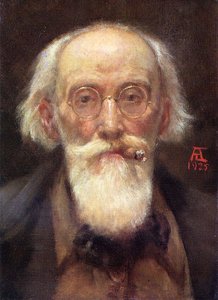
artur josé de sousa loureiro
1853 - 1932 , Portugal
Osnovne informacije
- Artistic Movement Or Style: Naturalism
- Artists Or Movements Influenced By This Artist: ['João Marques de Oliveira']
- Artists Who Influenced This Artist: ['António José da Costa']
- Date Of Birth: Feb 11, 1853
- Date Of Death: July 7, 1932
- Full Name: Artur José de Sousa Loureiro
- Nationality: Portuguese
- Notable Artworks:
- Death of Burke
- Rio Douro
- Place Of Birth: Porto, Portugal
Povezani članci
Slate Blue Masterpieces: 10 Iconic Paintings & Timeless Home Decor Ideas
Immerse yourself in the captivating world of slate blue! Explore 10 iconic paintings by Monet, Van Gogh & Renoir. Discover their stories, techniques & find museum-quality art reproductions for your home at .
Verdant Visions: Exploring the Symbolism & Aesthetic Impact of Green in Art History
Explore the rich history & symbolism of green in art! Discover iconic paintings, techniques, and how to bring verdant harmony into your home with ArtsDot's expert guide.

Francisco Goya: 25 Remek-dela Španskog Majstora za Vaš Dom | ArtsDot
Istražite 25 remek-dela Francisca Goya, španskog slikara romantizma i impresionizma. Portreti, tamne slike & istorija umetnosti na ArtsDot.com! Kupite reprodukcije slika vrhunskog kvaliteta za dekoraciju enterijera. Otkrijte celu kolekciju online.
Chrome Green Masterpieces: 10 Famous Paintings & Their Alluring Hues |
Explore 10 famous paintings where 'Chrome Green' reigns supreme! Discover Monet, Manet & Van Gogh’s masterpieces. Learn the stories behind these iconic artworks and find museum-quality art reproductions for your home at .
Claude Monet: 25 Remek-dela Impresionizma za Vaš Dom | ArtsDot
Uronite u svet Claudea Moneta sa 25 remek-dela impresionizma! Otkrijte priče iza poznatih slika, tehnike i inspiraciju. Reprodukcije vrhunskog kvaliteta za luksuzni dekor doma na ArtsDot.com.