

 Pregledaj u prostoru
 Pošalji
 Podeli
 Detalji o delu

 Преузми
 Slični predmeti
 Rendgenski snimak
 Slajdovi
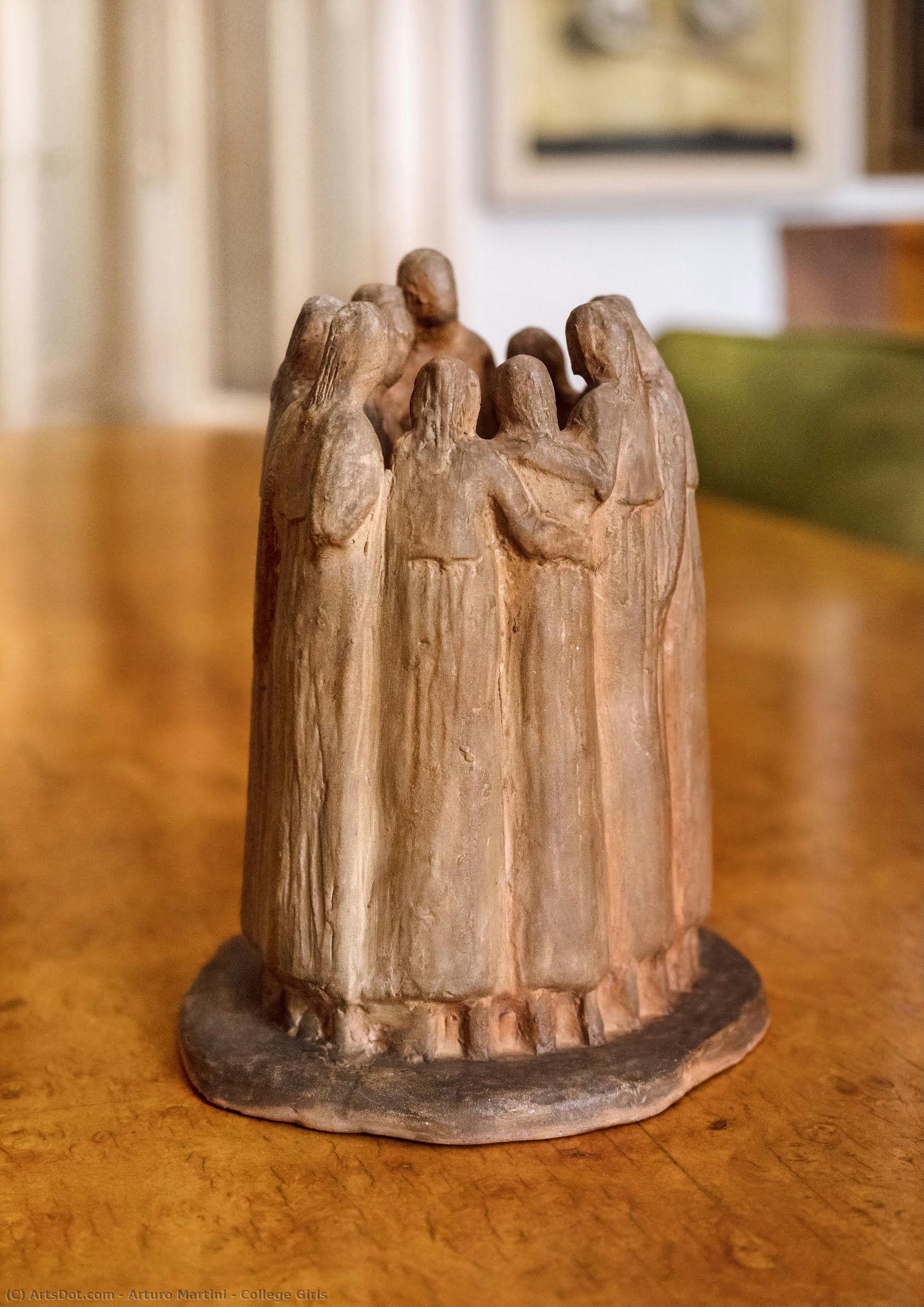
College Girls
 1927
1927- Modern
 5.0 x 8.0 cm
 Boschi Di Stefano House Museum
 Pročitaj više
Ručno rađena uljana reprodukcija
Ručno oslikano uljanim bojama na platnu u dimenzijama i okviru po vašem izboru, izrađeno po porudžbini od strane naših umetnika. ( Kupi print Kupi digitalnu sliku)




P118B $10

P118H $10

P118W $10

P438Z $10

P508JH $12

P508YH $12

P805H $10

P805Z $10

P919BZ $10

P919G $10

P919XJ $10

P959ZH $10

P968JZ $12

W106C $8

W218G $10

W218JH $8

W218Y $10

W307PJ $10

W316G $10

W316PJ $8

W316Y $10

W398PJ $8

W4111J $10

W500HY $15

W500JH $15

W692G $12

W849H $8

W940BG $15

W953PJ $8




Izaberite jednu od naših unapred definisanih veličina koje odgovaraju originalnim proporcijama umetničkog dela.

Можете унети сопствене димензије како бисте прилагодили дело одређеном оквиру или простору. Ако одабрана величина не одговара пропорцијама оригинала, слика ће бити исечена или проширена додатним елементима који се ручно насликавају. Дигитални prikaz ће вам бити послат на одобрење пре почетка производње.
Имајте на уму да преглед на екрану не одражава стварно исецање или проширење. Само приказ (mockup) ће тачно приказати коначну композицију.
Иако су доступне прилагођене величине, препоручујемо да одаберете димензију из дефинисане листе како бисте сачували оригиналне пропорције.
Nakon narudžbine, tim ArtsDot.com će klijentu putem e-pošte poslati uputstva i dostaviti prikaz predloženog rešenja
Isporuka širom sveta () za 3/4 nedelje umesto uobičajenih 5 nedelja. (30 август). Bez kompromisa po pitanju kvaliteta.

Besplatna ekspresna dostava širom sveta

Visokokvalitetno laneno platno

Kompletno osiguranje transporta

Garancija povraćaja carine i uvoznih dažbina

Garancija vernosti boja

Politika povrata u roku od 60 dana (samo u slučaju nedostataka)

Garancija povrata novca od 100%

Popust pri grupnoj kupovini
 Opcija sa staklom dostupna je samo za dimenzije manje od 110 cm

College Girls
Tehnika reprodukcije
Dimenzije reprodukcije
-


Konačna cena
$ 263
A Moment Frozen in Time: The Intimacy of College Girls
In the delicate dance of light and shadow, Arturo Martini’s 1927 masterpiece, College Girls, invites the viewer into a private, whispered moment of social connection. This intimate work captures a group of young women gathered in a circular formation, their bodies oriented toward one another in a way that suggests a shared secret or a collective laughter. The composition is remarkably centered, drawing the eye inward to the heart of the circle where the energy of the group converges. There is a profound sense of togetherness captured here; the figures are not merely placed on a surface but are woven into a tapestry of human interaction that feels both timeless and deeply personal.
The painting possesses a unique, almost tactile quality, as if the scene itself were an artifact resting upon a wooden stage. The way the artwork interacts with its backdrop—a rustic wooden table—adds a layer of domestic warmth to the piece. This setting grounds the ethereal nature of the social gathering, providing a physical weight to the fleeting emotions of youth. For the collector or interior designer, this creates a fascinating tension between the ephemeral moment of the subject matter and the enduring, earthy presence of the medium's presentation.
The Mastery of Martini’s Expressive Technique
To understand College Girls, one must look through the lens of Arturo Martini’s extraordinary ability to bridge the gap between classical tradition and the burgeoning modern spirit of the early 20th century. Though widely celebrated as a sculptor who mastered the weight of bronze and clay, Martini brought a similar sense of structural integrity to his painterly endeavors. In this work, the technique is characterized by a rhythmic arrangement of figures that mimics the fluid movement of a sculptural relief. Each figure, though small in scale, carries a distinct presence, achieved through subtle variations in light and the careful placement of limbs and gazes.
The color palette and brushwork evoke an atmosphere of nostalgic warmth, reminiscent of the soft glow of late afternoon sunlight filtering through a window. There is no jarring abstraction here; instead, Martini utilizes a refined approach to form that emphasizes the grace of the human silhouette. This mastery of form ensures that the painting remains visually captivating from a distance while revealing intricate details of texture and expression upon closer inspection. It is this duality—the ability to be both a bold decorative element and a profound object of study—that makes this piece an invaluable find for those seeking art with true depth.
A Legacy of Connection and Elegance
Beyond its technical brilliance, College Girls serves as a poignant symbol of the enduring human desire for community. In an era of rapid social change, Martini captures a sense of stability found in the bonds of friendship and the shared rituals of youth. The circular composition acts as a metaphor for the unbroken cycle of life and the continuity of social connection. For those looking to adorn a space with art that inspires emotion, this piece offers a sophisticated blend of historical significance and aesthetic charm.
Whether placed in a curated gallery setting or used as a focal point in a refined living space, a high-quality reproduction of this work brings with it the prestige of Italian modernism. It is an invitation to pause, to reflect on our own connections, and to appreciate the quiet beauty found in the simple act of being together. College Girls is more than just a depiction of figures; it is an evocative window into a lost era of elegance, making it a timeless choice for any discerning art lover.
Srodna umetnička dela




Biografija umetnika
Arturo Martini: Bridging Classicism and the Modern Spirit
Arturo Martini (1889 – 1947) remains a compelling figure in Italian sculpture, a testament to an artist who navigated the turbulent currents of his time—from the fervent energy of Futurism through the complexities of Fascist patronage and finally, a poignant return to artistic integrity. Born into modest circumstances in Treviso, Martini’s early life instilled within him a deep appreciation for craftsmanship, initially honed as a goldsmith before he found his true voice in sculpture. This grounding in material and technique would profoundly shape his later work, allowing him to seamlessly blend traditional forms with innovative approaches. His trajectory is marked by a restless exploration of style, reflecting the shifting artistic landscape of early 20th-century Italy.Early Influences and the Embrace of Futurism
Martini’s artistic journey began in Venice and Munich, exposing him to diverse European influences. He initially studied under Adolf von Hildebrand in Munich, absorbing elements of German Expressionism, but it was his encounter with the burgeoning Futurist movement that truly ignited his creative spirit. The dynamism and rejection of academic tradition within Futurism resonated deeply, prompting Martini to experiment with fractured forms, rhythmic lines, and a sense of violent energy—a characteristic vividly displayed in early works like “I Morti di Bligny” (1935). This piece, depicting the aftermath of a train crash, exemplifies his embrace of Futurist principles: a fragmented composition conveying movement and chaos through sharp angles and distorted figures. Correspondence with Umberto Boccioni further solidified his connection to this revolutionary artistic current, resulting in a modernist booklet that documented his exploration of new techniques and ideas.The Shadow of Fascism and Monumental Works
The interwar period witnessed a dramatic shift in Martini’s career. Italy's embrace of Fascism presented both opportunities and challenges. Martini found himself increasingly involved with public sculpture, commissioned to create monumental works that served as symbols of the regime’s power and ideology. He produced impressive bronze sculptures for institutions like La Sapienza University in Rome – notably a colossal figure representing the Roman poet Titus Livius Patavinus – and memorials honoring figures such as Tito Minniti, the Italian aviator. These commissions demanded a shift towards more formal, classical styles, reflecting the aesthetic preferences of the Fascist government. However, beneath this veneer of official patronage, Martini’s artistic integrity remained intact; he subtly infused these monumental pieces with his own unique sensibility, injecting elements of irony and dynamism into traditionally static forms.A Rejection of Sculpture and a Return to Personal Vision
As the Fascist regime crumbled in 1945, Martini experienced a profound disillusionment. He famously denounced sculpture as “a dead language” in his influential essay, *Scultura, lingua morta*, articulating his belief that art should be free from external constraints and driven by genuine emotional expression. This critique marked a decisive break with his previous work, leading him to abandon sculpture altogether. Yet, despite this rejection, Martini’s artistic spirit persisted. In 1946, he created “Masaccio,” a poignant marble tribute to Primo Visentin, a partisan leader killed during the war in Loria. This final masterpiece embodies his enduring commitment to humanism and serves as a powerful testament to the sacrifices made during Italy's struggle for liberation. The sculpture’s raw emotion and understated elegance stand in stark contrast to the grandiosity of his earlier works, reflecting a newfound sense of artistic freedom.Legacy and Enduring Influence
Arturo Martini’s legacy is complex and multifaceted. He was a pivotal figure in bridging the gap between classicism and modernism, demonstrating an extraordinary ability to synthesize diverse influences into a uniquely personal style. His work profoundly impacted subsequent generations of Italian sculptors, including Marino Marini, Emilio Greco, and Marcello Mascherini, who carried forward his innovative spirit and formal experimentation. Martini’s sculptures—ranging from dynamic Futurist compositions to monumental civic monuments and intimate tributes—continue to captivate viewers with their expressive power, technical skill, and enduring relevance. He remains a significant voice in the history of Italian art, a testament to an artist who dared to challenge convention and forge his own path amidst the tumultuous events of the 20th century.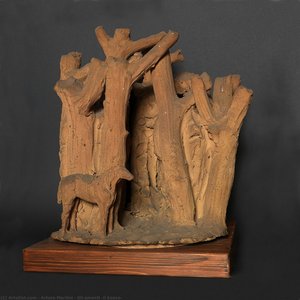
arturo martini
1889 - 1947
Osnovne informacije
- Artistic Movement Or Style:
- Classicism
- Modernism
- Futurist
- Artists Or Movements Influenced By This Artist:
- Marino Marini
- Emilio Greco
- Artists Who Influenced This Artist: ['Umberto Boccioni']
- Date Of Birth: 1889-08-11
- Date Of Death: 1947-03-22
- Full Name: Arturo Martini
- Nationality: Italian
- Notable Artworks:
- Le Stelle
- Minerva (1935)
- San giorgio e il drago (1926)
- Place Of Birth: Treviso, Italy
Povezani članci
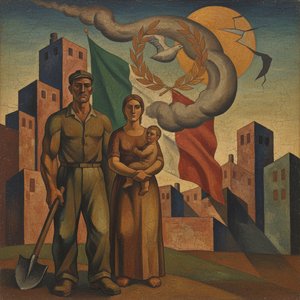
Mario Sironi: A Poetic of Modern Italian Identity Through Symbolism & Social Commentary
Explore the profound works of Mario Sironi, a key figure in Italian Modernism. Discover his evolution from Futurism to Metaphysical painting and his powerful social commentary. Learn about his legacy at ArtsDot.
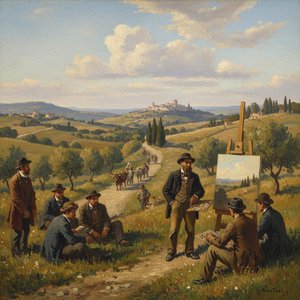
Giovanni Fattori: Realism, Identity & the Tuscan Landscape – A Macchiaioli Master
Explore the life & art of Giovanni Fattori, a leading figure of the Macchiaioli movement. Discover his revolutionary realism, captivating Tuscan landscapes, and lasting impact on Italian painting. Learn more at ArtsDot.
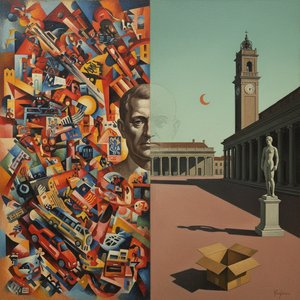
Carlo Carrà: Futurist Visions & Metaphysical Transformations in Early 20th-Century Italian Painting
Explore the artistic journey of Carlo Carrà, a pivotal figure in Italian Futurism & Metaphysical painting. Discover his dynamic compositions, collaborations with de Chirico, and lasting influence on modern art history.

Civic Virtue and Artistic Rivalry: Patronage and Innovation in the Italian Renaissance Republics, 1400–1600
Explore the Italian Renaissance! Discover how competitive patronage & humanist ideals fueled artistic innovation in republics like Florence & Venice. Expert insights for art lovers and collectors.

The Roaring Canvas: Exploring Themes of Modernity & Disillusionment in 1920s Art
Explore the captivating world of 1920s art! Discover Art Deco's glamour, Modernism’s impact & iconic artists like Tamara de Lempicka. Museum-quality reproductions at ArtsDot.

